𝗪𝗵𝗮𝘁 𝗮𝗿𝗲 𝗦𝘁𝗲𝗲𝗹 & 𝗦𝘁𝗿𝘂𝗰𝘁𝘂𝗿𝗮𝗹 𝗠𝗮𝘁𝗲𝗿𝗶𝗮𝗹𝘀?
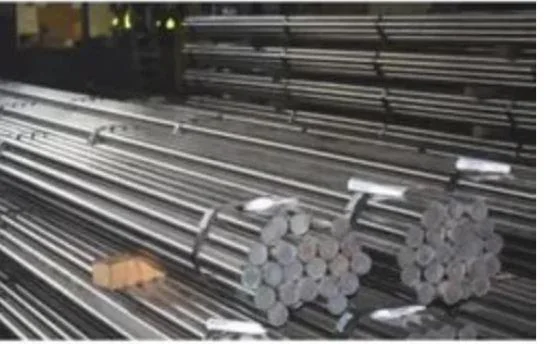
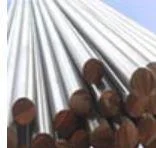
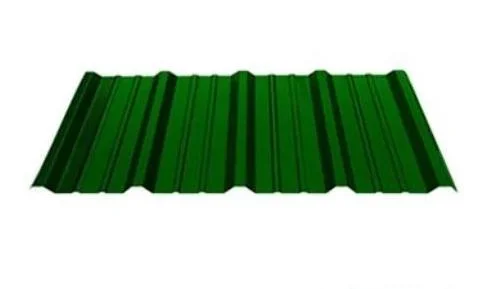
Steel and structural materials are essential components in the construction and manufacturing industries. These materials are primarily composed of steel and are engineered to provide strength, durability, and reliability in various applications. Steel is a versatile alloy made primarily from iron and carbon, and its properties can be adjusted by altering its composition and processing. Structural materials encompass a broad range of products such as beams, columns, and plates that are used to create frameworks for buildings, bridges, and other infrastructures.
The primary uses of steel and structural materials include construction, transportation, and manufacturing. In construction, they serve as the backbone of structures, providing the necessary support to withstand loads and environmental stresses. In transportation, steel is used in the fabrication of vehicles, railways, and ships. The manufacturing sector relies on these materials for the production of heavy machinery and equipment. The relevance of steel and structural materials in today's market is significant, given the ongoing demand for infrastructure development and the need for sustainable building practices.
𝗞𝗲𝘆 𝗙𝗲𝗮𝘁𝘂𝗿𝗲𝘀 𝗮𝗻𝗱 𝗦𝗽𝗲𝗰𝗶𝗳𝗶𝗰𝗮𝘁𝗶𝗼𝗻𝘀
Steel and structural materials come with a variety of features and specifications that define their performance and suitability for specific applications. Understanding these specifications is crucial for B2B buyers looking to make informed purchasing decisions.
Key specifications include:
1. Yield Strength
- This specification indicates the maximum stress that a material can withstand without permanent deformation.
- Typical values vary from 250 MPa to over 1000 MPa, depending on the steel grade.
2. Tensile Strength
- Tensile strength measures the resistance of a material to being pulled apart.
- Common ranges are from 400 MPa to 1200 MPa.
3. Ductility
- Ductility refers to the ability of steel to deform under tensile stress.
- A higher percentage elongation indicates better ductility, often exceeding 10%.
4. Weldability
- This specification assesses how easily a material can be welded.
- Factors include carbon content and alloying elements, influencing suitability for welding processes.
5. Corrosion Resistance
- Some steel grades are designed to resist rust and corrosion, ideal for outdoor or marine environments.
- Coatings and alloy compositions can significantly enhance corrosion resistance.
6. Thickness and Dimensions
- Steel materials come in various thicknesses and dimensions to accommodate different construction needs.
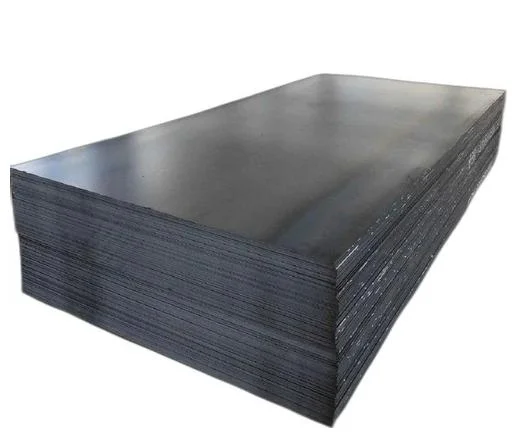
- Standard thickness ranges from 3 mm to 100 mm.
7. Surface Finish
- Surface treatments can affect material properties and aesthetics.
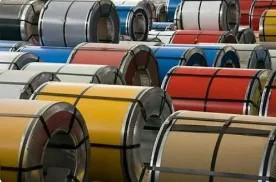
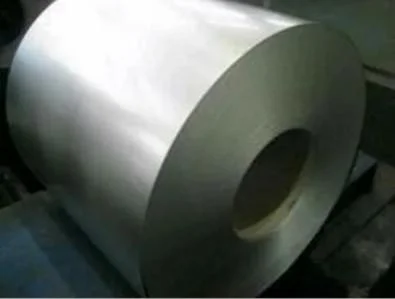
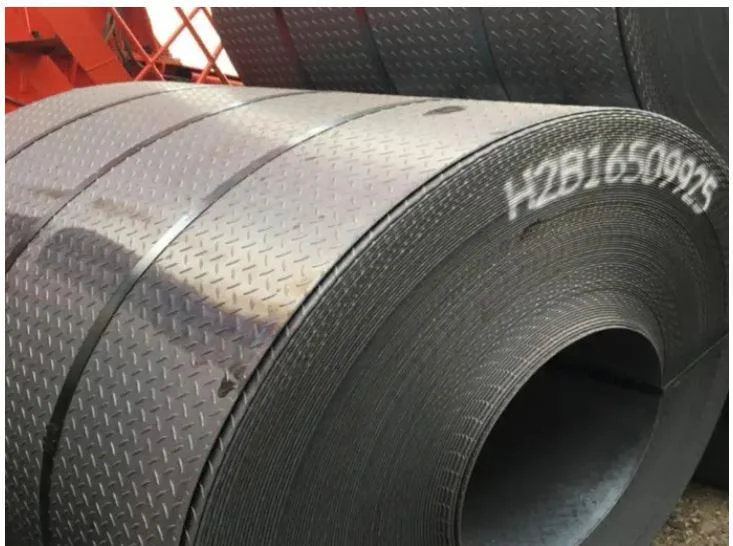
- Common finishes include hot-rolled, cold-rolled, and galvanized.
8. Compliance with Standards
- Many steel products must adhere to industry standards such as ASTM or EN specifications.
- Compliance ensures quality and safety in applications.
Understanding these specifications will help buyers select the right materials for their projects and applications.
𝗖𝗼𝗺𝗺𝗼𝗻 𝗔𝗽𝗽𝗹𝗶𝗰𝗮𝘁𝗶𝗼𝗻𝘀 𝗮𝗻𝗱 𝗨𝘀𝗲 𝗖𝗮𝘀𝗲𝘀
Steel and structural materials find applications across numerous industries, each requiring specific characteristics and performance standards.
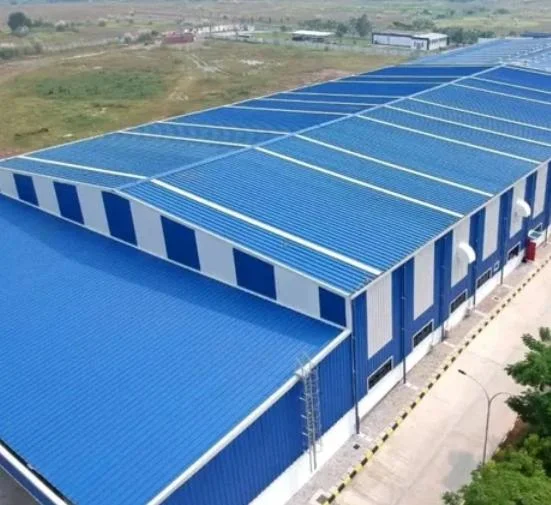
1. Construction: In the construction industry, these materials are critical for building frameworks, supporting structures, and creating load-bearing components. They ensure safety and stability in residential and commercial buildings.
2. Automotive: The automotive sector utilizes steel for manufacturing vehicle frames, body panels, and reinforcement structures. This material is favored for its strength-to-weight ratio and safety features.
3. Energy: Steel plays a vital role in the energy sector, particularly in the construction of pipelines, wind turbines, and power plants. Its durability withstands harsh environmental conditions.
4. Aerospace: In aerospace, structural materials are essential for aircraft frames and components. High-strength steel alloys provide the necessary safety margins while minimizing weight.
5. Infrastructure: Steel is fundamental in infrastructure projects such as bridges, highways, and railways. Its robustness ensures long-lasting performance under heavy loads.
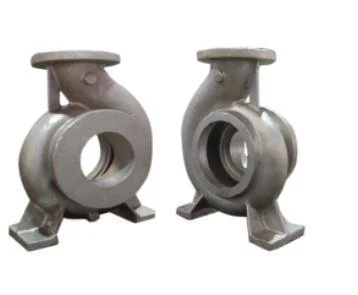
6. Manufacturing: The manufacturing industry relies on steel for machinery, tools, and various equipment. Its versatility allows for customization in engineering applications.
7. Marine: In the marine industry, steel is used for shipbuilding and marine structures. Corrosion-resistant grades are particularly important in this sector.
𝗣𝗿𝗼𝗱𝘂𝗰𝘁 𝗩𝗮𝗿𝗶𝗮𝗻𝘁𝘀 𝗮𝗻𝗱 𝗦𝘂𝗯𝗰𝗮𝘁𝗲𝗴𝗼𝗿𝗶𝗲𝘀
Steel and structural materials are diverse, with variations suited for different applications and environments.
Structural Steel
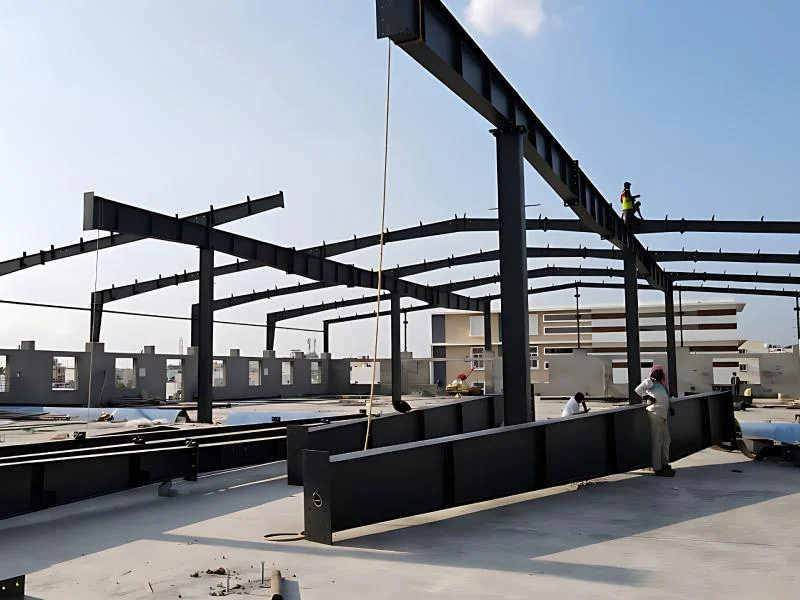
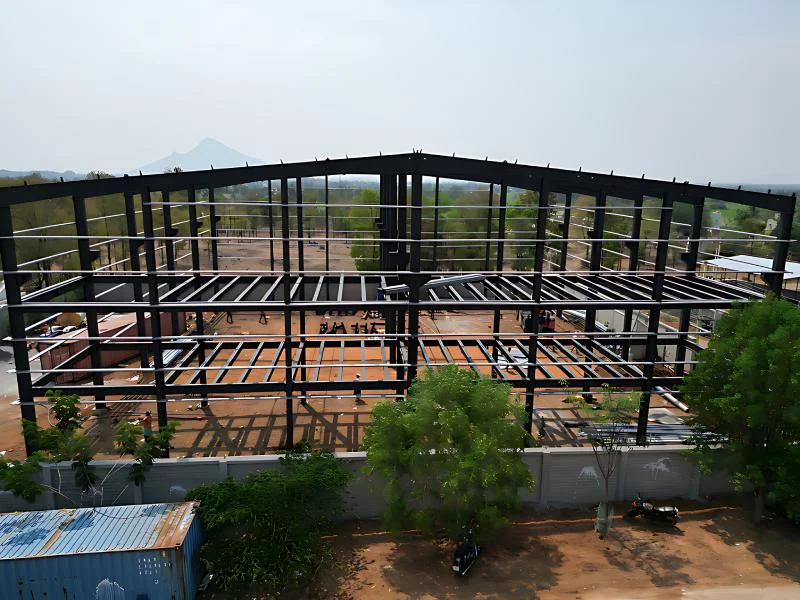
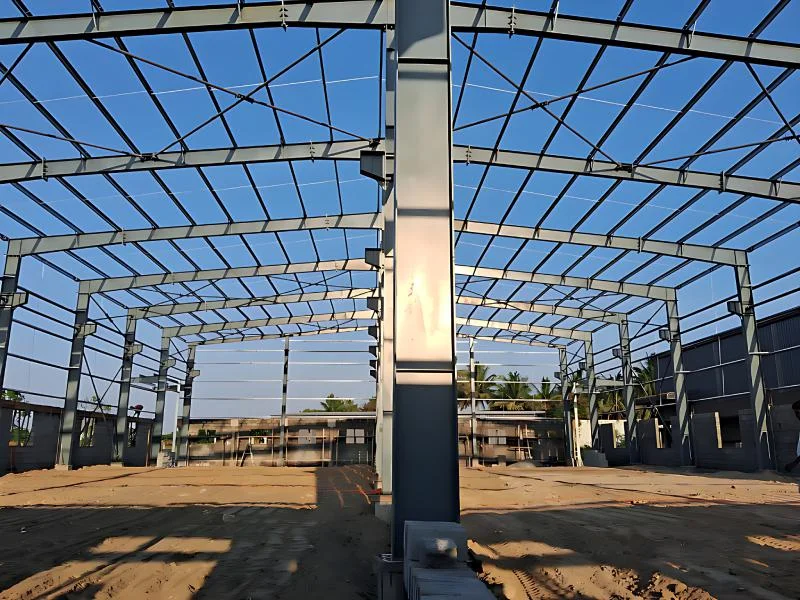
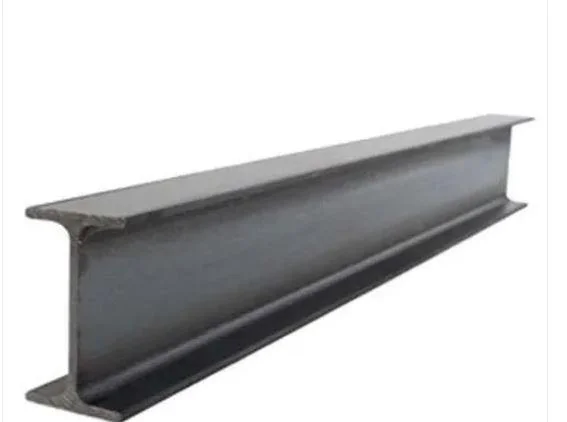
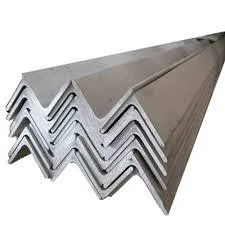
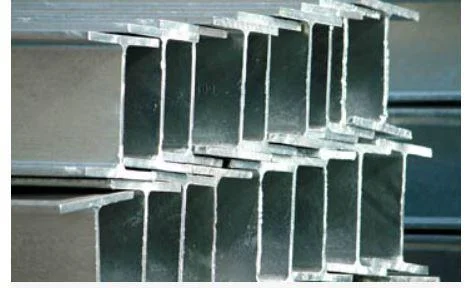
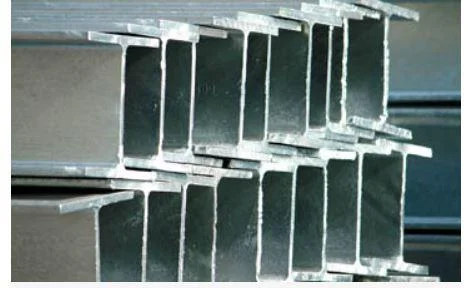
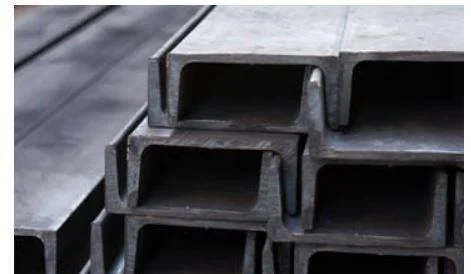
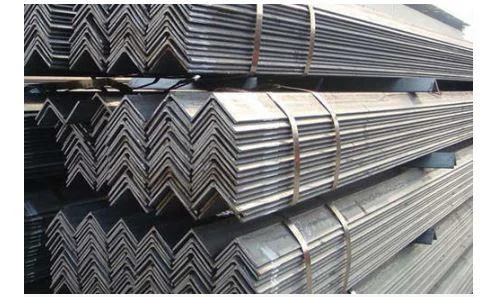
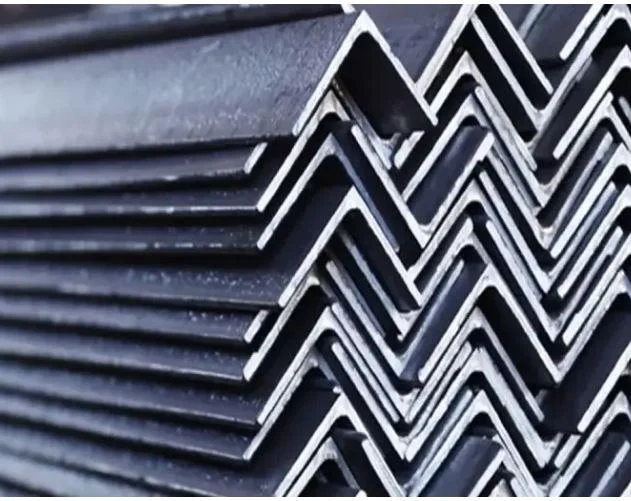
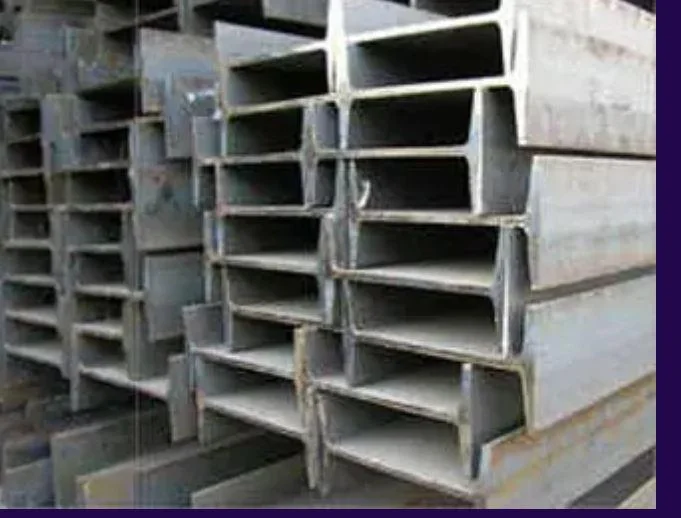
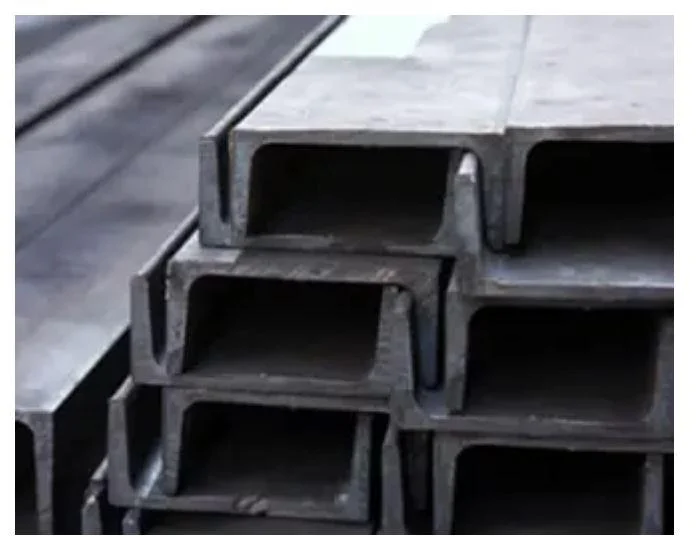
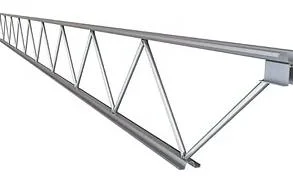
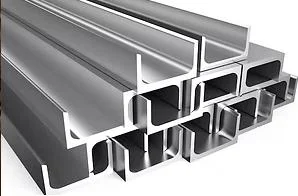
Structural steel includes a variety of shapes such as beams, columns, and channels specifically designed for construction purposes. It provides high strength and is often used in commercial and industrial buildings.
Reinforcing Steel
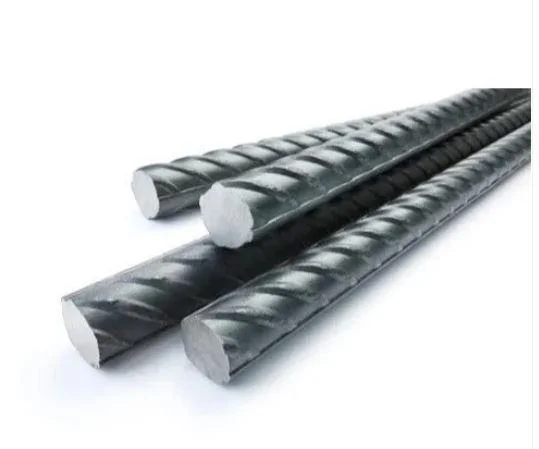
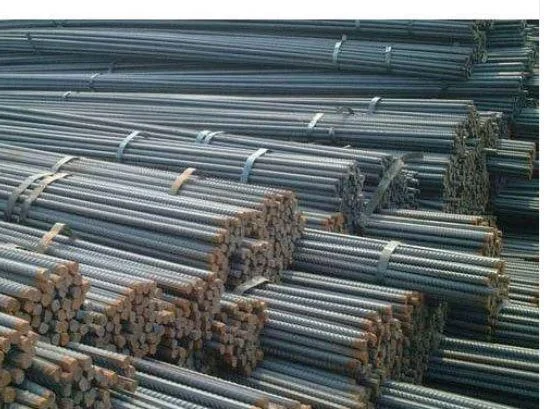
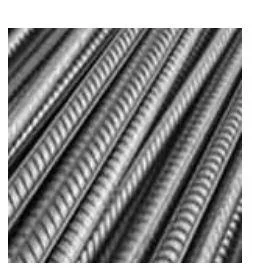
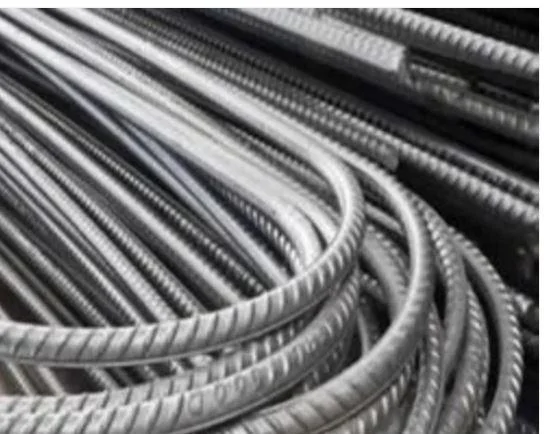
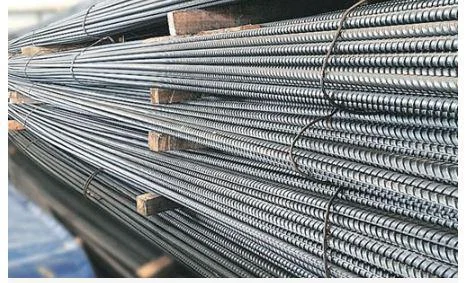
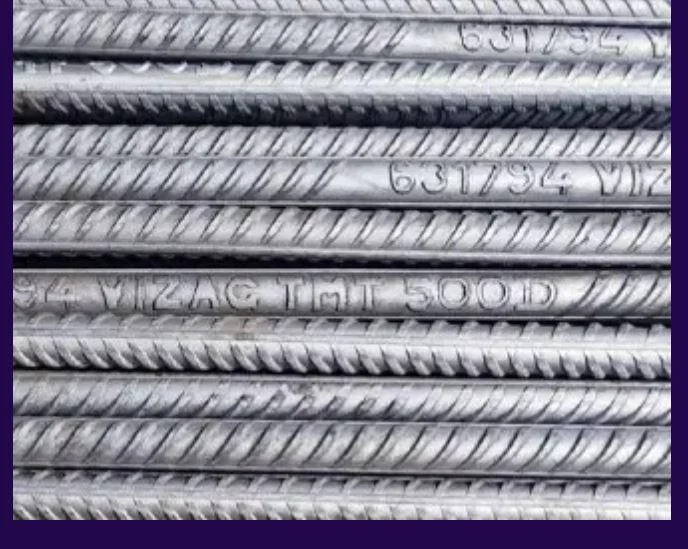
Reinforcing steel, commonly known as rebar, is used in concrete structures to enhance tensile strength. It typically has ridges or patterns to ensure a strong bond with concrete.
Stainless Steel
Stainless steel is an alloy that includes chromium, providing excellent corrosion resistance. It is ideal for applications in harsh environments, such as marine and chemical processing.
Carbon Steel
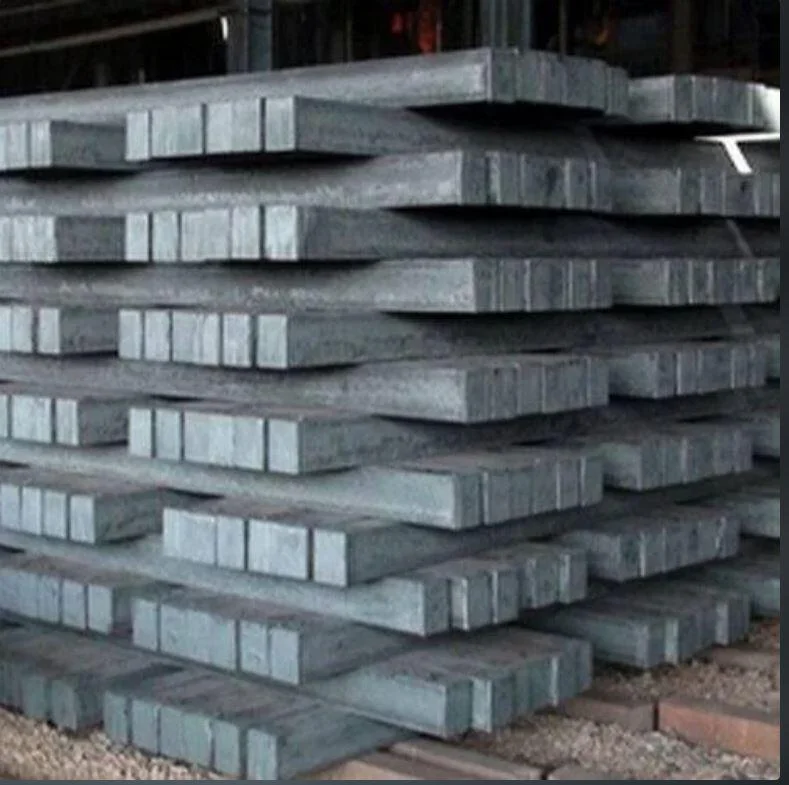
Carbon steel is widely used due to its excellent strength and affordability. It is available in various grades, making it suitable for a range of applications, from construction to manufacturing.
Alloy Steel
Alloy steel contains additional elements such as nickel or molybdenum, enhancing its properties for specific applications. It is commonly used in heavy machinery and automotive industries.
𝗕𝗲𝗻𝗲𝗳𝗶𝘁𝘀 𝗮𝗻𝗱 𝗔𝗱𝘃𝗮𝗻𝘁𝗮𝗴𝗲𝘀
Choosing steel and structural materials offers several advantages that can significantly benefit businesses.
1. Strength and Durability: Steel's high strength-to-weight ratio ensures robust structures that can withstand heavy loads and extreme conditions.
2. Cost-Effectiveness: Steel is often more economical than other building materials, providing substantial value for construction projects.
3. Versatility: Steel can be molded into various shapes and sizes, making it suitable for a wide range of applications across multiple industries.
4. Sustainability: Steel is recyclable, contributing to sustainable building practices and reducing environmental impact.
5. Speed of Construction: Prefabricated steel components can expedite construction timelines, leading to faster project completion.
6. Safety: Steel structures provide enhanced safety and reliability, crucial in high-risk environments such as construction sites and industrial facilities.
𝗕𝘂𝘆𝗶𝗻𝗴 𝗚𝘂𝗶𝗱𝗲 𝗳𝗼𝗿 𝗕𝟮𝗕 𝗕𝘂𝘆𝗲𝗿𝘀
When sourcing steel and structural materials, B2B buyers should consider several critical factors to ensure they make informed choices.
1. Quality Assessment: It is essential to evaluate the quality of steel products based on industry standards and certifications. Look for evidence of compliance with recognized quality standards.
2. Supplier Verification: Vetting suppliers is crucial to ensure reliability and consistency. Check their track record, customer reviews, and industry certifications to assess their credibility.
3. Pricing and MOQ: Understand the pricing structure and minimum order quantities (MOQ) for steel materials. This will help in budgeting and ensuring that you can meet project requirements.
4. Delivery and Lead Times: Consider logistics and delivery timelines when selecting suppliers. Efficient delivery is vital for maintaining project schedules.
5. Compliance Requirements: Ensure that the materials meet local and international compliance regulations. This includes safety standards and environmental regulations that may apply to your specific project.
𝗖𝗼𝗺𝗽𝗹𝗶𝗮𝗻𝗰𝗲 𝗮𝗻𝗱 𝗖𝗲𝗿𝘁𝗶𝗳𝗶𝗰𝗮𝘁𝗶𝗼𝗻𝘀
Compliance with relevant standards is critical for steel and structural materials. Key quality standards include ISO 9001, which ensures consistent quality management systems, and CE marking for compliance with European safety regulations.
Additionally, various industry certifications may be applicable depending on the end use of the materials. These certifications often indicate adherence to safety, quality, and performance benchmarks.
Safety and testing requirements are also paramount. Materials may need to undergo rigorous testing to ensure they can withstand specific environmental conditions and loads.
Regional compliance considerations must also be accounted for, as regulations can vary significantly by location. Ensuring that your materials comply with local laws will prevent potential legal issues and enhance project viability.
𝗪𝗵𝘆 𝗦𝗼𝘂𝗿𝗰𝗲 𝗦𝘁𝗲𝗲𝗹 & 𝗦𝘁𝗿𝘂𝗰𝘁𝘂𝗿𝗮𝗹 𝗠𝗮𝘁𝗲𝗿𝗶𝗮𝗹𝘀 𝗳𝗿𝗼𝗺 𝗣𝗲𝗽𝗮𝗴𝗼𝗿𝗮?
Pepagora offers a reliable platform for sourcing steel and structural materials, providing several key advantages to buyers.
Verified Supplier Network: Pepagora connects buyers with a verified network of suppliers, ensuring a selection of trusted partners. This network is built on rigorous vetting processes to guarantee quality and reliability.
Streamlined RFQ Process: The request for quotation (RFQ) process on Pepagora is designed for efficiency. Buyers can easily submit their requirements and receive competitive quotes from multiple suppliers, simplifying the procurement process.
Trade Assurance and Support: Pepagora prioritizes buyer protection through trade assurance policies. This support helps mitigate risks associated with purchasing decisions, leading to greater confidence in transactions.
Regional Coverage: With a broad geographic reach, Pepagora serves buyers across India, the Gulf Cooperation Council (GCC), and Southeast Asia. This extensive coverage allows for access to diverse suppliers and materials tailored to regional needs.

 IN
IN