
 IN
INundefined
Mild Steel (MS) Rods
22 products available
What are Mild Steel (MS) Rods?
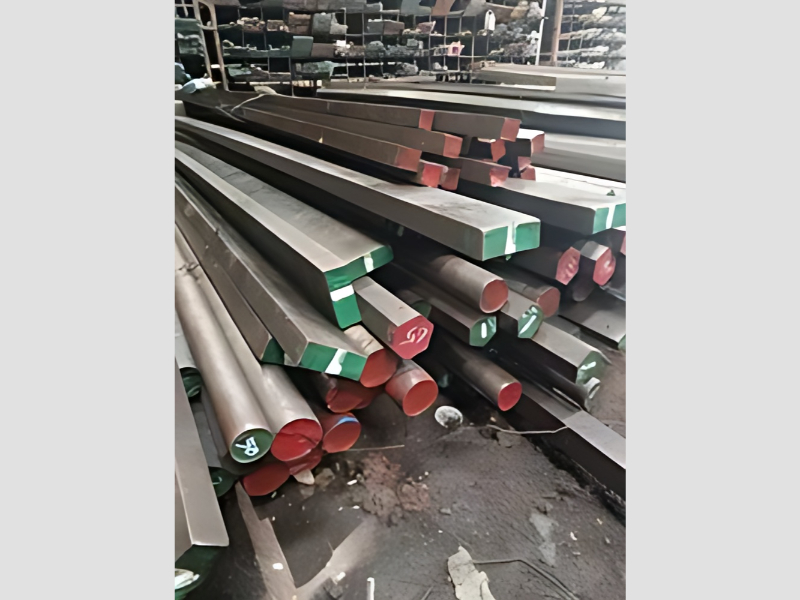
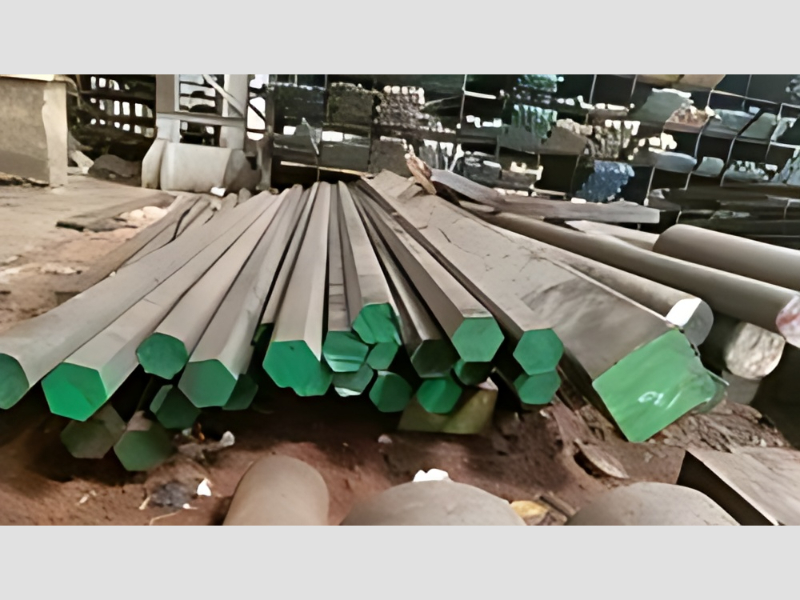
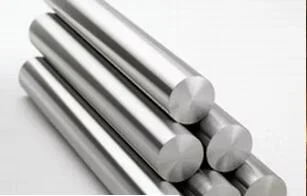
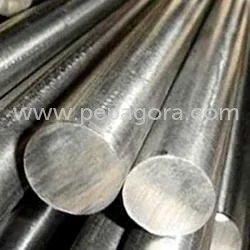
Mild Steel (MS) Rods are long, cylindrical rods made from low carbon steel. They typically contain a carbon content of around 0.05% to 0.25%, which gives them excellent malleability and ductility. This type of steel is favored for its balance of strength and formability, making it ideal for a variety of applications. Mild steel rods are easily weldable and can be machined or formed into various shapes without losing their structural integrity.
The primary uses of mild steel rods encompass a wide range of industries. They are commonly utilized in construction, manufacturing, automotive, and shipbuilding sectors. In construction, mild steel rods serve as reinforcement for concrete. In manufacturing, they are used for producing components, tools, and machinery. The versatility of mild steel rods makes them a staple in many industrial applications, driving their demand and relevance in the market.
As the construction and manufacturing industries continue to grow, the demand for mild steel rods is expected to increase. The global market is witnessing a rise in infrastructure projects and manufacturing activities, which further emphasizes the importance of this material. With its cost-effectiveness and wide availability, mild steel rods remain a key material in various industrial applications.
𝗞𝗲𝘆 𝗙𝗲𝗮𝘁𝘂𝗿𝗲𝘀 𝗮𝗻𝗱 𝗦𝗽𝗲𝗰𝗶𝗳𝗶𝗰𝗮𝘁𝗶𝗼𝗻𝘀
Mild Steel (MS) Rods are recognized for their versatile features and specifications. These rods are available in various sizes and grades, making them suitable for different applications. The following specifications highlight the key characteristics of mild steel rods.
Key specifications include:
1. Diameter
- Available in various diameters ranging from 6 mm to 40 mm.
- Commonly used sizes include 8 mm, 10 mm, and 12 mm.
2. Length
- Standard lengths typically range from 6 meters to 12 meters.
- Custom lengths can be provided based on project requirements.
3. Tensile Strength
- The tensile strength generally ranges from 310 MPa to 400 MPa.
- This property ensures the rod can withstand significant loads.
4. Yield Strength
- Yield strength is typically around 250 MPa to 300 MPa.
- This ensures the rod maintains its shape under stress.
5. Elongation
- The elongation percentage usually ranges from 20% to 25%.
- This indicates the material's ability to deform before breaking.
6. Chemical Composition
- Composed mainly of iron with carbon content between 0.05% and 0.25%.
- Other elements may include manganese and silicon in small amounts.
7. Surface Finish
- Available in a variety of finishes including black, galvanized, or painted.
- The finish can enhance corrosion resistance based on application needs.
8. Welding Capability
- Excellent weldability due to low carbon content.
- Suitable for various welding techniques including MIG and TIG.
In summary, mild steel rods are characterized by their diverse specifications and features that cater to a broad range of industrial applications.
𝗖𝗼𝗺𝗺𝗼𝗻 𝗔𝗽𝗽𝗹𝗶𝗰𝗮𝘁𝗶𝗼𝗻𝘀 𝗮𝗻𝗱 𝗨𝘀𝗲 𝗖𝗮𝘀𝗲𝘀
Mild Steel (MS) Rods are integral to numerous industries due to their strength and versatility.
1. Construction: In the construction industry, mild steel rods are extensively used as reinforcement bars in concrete structures. They provide the necessary tensile strength to hold up buildings, bridges, and roads.
2. Automotive: The automotive sector uses mild steel rods for manufacturing various components such as chassis, frames, and suspension parts. Their durability and ability to absorb shock make them ideal for vehicle construction.
3. Manufacturing: In manufacturing, mild steel rods are utilized in the production of machinery parts, tools, and equipment. Their machinability allows for easy fabrication into different shapes and sizes.
4. Shipbuilding: The marine industry employs mild steel rods for constructing ship frames and hulls. Their resistance to deformation under heavy loads is crucial for seafaring vessels.
5. Furniture: Mild steel rods are also used in furniture manufacturing, particularly for creating frames and structural supports. They provide stability and strength to various furniture designs.
6. Electrical: In electrical applications, mild steel rods serve as conductors in power transmission and distribution systems. Their conductivity and strength are essential for reliable electrical infrastructure.
7. Agricultural Equipment: Mild steel rods are utilized in various agricultural equipment such as plows and harrows. Their durability makes them suitable for handling the stresses of farming activities.
𝗣𝗿𝗼𝗱𝘂𝗰𝘁 𝗩𝗮𝗿𝗶𝗮𝗻𝘁𝘀 𝗮𝗻𝗱 𝗦𝘂𝗯𝗰𝗮𝘁𝗲𝗴𝗼𝗿𝗶𝗲𝘀
Mild Steel (MS) Rods come in several variants to suit different industrial needs.
Plain MS Rods: These rods have a smooth surface and are commonly used in construction as reinforcement bars. Their uniform diameter and strength make them reliable for structural applications.
Threaded MS Rods: Featuring external threads, these rods are used in applications requiring bolting or fastening. They are ideal for connecting components in machinery and construction.
Tapered MS Rods: These rods are tapered at one end for specific applications such as anchoring. Their design allows for easy insertion and secure fastening in various environments.
𝗕𝗲𝗻𝗲𝗳𝗶𝘁𝘀 𝗮𝗻𝗱 𝗔𝗱𝘃𝗮𝗻𝘁𝗮𝗴𝗲𝘀
Mild Steel (MS) Rods offer numerous benefits that make them a preferred choice in industrial applications.
1. Cost-Effective: Mild steel rods are relatively inexpensive compared to other materials, making them a budget-friendly option for large projects.
2. High Strength: They provide excellent tensile strength, ensuring structural integrity in demanding applications.
3. Versatility: Mild steel rods can be used in a wide range of applications across various industries, enhancing their utility.
4. Easy Fabrication: The malleable nature of mild steel allows for easy cutting, welding, and machining, facilitating custom designs.
5. Good Weldability: Their low carbon content makes them easy to weld, ensuring strong joints in construction and manufacturing.
6. Availability: Mild steel rods are widely available in various sizes and grades, ensuring easy sourcing for projects.
𝗕𝘂𝘆𝗶𝗻𝗴 𝗚𝘂𝗶𝗱𝗲 𝗳𝗼𝗿 𝗕𝟮𝗕 𝗕𝘂𝘆𝗲𝗿𝘀
When sourcing Mild Steel (MS) Rods, it is essential to consider several key factors to ensure the right purchase.
1. Quality Assessment: Ensure that the rods meet industry standards and specifications. Look for certifications that validate the quality of the product.
2. Supplier Verification: Vet potential suppliers to ensure they have a good reputation and can provide reliable products. Check for reviews and feedback from other buyers.
3. Pricing and MOQ: Understand the pricing structure and minimum order quantities (MOQ) set by suppliers. This information is crucial for budget planning.
4. Delivery and Lead Times: Discuss logistics and delivery timelines with suppliers. Timely delivery is vital for maintaining project schedules.
5. Compliance Requirements: Be aware of any regulatory requirements that apply to mild steel rods in your region. Ensure that the supplier meets these compliance standards.
𝗖𝗼𝗺𝗽𝗹𝗶𝗮𝗻𝗰𝗲 𝗮𝗻𝗱 𝗖𝗲𝗿𝘁𝗶𝗳𝗶𝗰𝗮𝘁𝗶𝗼𝗻𝘀
Mild Steel (MS) Rods must comply with various quality standards to ensure safety and performance. Key standards include ISO 9001, which outlines quality management principles, and CE marking, which indicates conformity with European safety requirements.
Industry certifications are essential for establishing trust and reliability in the supply chain. Compliance with safety and testing requirements ensures that the rods are suitable for their intended applications.
Additionally, regional compliance considerations may vary, so it is important to consult local regulations to ensure that all products meet necessary guidelines.
Why Source Mild Steel (MS) Rods from Pepagora?
Pepagora offers a reliable platform for sourcing Mild Steel (MS) Rods, providing several advantages that streamline the purchasing process.
Verified Supplier Network: Pepagora features a network of verified suppliers, ensuring that buyers can trust the quality and reliability of the products offered. This verification process helps mitigate risks associated with sourcing materials.
Streamlined RFQ Process: The request for quotation (RFQ) system allows buyers to efficiently compare quotes from multiple suppliers. This transparency aids in making informed purchasing decisions.
Trade Assurance and Support: Pepagora offers trade assurance programs that protect buyers from potential issues during transactions. This support enhances buyer confidence and facilitates smoother business operations.
Regional Coverage: With a strong presence in India, the GCC, and Southeast Asia, Pepagora ensures that buyers can access mild steel rods tailored to their regional needs. This extensive coverage broadens the market reach for businesses sourcing these materials.
Newly Added




Recently Added
Azfar Industries
Commercial Residential Balustrade Support Systems Stainless Steel
Commercial Stainless Steel Bulk Fryer With LPG Electric Options
Commercial Kitchen Premium Chinese Burner Durable Heat Resistant
Bhagwati Enterprises
Industrial Galvanized Steel Sheets For Construction And Automotive
Premium Mild Steel Round Bars For Construction And Manufacturing
Industrial MS Ingots High Grade Mild Steel Durable Corrosion Resistant
Aura Decors
Industrial Commercial Panel Curtains Durable Partitioning Noise Reduction
Industrial Commercial Panel Curtains Durable Customizable Partitions
19mm Stainless Steel And Wooden Curtain Rods For Bulk Orders
ACME Scientific International
Professional Abrasion Testing Machine for Material Durability Assessment
Concrete Testing Air Entrainment Meter 0.1m 150mm Aggregate
Bench Mounting Load Frame For Mechanical Testing In R&D And Quality Control
Bharat Tool Steel Syndicate
Supply Mild Steel Square Bars For Construction And Fabrication
Premium MS Square Bars High Strength Corrosion Resistant Steel Construction
Industrial Flat Bars Premium Strength Durable Construction Manufacturing
B. B. Brothers
Commercial Bicycle Carrier For 25/26 Inch Wheels Durable Black Powder Coated
Commercial Bicycle Rust Resistant Steel Frame 24 26 Inch
Bicycle Carriers Devil DX Durable Customizable Support
Essem Fabricators
Industrial Belt Conveyors For Cartons And Gunny Bags With Aluminum Frame
Industrial Material Handling Durable CNC Chip Trolleys For Manufacturing
Industrial Racks Premium Sturdy High Capacity Storage Solutions
Vishwas Steel Works
Premium Designer Staircase Railings Stainless Steel Anti Corrosive
Outdoor Spiral Staircase Railings Durable Corrosion Resistant
Premium Stainless Steel Railing Staircases Rust Resistant
Ankerite Pharmaceuticals Private Limited
Commercial Abdominal Board For Core Strengthening And Fitness Training
Premium Commercial Gym Equipment For Fitness Centers And Hotels
Commercial Adjustable Gym Bench Heavy Duty Steel Frame Multiple Incline
Bir Industries
Industrial Cast Iron Non Return Valve High Pressure Leak Free
Industrial Butterfly Valves For Flow Control In Water Treatment And HVAC
Industrial Motorized Sluice Valves For Flow Control In High Pressure Applications
Why Businesses Trust Pepagora
Thousands of companies trust Pepagora to source smarter and sell faster
Expand Your Sales Globally
25000+Products listed.Get discovered by global buyers
Tools to boost visibility
Build your own catalog

Source Smarter,Grow Faster
4000+Active RFQs
100+ Countries served
Easy Sourcing Tools
