
 IN
INundefined
Gratings & Walkways
24 products available
𝗪𝗵𝗮𝘁 𝗮𝗿𝗲 𝗚𝗿𝗮𝘁𝗶𝗻𝗴𝘀 & 𝗪𝗮𝗹𝗸𝘄𝗮𝘆𝘀?
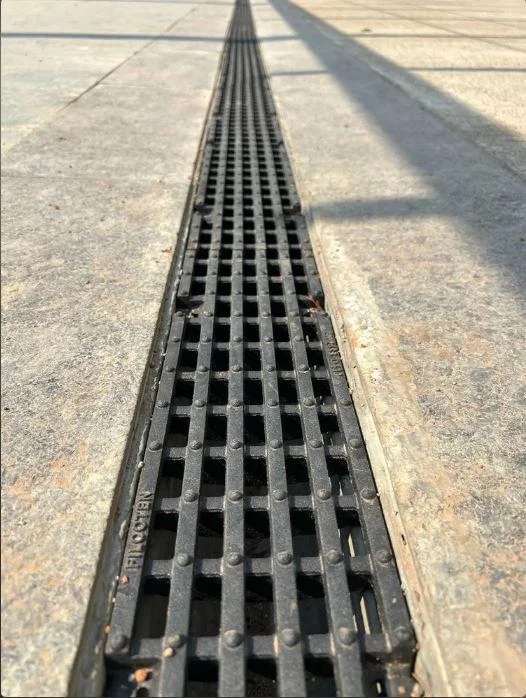
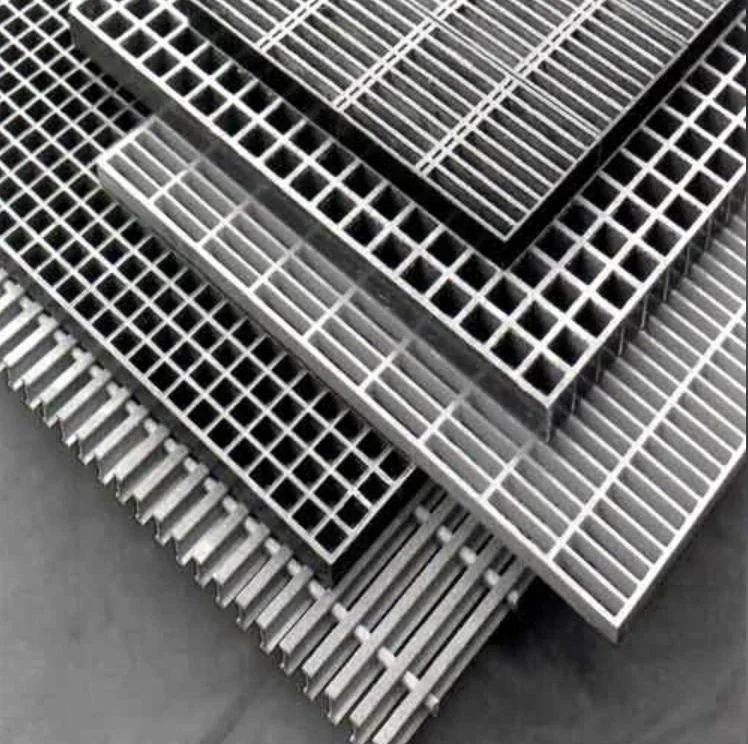
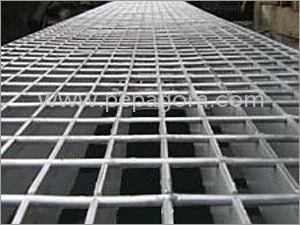
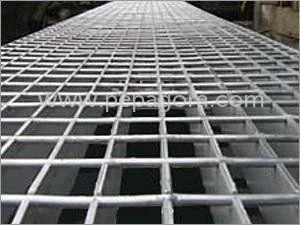
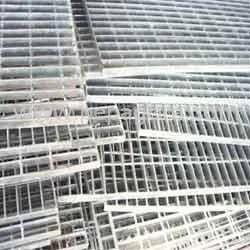
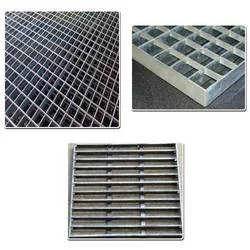
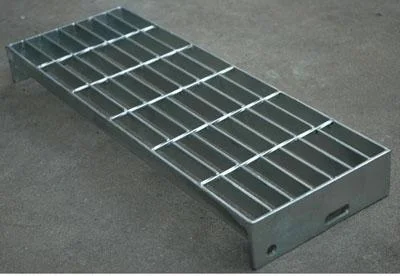
Gratings and walkways are essential components in industrial and commercial settings, designed to provide safe and stable surfaces for foot and vehicle traffic. Gratings are typically made from metal or fiberglass and consist of a series of parallel bars or slats that allow for drainage and ventilation while supporting weight. Walkways, on the other hand, are broader surfaces used for pedestrian movement, often made from similar materials and designed to ensure safety in high-traffic areas.
These products are widely used in various sectors, including manufacturing, construction, and waste management. They help create safe working environments by reducing the risk of slips and falls. Gratings are particularly beneficial in areas where liquids may be present, as they allow for easy drainage, while walkways provide necessary access to machinery and equipment in facilities.
In today’s industrial landscape, the demand for durable and reliable gratings and walkways is on the rise. Various industries require these products to ensure compliance with safety regulations and enhance operational efficiency. As businesses prioritize workplace safety and effective resource management, the market for high-quality gratings and walkways continues to grow, driven by innovations in materials and design.
𝗞𝗲𝘆 𝗙𝗲𝗮𝘁𝘂𝗿𝗲𝘀 𝗮𝗻𝗱 𝗦𝗽𝗲𝗰𝗶𝗳𝗶𝗰𝗮𝘁𝗶𝗼𝗻𝘀
Gratings and walkways come with a range of features that cater to diverse industrial needs. When selecting these products, it is essential to understand their specifications, which can vary based on material, design, and application.
Key specifications include:
1. Material Composition
- Common materials include steel, aluminum, and fiberglass.
- Each material offers different strength, corrosion resistance, and weight capacities.
2. Load Capacity
- Load capacities can range from light to heavy-duty, depending on application requirements.
- Specifications often indicate safe load limits for pedestrian and vehicular traffic.
3. Surface Treatment
- Gratings and walkways can be coated or treated to enhance durability.
- Options include galvanized finishes for corrosion resistance and non-slip surfaces for safety.
4. Dimensions
- Standard sizes are available, but custom dimensions can be produced to meet specific needs.
- Thickness and spacing between bars are critical for safety and functionality.
5. Compliance Standards
- Products may meet various industry standards for safety and performance.
- Compliance with local and international regulations ensures quality assurance.
6. Fire Resistance
- Certain materials may offer fire-resistant properties, essential for specific industrial applications.
- Fire-rated gratings and walkways provide additional safety in hazardous environments.
7. Environmental Resistance
- Products can be designed to withstand extreme temperatures and humidity.
- This feature is critical for outdoor applications and facilities with harsh conditions.
8. Ease of Installation
- Many gratings and walkways are designed for quick installation and minimal maintenance.
- Installation methods may vary based on the specific application and site conditions.
These features make gratings and walkways versatile solutions for a wide range of industries.
𝗖𝗼𝗺𝗺𝗼𝗻 𝗔𝗽𝗽𝗹𝗶𝗰𝗮𝘁𝗶𝗼𝗻𝘀 𝗮𝗻𝗱 𝗨𝘀𝗲 𝗖𝗮𝘀𝗲𝘀
Gratings and walkways are utilized across multiple industries, each with specific applications that enhance safety and efficiency.
1. Manufacturing: In manufacturing plants, gratings and walkways provide safe access to machinery and equipment while allowing for effective drainage of spills.
2. Construction: On construction sites, these products are critical for ensuring worker safety and providing stable walking surfaces on uneven terrain.
3. Waste Management: Gratings are essential in waste management facilities, where they facilitate drainage and prevent hazardous buildup of liquids.
4. Oil and Gas: In oil and gas industries, walkways provide safe paths for workers over pipelines and processing equipment, ensuring compliance with safety regulations.
5. Food Processing: Gratings in food processing plants help maintain hygiene standards by allowing for easy cleaning and drainage of spills.
6. Chemical Manufacturing: In chemical plants, these products provide safe access while minimizing the risk of chemical exposure.
7. Water Treatment: Gratings are used in water treatment facilities to support equipment and allow for the safe movement of personnel.
𝗣𝗿𝗼𝗱𝘂𝗰𝘁 𝗩𝗮𝗿𝗶𝗮𝗻𝘁𝘀 𝗮𝗻𝗱 𝗦𝘂𝗯𝗰𝗮𝘁𝗲𝗴𝗼𝗿𝗶𝗲𝘀
Gratings and walkways come in various forms to meet specific industrial needs. Each variant offers unique characteristics that cater to different applications.
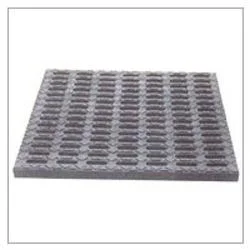
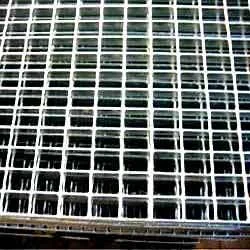
Steel Gratings: Steel gratings are known for their strength and durability. They are commonly used in heavy-duty applications and provide excellent load-bearing capabilities.
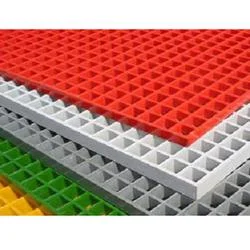
Fiberglass Gratings: Lightweight and corrosion-resistant, fiberglass gratings are ideal for environments with high moisture or chemical exposure. They are often used in waste treatment and chemical processing.
Aluminum Walkways: Aluminum walkways are lightweight and easy to install, making them suitable for temporary or permanent installations in various settings.
Expanded Metal Walkways: These walkways offer a slip-resistant surface and are often used in outdoor applications where drainage is necessary.
𝗕𝗲𝗻𝗲𝗳𝗶𝘁𝘀 𝗮𝗻𝗱 𝗔𝗱𝘃𝗮𝗻𝘁𝗮𝗴𝗲𝘀
Gratings and walkways provide numerous benefits that enhance operational safety and efficiency.
Key benefits include:
1. Enhanced Safety: Gratings and walkways reduce the risk of slips and falls in industrial environments, promoting a safer workplace.
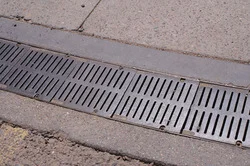
2. Improved Drainage: Their design allows for effective drainage, reducing the accumulation of water and hazardous liquids.
3. Durability: Made from robust materials, these products are built to withstand heavy loads and harsh conditions, ensuring longevity.
4. Customization: Many suppliers offer customization options to meet specific size and load requirements, allowing flexibility in design.
5. Compliance with Regulations: Sourcing compliant gratings and walkways ensures adherence to safety standards, minimizing liability for businesses.
6. Ease of Maintenance: Their design allows for easy cleaning and maintenance, which is crucial in industries with strict hygiene requirements.
𝗕𝘂𝘆𝗶𝗻𝗴 𝗚𝘂𝗶𝗱𝗲 𝗳𝗼𝗿 𝗕𝟮𝗕 𝗕𝘂𝘆𝗲𝗿𝘀
When sourcing gratings and walkways, it is essential for B2B buyers to consider several critical factors to ensure they select the right products.
1. Quality Assessment: Evaluate the materials and construction quality to ensure longevity and performance. Look for certifications that demonstrate compliance with industry standards.
2. Supplier Verification: Vet potential suppliers by reviewing their reputation, customer feedback, and experience in the industry. A reliable supplier should have a proven track record.
3. Pricing and MOQ: Understand pricing structures and minimum order quantities, as these can vary significantly between suppliers. Ensure that the cost aligns with your budget and requirements.
4. Delivery and Lead Times: Discuss logistics to ensure timely delivery of products. Confirm lead times, especially for custom orders, to avoid project delays.
5. Compliance Requirements: Make sure that the products meet all relevant safety and compliance standards for your industry, which can vary by region.
𝗖𝗼𝗺𝗽𝗹𝗶𝗮𝗻𝗰𝗲 𝗮𝗻𝗱 𝗖𝗲𝗿𝘁𝗶𝗳𝗶𝗰𝗮𝘁𝗶𝗼𝗻𝘀
Gratings and walkways must adhere to various compliance and certification standards to ensure safety and quality in industrial applications.
ISO 9001 is a widely recognized quality management standard that ensures consistent product quality and customer satisfaction. Manufacturers that meet this standard demonstrate a commitment to continuous improvement and quality assurance.
In addition, CE certification indicates that products comply with European health, safety, and environmental protection standards. This certification is crucial for products sold within the European market.
Safety and testing requirements are essential for gratings and walkways, as they must endure rigorous evaluations to ensure they can handle specified loads and environmental conditions. Regular testing helps maintain compliance and safety.
Regional compliance considerations are also vital, as different countries may have specific regulations regarding materials and safety standards. Understanding these requirements is essential for businesses operating in multiple regions.
𝗪𝗵𝘆 𝗦𝗼𝘂𝗿𝗰𝗲 𝗚𝗿𝗮𝘁𝗶𝗻𝗴𝘀 & 𝗪𝗮𝗹𝗸𝘄𝗮𝘆𝘀 𝗳𝗿𝗼𝗺 𝗣𝗲𝗽𝗮𝗴𝗼𝗿𝗮?
Pepagora provides a trusted platform for sourcing gratings and walkways, offering several key advantages that cater to B2B buyers.
Verified Supplier Network: Pepagora connects buyers with a network of verified suppliers. This reduces the risk of sourcing from untrustworthy manufacturers and ensures that products meet quality standards.
Streamlined RFQ Process: The request for quotation (RFQ) process on Pepagora is designed to be efficient. Buyers can easily submit their specifications and receive competitive quotes from multiple suppliers.
Trade Assurance and Support: Pepagora offers trade assurance, providing buyers with protection during transactions. This support gives buyers peace of mind when sourcing critical industrial products.
Regional Coverage: With a strong presence in India, the GCC, and Southeast Asia, Pepagora ensures that buyers can access a wide range of products and suppliers across these regions, simplifying the sourcing process.
Newly Added


Recently Added
Chelsea Wire Netting
Premium GI Chainlink Fencing For Gardens Sports Fields Security
Industrial GI Expanded Metal Mesh For Safety And Infrastructure
Industrial Air Cleaner Knit Mesh MS For Superior Filtration And Durability
Megacity Iron Pvt Ltd
Industrial Commercial Stainless Steel Waste Water Pipes Durable Corrosion Resistant
Industrial Commercial HVAC PVC Ventilation Pipes Durable Chemical Resistant
Premium Cast Iron Manhole Covers With Concrete Infill For Durability
Bengal Export Corporation
Commercial Laundry Bags Durable Tear Resistant Hygienic Linen Management
Premium Printed Bags For Retail And Promotional Branding
Premium Wholesale Shoe Bags Durable Packaging For Footwear Brands
Archita Enterprises
Premium Iron Fences Hot Galvanized PVC Coated Durable Bulk Supply
Heavy Duty Graduated Steel Wire Mesh Field Fence For Livestock Security
Premium Sport Ground Fences For Football Rugby Hockey Tennis
Chavanda Sales Corporation
Industrial Sheds Asbestos Slotted Angle Quick Assembly Storage Shelter
Industrial Fastening Solutions Pandex Nuts Bolts High Quality
Industrial Slotted Angle Bars For Shelving And Storage Racks
Basant Betons
Premium Beige Classic Cobbles For Landscaping And Architecture
Premium Grey Classic Cobbles Durable Paving For Landscaping
Red Classic Cobbles For Landscaping Pathways Commercial Paving
Anish Engineers
Industrial Dampers For Airflow Control In Power Plants And Refineries
Heavy Duty Rod Gates For Bulk Material Flow Control In Mining
Industrial Electroforged Steel Gratings For Heavy Duty Flooring
Veer Bath Accessories Pvt Ltd
Electronic Cockroach Repeller Non Toxic Pest Control For Hotels Hospitals
Commercial Residential Modern Bathroom Faucets Brass Ceramic Cartridges
Luxury Designer Bathroom Showers For High End Residential And Hospitality Projects
Arun Engineering Works
Premium Fabrication And Earthing Materials For Electrical Safety
Industrial Heavy Duty Ladder Cable Trays For Secure Cable Management
Industrial Cable Management Ladder Tray Accessories Durable Steel
Bharati- AHS Powertech Private Limited
Industrial Hot Dip Galvanized Angle Steel For Construction And Infrastructure
Industrial Galvanized Checker Plates Slip Resistant Durable Flooring
Premium GI Structures For Industrial And Construction Use
Why Businesses Trust Pepagora
Thousands of companies trust Pepagora to source smarter and sell faster
Expand Your Sales Globally
25000+Products listed.Get discovered by global buyers
Tools to boost visibility
Build your own catalog

Source Smarter,Grow Faster
4000+Active RFQs
100+ Countries served
Easy Sourcing Tools
