
 IN
INundefined
Cutting & Bending Services
17 products available
𝗪𝗵𝗮𝘁 𝗮𝗿𝗲 𝗖𝘂𝘁𝘁𝗶𝗻𝗴 & 𝗕𝗲𝗻𝗱𝗶𝗻𝗴 𝗦𝗲𝗿𝘃𝗶𝗰𝗲𝘀?
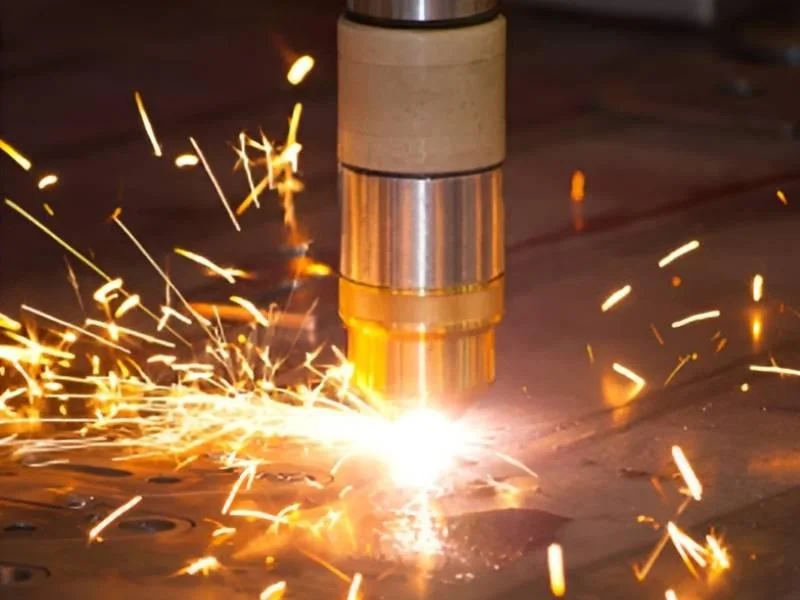
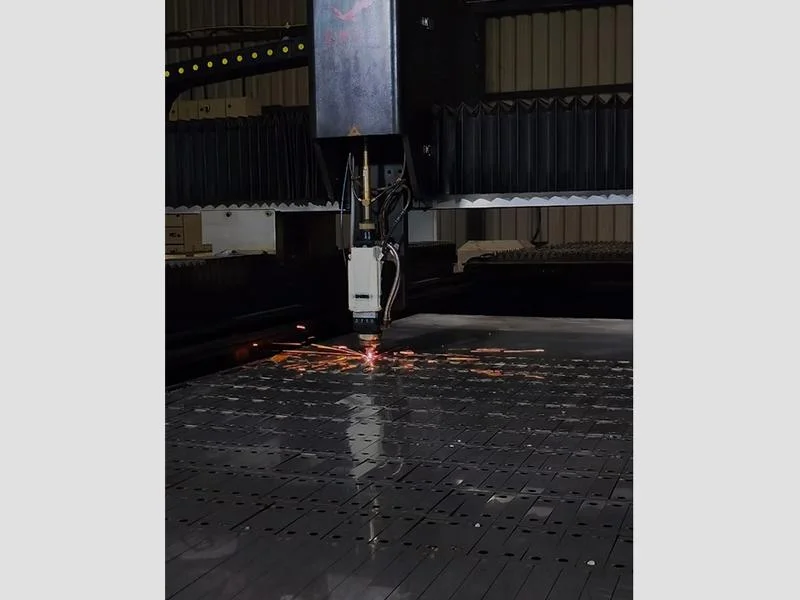
Cutting and bending services refer to specialized processes used in the fabrication of materials, primarily metals, to achieve specific shapes and dimensions. These services typically involve precision cutting techniques, including laser cutting, water jet cutting, and mechanical cutting, followed by bending operations that shape the material into desired angles or curves. This combination allows industries to create custom components that meet their specific requirements.
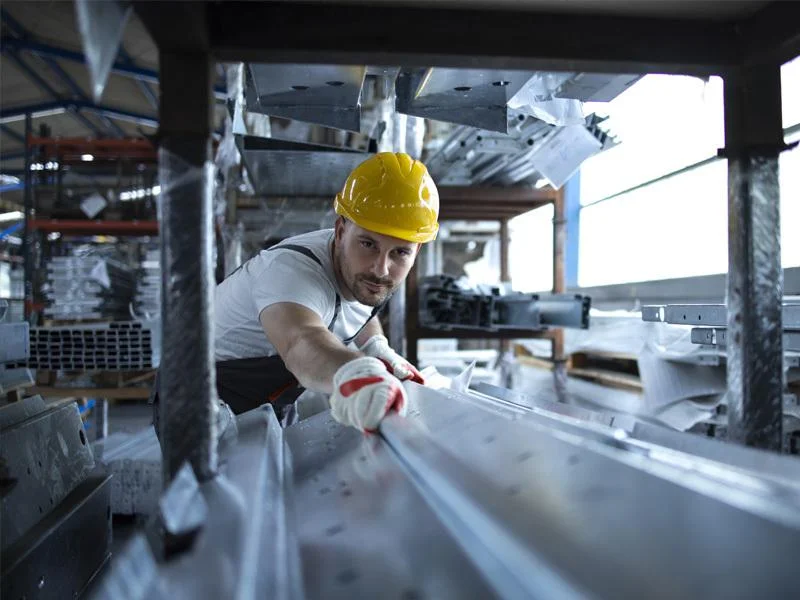
These services find application across various sectors including construction, manufacturing, and automotive. Companies often utilize cutting and bending services to produce parts for machinery, structural elements for buildings, and components for vehicles. The versatility and precision of these services enhance production efficiency and product quality, making them an integral part of the supply chain.
In the current market context, the demand for cutting and bending services continues to grow as industries increasingly focus on customization and efficiency. With advancements in technology, these services are becoming more accessible, enabling businesses to meet the evolving needs of their customers. As such, cutting and bending services play a critical role in maintaining competitive advantage across various industrial sectors.
𝗞𝗲𝘆 𝗙𝗲𝗮𝘁𝘂𝗿𝗲𝘀 𝗮𝗻𝗱 𝗦𝗽𝗲𝗰𝗶𝗳𝗶𝗰𝗮𝘁𝗶𝗼𝗻𝘀
Cutting and bending services are characterized by several key features that ensure quality and precision in the final products. These features include advanced machinery, skilled labor, and adherence to industry standards.
Key specifications include:
1. Cutting Methods
- Laser cutting for intricate designs
- Water jet cutting for thicker materials
2. Bending Techniques
- Press brake bending for precise angles
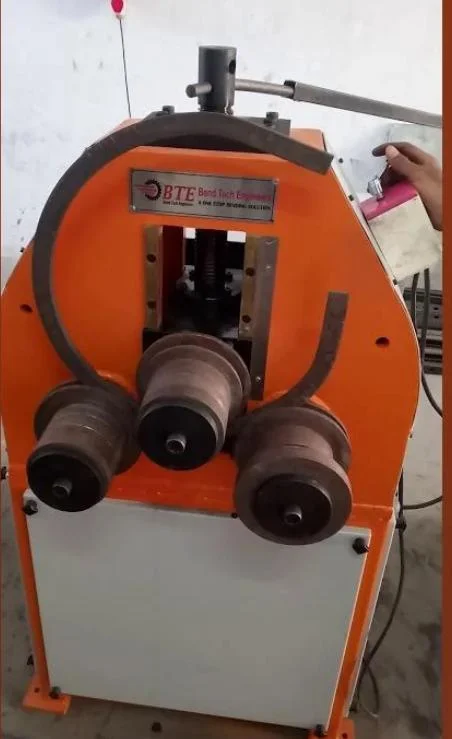
- Roll bending for circular shapes
3. Material Types
- Steel, aluminum, copper, and other metals
- Compatibility with various thicknesses
4. Tolerance Levels
- Tight tolerances typically within ±0.5 mm
- Custom tolerances available upon request
5. Production Volume
- Capable of handling low to high volume orders
- Flexibility for prototyping and large-scale production
6. Surface Finishing
- Options for powder coating, anodizing, and plating
- Quality finishes to enhance durability and aesthetics
In summary, the specifications of cutting and bending services highlight their versatility and precision, making them suitable for a wide range of industrial applications.
𝗖𝗼𝗺𝗺𝗼𝗻 𝗔𝗽𝗽𝗹𝗶𝗰𝗮𝘁𝗶𝗼𝗻𝘀 𝗮𝗻𝗱 𝗨𝘀𝗲 𝗖𝗮𝘀𝗲𝘀
Cutting and bending services are utilized in multiple industries to create custom components and parts.
1. Construction: These services are essential for fabricating structural elements such as beams and brackets, which are critical for building stability.
2. Manufacturing: In manufacturing, cutting and bending are used to produce parts for machinery and equipment, ensuring they fit perfectly in complex assemblies.
3. Automotive: The automotive industry relies on these services for creating components like chassis and body panels, which require precise shaping and cutting.
4. Aerospace: In aerospace, cutting and bending services are used to produce lightweight and durable parts that meet strict safety standards.
5. HVAC: The heating, ventilation, and air conditioning industry uses these services for ductwork and other components that need precise fittings.
6. Furniture: Custom furniture manufacturing often employs cutting and bending for metal and wood components, allowing for unique designs.
7. Electrical: In the electrical sector, cutting and bending services help create enclosures and mounting brackets that ensure safety and functionality.
𝗣𝗿𝗼𝗱𝘂𝗰𝘁 𝗩𝗮𝗿𝗶𝗮𝗻𝘁𝘀 𝗮𝗻𝗱 𝗦𝘂𝗯𝗰𝗮𝘁𝗲𝗴𝗼𝗿𝗶𝗲𝘀
Cutting and bending services offer a range of product variants to cater to specific industry needs. Each variant is designed to accommodate different materials and production requirements.
Laser Cutting Services
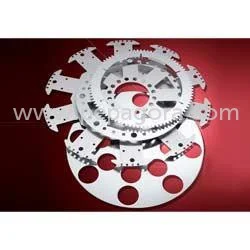
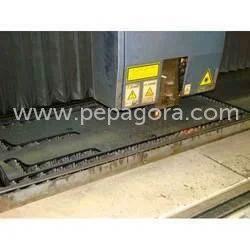
These services utilize high-powered lasers to cut materials with exceptional precision. Ideal for intricate designs, laser cutting is suitable for various sheet metals and is often used in decorative applications.
Water Jet Cutting Services
Water jet cutting employs high-pressure water streams to cut through materials. This method is perfect for thicker materials and delicate components, as it does not introduce heat that could alter material properties.
Press Brake Bending Services
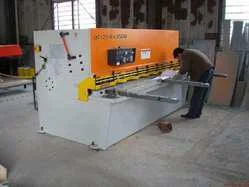
This variant focuses on bending metal sheets using a press brake. It allows for precise angle adjustments and is widely used in the manufacturing of parts that require specific bends.
Roll Bending Services
Roll bending is used for creating circular shapes and curves in metal. This technique is essential for applications in architecture and automotive design.
𝗕𝗲𝗻𝗲𝗳𝗶𝘁𝘀 𝗮𝗻𝗱 𝗔𝗱𝘃𝗮𝗻𝘁𝗮𝗴𝗲𝘀
Cutting and bending services offer numerous benefits that enhance manufacturing processes and product quality.
Key benefits include:
1. Precision: These services provide high accuracy in cutting and bending, ensuring components fit perfectly in assemblies.
2. Customization: Businesses can request tailored solutions to meet specific design needs, enhancing product uniqueness.
3. Efficiency: Advanced machinery and techniques reduce production time, allowing for quicker turnaround on orders.
4. Cost-effectiveness: By outsourcing cutting and bending services, companies can lower operational costs while maintaining quality.
5. Versatility: These services can accommodate a broad range of materials and thicknesses, making them suitable for various applications.
6. Quality Assurance: Reputable providers adhere to strict quality standards, ensuring consistent performance and reliability of components.
𝗕𝘂𝘆𝗶𝗻𝗴 𝗚𝘂𝗶𝗱𝗲 𝗳𝗼𝗿 𝗕𝟮𝗕 𝗕𝘂𝘆𝗲𝗿𝘀
When sourcing cutting and bending services, it is crucial for buyers to consider several key factors that influence the overall quality and efficiency of the services received.
1. Quality Assessment: Evaluate the quality of the workmanship and materials used. Look for suppliers with certifications and a proven track record of reliability.
2. Supplier Verification: Conduct thorough research on potential suppliers' backgrounds. Verify their experience and customer reviews to ensure they meet industry standards.
3. Pricing and MOQ: Analyze pricing structures and minimum order quantities (MOQ). Understanding these factors helps in budgeting and aligns expectations for project scope.
4. Delivery and Lead Times: Inquire about delivery schedules and lead times. A reliable supplier should provide clear timelines to ensure timely project completion.
5. Compliance Requirements: Ensure that the selected service provider complies with relevant industry standards and regulations. This includes safety standards and environmental considerations.
𝗖𝗼𝗺𝗽𝗹𝗶𝗮𝗻𝗰𝗲 𝗮𝗻𝗱 𝗖𝗲𝗿𝘁𝗶𝗳𝗶𝗰𝗮𝘁𝗶𝗼𝗻𝘀
Compliance with quality standards and certifications is critical in the cutting and bending services industry. Adhering to these standards ensures that the services meet industry expectations and deliver high-quality results.
ISO 9001 is one of the most recognized quality management standards. It establishes a framework for consistent quality in services and products, ensuring that suppliers maintain effective processes.
The CE marking indicates conformity with health, safety, and environmental protection standards for products sold within the European Economic Area. This certification assures buyers of the quality and safety of the services provided.
Safety and testing requirements are paramount, especially in industries such as aerospace and automotive, where precision and reliability are crucial. Regular inspections and testing of cutting and bending processes help maintain high standards.
Regional compliance considerations may vary based on local regulations. Buyers should be aware of these requirements to ensure that their suppliers meet necessary guidelines.
𝗪𝗵𝘆 𝗦𝗼𝘂𝗿𝗰𝗲 𝗖𝘂𝘁𝘁𝗶𝗻𝗴 & 𝗕𝗲𝗻𝗱𝗶𝗻𝗴 𝗦𝗲𝗿𝘃𝗶𝗰𝗲𝘀 𝗳𝗿𝗼𝗺 𝗣𝗲𝗽𝗮𝗴𝗼𝗿𝗮?
Pepagora provides a trusted platform for sourcing cutting and bending services, ensuring buyers gain access to high-quality solutions tailored to their needs.
Verified Supplier Network: Pepagora connects buyers with a network of verified suppliers. This ensures that businesses can trust the quality and reliability of the services offered.
Streamlined RFQ Process: The platform features a simplified request for quotation (RFQ) process. Buyers can easily submit requirements and receive competitive quotes from multiple suppliers, facilitating better decision-making.
Trade Assurance and Support: Pepagora offers trade assurance to protect buyers throughout the sourcing process. This includes support for dispute resolution and guarantees on service quality.
Regional Coverage: With a strong presence in India, GCC, and Southeast Asia, Pepagora enables buyers to source cutting and bending services from various regional suppliers, enhancing accessibility and options.
Newly Added



Recently Added
DELLATECNICA
Industrial Panel Saws For Woodworking And Manufacturing Efficiency
Industrial Precision Panel Saws For Woodworking And Cabinetry
Industrial Heavy Duty Precision Panel Saws For Professional Woodworking
DISH INDIA PRIVATE LIMITED
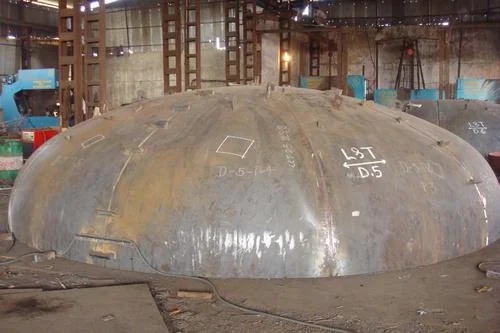
Industrial Pressure Vessels For Chemical Oil Gas Pharmaceutical
Industrial Spheres High Pressure 140mm Wall Thickness
Industrial High Pressure Thick Vessels For Chemical Oil Gas
Faridabad Steel Mongers Pvt Ltd
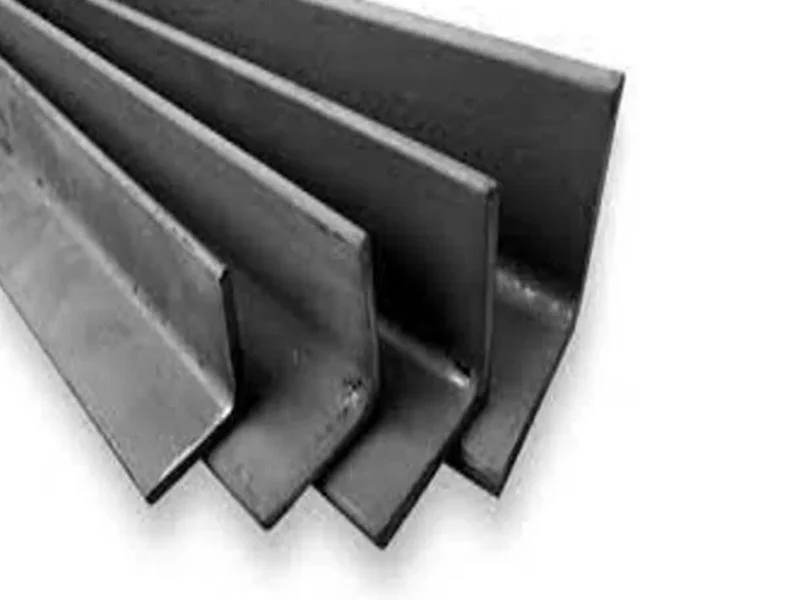
Industrial Steel Sheets And Plates For Construction And Manufacturing
Industrial Hot Rolled Steel Sheets For Construction And Fabrication
Industrial SAIL HSM Plates High Strength Corrosion Resistant
Burhani Acrylics
Premium Acrylic Sheets High Clarity Impact Resistant UV Stable
Premium Acrylic Mirror Sheets: Shatterproof Clarity For Retail Displays
Premium Acrylic Pipes High Clarity Durability Chemical Resistance
Aqua Underwater Engineering
Maritime Underwater Salvage Services For Vessel Recovery And Repairs
Professional Underwater Grouting Services For Marine Construction
Professional Underwater Maintenance Services For Marine Infrastructure
Approcopp Engineering Private Limited
Industrial HVAC Refrigeration Automotive Small U Bends CNC Precision
Heavy Duty Big Tube Bending Machine For Industrial Fabrication
Refrigeration HVAC Mufflers Dryers High Quality Steel Copper Alloys
Marktech Laser Marking
Laser Powder Coating Services Durable Eco Friendly Finishes
Industrial Laser Cutting And Bending Services For Precision Components
Laser Marking And Engraving Services For Metals And Plastics
J J Electrofab (India) Pvt Ltd
Professional CNC Punching Service For Precision Metal Fabrication
Precision Sheet Metal Fabrication CNC Punching Bending Powder Coating
Industrial Sheet Metal Fabrication Services For Durable Components
Precicut Laser
220 Ton 9 Axis CNC Bending Machine for Precision Metal Forming
Industrial Laser Cutting Services 4000W 4050x2030mm 20m/min
Industrial Sheet Metal Cutting Service 4000W CNC 4050x2030mm 20m/min
Abratech
Industrial Stone Grinding Wheels For Heavy Duty Applications
Industrial Aluminum Oxide Grinding Wheels For Metalworking
Industrial Grinding Depressed Center Wheels Reinforced Glass Fiber
Why Businesses Trust Pepagora
Thousands of companies trust Pepagora to source smarter and sell faster
Expand Your Sales Globally
25000+Products listed.Get discovered by global buyers
Tools to boost visibility
Build your own catalog

Source Smarter,Grow Faster
4000+Active RFQs
100+ Countries served
Easy Sourcing Tools
