
 IN
INundefined
Stainless Steel Rods & Sheets
32 products available
𝗪𝗵𝗮𝘁 𝗮𝗿𝗲 𝗦𝘁𝗮𝗶𝗻𝗹𝗲𝘀𝘀 𝗦𝘁𝗲𝗲𝗹 𝗥𝗼𝗱𝘀 & 𝗦𝗵𝗲𝗲𝘁𝘀?
Stainless steel rods and sheets are essential materials in various industrial applications. Stainless steel is an alloy composed primarily of iron, chromium, and other elements that enhance its corrosion resistance, strength, and durability. Rods are typically available in various diameters and lengths, while sheets are produced in various thicknesses and widths. These products are commonly fabricated through processes such as rolling, forging, and machining to meet specific industry requirements.
Stainless steel rods and sheets are widely utilized across numerous sectors, including construction, automotive, aerospace, and manufacturing. They are used for structural components, machinery parts, and various equipment that require high strength and resistance to corrosion. The versatility of stainless steel makes it a preferred choice for applications that demand both aesthetic appeal and functional performance. The growing demand for stainless steel in emerging markets has further solidified its relevance in the global industrial landscape.
𝗞𝗲𝘆 𝗙𝗲𝗮𝘁𝘂𝗿𝗲𝘀 𝗮𝗻𝗱 𝗦𝗽𝗲𝗰𝗶𝗳𝗶𝗰𝗮𝘁𝗶𝗼𝗻𝘀
Stainless steel rods and sheets offer several key features that make them suitable for diverse applications. These features include excellent corrosion resistance, high strength-to-weight ratio, and good weldability. They are also known for their aesthetic finish, which can enhance the overall appearance of products.
Key specifications include:
1. Material Grade
- Common grades include 304, 316, and 410.
- Each grade has unique properties suitable for different environments.
2. Diameter and Thickness
- Rods typically range from 1/8 inch to several inches in diameter.
- Sheets vary in thickness from 0.010 inches to several inches, depending on application needs.
3. Length and Width
- Standard rod lengths can range from 12 inches to 20 feet.
- Sheet widths commonly range from 24 inches to 60 inches.
4. Finish
- Available finishes include polished, brushed, and matte.
- The finish can affect both appearance and corrosion resistance.
5. Mechanical Properties
- Yield strength, tensile strength, and elongation vary by grade.
- Properties are crucial for determining suitability for specific applications.
6. Compliance Standards
- Products often comply with international standards such as ASTM and EN.
- Compliance ensures quality and performance reliability.
7. Corrosion Resistance
- Varies significantly with the grade and environment.
- Higher chromium content generally offers better resistance.
8. Formability
- Stainless steel can be easily formed into various shapes.
- Important for applications requiring complex geometries.
In summary, the features and specifications of stainless steel rods and sheets contribute significantly to their functionality and performance across various industries.
𝗖𝗼𝗺𝗺𝗼𝗻 𝗔𝗽𝗽𝗹𝗶𝗰𝗮𝘁𝗶𝗼𝗻𝘀 𝗮𝗻𝗱 𝗨𝘀𝗲 𝗖𝗮𝘀𝗲𝘀
Stainless steel rods and sheets find application in several industries due to their unique properties.
1. Construction: Used in structural applications such as beams, columns, and reinforcement bars, providing strength and durability in buildings.
2. Automotive: Commonly used for manufacturing components like exhaust systems, frames, and body panels that require corrosion resistance and strength.
3. Aerospace: Essential in aircraft components, including fuselage and engine parts, where weight reduction and performance are critical.
4. Food Processing: Utilized in equipment for food handling and storage, ensuring hygiene and resistance to corrosion from cleaning agents.
5. Pharmaceutical: Employed in the manufacturing of equipment and containers that meet stringent cleanliness and corrosion resistance standards.
6. Marine: Used in boat fittings and components that require exceptional resistance to saltwater corrosion.
7. Oil and Gas: Critical for pipeline construction and machinery that operates in harsh environments.
𝗣𝗿𝗼𝗱𝘂𝗰𝘁 𝗩𝗮𝗿𝗶𝗮𝗻𝘁𝘀 𝗮𝗻𝗱 𝗦𝘂𝗯𝗰𝗮𝘁𝗲𝗴𝗼𝗿𝗶𝗲𝘀
Stainless steel rods and sheets come in various forms to cater to specific needs in different applications.
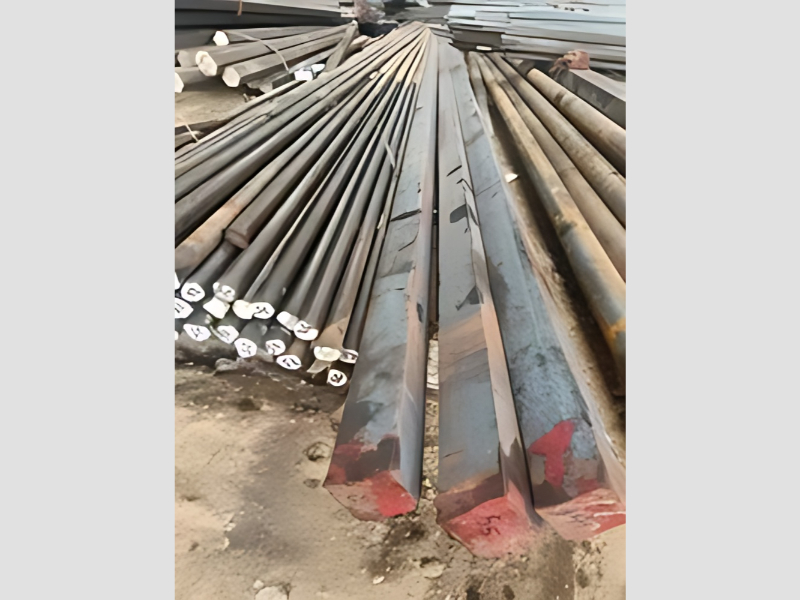
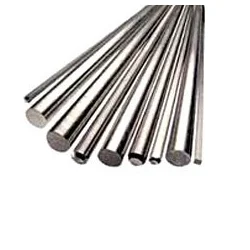
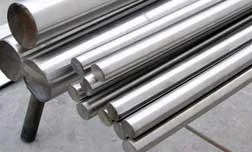
Round Rods: These rods are commonly used in manufacturing and construction. They offer high tensile strength and can be easily machined for various applications.
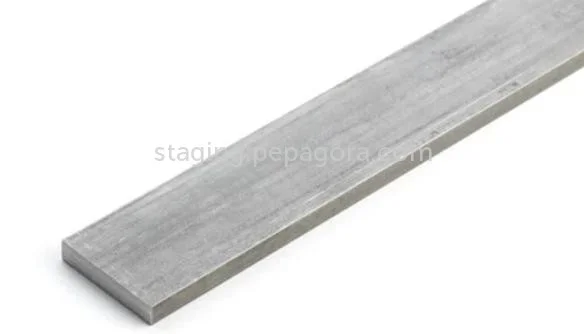
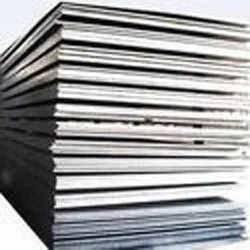
Flat Sheets: Flat sheets provide versatility for fabrication and construction. They can be cut, shaped, or welded, making them ideal for a wide range of uses, from structural components to decorative finishes.
Square Bars: Square bars are often used for fabrication and construction, providing structural integrity and ease of handling.
𝗕𝗲𝗻𝗲𝗳𝗶𝘁𝘀 𝗮𝗻𝗱 𝗔𝗱𝘃𝗮𝗻𝘁𝗮𝗴𝗲𝘀
Stainless steel rods and sheets offer numerous advantages that make them a preferred choice in many industries.
1. Durability: They resist wear and tear over time, making them ideal for heavy-duty applications.
2. Corrosion Resistance: Stainless steel's inherent properties protect against rust and corrosion, extending the lifespan of products.
3. Low Maintenance: Their durability and resistance to corrosion lead to reduced maintenance costs.
4. Aesthetic Appeal: Stainless steel has an attractive finish that enhances the visual appeal of products.
5. Recyclability: Stainless steel is fully recyclable, contributing to environmental sustainability.
6. High Strength: They provide excellent strength-to-weight ratios, making them suitable for both lightweight and heavy-duty applications.
𝗕𝘂𝘆𝗶𝗻𝗴 𝗚𝘂𝗶𝗱𝗲 𝗳𝗼𝗿 𝗕𝟮𝗕 𝗕𝘂𝘆𝗲𝗿𝘀
When sourcing stainless steel rods and sheets, B2B buyers should consider several key factors.
1. Quality Assessment: Evaluate the quality by reviewing certifications and testing reports. Ensure that the materials meet relevant industry standards.
2. Supplier Verification: Vet suppliers by checking their reputation, history, and compliance with industry standards. Reliable suppliers provide assurance of product quality.
3. Pricing and MOQ: Understand the pricing structure and minimum order quantity (MOQ) requirements from suppliers. This helps in budgeting and planning procurement.
4. Delivery and Lead Times: Discuss logistics with suppliers to ensure timely delivery. Assess lead times to meet project schedules.
5. Compliance Requirements: Verify that products comply with local and international regulations, ensuring safety and performance standards are met.
𝗖𝗼𝗺𝗽𝗹𝗶𝗮𝗻𝗰𝗲 𝗮𝗻𝗱 𝗖𝗲𝗿𝘁𝗶𝗳𝗶𝗰𝗮𝘁𝗶𝗼𝗻𝘀
Stainless steel rods and sheets must adhere to various quality standards to ensure they meet industry requirements. Relevant standards include ISO 9001, which focuses on quality management systems, and CE marking, which indicates compliance with European safety standards.
Additionally, testing requirements often include ensuring the material's mechanical properties and corrosion resistance are up to standard. Regional compliance considerations may vary, emphasizing the importance of understanding local regulations, especially in industries such as food processing and pharmaceuticals.
𝗪𝗵𝘆 𝗦𝗼𝘂𝗿𝗰𝗲 𝗦𝘁𝗮𝗶𝗻𝗹𝗲𝘀𝘀 𝗦𝘁𝗲𝗲𝗹 𝗥𝗼𝗱𝘀 & 𝗦𝗵𝗲𝗲𝘁𝘀 𝗳𝗿𝗼𝗺 𝗣𝗲𝗽𝗮𝗴𝗼𝗿𝗮?
Pepagora offers a trusted platform for sourcing stainless steel rods and sheets, providing several key advantages.
Verified Supplier Network: The platform connects buyers with verified suppliers, ensuring reliability and quality. This verification process reduces the risk associated with procurement.
Streamlined RFQ Process: Pepagora features a simplified Request for Quotation (RFQ) system, making it easier for buyers to request and compare quotes from multiple suppliers efficiently.
Trade Assurance and Support: Buyers benefit from trade assurance policies that protect their purchases. Support is available to assist with any issues that arise during the procurement process.
Regional Coverage: Pepagora's extensive network spans across India, the Gulf Cooperation Council (GCC), and Southeast Asia. This geographic reach enables buyers to access quality materials from reputable suppliers in various regions, ensuring timely delivery and compliance with local standards.
Newly Added












Recently Added
Alloy Steel Corporation
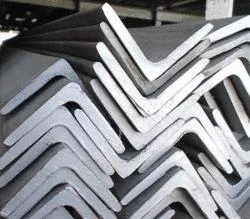
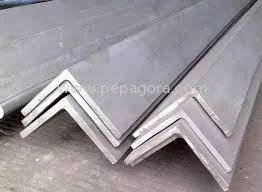
Stainless Steel Angle Bars for Structural Fabrication and Construction
Industrial Carbon Steel Round Bars High Tensile Strength Corrosion Resistant
Industrial High Quality Round Bars Durable Precision Engineered
Asiad Steel Industries
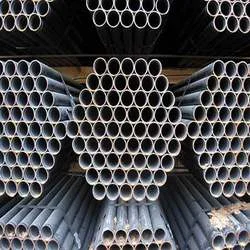
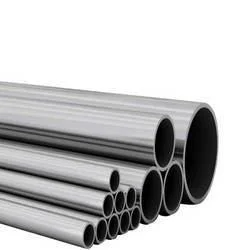
Industrial Stainless Steel Pipes Durable Corrosion Resistant
Industrial Stainless Steel Nut Bolts High Tensile Strength Corrosion Resistant
Industrial Stainless Steel Wire Ropes For Lifting And Construction
Yes Plastware
Premium Corrugated Cardboard Boxes For Secure Shipping And Storage
Premium Corrugated Boxes For Secure Shipping And Storage
Premium Corrugated Cardboard Boxes For Shipping And Storage
Aman India
Medical Sharp Point Chest Drainage Trocars For Pleural Procedures
Surgical Medical Stainless Steel Trocars Threaded Barbed Connectors
Medical Thoracic Trocars For Chest Drainage And Emergency Care
Ishwar Chand Steel Co
Industrial Stainless Steel Pipes High Corrosion Resistance Durable
Industrial Stainless Steel Sheets 304 316 310 202 204 Grades
Premium Commercial Dust Bins for Hospitals, Hotels, and Offices
Vishwas Steel Works
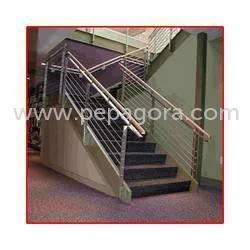
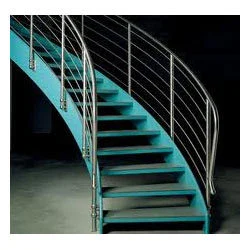
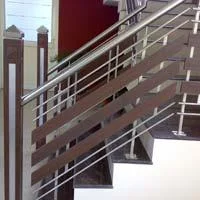
Premium Designer Staircase Railings Stainless Steel Anti Corrosive
Outdoor Spiral Staircase Railings Durable Corrosion Resistant
Premium Stainless Steel Railing Staircases Rust Resistant
Padmavati Steel
Industrial Tooling HCHCR D2 Steel For Wear Resistance And Precision
Industrial Aluminum Brass Copper Gunmetal Sheets Rolls Alloys
Industrial Die Steel Premium Strength Corrosion Resistant Forging
Wilson Steel Suppliers
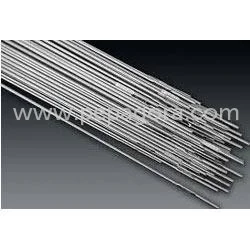
Industrial Stainless Steel Wire High Strength Corrosion Resistant
Wilson Steels ASTM ASME Stainless Steel Channel 304L 316 321
Wilson Steels ASTM ISO 300 Series Stainless Steel ERW Pipes
A. A. Engineering
Industrial Abrasion Resistant Stainless Steel Sheets Durable
High Tensile Stainless Steel Sheets For Industrial Construction
Industrial Storage Plain Trays Durable Organization Solutions
Aaradhna Fabrication
Premium Brass Staircase Railings Durable Corrosion Resistant Safety
Industrial Safety Mild Steel Railings Durable Corrosion Resistant
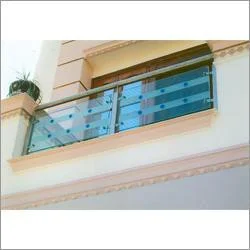
Commercial And Residential Stainless Steel Railings Durable Rust Free
Why Businesses Trust Pepagora
Thousands of companies trust Pepagora to source smarter and sell faster
Expand Your Sales Globally
25000+Products listed.Get discovered by global buyers
Tools to boost visibility
Build your own catalog

Source Smarter,Grow Faster
4000+Active RFQs
100+ Countries served
Easy Sourcing Tools
