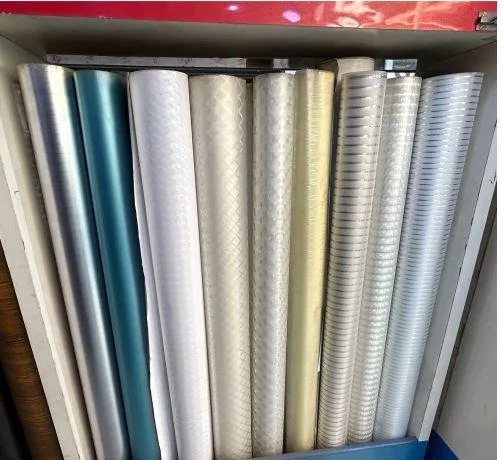
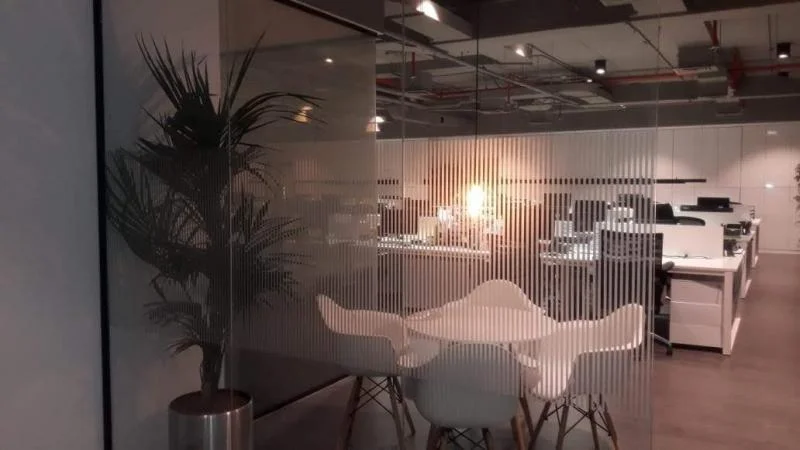
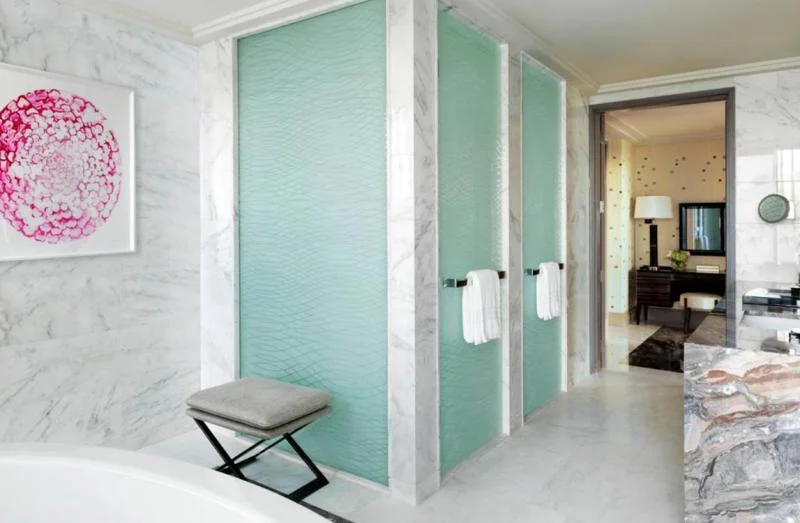
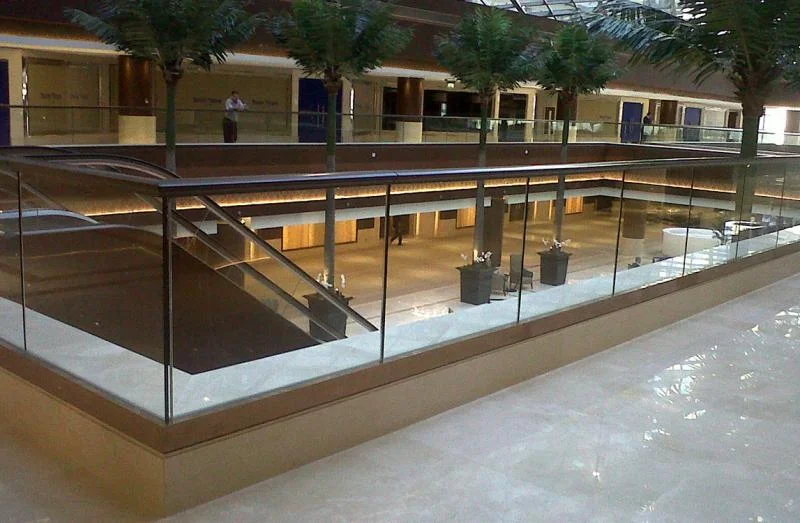
𝗪𝗵𝗮𝘁 𝗮𝗿𝗲 𝗚𝗹𝗮𝘀𝘀 & 𝗚𝗹𝗮𝘇𝗶𝗻𝗴 𝗠𝗮𝘁𝗲𝗿𝗶𝗮𝗹𝘀?
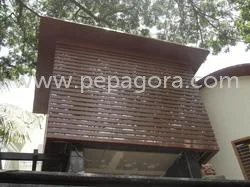
Glass and glazing materials refer to the various types of glass products and systems used primarily in construction and architectural applications. These materials can include flat glass, laminated glass, insulated glass units, and specialty glass products designed for specific performance characteristics. Glazing materials serve both aesthetic and functional purposes, allowing for natural light entry while providing insulation, safety, and protection against the elements.
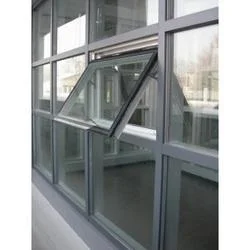
The primary uses of glass and glazing materials span across several sectors including residential, commercial, and industrial construction. They are commonly used in windows, doors, facades, skylights, and curtain walls. In addition to their structural roles, these materials are essential in enhancing energy efficiency and contributing to the overall design aesthetic of buildings. The demand for energy-efficient glazing solutions is increasing, reflecting a growing emphasis on sustainability in the construction industry.
In the current market context, glass and glazing materials are integral to building design innovations and advancements in energy-efficient technologies. As urbanization continues to rise, the construction industry increasingly relies on these materials to meet both functional requirements and aesthetic expectations. Additionally, the evolution of smart glass technologies presents new opportunities for businesses in the sector.
𝗞𝗲𝘆 𝗙𝗲𝗮𝘁𝘂𝗿𝗲𝘀 𝗮𝗻𝗱 𝗦𝗽𝗲𝗰𝗶𝗳𝗶𝗰𝗮𝘁𝗶𝗼𝗻𝘀
Glass and glazing materials boast a range of features and specifications that cater to diverse applications. These specifications are essential for ensuring performance, safety, and compliance with industry standards.
Key specifications include:
1. Glass Type
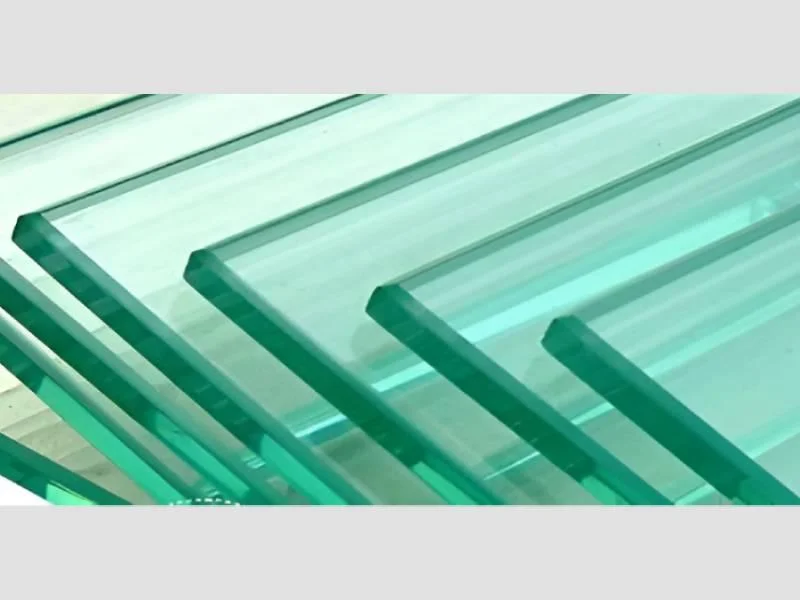
- Options include float glass, tempered glass, laminated glass, and low-emissivity glass.
- Each type has distinct properties such as strength, safety, and thermal performance.
2. Thickness
- Glass thickness typically ranges from 3mm to 19mm depending on application.
- Thicker glass provides better durability and insulation.
3. Insulation Properties
- Insulating glass units (IGUs) can achieve U-values as low as 0.1 W/m²K.
- Enhanced insulation helps reduce energy costs.
4. Solar Control
- Solar control glass can reduce solar heat gain by up to 60%.
- Ideal for buildings in hot climates to maintain indoor comfort.
5. Safety Standards
- Compliance with safety standards such as ANSI Z97.1 and CPSC 16 CFR 1201.
- Ensures glass products are safe for use in various environments.
6. Coating Options
- Low-E coatings enhance energy efficiency by reflecting heat.
- Other coatings can provide glare reduction and UV protection.
7. Customization
- Glass can be customized in terms of shape, size, and finish.
- Tailored solutions meet specific project requirements.
8. Certifications
- Many products hold certifications like CE marking for compliance with European standards.
- Certification ensures quality and reliability in performance.
These specifications help buyers make informed decisions based on their project needs and regulatory requirements.
𝗖𝗼𝗺𝗺𝗼𝗻 𝗔𝗽𝗽𝗹𝗶𝗰𝗮𝘁𝗶𝗼𝗻𝘀 𝗮𝗻𝗱 𝗨𝘀𝗲 𝗖𝗮𝘀𝗲𝘀
Glass and glazing materials are versatile and find applications across multiple industries.
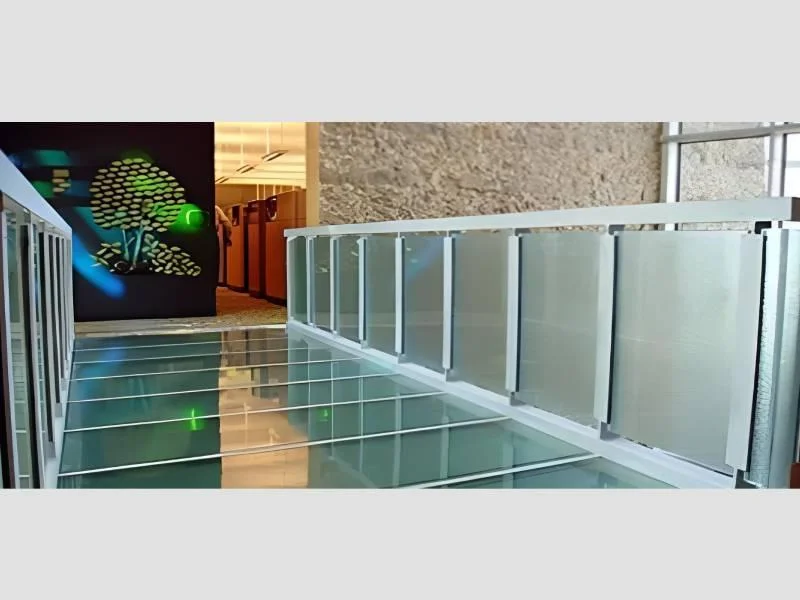
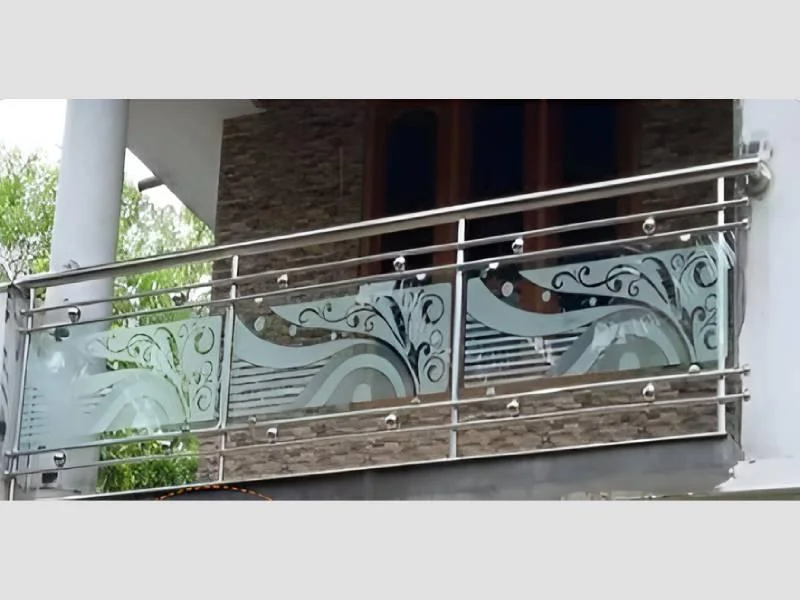
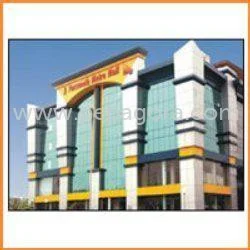
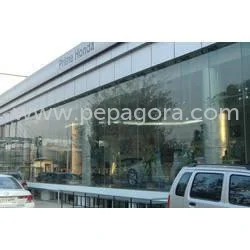
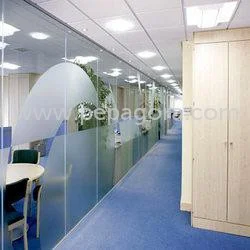
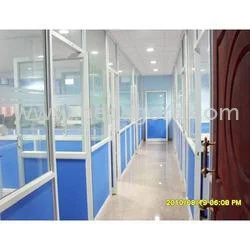
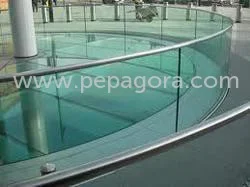
1. Architecture and Construction: Glass is extensively used in residential and commercial buildings for windows, facades, and interior partitions, enhancing aesthetics and functionality.
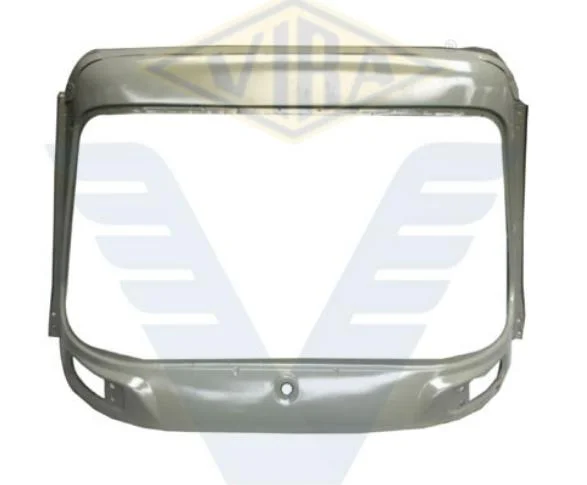
2. Automotive: Laminated and tempered glass is essential in vehicle manufacturing, providing safety, visibility, and structural integrity.
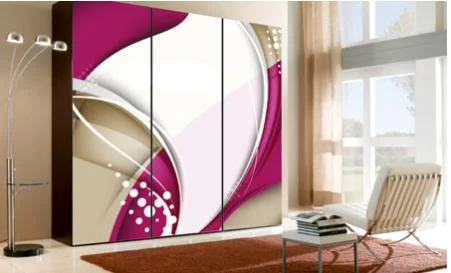
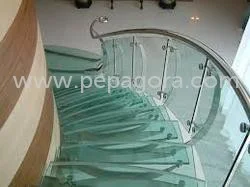
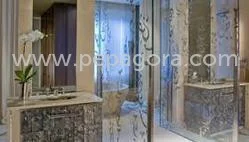
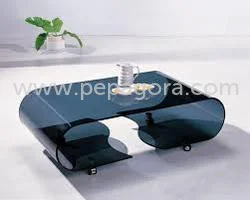
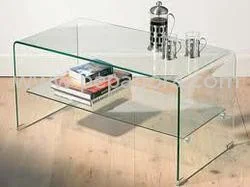
3. Interior Design: Glass is employed in furniture, decorative elements, and partition systems, allowing for creative and modern design solutions.
4. Retail: Storefronts and display cases use glass to attract customers and showcase products effectively.
5. Greenhouses and Horticulture: Specialized glazing materials optimize light transmission and thermal control for plant growth.
6. Aerospace: Glass components are critical for cockpit displays and passenger windows, balancing safety and weight requirements.
7. Healthcare: Glass is used in medical equipment and facilities to ensure hygiene and visibility while meeting strict safety standards.
These diverse applications highlight the importance of glass and glazing materials in various sectors.
𝗣𝗿𝗼𝗱𝘂𝗰𝘁 𝗩𝗮𝗿𝗶𝗮𝗻𝘁𝘀 𝗮𝗻𝗱 𝗦𝘂𝗯𝗰𝗮𝘁𝗲𝗴𝗼𝗿𝗶𝗲𝘀
The diversity of glass and glazing materials allows for several product variants tailored to specific applications.
Clear Glass: This standard glass provides optimal clarity and light transmission, commonly used in windows and display cases.
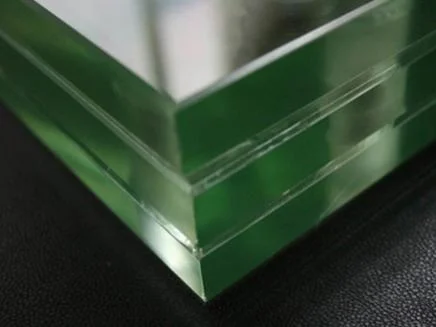
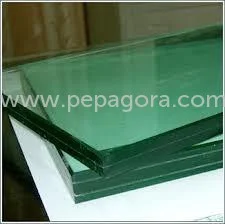
Laminated Glass: Composed of two or more glass layers bonded with a plastic interlayer, laminated glass enhances safety and security, making it ideal for high-risk areas.
Tempered Glass: This heat-treated glass is known for its strength and thermal resistance, commonly used in shower doors and glass facades.
Low-E Glass: Specially coated to reflect heat, low-emissivity glass improves energy efficiency and is widely used in commercial buildings.
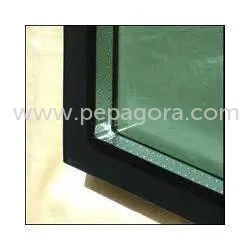
Insulated Glass Units: These units consist of two or more glass panes separated by an air space, providing superior thermal performance for residential and commercial applications.
𝗕𝗲𝗻𝗲𝗳𝗶𝘁𝘀 𝗮𝗻𝗱 𝗔𝗱𝘃𝗮𝗻𝘁𝗮𝗴𝗲𝘀
The use of glass and glazing materials offers numerous benefits to businesses and consumers alike.
1. Energy Efficiency: Advanced glazing technologies reduce energy consumption by improving insulation and minimizing heating and cooling costs.
2. Aesthetic Appeal: Glass allows for sleek, modern designs that enhance the visual appeal of buildings and interiors.
3. Natural Light: The transparency of glass maximizes natural light, improving occupant comfort and reducing reliance on artificial lighting.
4. Safety and Security: Laminated and tempered glass provide enhanced safety features, protecting occupants from breakage and accidents.
5. Versatile Applications: Glass and glazing materials can be tailored to fit various architectural styles and functional requirements.
6. Environmental Impact: Sustainable glazing options contribute to greener building practices and lower carbon footprints.
𝗕𝘂𝘆𝗶𝗻𝗴 𝗚𝘂𝗶𝗱𝗲 𝗳𝗼𝗿 𝗕𝟮𝗕 𝗕𝘂𝘆𝗲𝗿𝘀
When sourcing glass and glazing materials, it is essential to consider several key factors to ensure the best purchase decision.
1. Quality Assessment: Evaluate materials based on durability, clarity, and compliance with relevant standards. Request samples to ensure the glass meets performance expectations.
2. Supplier Verification: Vet potential suppliers by checking references, certifications, and their track record in the industry. A reliable supplier ensures quality and timely delivery.
3. Pricing and MOQ: Understand pricing structures and minimum order quantities. Compare quotes from different suppliers to find competitive pricing without compromising quality.
4. Delivery and Lead Times: Discuss logistics and lead times with suppliers to ensure timely project completion. Consider potential delays in production or shipping.
5. Compliance Requirements: Familiarize yourself with local and international regulatory standards that apply to glass and glazing materials to ensure compliance.
𝗖𝗼𝗺𝗽𝗹𝗶𝗮𝗻𝗰𝗲 𝗮𝗻𝗱 𝗖𝗲𝗿𝘁𝗶𝗳𝗶𝗰𝗮𝘁𝗶𝗼𝗻𝘀
Glass and glazing materials must adhere to various quality standards and certifications to ensure safety and performance. ISO 9001 is a widely recognized standard that sets criteria for quality management systems, ensuring consistent product quality.
Industry certifications such as CE marking demonstrate compliance with European safety and environmental requirements. These certifications are crucial for businesses looking to operate in regulated markets.
Safety and testing requirements also play a significant role in the glass and glazing industry. Products must undergo rigorous testing to meet standards for impact resistance, thermal performance, and durability. Additionally, regional compliance considerations may vary, requiring businesses to stay informed about local regulations.
𝗪𝗵𝘆 𝗦𝗼𝘂𝗿𝗰𝗲 𝗚𝗹𝗮𝘀𝘀 & 𝗚𝗹𝗮𝘇𝗶𝗻𝗴 𝗠𝗮𝘁𝗲𝗿𝗶𝗮𝗹𝘀 𝗳𝗿𝗼𝗺 𝗣𝗲𝗽𝗮𝗴𝗼𝗿𝗮?
Pepagora provides an efficient and reliable platform for sourcing glass and glazing materials, offering several advantages to B2B buyers.
Verified Supplier Network: Pepagora connects buyers with a network of verified suppliers, ensuring quality and reliability. Each supplier undergoes a rigorous vetting process to maintain high standards.
Streamlined RFQ Process: The platform features a simplified request for quotation (RFQ) system that allows buyers to easily request and compare quotes from multiple suppliers, saving time and effort.
Trade Assurance and Support: Pepagora offers trade assurance programs that protect buyers throughout their purchasing journey. This support helps ensure that transactions are secure and satisfactory.
Regional Coverage: With a strong presence in India, the GCC, and Southeast Asia, Pepagora facilitates access to a wide range of glass and glazing materials tailored to specific regional requirements.
By choosing Pepagora, businesses can confidently source the glass and glazing materials they need while benefiting from a supportive network and streamlined processes.

 IN
IN