
 IN
INundefined
Glass Railings & Balustrades
26 products available
𝗪𝗵𝗮𝘁 𝗮𝗿𝗲 𝗚𝗹𝗮𝘀𝘀 𝗥𝗮𝗶𝗹𝗶𝗻𝗴𝘀 & 𝗕𝗮𝗹𝘂𝘀𝘁𝗿𝗮𝗱𝗲𝘀?
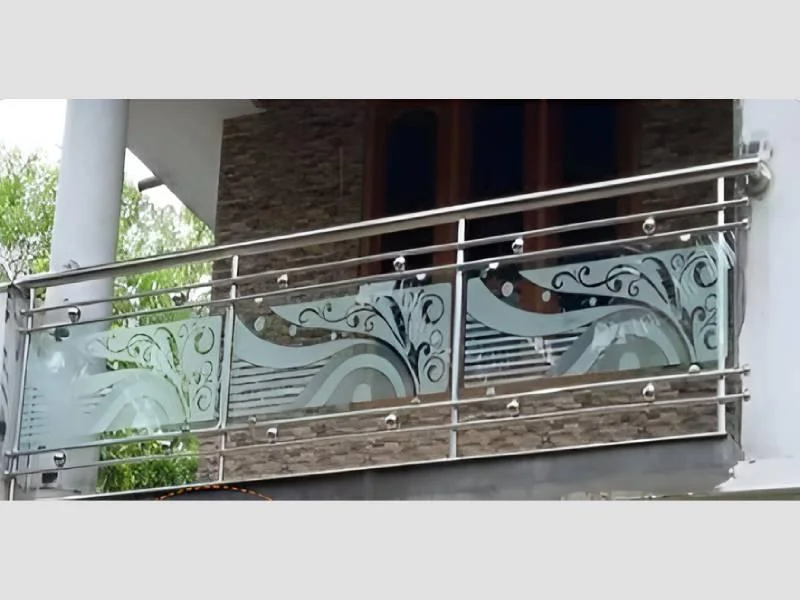
Glass railings and balustrades are architectural features designed to provide safety and aesthetic appeal. Made primarily from tempered or laminated glass, these systems offer clear sightlines without obstructing views, making them ideal for both indoor and outdoor applications. The strength and durability of glass railings ensure they meet safety standards while enhancing the overall design of spaces.
These products are commonly used in residential, commercial, and industrial settings. Typical installations include balconies, staircases, and walkways where safety and visibility are paramount. The growing popularity of glass railings is driven by their ability to blend seamlessly with various design styles, from modern to traditional. As urban areas expand, the demand for stylish yet functional safety solutions continues to rise, making glass railings a relevant choice in the construction and design industries.
𝗞𝗲𝘆 𝗙𝗲𝗮𝘁𝘂𝗿𝗲𝘀 𝗮𝗻𝗱 𝗦𝗽𝗲𝗰𝗶𝗳𝗶𝗰𝗮𝘁𝗶𝗼𝗻𝘀
Glass railings and balustrades come with a variety of features and specifications that enhance their functionality and appeal. These specifications are critical for ensuring the products meet safety standards and perform well in various environments.
Key specifications include:
1. Material Quality
- Typically made from tempered or laminated glass
- Provides higher strength and impact resistance
2. Thickness Options
- Range from 10mm to 20mm based on application
- Thicker glass offers increased durability
3. Height Variations
- Standard heights from 900mm to 1200mm
- Compliance with local building codes is essential
4. Safety Standards
- Must comply with relevant safety regulations
- CE certification often required for European markets
5. Frame Options
- Available with or without framing
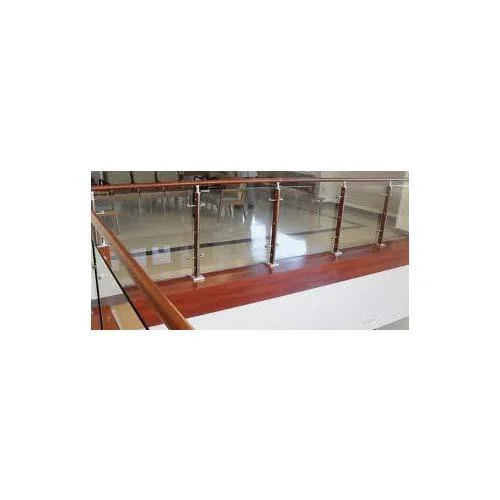
- Stainless steel or aluminum frames for structural support
6. Customization
- Options for frosted, clear, or tinted glass
- Custom shapes and sizes to fit specific design requirements
7. Installation Methods
- Can be surface-mounted or embedded
- Requires professional installation for optimal safety
8. Maintenance Requirements
- Generally low maintenance, requiring occasional cleaning
- Specific cleaning agents recommended to maintain clarity
In summary, the specifications of glass railings and balustrades play a crucial role in their performance and aesthetic appeal. Buyers should consider these features to ensure the selected products meet their project requirements.
𝗖𝗼𝗺𝗺𝗼𝗻 𝗔𝗽𝗽𝗹𝗶𝗰𝗮𝘁𝗶𝗼𝗻𝘀 𝗮𝗻𝗱 𝗨𝘀𝗲 𝗖𝗮𝘀𝗲𝘀
Glass railings and balustrades find application across various industries, highlighting their versatility and functional benefits.
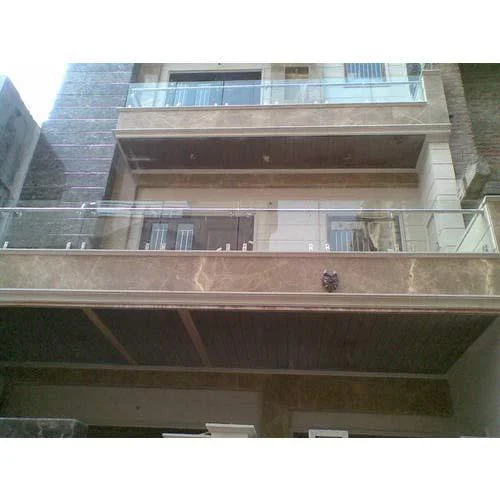
1. Residential Sector: Homeowners use glass railings for balconies and staircases to enhance safety without compromising aesthetics. They offer unobstructed views of outdoor spaces, contributing to a modern home design.
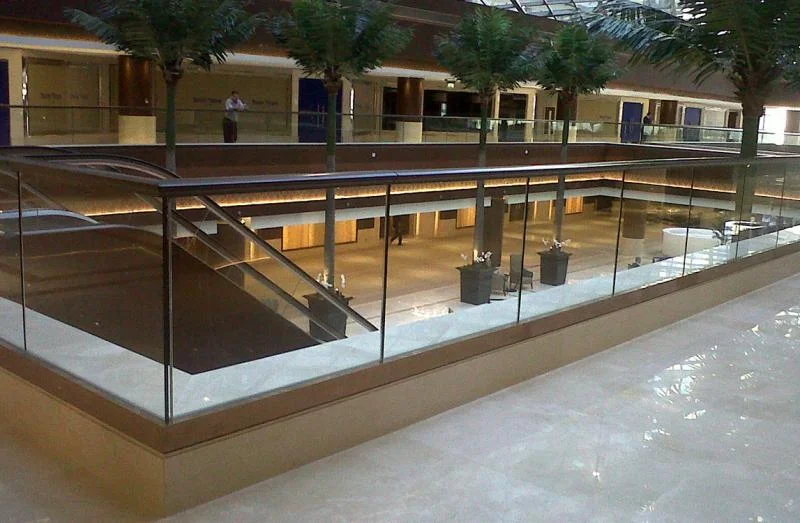
2. Commercial Buildings: Glass railings are utilized in office buildings and shopping centers to create an inviting atmosphere. They are often installed in atriums and on terraces, where visibility and openness are desired.
3. Hospitality Industry: Hotels and resorts incorporate glass railings around pools and terraces to provide safety while maintaining a luxurious look. This application enhances guest experience by allowing views of surrounding landscapes.
4. Public Spaces: Parks and recreational facilities use glass railings for walkways and viewing platforms. These installations ensure safety for visitors while blending into the natural environment.
5. Industrial Facilities: Glass railings are used in manufacturing plants and warehouses to create safe barriers without hindering visibility in critical areas, such as loading docks and observation areas.
6. Educational Institutions: Schools and universities implement glass railings in stairwells and auditoriums to promote safety among students while maintaining an open and airy feel in communal spaces.
7. Healthcare Facilities: Hospitals and clinics use glass railings in waiting areas and patient rooms, providing a modern and clean aesthetic while ensuring safety for visitors and staff.
𝗣𝗿𝗼𝗱𝘂𝗰𝘁 𝗩𝗮𝗿𝗶𝗮𝗻𝘁𝘀 𝗮𝗻𝗱 𝗦𝘂𝗯𝗰𝗮𝘁𝗲𝗴𝗼𝗿𝗶𝗲𝘀
The diversity of glass railings and balustrades allows for various design options to suit different needs and preferences.
𝗙𝗿𝗮𝗺𝗲𝗹𝗲𝘀𝘀 𝗚𝗹𝗮𝘀𝘀 𝗥𝗮𝗶𝗹𝗶𝗻𝗴𝘀
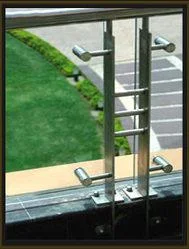
Frameless glass railings provide a sleek and modern look, featuring glass panels secured with minimal hardware. They are perfect for locations where unobstructed views are essential. The absence of a frame allows for maximum transparency and light, making them popular for balconies and terraces.
𝗦𝗲𝗺𝗶-𝗙𝗿𝗮𝗺𝗲𝗱 𝗚𝗹𝗮𝘀𝘀 𝗥𝗮𝗶𝗹𝗶𝗻𝗴𝘀
Semi-framed options combine the durability of a frame with the elegance of glass. These railings feature glass panels supported by metal frames, offering additional safety and support. This variant is ideal for commercial applications, where a balance of visibility and structural integrity is required.
𝗚𝗹𝗮𝘀𝘀 𝗕𝗮𝗹𝘂𝘀𝘁𝗿𝗮𝗱𝗲𝘀
Glass balustrades are similar to railings but are typically used in more enclosed areas, such as staircases and atriums. They can be customized with different glass types and finishes to enhance the overall design of the space. This variant is particularly popular in both residential and commercial settings.
𝗕𝗲𝗻𝗲𝗳𝗶𝘁𝘀 𝗮𝗻𝗱 𝗔𝗱𝘃𝗮𝗻𝘁𝗮𝗴𝗲𝘀
Choosing glass railings and balustrades brings several key benefits that enhance their appeal in various applications.
1. Aesthetic Appeal: Glass railings provide a modern and stylish look that complements any architectural design, enhancing the overall aesthetic of spaces.
2. Safety: Constructed from durable glass materials, these railings meet safety standards, providing secure barriers while maintaining transparency.
3. Versatility: Glass railings can be used in diverse environments, including residential, commercial, and public spaces, offering flexibility for different applications.
4. Low Maintenance: These systems typically require minimal upkeep, making them a convenient choice for busy environments.
5. Customization: Glass railings can be tailored to fit specific design requirements, including size, shape, and glass type, allowing for unique installations.
6. Increased Property Value: The elegant appearance and modern design of glass railings can enhance property value, making them an attractive investment for homeowners and developers alike.
𝗕𝘂𝘆𝗶𝗻𝗴 𝗚𝘂𝗶𝗱𝗲 𝗳𝗼𝗿 𝗕𝟮𝗕 𝗕𝘂𝘆𝗲𝗿𝘀
When sourcing glass railings and balustrades, several factors should be considered to ensure the best purchase decision.
1. Quality Assessment: Buyers should evaluate the quality of glass used, ensuring it meets safety standards and durability requirements. Look for products made from tempered or laminated glass for enhanced safety.
2. Supplier Verification: Vetting suppliers is crucial. Check for certifications, customer reviews, and their track record in delivering quality products on time.
3. Pricing and MOQ: Understand the pricing structure and minimum order quantities. Ensure the pricing aligns with your budget while reflecting the quality of the products.
4. Delivery and Lead Times: Discuss logistics and delivery timelines with suppliers. Timely delivery is essential for project schedules, so confirm lead times before finalizing orders.
5. Compliance Requirements: Ensure that the products comply with local regulations and industry standards. This may include safety certifications like CE, which is crucial for market acceptance.
𝗖𝗼𝗺𝗽𝗹𝗶𝗮𝗻𝗰𝗲 𝗮𝗻𝗱 𝗖𝗲𝗿𝘁𝗶𝗳𝗶𝗰𝗮𝘁𝗶𝗼𝗻𝘀
Glass railings and balustrades must adhere to various industry standards and regulations to ensure safety and quality. Relevant quality standards, such as ISO 9001, outline requirements for quality management systems, which suppliers should meet to maintain consistency in product quality.
Industry certifications, particularly the CE mark, indicate compliance with European standards. This certification ensures that products meet essential health, safety, and environmental protection requirements.
Safety and testing requirements are critical aspects of glass railing production. Products undergo rigorous testing to assess their strength, impact resistance, and overall performance. This testing verifies that the railings will perform as expected in real-world applications.
Regional compliance considerations should also be taken into account. Different regions may have specific regulations governing the use of glass railings, and suppliers must be familiar with these requirements to ensure compliance.
𝗪𝗵𝘆 𝗦𝗼𝘂𝗿𝗰𝗲 𝗚𝗹𝗮𝘀𝘀 𝗥𝗮𝗶𝗹𝗶𝗻𝗴𝘀 & 𝗕𝗮𝗹𝘂𝘀𝘁𝗿𝗮𝗱𝗲𝘀 𝗳𝗿𝗼𝗺 𝗣𝗲𝗽𝗮𝗴𝗼𝗿𝗮?
Pepagora offers a trusted platform for sourcing glass railings and balustrades, providing numerous advantages for buyers.
Verified Supplier Network: Pepagora connects buyers with verified suppliers, ensuring that only reputable manufacturers are listed. This verification process gives buyers confidence in the quality of products available on the platform.
Streamlined RFQ Process: The platform features a streamlined Request for Quotation (RFQ) process that simplifies the procurement of glass railings. Buyers can easily receive multiple quotes from different suppliers, enabling informed decision-making.
Trade Assurance and Support: Pepagora provides trade assurance, protecting buyers throughout the purchasing process. This support helps ensure that transactions are secure and that any issues are addressed promptly.
Regional Coverage: With a significant presence in regions such as India, the Gulf Cooperation Council (GCC), and Southeast Asia, Pepagora offers extensive geographic reach. This allows buyers to access a wide range of products and suppliers tailored to their regional market needs.
Newly Added




Recently Added
Bohra Fabrication
Premium Sheet Metal Tables For Commercial And Residential Use
Commercial Garden Furniture Premium Stainless Steel Brass Alloy
Premium Gates And Railings In Brass Stainless Steel Aluminum Glass
Chamunda Steel Furniture
Premium Stainless Steel Beds For Hospitals Hotels Institutions
Commercial Stainless Steel Stools For Kitchen Hospital Lab
Commercial Stainless Steel Windows Durable Corrosion Resistant
Aaradhna Fabrication
Premium Brass Staircase Railings Durable Corrosion Resistant Safety
Industrial Safety Mild Steel Railings Durable Corrosion Resistant
Commercial And Residential Stainless Steel Railings Durable Rust Free
Ashapuri Metal
Commercial Vehicle Stainless Steel Canopies Durable Weather Resistant
Commercial & Home Stainless Steel Kitchen Trolleys Durable Space Saving
Commercial Kitchen Trolleys For Food Service Efficiency And Durability
Aakar Glazing System
Construction Premium Aluminum Windows Durable Weather Resistant
Professional ACP Glass Glazing Service For Modern Architecture
Premium Aluminium Doors For Commercial And Institutional Buildings
Balaji Glass & Aluminum House
Premium Aluminum Partition Doors Durable Corrosion Resistant
Modern Office Aluminum Glass Partitions Durable Customizable
Premium Stainless Steel Hardware Fittings For Industrial Marine Construction
Vishwas Steel Works
Premium Designer Staircase Railings Stainless Steel Anti Corrosive
Outdoor Spiral Staircase Railings Durable Corrosion Resistant
Premium Stainless Steel Railing Staircases Rust Resistant
Manjit Steel Fabricators
Premium Square Balusters For Commercial And Residential Railings
Commercial Heavy Duty Balusters for Curved Spiral Staircases
Baluster Clamp Fasteners Stainless Steel Heavy Duty Wind Protection
Almaz
Premium OEM Neon Sign Boards For Hotels Restaurants Churches Malls
Premium ACP Cladding Sheets Durable Aluminium Composite Panels
Commercial Aluminum Doors Durable Corrosion Resistant Premium
Alufinns India Glass Fabricators
Architectural Aluminum Composite Panels For Durable Cladding
Modern Office Toughened Glass Partitions 10mm 12mm Frameless
Modern Frameless Glass Handrails With Stainless Steel Supports
Why Businesses Trust Pepagora
Thousands of companies trust Pepagora to source smarter and sell faster
Expand Your Sales Globally
25000+Products listed.Get discovered by global buyers
Tools to boost visibility
Build your own catalog

Source Smarter,Grow Faster
4000+Active RFQs
100+ Countries served
Easy Sourcing Tools
