
 IN
INundefined
Anti-Glare & UV Blocking Coatings
5 products available
𝗪𝗵𝗮𝘁 𝗮𝗿𝗲 𝗔𝗻𝘁𝗶-𝗚𝗹𝗮𝗿𝗲 & 𝗨𝗩 𝗕𝗹𝗼𝗰𝗸𝗶𝗻𝗴 𝗖𝗼𝗮𝘁𝗶𝗻𝗴𝘀?
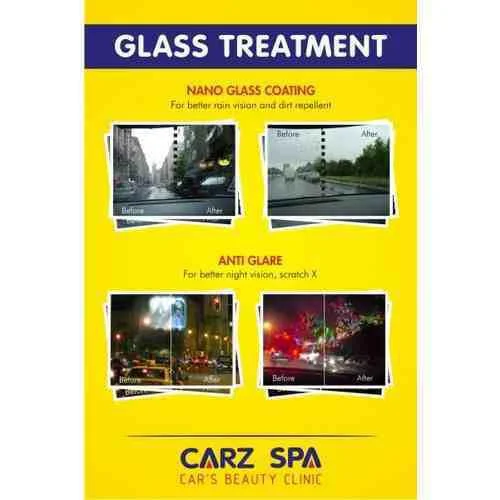
Anti-Glare and UV Blocking Coatings are specialized surface treatments designed to reduce glare and block harmful ultraviolet (UV) radiation. These coatings are typically applied to various substrates, including glass and plastic, to enhance visibility and protect users from the adverse effects of UV exposure. By diffusing light and minimizing reflections, these coatings provide a clearer and more comfortable view, making them essential in environments where glare can be a significant issue.
These coatings find applications across multiple sectors, including automotive, electronics, and architecture. In the automotive industry, for instance, they are utilized on windshields to improve driver visibility and safety. In electronics, screens of devices like smartphones and tablets often incorporate these coatings to enhance user experience. Furthermore, architectural glass treated with these coatings not only improves aesthetics but also contributes to energy efficiency by reducing heat gain from sunlight.
The relevance of Anti-Glare and UV Blocking Coatings is underscored by the increasing demand for protective features in products used daily. As awareness of UV exposure and glare-related issues grows, industries are investing in these coatings to improve product performance and user comfort. The market continues to evolve, with innovations aimed at enhancing the durability and effectiveness of these coatings.
𝗞𝗲𝘆 𝗙𝗲𝗮𝘁𝘂𝗿𝗲𝘀 𝗮𝗻𝗱 𝗦𝗽𝗲𝗰𝗶𝗳𝗶𝗰𝗮𝘁𝗶𝗼𝗻𝘀
Anti-Glare and UV Blocking Coatings come with a range of features and specifications that make them suitable for various applications. These specifications help users understand the performance and suitability of the coatings for specific needs.
Key specifications include:
1. Glare Reduction Efficiency
- Measures the ability of the coating to minimize reflections.
- Typically expressed as a percentage reduction in glare.
2. UV Protection Level
- Indicates the percentage of UV radiation blocked by the coating.
- Commonly ranges from 99% to 100% for effective protection.
3. Durability
- Refers to the coating's resistance to wear, scratching, and environmental factors.
- Often tested under specific conditions to ensure longevity.
4. Transparency
- Measures how clear the coated surface remains after application.
- High transparency is crucial for optical clarity.
5. Chemical Resistance
- Evaluates the coating's ability to withstand exposure to various chemicals.
- Important for applications in industrial settings.
6. Temperature Resistance
- Indicates the range of temperatures the coating can endure without degrading.
- Typically ranges from -20°C to 80°C.
7. Application Methods
- Specifies the techniques used for applying the coatings, such as spraying or dipping.
- Determines the ease of application in different manufacturing processes.
8. Compliance with Standards
- Refers to adherence to industry standards like CE certification for safety and quality.
- Ensures reliability and trustworthiness of the product.
In summary, these specifications play a crucial role in helping businesses choose the right Anti-Glare and UV Blocking Coatings for their specific applications, ensuring optimal performance and user satisfaction.
𝗖𝗼𝗺𝗺𝗼𝗻 𝗔𝗽𝗽𝗹𝗶𝗰𝗮𝘁𝗶𝗼𝗻𝘀 𝗮𝗻𝗱 𝗨𝘀𝗲 𝗖𝗮𝘀𝗲𝘀
Anti-Glare and UV Blocking Coatings serve a wide range of industries and applications, enhancing safety and comfort in various settings.
1. Automotive: These coatings are applied to windshields and windows to reduce glare from sunlight and improve visibility for drivers. They also protect passengers from harmful UV rays.
2. Electronics: In electronic devices like smartphones and tablets, Anti-Glare coatings reduce reflections on screens, improving user experience in bright environments. They also provide UV protection for sensitive components.
3. Architecture: Architectural glass treated with these coatings enhances energy efficiency by blocking UV rays and reducing heat gain. This contributes to a more comfortable indoor environment.
4. Healthcare: In medical devices and equipment, these coatings can improve visibility and reduce glare in clinical settings, ensuring accurate readings and better patient care.
5. Retail: Store displays often utilize Anti-Glare coatings to keep products visible without distracting reflections, enhancing the shopping experience for customers.
6. Photography: Lenses and filters with these coatings help photographers achieve better clarity and color accuracy by minimizing glare from natural and artificial light sources.
7. Sports Equipment: Anti-Glare coatings are used on visors and goggles to enhance visibility for athletes, allowing for better performance in outdoor sports.
𝗣𝗿𝗼𝗱𝘂𝗰𝘁 𝗩𝗮𝗿𝗶𝗮𝗻𝘁𝘀 𝗮𝗻𝗱 𝗦𝘂𝗯𝗰𝗮𝘁𝗲𝗴𝗼𝗿𝗶𝗲𝘀
Anti-Glare and UV Blocking Coatings come in various types to meet different needs across industries. Each variant is designed with specific features tailored to its application.
Standard Anti-Glare Coating
This variant is primarily used in electronic displays. It minimizes reflections while maintaining high transparency, making it ideal for devices exposed to direct light.
UV Blocking Coating
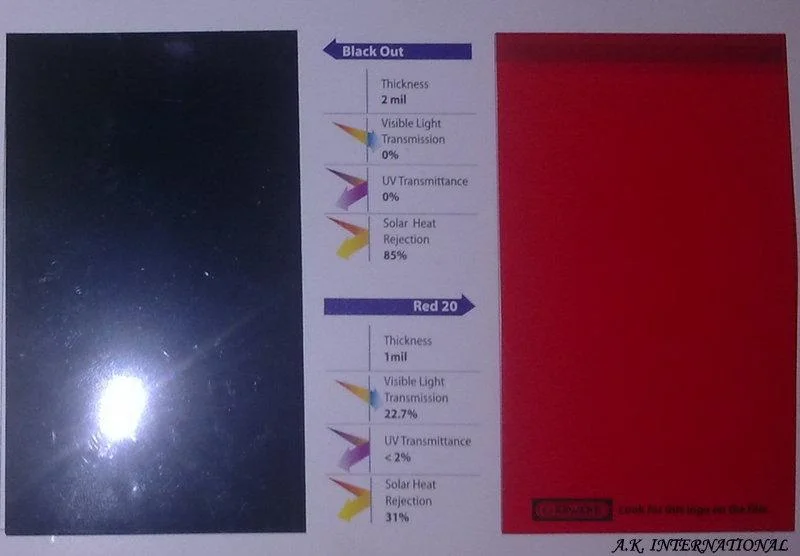
Focused on providing maximum UV protection, this variant is suitable for applications where exposure to sunlight is a concern. It is often used in architectural glass and automotive windows.
Hydrophobic Anti-Glare Coating
This variant combines anti-glare properties with water-repellent features. It is particularly useful in outdoor applications, ensuring that surfaces remain clear and easy to clean.
Scratch-Resistant Anti-Glare Coating
Designed for high-wear environments, this variant offers additional resistance to scratches while maintaining glare reduction. It is commonly used in industrial settings and on consumer electronics.
𝗕𝗲𝗻𝗲𝗳𝗶𝘁𝘀 𝗮𝗻𝗱 𝗔𝗱𝘃𝗮𝗻𝘁𝗮𝗴𝗲𝘀
Anti-Glare and UV Blocking Coatings offer numerous benefits that enhance product performance and user experience across various applications.
Key benefits include:
1. Improved Visibility: By reducing glare, these coatings enhance clarity and comfort, making it easier for users to see in bright conditions.
2. UV Protection: They effectively block harmful UV rays, protecting users from skin damage and prolonging the life of materials exposed to sunlight.
3. Enhanced User Experience: Applications in electronics and automotive industries lead to a more enjoyable and safer user experience.
4. Energy Efficiency: In architectural applications, these coatings help regulate indoor temperatures, reducing energy costs associated with heating and cooling.
5. Durability: Many coatings are designed to withstand harsh conditions, ensuring long-lasting performance and reducing the need for frequent replacements.
6. Versatility: These coatings can be applied to various substrates, making them suitable for a wide range of industries and applications.
𝗕𝘂𝘆𝗶𝗻𝗴 𝗚𝘂𝗶𝗱𝗲 𝗳𝗼𝗿 𝗕𝟮𝗕 𝗕𝘂𝘆𝗲𝗿𝘀
When sourcing Anti-Glare and UV Blocking Coatings, B2B buyers should consider several important factors to ensure they select the best product for their needs.
1. Quality Assessment: Evaluate the quality of coatings based on performance metrics such as glare reduction efficiency and UV protection levels. Seek products that have undergone rigorous testing.
2. Supplier Verification: Conduct thorough vetting of suppliers to ensure they are reputable and provide high-quality products. Look for customer reviews and industry certifications to confirm reliability.
3. Pricing and MOQ: Understand the cost implications and minimum order quantities (MOQ) set by suppliers. Compare prices across different vendors to ensure competitive pricing.
4. Delivery and Lead Times: Inquire about logistics and delivery times to ensure that suppliers can meet your project timelines without delays.
5. Compliance Requirements: Check for compliance with relevant industry standards and certifications. This ensures that the coatings meet safety and quality expectations for their intended applications.
𝗖𝗼𝗺𝗽𝗹𝗶𝗮𝗻𝗰𝗲 𝗮𝗻𝗱 𝗖𝗲𝗿𝘁𝗶𝗳𝗶𝗰𝗮𝘁𝗶𝗼𝗻𝘀
Compliance and certifications play a critical role in ensuring the quality and safety of Anti-Glare and UV Blocking Coatings.
Reputable coatings often adhere to recognized quality standards such as ISO 9001, ensuring consistent quality management practices. Additionally, certifications like CE indicate compliance with safety and performance requirements in Europe.
Safety and testing requirements are essential for verifying the effectiveness of coatings in blocking UV radiation and reducing glare. Manufacturers must conduct rigorous testing to validate these claims, providing buyers with assurance regarding product performance.
Regional compliance considerations may vary based on local regulations. It is crucial for buyers to be aware of these requirements to ensure that the coatings meet all legal and safety standards in their respective markets.
𝗪𝗵𝘆 𝗦𝗼𝘂𝗿𝗰𝗲 𝗔𝗻𝘁𝗶-𝗚𝗹𝗮𝗿𝗲 & 𝗨𝗩 𝗕𝗹𝗼𝗰𝗸𝗶𝗻𝗴 𝗖𝗼𝗮𝘁𝗶𝗻𝗴𝘀 𝗳𝗿𝗼𝗺 𝗣𝗲𝗽𝗮𝗴𝗼𝗿𝗮?
Pepagora provides a trusted platform for sourcing Anti-Glare and UV Blocking Coatings, offering numerous advantages that simplify the procurement process for businesses.
Verified Supplier Network: Pepagora connects buyers with a network of verified suppliers who are committed to quality and customer satisfaction. This reduces the risk associated with sourcing from unknown vendors.
Streamlined RFQ Process: The Request for Quotation (RFQ) process on Pepagora is designed to be user-friendly, allowing buyers to quickly obtain quotes from multiple suppliers. This efficiency helps in making informed purchasing decisions.
Trade Assurance and Support: Pepagora offers trade assurance, ensuring that buyers are protected throughout the purchasing process. Support services are also available to assist with any inquiries or issues that arise.
Regional Coverage: With a strong presence in India, the GCC, and Southeast Asia, Pepagora is well-positioned to serve businesses across these regions. This geographic reach allows for effective sourcing and distribution of Anti-Glare and UV Blocking Coatings tailored to local market needs.
Newly Added


Recently Added
Jai Graphics
Premium Signage Solutions For Business Branding And Identification
Digital Prints For Advertising And Branding With Vibrant Quality
Premium Glow Signage For High Visibility Branding
Visionex
Premium Grey Color Lenses For Eyewear Manufacturers
Industrial UV Resistant Lenses Premium Optical Safety Equipment
Medical Optical Anti Allergic Lenses For Sensitive Eyes Safety
Bansi Kitchenware & Household
Commercial Manual Rotary Egg Beater Stainless Steel Blades Nylon Gears
Commercial Orange Juicer Compact High Volume Durable For Juice Bars Hotels Cafes
Commercial Kitchen Premium D.M. Stainless Steel Vegetable Knives
A.K. International
Automotive OEM Standard Carpets Durable Fit Cars Trucks SUVs
Premium Wall To Wall Carpet Rolls And Tiles For Automotive And Commercial Flooring
Special Purpose Carpets: Durable Janamaz Rugs, Grass & Exhibition
Aarya Arts
Premium Canary Birds Natural Wall Stickers For Commercial And Residential Decor
AN 6 Garden Animal Ornaments Durable Weather Resistant Decor
Premium Autumn Leaves Branch Stickers Bulk Durable Decorative
DEEPAK CARZ SPA
Premium Car Seat Covers Durable Fabric Universal Fit
Automotive Industrial Anti Rust Wax Treatment For Unpainted Surfaces
Automotive Business Paint Correction Services For Premium Vehicle Detailing
Why Businesses Trust Pepagora
Thousands of companies trust Pepagora to source smarter and sell faster
Expand Your Sales Globally
25000+Products listed.Get discovered by global buyers
Tools to boost visibility
Build your own catalog

Source Smarter,Grow Faster
4000+Active RFQs
100+ Countries served
Easy Sourcing Tools
