
 IN
INundefined
Custom Glass Fabrication
30 products available
𝗪𝗵𝗮𝘁 𝗮𝗿𝗲 𝗖𝘂𝘀𝘁𝗼𝗺 𝗚𝗹𝗮𝘀𝘀 𝗙𝗮𝗯𝗿𝗶𝗰𝗮𝘁𝗶𝗼𝗻?
Custom glass fabrication refers to the process of designing, shaping, and finishing glass products to meet specific requirements of businesses and industries. This involves various techniques such as cutting, bending, polishing, and tempering glass to create items that are tailored to the client's specifications. Custom glass fabrication can accommodate both aesthetic and functional needs, making it an essential service in numerous sectors.
The primary uses of custom glass fabrication include architectural applications, interior design elements, and specialized industrial parts. Businesses often require custom glass for storefronts, partitions, doors, and windows. Additionally, custom glass solutions are used in manufacturing equipment, display cases, and even automotive applications. The versatility of custom glass makes it a valuable resource in industries such as construction, retail, healthcare, and automotive.
As industries continue to evolve, the demand for custom glass fabrication is expected to grow. Companies are increasingly seeking specialized glass solutions that enhance design and functionality. This trend highlights the importance of custom glass fabrication in meeting modern design and engineering challenges.
𝗞𝗲𝘆 𝗙𝗲𝗮𝘁𝘂𝗿𝗲𝘀 𝗮𝗻𝗱 𝗦𝗽𝗲𝗰𝗶𝗳𝗶𝗰𝗮𝘁𝗶𝗼𝗻𝘀
Custom glass fabrication offers a range of features that cater to diverse business needs. These features are vital for ensuring the final product meets the required standards of quality and performance.
Key specifications include:
1. Material Type
- Various glass types, such as tempered, laminated, and low-iron glass.
- Each type comes with unique properties and applications.
2. Thickness Options
- Available in a range from 1/8 inch to several inches.
- Thickness affects strength, insulation, and aesthetic appeal.
3. Surface Finishes
- Options include polished, frosted, or etched surfaces.
- Surface finishes enhance appearance and functionality.
4. Custom Shapes and Sizes
- Glass can be fabricated into unique shapes and dimensions.
- Customization allows for specific applications and installations.
5. Edge Treatments
- Different edge finishes such as flat, beveled, or polished.
- Edge treatments improve safety and aesthetics.
6. Color and Tinting Options
- Ability to add color or tint to glass for various effects.
- Color choices can enhance design and privacy.
7. Thermal Resistance
- Glass can be treated for higher thermal resistance.
- Important for applications in extreme temperature environments.
8. Safety Features
- Options for shatter-resistant or safety glass.
- Enhances safety in commercial and residential applications.
In summary, the specifications of custom glass fabrication are wide-ranging, providing businesses with tailored solutions that meet precise requirements.
𝗖𝗼𝗺𝗺𝗼𝗻 𝗔𝗽𝗽𝗹𝗶𝗰𝗮𝘁𝗶𝗼𝗻𝘀 𝗮𝗻𝗱 𝗨𝘀𝗲 𝗖𝗮𝘀𝗲𝘀
Custom glass fabrication serves various industries, providing tailored solutions for unique needs.
1. Construction: Custom glass is widely used in commercial and residential buildings for windows, doors, and facades, enhancing both aesthetics and energy efficiency.
2. Retail: Retail environments often utilize custom glass displays, shelving, and partitions to create an appealing shopping experience while showcasing products effectively.
3. Healthcare: In the healthcare sector, custom glass is used in laboratories, cleanrooms, and specialized medical equipment to ensure safety and compliance with health standards.
4. Automotive: Custom glass is essential for vehicle windshields, windows, and mirrors, providing safety and visibility while meeting regulatory standards.
5. Hospitality: Hotels and restaurants use custom glass in interior design elements, such as shower doors and decorative partitions, contributing to a modern and luxurious ambiance.
6. Aerospace: The aerospace industry requires precision-engineered glass for cockpit displays and sensors, ensuring durability and performance under demanding conditions.
7. Electronics: Custom glass components are critical in the electronics industry for screens and protective covers, offering clarity and durability.
𝗣𝗿𝗼𝗱𝘂𝗰𝘁 𝗩𝗮𝗿𝗶𝗮𝗻𝘁𝘀 𝗮𝗻𝗱 𝗦𝘂𝗯𝗰𝗮𝘁𝗲𝗴𝗼𝗿𝗶𝗲𝘀
Custom glass fabrication encompasses a variety of product types, each designed to meet specific demands.
Tempered Glass
Tempered glass is heat-treated to enhance its strength and thermal resistance. It is commonly used in applications where safety is a priority, such as in shower doors and glass railings.
Laminated Glass
Laminated glass consists of two or more layers of glass bonded together with an interlayer. This type of glass provides additional safety, sound insulation, and UV protection, making it ideal for skylights and sound barriers.
Insulated Glass
Insulated glass units contain multiple panes separated by a spacer filled with gas for improved thermal performance. This variant is commonly used in building windows to enhance energy efficiency.
Decorative Glass
Decorative glass can be customized with patterns, colors, or textures. It is often used in interior design, such as for partition walls, doors, and windows, adding aesthetic value to spaces.
𝗕𝗲𝗻𝗲𝗳𝗶𝘁𝘀 𝗮𝗻𝗱 𝗔𝗱𝘃𝗮𝗻𝘁𝗮𝗴𝗲𝘀
Custom glass fabrication provides several advantages for businesses looking for tailored solutions.
1. Tailored Solutions: Custom glass allows businesses to meet specific design and functional requirements, ensuring that products fit perfectly in their intended applications.
2. Enhanced Safety: Options such as tempered or laminated glass improve safety, reducing the risk of injury from breakage.
3. Energy Efficiency: Insulated glass can significantly improve energy efficiency in buildings, leading to lower heating and cooling costs.
4. Aesthetic Appeal: Custom glass solutions enhance the visual appeal of spaces, contributing to modern and elegant designs.
5. Durability: High-quality glass fabrication ensures long-lasting products that withstand environmental factors and wear.
6. Versatility: Custom glass can be used across various industries, making it a flexible solution for diverse business needs.
𝗕𝘂𝘆𝗶𝗻𝗴 𝗚𝘂𝗶𝗱𝗲 𝗳𝗼𝗿 𝗕𝟮𝗕 𝗕𝘂𝘆𝗲𝗿𝘀
When sourcing custom glass fabrication, it is essential for businesses to consider several key factors to ensure they make informed decisions.
1. Quality Assessment: Evaluate the quality of glass materials and fabrication processes. Look for certifications and standards that indicate a commitment to quality.
2. Supplier Verification: Conduct thorough research on potential suppliers. Check their reputation, experience, and past projects to ensure reliability and expertise.
3. Pricing and MOQ: Understand the pricing structure and minimum order quantities. This helps in budgeting and ensures that the supplier can meet your scale of production.
4. Delivery and Lead Times: Inquire about delivery schedules and lead times to ensure that the supplier can meet your project timelines.
5. Compliance Requirements: Ensure that the glass products comply with relevant industry regulations and standards. This is crucial for safety and legal compliance.
𝗖𝗼𝗺𝗽𝗹𝗶𝗮𝗻𝗰𝗲 𝗮𝗻𝗱 𝗖𝗲𝗿𝘁𝗶𝗳𝗶𝗰𝗮𝘁𝗶𝗼𝗻𝘀
Custom glass fabrication is subject to various quality standards and certifications that ensure safety and performance.
Relevant quality standards include ISO 9001, which outlines requirements for a quality management system. Compliance with these standards indicates that the manufacturer follows best practices in quality assurance.
In addition, industry certifications such as CE mark signify that the products meet European safety and performance requirements. This is particularly important for businesses operating in or exporting to Europe.
Safety and testing requirements are also critical in the glass fabrication industry. Products must undergo rigorous testing to ensure they meet safety standards, especially for applications in construction and automotive industries.
Furthermore, regional compliance considerations may vary. It is essential for businesses to be aware of local regulations that govern glass products in their specific locations.
𝗪𝗵𝘆 𝗦𝗼𝘂𝗿𝗰𝗲 𝗖𝘂𝘀𝘁𝗼𝗺 𝗚𝗹𝗮𝘀𝘀 𝗙𝗮𝗯𝗿𝗶𝗰𝗮𝘁𝗶𝗼𝗻 𝗳𝗿𝗼𝗺 𝗣𝗲𝗽𝗮𝗴𝗼𝗿𝗮?
Pepagora offers a trusted platform for sourcing custom glass fabrication, providing several key advantages for B2B buyers.
Verified Supplier Network: Pepagora maintains a network of verified suppliers, ensuring that businesses can find reliable partners with a proven track record in quality and service.
Streamlined RFQ Process: The platform features a user-friendly request for quotation (RFQ) system that simplifies the process of obtaining quotes from multiple suppliers. This allows buyers to compare options efficiently.
Trade Assurance and Support: Pepagora provides trade assurance, protecting buyers from potential risks associated with their transactions. This includes support throughout the sourcing process to ensure satisfaction.
Regional Coverage: Pepagora has extensive geographic reach, covering India, the GCC, and Southeast Asia. This allows businesses to connect with suppliers that meet their specific regional needs and preferences.
Newly Added






Recently Added
Balaji Traders
PCB Manufacturing Paper Based Copper Laminates Phenolic Kraft Punchable
Premium Composite Copper Clad Laminates For PCBs With Moisture Resistance
XPC Copper Clad Laminate For PCB High Frequency Applications
GARG PROCESS GLASS INDIA PVT LTD
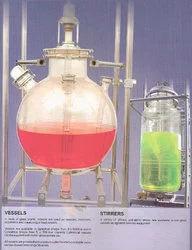
Industrial Glass Flask Receivers Spherical Cylindrical 5 500L
Premium Jacketed Flasks For Precise Temperature Control In Labs And Industry
Industrial Glass Vessels Spherical Cylindrical 5 500L
Aluminum Star
Modern Office Partitions Solid Glazed Frameless Soundproofing
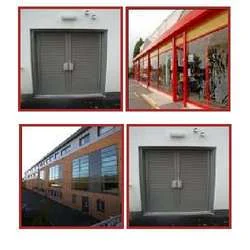
Premium Aluminium Grills And Wire Mesh Systems For Casement Doors And Partitions
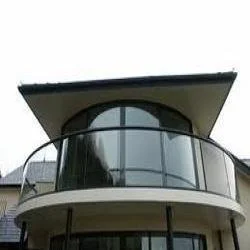
Premium Zenith Bent Glass For Durable Shop Fronts And Facades
Adinath Glass House
Premium Decorative Back Painted Glass For Modern Interiors
Commercial Industrial Laminated Glass Door Premium Fabric Safety Durable
Commercial Glass Railing Systems for Safety and Modern Aesthetics
Aditya Glass
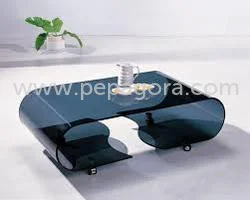
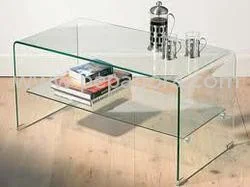
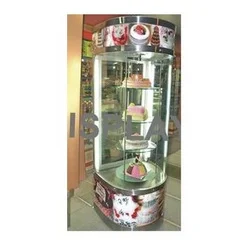
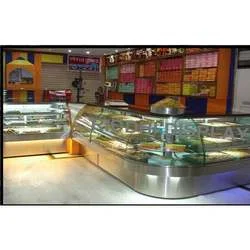
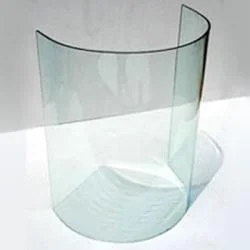
Retail Display Counter Bent Glass Premium Clarity Durability
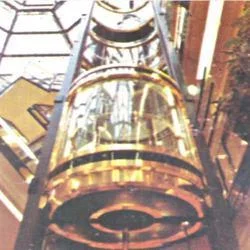
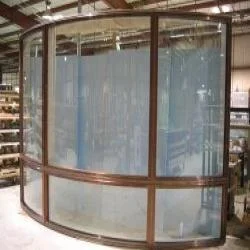
Capsule Lift Bent Glass Panels Premium Curved Safety Durable
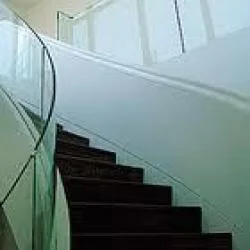
Premium Bent Glass Stair Panels Tempered Safety Elegance
Dhruv Exports
Premium Brass Statues For Decor, Gifting, And Religious Use
Premium Brass Idols for Decor and Spiritual Use
Jaipuri Wall Hangings Handcrafted Premium Customizable Decor
Bath & Crafts Division Of Chowdhry Agencies
Commercial Grade Hindware Designer Wash Basins Durable Elegant
Commercial Wall Mounted Water Closets Premium Durable Space Saving
Premium Bathroom And Kitchen Accessories Durable Commercial
Vardhaman Glass
High Strength Textured Glass Partitions And Shower Enclosures
Commercial Bathroom Partitions High Strength Textured Glass Durable
Architectural Laminated Glass For Safety And Durability
Balaji Enterprises Krishna & Co
Industrial Oil Fired Furnace For Metal Melting 500kg Durable
Industrial Bread Gas Furnace For Bakeries With Precise Temperature Control
Industrial Electro Plating Plants For Metal Finishing In Automotive Aerospace Electronics
Ashistesh Enterprises
Premium Wooden Storage Cabinets Durable Termite Proof
Premium White Wooden Tables For Offices Hotels Retail
Designer Wooden Tables For Offices Hotels Corporate Spaces
Why Businesses Trust Pepagora
Thousands of companies trust Pepagora to source smarter and sell faster
Expand Your Sales Globally
25000+Products listed.Get discovered by global buyers
Tools to boost visibility
Build your own catalog

Source Smarter,Grow Faster
4000+Active RFQs
100+ Countries served
Easy Sourcing Tools
