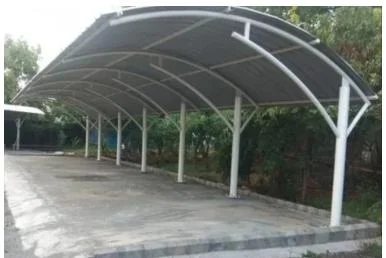
𝗪𝗵𝗮𝘁 𝗮𝗿𝗲 𝗥𝗼𝗼𝗳𝗶𝗻𝗴 𝗦𝗵𝗲𝗲𝘁𝘀 & 𝗦𝗼𝗹𝘂𝘁𝗶𝗼𝗻𝘀?
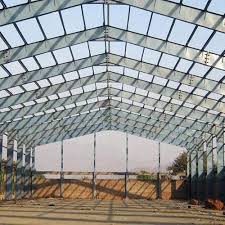
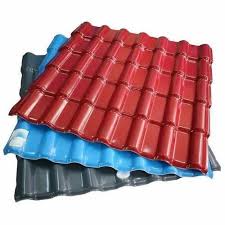
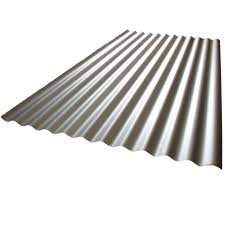
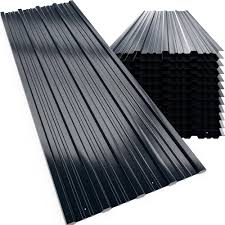
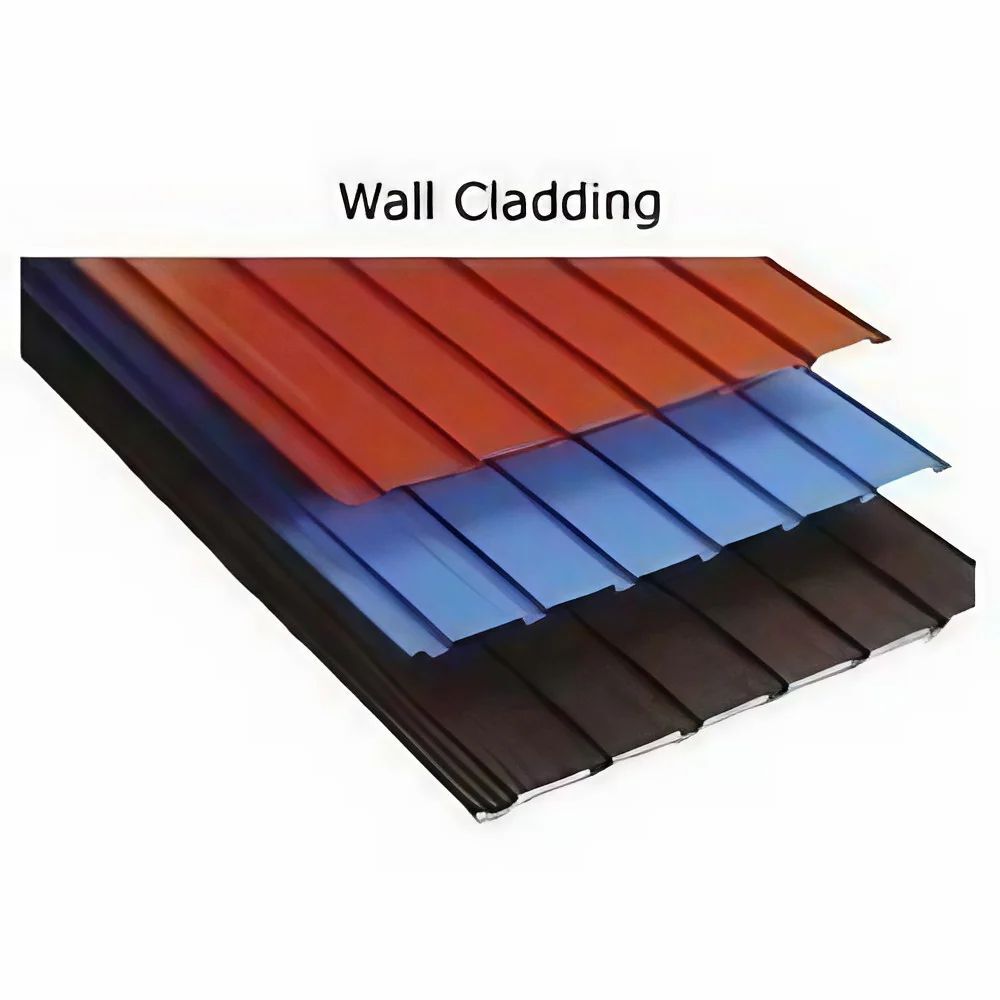
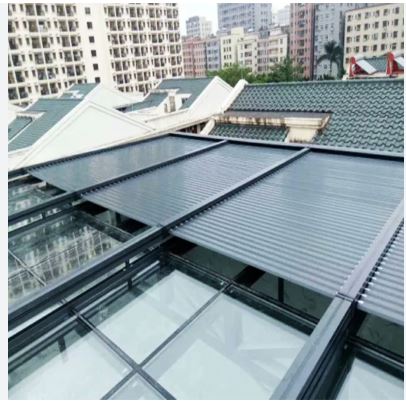
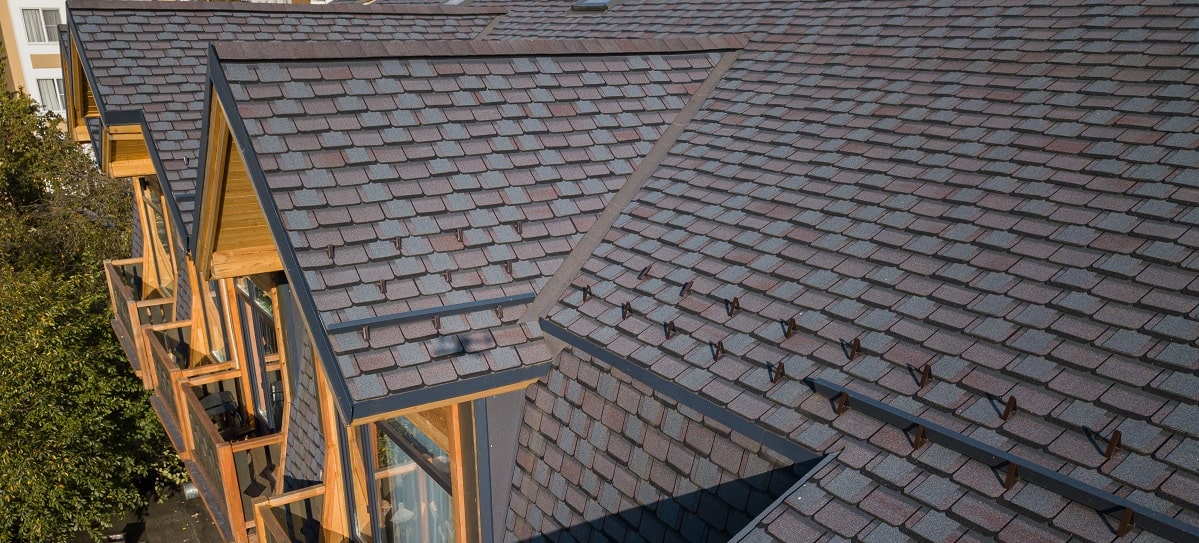
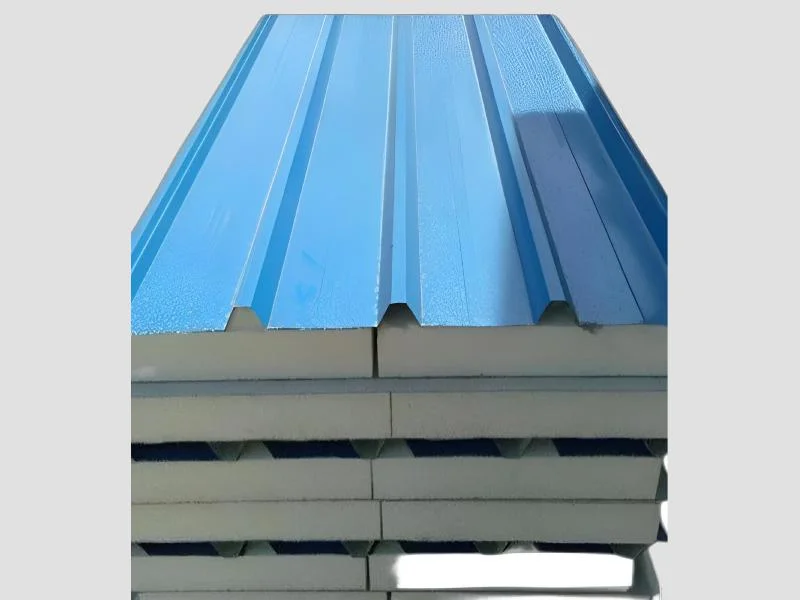
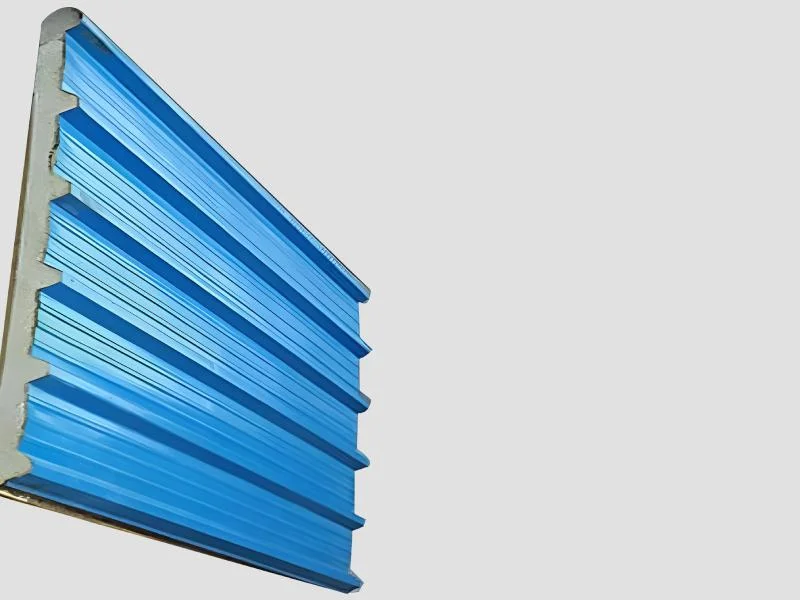
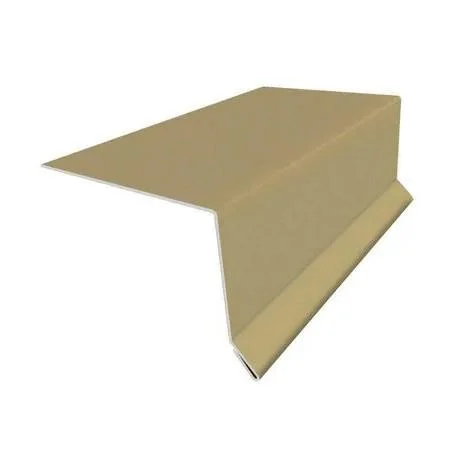
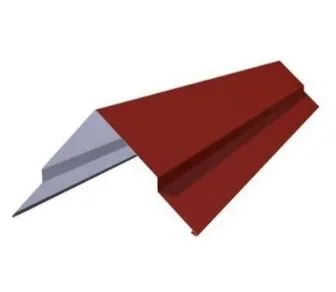
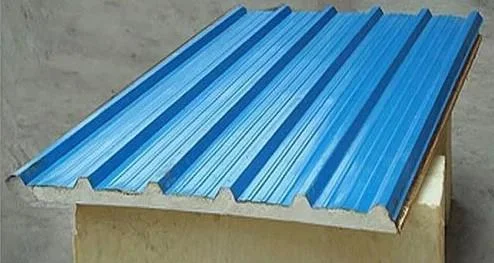
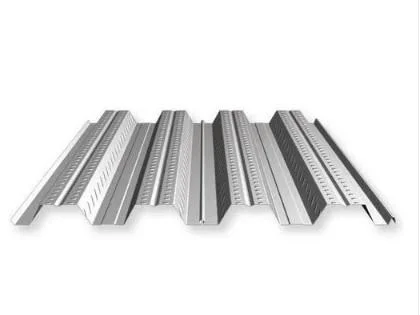
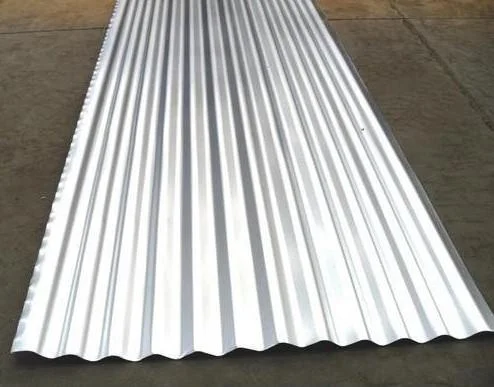
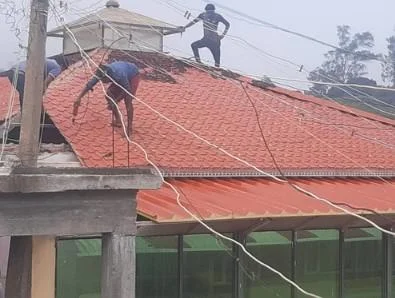
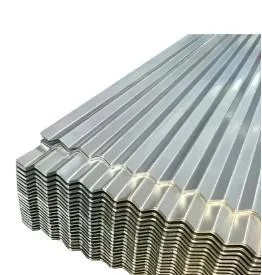
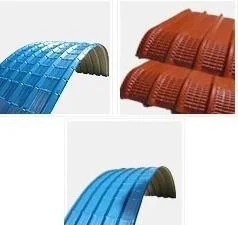
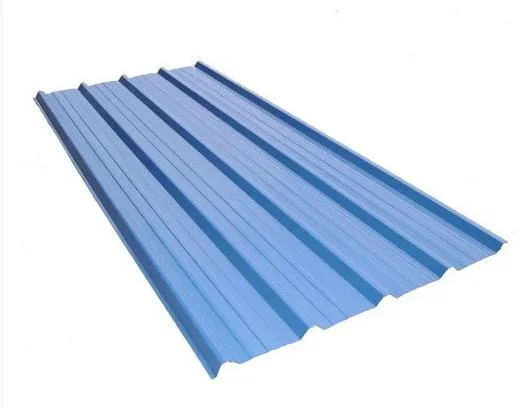
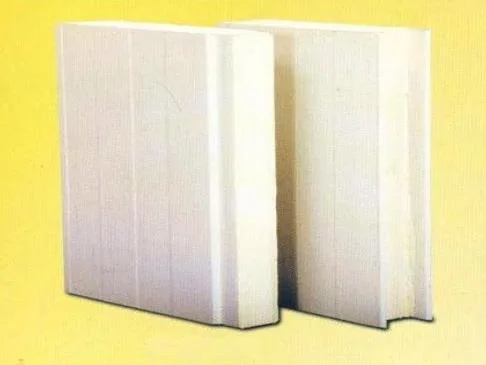
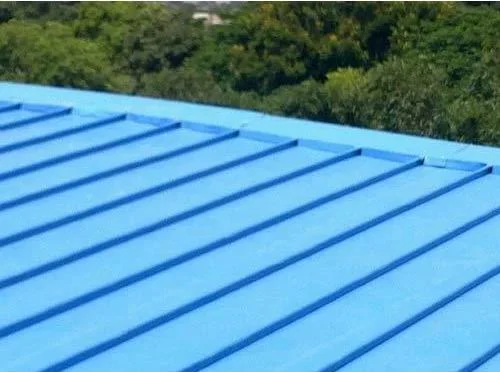
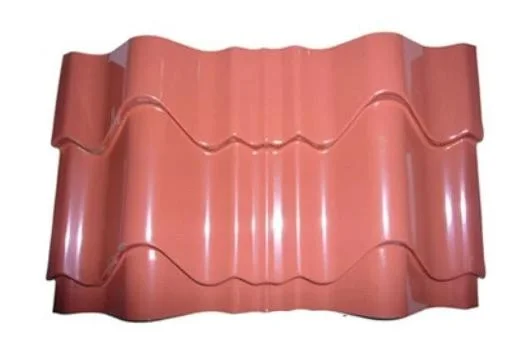
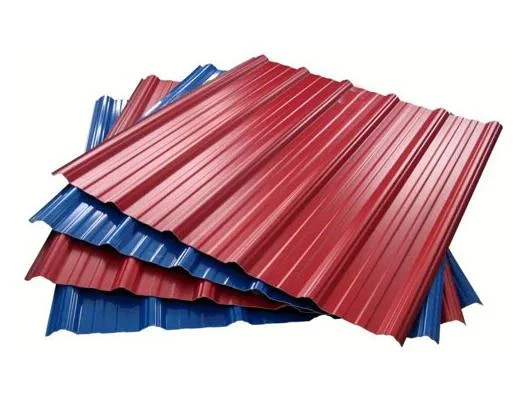
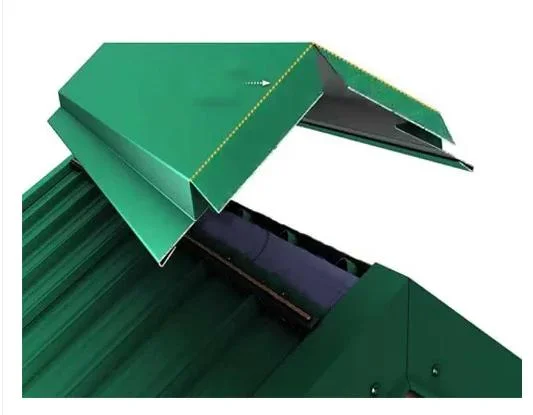
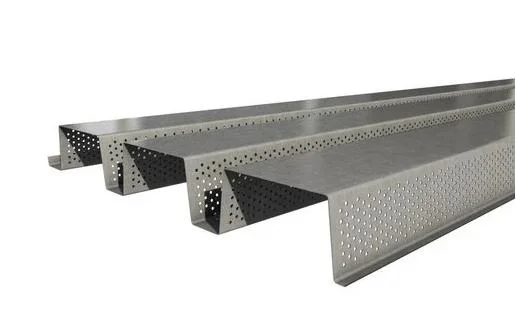
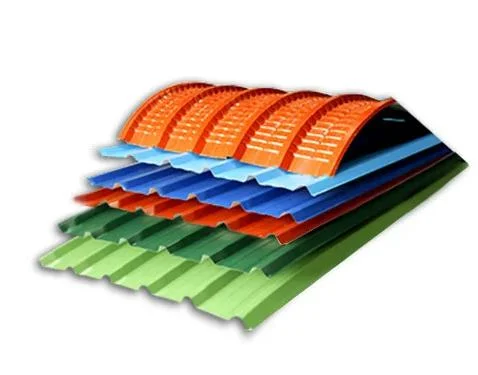
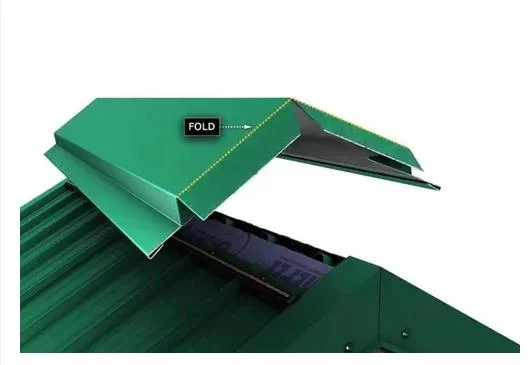
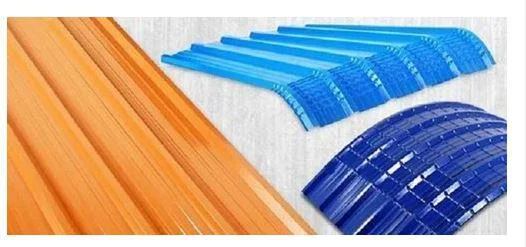
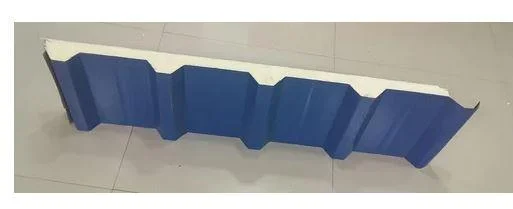
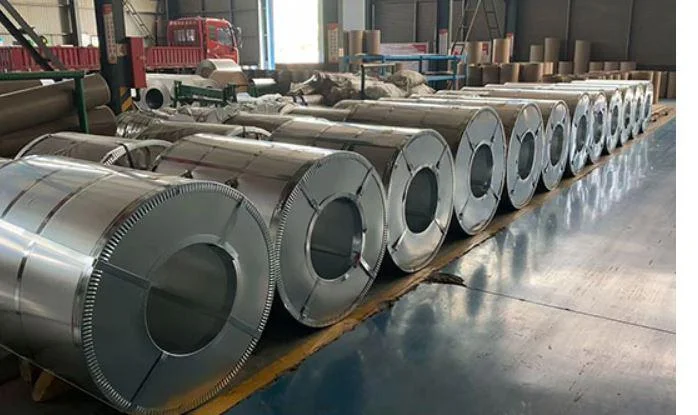
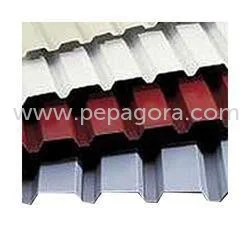
Roofing sheets are essential materials used in constructing and covering roofs. They offer protection from weather elements while providing structural integrity to buildings. Roofing sheets can be made from various materials, including metal, polycarbonate, and fiberglass, each offering specific benefits tailored to different applications. The versatility in design and function makes roofing sheets a popular choice among builders and contractors.
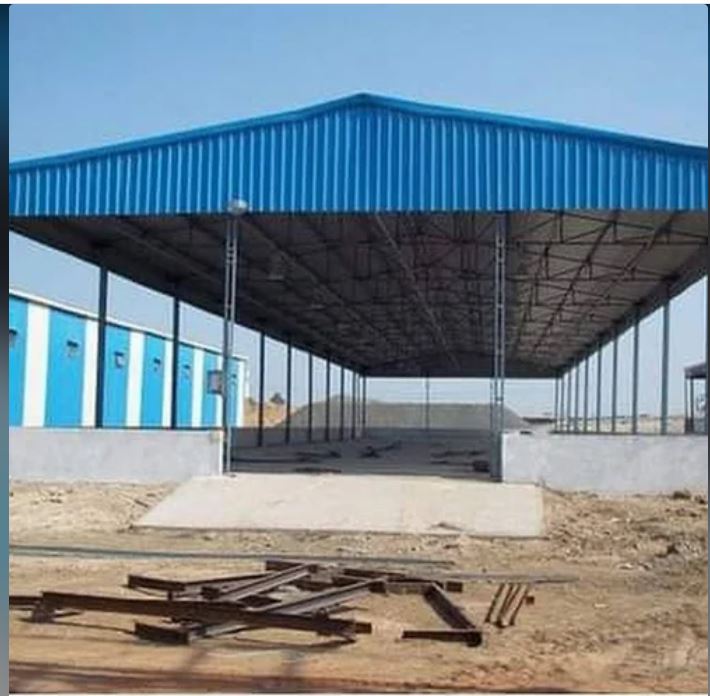
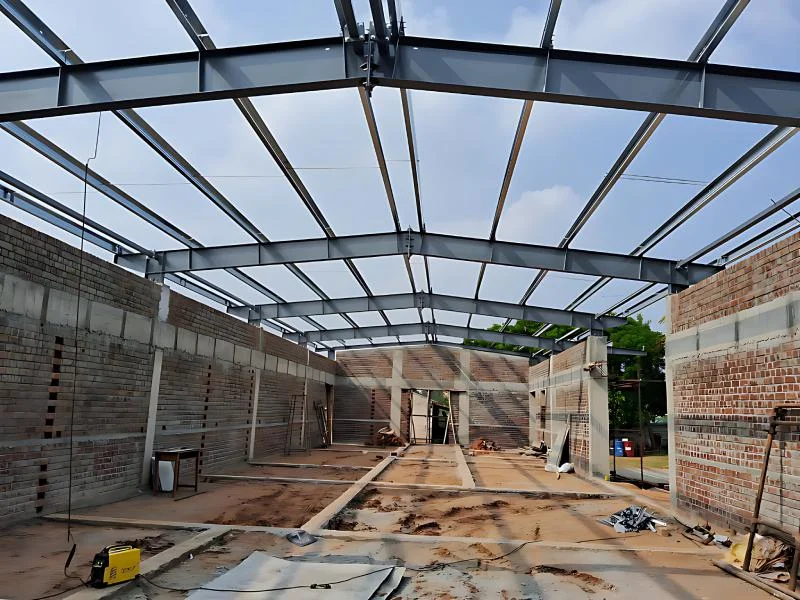
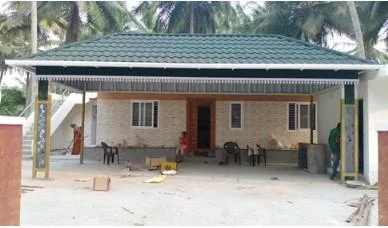
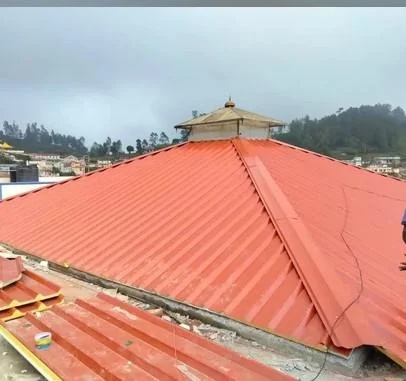
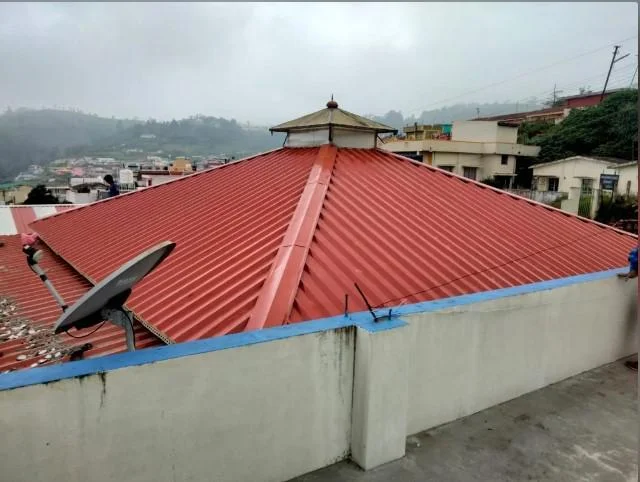
The primary uses of roofing sheets include residential, commercial, and industrial applications. In residential settings, they are often used for homes, garages, and porches. In commercial and industrial contexts, roofing sheets are integral to warehouses, factories, and large-scale buildings, providing durability and resistance to harsh environmental conditions. With increasing urbanization and a growing emphasis on energy efficiency, the demand for high-quality roofing solutions is on the rise.
In terms of market relevance, the roofing sheets industry is evolving with advancements in technology and materials. The growing construction industry worldwide, coupled with the need for sustainable building solutions, drives innovation in roofing products. As businesses seek durable and cost-effective roofing solutions, manufacturers are focusing on enhancing product performance and compliance with industry standards.
𝗞𝗲𝘆 𝗙𝗲𝗮𝘁𝘂𝗿𝗲𝘀 𝗮𝗻𝗱 𝗦𝗽𝗲𝗰𝗶𝗳𝗶𝗰𝗮𝘁𝗶𝗼𝗻𝘀
Roofing sheets come with numerous features and specifications that cater to diverse needs in construction and architecture. Understanding these specifications is crucial for businesses looking to select the right product for their projects.
Key specifications include:
1. Material Type
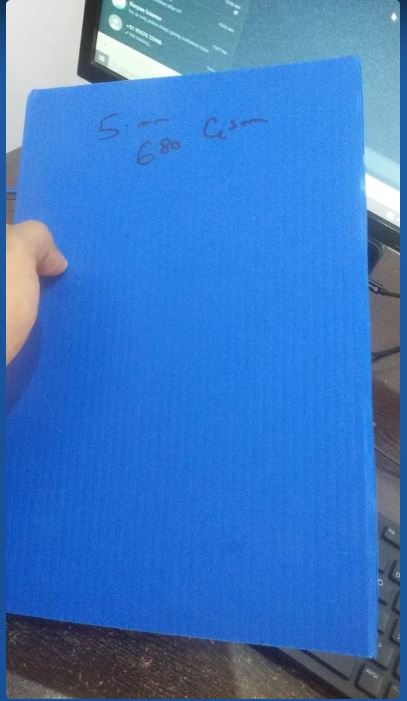
- Roofing sheets can be made from metal (steel, aluminum), polycarbonate, or fiberglass.
- Each material offers different benefits, such as weight, durability, and insulation properties.
2. Thickness
- Thickness typically ranges from 0.3 mm to 1.0 mm for metal sheets.
- Thicker sheets generally provide enhanced strength and resistance to impact.
3. Coating
- Options include galvanized, acrylic, or polyester coatings.
- Coatings enhance durability and resistance to corrosion and UV rays.
4. Length and Width
- Standard lengths range from 2 meters to 12 meters.
- Widths can vary from 0.75 meters to 1.2 meters, depending on the design.
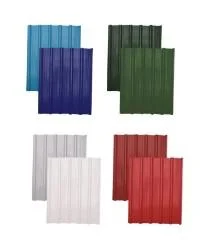
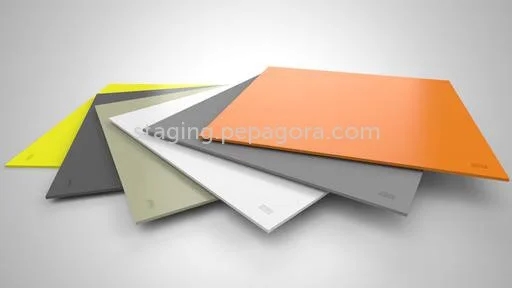
5. Color Options
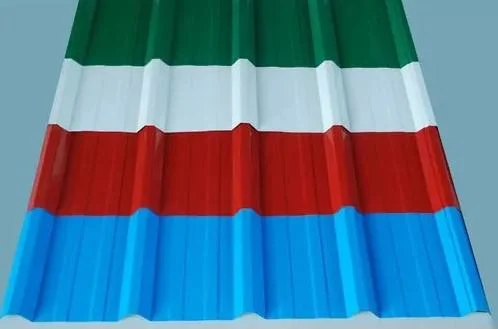
- Available in various colors for aesthetic appeal and energy efficiency.
- Reflective colors can help reduce heat absorption.
6. Thermal Performance
- Insulation properties vary, with some sheets designed to minimize heat transfer.
- Important for energy efficiency in buildings.
7. Fire Resistance
- Many roofing sheets meet specific fire ratings.
- Fire-resistant sheets are essential in minimizing fire hazards.
8. Warranty
- Manufacturers often provide warranties ranging from 5 to 30 years.
- A longer warranty indicates better durability and quality assurance.
In summary, selecting roofing sheets requires careful consideration of various specifications. Each feature plays a vital role in ensuring the roofing solution meets the specific needs of a project.
𝗖𝗼𝗺𝗺𝗼𝗻 𝗔𝗽𝗽𝗹𝗶𝗰𝗮𝘁𝗶𝗼𝗻𝘀 𝗮𝗻𝗱 𝗨𝘀𝗲 𝗖𝗮𝘀𝗲𝘀
Roofing sheets are versatile products that find use across multiple industries.
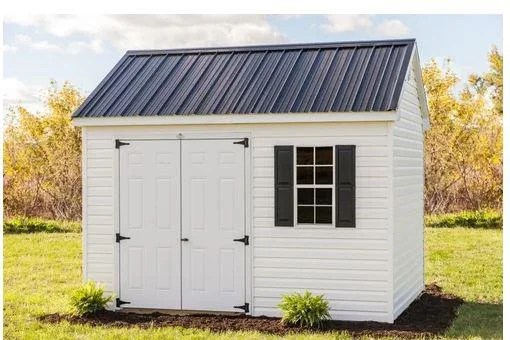
1. Residential Construction: Roofing sheets are widely used in houses, providing a durable and weather-resistant covering. They enhance the overall aesthetic while protecting homes from the elements.
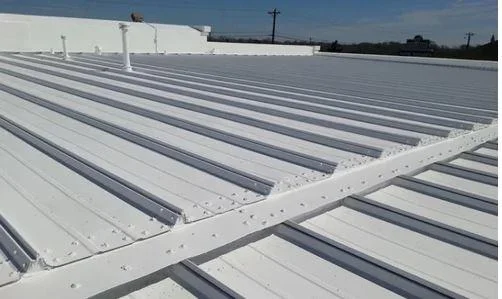
2. Commercial Buildings: In commercial settings, roofing sheets are utilized for office buildings, shopping centers, and warehouses. Their lightweight nature and easy installation make them a preferred choice for large structures.
3. Industrial Facilities: Factories and manufacturing plants use roofing sheets for their durability and ability to withstand harsh environments. They are essential for ensuring the safety and security of equipment and materials.
4. Agricultural Structures: Roofing sheets are commonly used in barns, stables, and greenhouses. Their resistance to moisture and UV rays helps protect livestock and crops.
5. Recreational Facilities: Sports complexes and community centers often use roofing sheets for their roofs. They offer a cost-effective and efficient solution for large open spaces.
6. Educational Institutions: Schools and universities frequently install roofing sheets due to their longevity and minimal maintenance requirements.
7. Infrastructure Projects: Roofing sheets are used in various infrastructure projects, including bridges and tunnels, where durability and strength are critical.
𝗣𝗿𝗼𝗱𝘂𝗰𝘁 𝗩𝗮𝗿𝗶𝗮𝗻𝘁𝘀 𝗮𝗻𝗱 𝗦𝘂𝗯𝗰𝗮𝘁𝗲𝗴𝗼𝗿𝗶𝗲𝘀
Roofing sheets are available in various variants to meet specific needs and preferences.
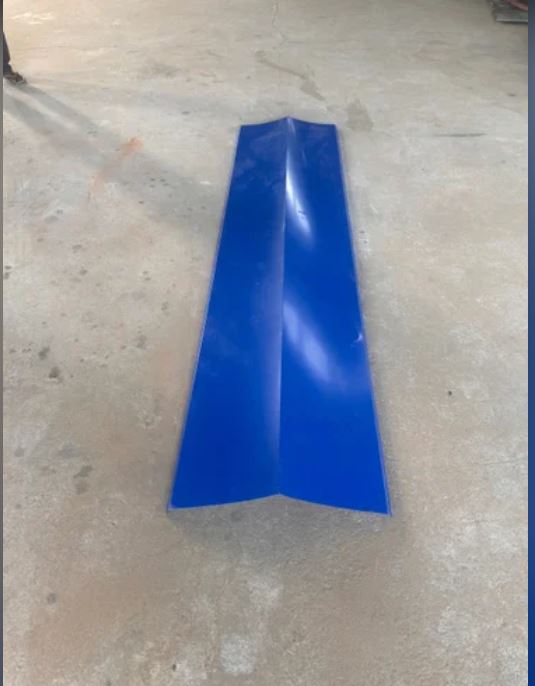
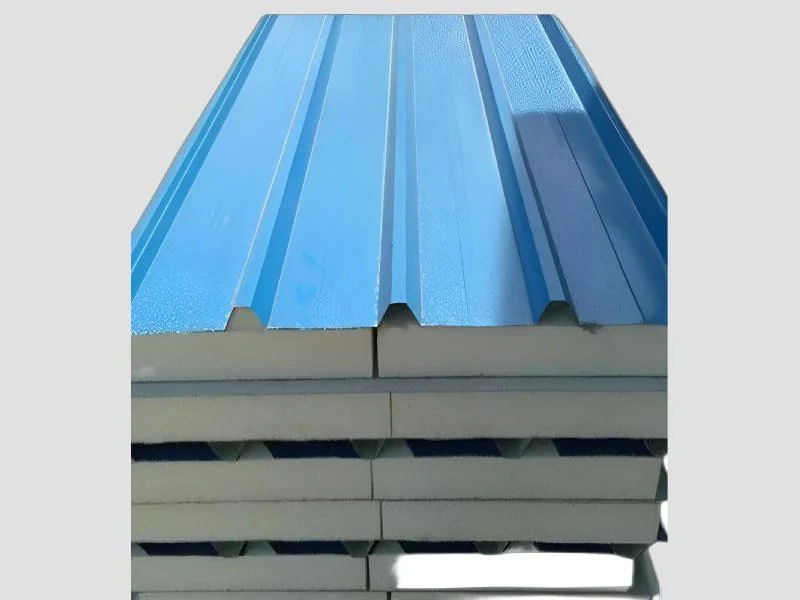
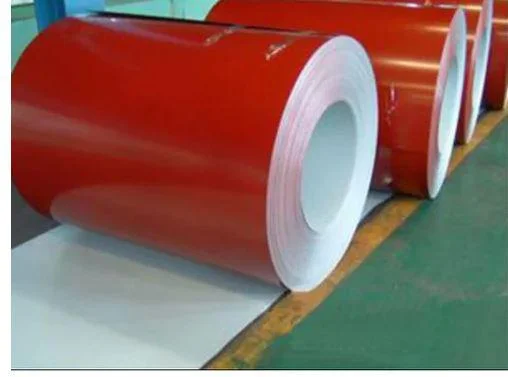
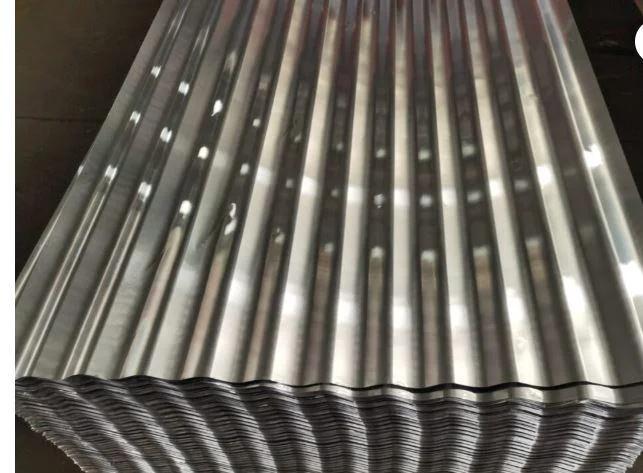
Metal Roofing Sheets: These sheets are made from aluminum or steel and are known for their strength and durability. They offer excellent resistance to weather conditions and are ideal for both residential and commercial applications.
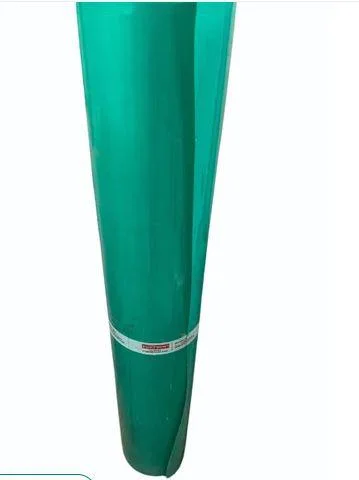
Polycarbonate Roofing Sheets: Known for their transparency and lightweight nature, polycarbonate sheets are great for greenhouses and skylights. They provide natural light while maintaining thermal insulation.
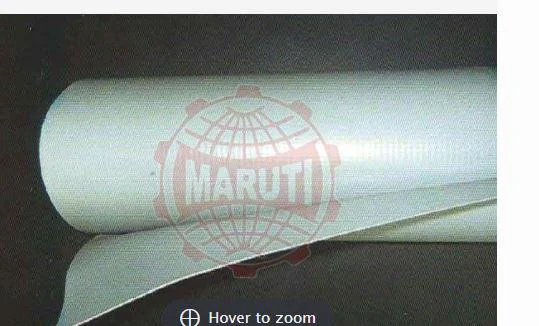
Fiberglass Roofing Sheets: These sheets are resistant to corrosion and UV rays, making them suitable for industrial applications. They are often used in areas where chemical exposure is a concern.
𝗕𝗲𝗻𝗲𝗳𝗶𝘁𝘀 𝗮𝗻𝗱 𝗔𝗱𝘃𝗮𝗻𝘁𝗮𝗴𝗲𝘀
Roofing sheets provide several advantages that make them a preferred choice for various applications.
1. Durability: Roofing sheets are designed to withstand extreme weather conditions, ensuring long-lasting performance.
2. Cost-Effectiveness: They offer a lower installation cost compared to traditional roofing materials. Their longevity also reduces maintenance expenses.
3. Lightweight: The lightweight nature of roofing sheets makes them easy to transport and install, saving time and labor costs.
4. Versatility: Available in various materials, colors, and designs, roofing sheets can complement a wide range of architectural styles.
5. Energy Efficiency: Many roofing sheets feature reflective coatings that help reduce heat absorption, leading to lower energy costs for cooling.
6. Environmentally Friendly: Some roofing sheets are made from recyclable materials, contributing to sustainable building practices.
𝗕𝘂𝘆𝗶𝗻𝗴 𝗚𝘂𝗶𝗱𝗲 𝗳𝗼𝗿 𝗕𝟮𝗕 𝗕𝘂𝘆𝗲𝗿𝘀
When sourcing roofing sheets and solutions, several factors should be considered to ensure the best purchase decision.
1. Quality Assessment: Evaluate the quality of materials used in the roofing sheets. Look for certifications and test reports that validate the durability and performance of the products.
2. Supplier Verification: Research and vet suppliers to ensure they have a good reputation and track record in the industry. Verify their certifications and customer reviews.
3. Pricing and MOQ: Understand the pricing structure and minimum order quantities (MOQ) offered by suppliers. Compare prices to ensure you are getting fair value for the products.
4. Delivery and Lead Times: Inquire about delivery schedules and lead times for your orders. Timely delivery is crucial for keeping construction projects on schedule.
5. Compliance Requirements: Ensure the roofing sheets meet local and regional compliance standards. This includes safety regulations and material certifications.
𝗖𝗼𝗺𝗽𝗹𝗶𝗮𝗻𝗰𝗲 𝗮𝗻𝗱 𝗖𝗲𝗿𝘁𝗶𝗳𝗶𝗰𝗮𝘁𝗶𝗼𝗻𝘀
Roofing sheets must adhere to various quality standards and certifications to ensure safety and performance. Key standards include ISO 9001, which ensures a quality management system is in place. CE certification is also essential for roofing sheets sold in European markets, indicating compliance with health, safety, and environmental protection standards.
Safety and testing requirements are critical in the manufacturing process. Products may undergo rigorous testing for fire resistance, impact resistance, and weatherability.
Moreover, regional compliance considerations can vary. It is vital to be aware of local regulations regarding building materials, as non-compliance can lead to significant legal and financial repercussions.
𝗪𝗵𝘆 𝗦𝗼𝘂𝗿𝗰𝗲 𝗥𝗼𝗼𝗳𝗶𝗻𝗴 𝗦𝗵𝗲𝗲𝘁𝘀 & 𝗦𝗼𝗹𝘂𝘁𝗶𝗼𝗻𝘀 𝗳𝗿𝗼𝗺 𝗣𝗲𝗽𝗮𝗴𝗼𝗿𝗮?
Pepagora offers a reliable platform for sourcing roofing sheets and solutions, emphasizing quality and trust.
Verified Supplier Network: Pepagora maintains a network of verified suppliers, ensuring that buyers can access high-quality roofing products from reputable sources. This verification process helps mitigate risks associated with sourcing.
Streamlined RFQ Process: The platform provides a streamlined Request for Quotation (RFQ) process, making it easier for buyers to obtain competitive quotes from multiple suppliers. This efficiency saves time and effort in the procurement process.
Trade Assurance and Support: Pepagora offers trade assurance and support to protect buyers throughout the purchasing journey. This includes assistance with negotiations and providing guidance on best practices.
Regional Coverage: With a strong presence in India, the GCC, and Southeast Asia, Pepagora provides extensive regional coverage for sourcing roofing sheets. This geographic reach ensures that buyers can find suitable products tailored to their specific market needs.

 IN
IN