
 IN
INundefined
Cool Roofing Systems
12 products available
𝗪𝗵𝗮𝘁 𝗮𝗿𝗲 𝗖𝗼𝗼𝗹 𝗥𝗼𝗼𝗳𝗶𝗻𝗴 𝗦𝘆𝘀𝘁𝗲𝗺𝘀?
Cool Roofing Systems refer to roofing materials and technologies designed to reflect more sunlight and absorb less heat than standard roofing systems. These roofs are typically lighter in color and incorporate reflective coatings or films to reduce heat absorption. The primary goal of cool roofing is to maintain lower roof temperatures, thereby improving energy efficiency and reducing urban heat island effects.
These systems are widely used in commercial and industrial buildings, warehouses, schools, and even residential properties. By lowering indoor temperatures, cool roofing systems can significantly reduce air conditioning costs and enhance indoor comfort. Businesses implementing these solutions can benefit from reduced energy consumption, making them a more sustainable choice in today’s environmentally conscious market.
As the demand for energy-efficient solutions grows, cool roofing systems are increasingly relevant across various sectors. With many regions facing rising temperatures and energy costs, these roofing systems offer a viable option for businesses seeking to enhance their sustainability initiatives while saving on operational expenses.
𝗞𝗲𝘆 𝗙𝗲𝗮𝘁𝘂𝗿𝗲𝘀 𝗮𝗻𝗱 𝗦𝗽𝗲𝗰𝗶𝗳𝗶𝗰𝗮𝘁𝗶𝗼𝗻𝘀
Cool Roofing Systems come with several essential features that enhance their functionality and effectiveness. Understanding these specifications can help businesses make informed decisions when selecting the appropriate roofing solution.
Key specifications include:
1. Reflectivity
- High solar reflectance ratings
- Typically ranges from 0.65 to 0.85
2. Emissivity
- Low thermal emissivity to promote heat reflection
- Generally between 0.05 and 0.20
3. Energy Star Certification
- Compliance with Energy Star standards for energy efficiency
- Recognized by the U.S. Environmental Protection Agency
4. Durability
- Resistance to UV degradation and weather elements
- Lifespan ranging from 15 to 30 years depending on materials
5. Installation Method
- Options for built-up, single-ply, or modified bitumen systems
- Adaptable to various building types and structures
6. Maintenance Requirements
- Minimal maintenance needs compared to traditional roofing
- Regular inspections recommended to ensure longevity
7. Cost-Effectiveness
- Potential for lower energy bills over time
- Initial investment may be offset by long-term savings
8. Environmental Impact
- Contribution to reduced urban heat island effect
- Availability of materials that are recyclable or made from recycled content
In summary, understanding the key features and specifications of cool roofing systems is crucial for businesses looking to invest in energy-efficient roofing solutions.
𝗖𝗼𝗺𝗺𝗼𝗻 𝗔𝗽𝗽𝗹𝗶𝗰𝗮𝘁𝗶𝗼𝗻𝘀 𝗮𝗻𝗱 𝗨𝘀𝗲 𝗖𝗮𝘀𝗲𝘀
Cool Roofing Systems are versatile and applicable across various industries. Their reflective properties and energy-saving benefits make them suitable for numerous settings.
1. Commercial Buildings: These systems are commonly used in office buildings to enhance energy efficiency and comfort while reducing energy costs.
2. Warehouses: Large commercial spaces benefit significantly from cool roofs, which help maintain stable temperatures and lower HVAC expenses.
3. Educational Institutions: Schools and universities utilize cool roofing to improve indoor learning environments and reduce cooling costs during hot months.
4. Healthcare Facilities: Hospitals and clinics implement cool roofing to ensure patient comfort and reduce energy consumption.
5. Retail Spaces: Shopping centers and malls adopt these systems to create a pleasant shopping experience while managing operational costs.
6. Industrial Facilities: Factories often install cool roofing to enhance workplace comfort and reduce energy usage.
7. Residential Buildings: Homeowners are increasingly opting for cool roofing options to improve energy efficiency and comfort in their living spaces.
𝗣𝗿𝗼𝗱𝘂𝗰𝘁 𝗩𝗮𝗿𝗶𝗮𝗻𝘁𝘀 𝗮𝗻𝗱 𝗦𝘂𝗯𝗰𝗮𝘁𝗲𝗴𝗼𝗿𝗶𝗲𝘀
Cool Roofing Systems come in various forms, each tailored to meet specific needs and applications. This diversity allows businesses to choose the right solution for their unique requirements.
Single-Ply Membranes
These lightweight and flexible roofing systems provide excellent reflectivity and durability. They are easy to install and often come with warranties, making them a popular choice for commercial buildings.
Built-Up Roofing (BUR)
This traditional roofing system consists of multiple layers of materials that provide enhanced durability and weather resistance. BUR is well-suited for flat or low-sloped roofs, making it a reliable option for warehouses and industrial facilities.
Reflective Coatings
These coatings can be applied over existing roofs to enhance their reflective properties. They are a cost-effective solution for buildings looking to improve energy efficiency without a full roof replacement.
𝗕𝗲𝗻𝗲𝗳𝗶𝘁𝘀 𝗮𝗻𝗱 𝗔𝗱𝘃𝗮𝗻𝘁𝗮𝗴𝗲𝘀
Cool Roofing Systems offer numerous advantages that can significantly impact energy consumption and overall building comfort.
Key benefits include:
1. Energy Savings: By reflecting sunlight, these roofs can reduce air conditioning costs by up to 20 percent, leading to substantial savings.
2. Enhanced Comfort: Lower indoor temperatures contribute to a more comfortable environment for building occupants.
3. Sustainability: Cool roofing helps mitigate urban heat islands, promoting environmental sustainability and reducing overall energy consumption.
4. Longevity: Many cool roofing materials are designed to withstand harsh weather conditions, extending the lifespan of the roof.
5. Increased Property Value: Energy-efficient features can enhance a building’s marketability and value.
6. Tax Incentives: Many regions offer tax credits or incentives for installing energy-efficient roofing solutions, providing financial benefits to businesses.
𝗕𝘂𝘆𝗶𝗻𝗴 𝗚𝘂𝗶𝗱𝗲 𝗳𝗼𝗿 𝗕𝟮𝗕 𝗕𝘂𝘆𝗲𝗿𝘀
When sourcing Cool Roofing Systems, businesses should consider several critical factors to ensure they select the best option for their needs.
1. Quality Assessment: Evaluate the materials and construction of the roofing system. Look for certifications and performance ratings that guarantee quality.
2. Supplier Verification: Research potential suppliers to ensure they have a solid reputation for reliability and customer service. Check for reviews and industry references.
3. Pricing and MOQ: Understand the pricing structure and minimum order quantities. Compare quotes from multiple suppliers to ensure competitive pricing.
4. Delivery and Lead Times: Confirm delivery schedules and lead times to ensure timely installation. Assess logistical capabilities of suppliers.
5. Compliance Requirements: Ensure the roofing system complies with local building codes and safety regulations to avoid potential legal issues.
𝗖𝗼𝗺𝗽𝗹𝗶𝗮𝗻𝗰𝗲 𝗮𝗻𝗱 𝗖𝗲𝗿𝘁𝗶𝗳𝗶𝗰𝗮𝘁𝗶𝗼𝗻𝘀
Cool Roofing Systems must meet various quality standards and certifications to ensure performance and safety.
Relevant quality standards such as ISO 9001 ensure that products are made with consistent quality and reliability. Compliance with HACCP and GDP guidelines can also be essential for roofing systems used in sensitive environments like healthcare or food industries.
Industry certifications such as CE indicate that the roofing system meets European safety and environmental standards. This certification is crucial for ensuring that products are safe to use and environmentally friendly.
Safety and testing requirements are also vital. Cool roofing systems should undergo rigorous testing to assess their reflective properties, durability, and overall performance under various conditions.
Regional compliance considerations are important as well. Depending on the location, there may be specific regulations governing energy efficiency and roofing materials that businesses must adhere to.
𝗪𝗵𝘆 𝗦𝗼𝘂𝗿𝗰𝗲 𝗖𝗼𝗼𝗹 𝗥𝗼𝗼𝗳𝗶𝗻𝗴 𝗦𝘆𝘀𝘁𝗲𝗺𝘀 𝗳𝗿𝗼𝗺 𝗣𝗲𝗽𝗮𝗴𝗼𝗿𝗮?
Pepagora offers a trusted platform for sourcing Cool Roofing Systems, providing several key advantages to B2B buyers.
Verified Supplier Network: Pepagora has established a comprehensive network of verified suppliers, ensuring that buyers have access to reliable and high-quality products. This verification process enhances trust and reduces the risk of sourcing unqualified materials.
Streamlined RFQ Process: The platform features a user-friendly Request for Quotation (RFQ) system that simplifies the procurement process. Buyers can easily compare quotes from multiple suppliers, facilitating informed purchasing decisions.
Trade Assurance and Support: Pepagora provides trade assurance, offering buyer protection throughout the transaction. This support gives businesses peace of mind while investing in roofing solutions.
Regional Coverage: With a focus on regions including India, the GCC, and Southeast Asia, Pepagora ensures that buyers can find suitable suppliers within their geographic area. This regional focus helps businesses connect with local suppliers who understand the market's unique demands.
Newly Added






Recently Added
Foresight
Danpalon Polycarbonate Roofing Sheets With Thermal Insulation And UV Protection
Skylight Danpalon Roofing Sheets Polycarbonate UV Thermal Insulation
Entrance Canopy Danpalon Roofing Sheets With UV Protection And Thermal Insulation
Ankita Fibre Glass Works
Premium Fancy Dustbin For Hotels Offices And Upscale Homes
High Traffic Kangaroo Dustbins Durable Creative Waste Solutions
FRP Dustbins For Commercial Industrial Public Waste Management
Loom Crafts Furniture India Pvt Ltd
Premium WPC Outdoor Decking And Wall Cladding For Commercial And Residential Projects
Woven Outdoor Dining Furniture Sets Weather Resistant Commercial
Commercial Outdoor Poolside Loungers Weather Resistant Durable
Niko Portacabin System
Premium Wooden Flooring Durable Customizable Commercial Residential
Portable Cabins Prefabricated Rooms Offices Security Retail Residential
Round Fall Ceilings For Portacabins Offices Commercial Buildings
brahma enterprises pvt Ltd
Dalmia DSP Dhalai Expert Cement for High Strength Construction
Ramco Supercrete Cement High Strength Durable Water Resistant Construction
Chettinad OPC 53 Grade Cement For High Strength Construction
Swastik Tiles
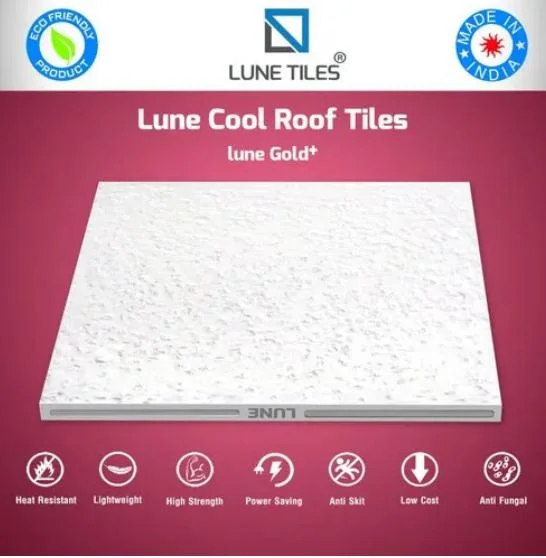
Heat Resistant Cool Roof Tiles 300x300x20mm Solar Reflectance 0.73
Premium Star Heritage Floor Tile Handcrafted Durable Elegance
Modular Storage Solutions Stackable Compartments For Business Industrial
MRK Roofing
Mekark Pre Engineered Steel Buildings For Industrial Commercial Institutional Use
Multi Storey Steel Buildings For Industrial Commercial Institutional Use
Mekark Prefabricated Steel Warehouse Buildings For Industrial Storage Solutions
Shri Sudharsana Enterprise
Exposed Concrete Texture for Interior Walls
Decorcem 3D Wall Panels, Decorative Design, for Interior Walls
Decorcem Wall Putty, Smooth Finish, for Interior Walls
Sasi Fabricator
Mild Steel Terrace Roofing Shed Fabrication for Commercial Use
Metal Car Parking Shed Fabrication for Commercial & Residential Use
Tin Shed Lightweight Structure for Storage and Shelter
Why Businesses Trust Pepagora
Thousands of companies trust Pepagora to source smarter and sell faster
Expand Your Sales Globally
25000+Products listed.Get discovered by global buyers
Tools to boost visibility
Build your own catalog

Source Smarter,Grow Faster
4000+Active RFQs
100+ Countries served
Easy Sourcing Tools
