
 IN
INundefined
Roofing Sheet Fabricators
3 products available
𝗪𝗵𝗮𝘁 𝗮𝗿𝗲 𝗥𝗼𝗼𝗳𝗶𝗻𝗴 𝗦𝗵𝗲𝗲𝘁 𝗙𝗮𝗯𝗿𝗶𝗰𝗮𝘁𝗼𝗿𝘀?
Roofing sheet fabricators are specialized manufacturers that produce roofing sheets from various materials such as metal, plastic, and composite materials. These fabricators utilize advanced machinery and technology to ensure precision in manufacturing. The roofing sheets they produce are designed for durability, weather resistance, and aesthetic appeal, making them ideal for various construction projects.
The primary uses of roofing sheet fabricators are in the construction and renovation of residential, commercial, and industrial buildings. Their products are widely used in roofing systems, cladding, and even in applications such as sheds and outdoor structures. The versatility of roofing sheets allows them to be customized to meet the specific needs of different projects, enhancing the overall functionality and appearance of buildings.
In the current market, roofing sheet fabricators play a crucial role in the construction industry. With the increasing demand for sustainable and energy-efficient building materials, these fabricators are adapting to new technologies and materials. This trend is driven by the need for faster construction timelines and improved building performance.
𝗞𝗲𝘆 𝗙𝗲𝗮𝘁𝘂𝗿𝗲𝘀 𝗮𝗻𝗱 𝗦𝗽𝗲𝗰𝗶𝗳𝗶𝗰𝗮𝘁𝗶𝗼𝗻𝘀
Roofing sheet fabricators offer a range of features and specifications that cater to various industry needs. Understanding these specifications is essential for buyers looking to make informed decisions.
Key specifications include:
1. Material Type
- Common materials include galvanized steel, aluminum, and PVC.
- Each material offers different benefits such as strength, weight, and corrosion resistance.
2. Thickness
- Roofing sheets are available in various thicknesses, typically ranging from 0.3 mm to 1.2 mm.
- The thickness affects the durability and thermal performance of the sheets.
3. Coating Options
- Options include polyester, PVDF, and zinc coating.
- Coatings enhance resistance to UV rays, corrosion, and weathering.
4. Width and Length
- Standard widths range from 600 mm to 1200 mm.
- Lengths can be customized based on project requirements.
5. Profile Design
- Common profiles include corrugated, trapezoidal, and flat sheets.
- Different profiles provide distinct aesthetic and functional advantages.
6. Color Options
- Available in a variety of colors to suit architectural designs.
- Color choices can also impact heat absorption and energy efficiency.
7. Fire Resistance
- Many roofing sheets come with fire-resistant properties.
- Fire ratings vary by material and treatment.
8. Warranty Period
- Warranty periods can range from 5 to 25 years depending on the manufacturer.
- A longer warranty often indicates higher quality and durability.
In summary, understanding these key features and specifications can help buyers select the right roofing sheet fabricators for their specific applications.
𝗖𝗼𝗺𝗺𝗼𝗻 𝗔𝗽𝗽𝗹𝗶𝗰𝗮𝘁𝗶𝗼𝗻𝘀 𝗮𝗻𝗱 𝗨𝘀𝗲 𝗖𝗮𝘀𝗲𝘀
Roofing sheet fabricators serve multiple industries by providing essential products that meet unique requirements.
1. Construction: Roofing sheets are used extensively in residential and commercial buildings, offering robust protection against weather elements.
2. Agriculture: These sheets are commonly utilized in agricultural buildings such as barns and greenhouses, providing insulation and durability.
3. Industrial: Factories and warehouses often use metal roofing sheets for their strength and low maintenance needs.
4. Infrastructure: Roofing sheets play a vital role in public infrastructure projects like schools and hospitals, ensuring safety and durability.
5. Storage: They are also used in storage facilities and sheds, providing reliable coverage for various stored goods.
6. Transportation: Roofing sheets may be used in the construction of transportation facilities such as bus stations or terminals.
7. Recreational: In recreational facilities, these sheets are often used for roofing in sports complexes and community centers.
𝗣𝗿𝗼𝗱𝘂𝗰𝘁 𝗩𝗮𝗿𝗶𝗮𝗻𝘁𝘀 𝗮𝗻𝗱 𝗦𝘂𝗯𝗰𝗮𝘁𝗲𝗴𝗼𝗿𝗶𝗲𝘀
Roofing sheet fabricators offer a diverse range of products to meet specific needs.
Metal Roofing Sheets: These sheets are known for their strength and durability. They are ideal for industrial and commercial applications where robust protection is required.
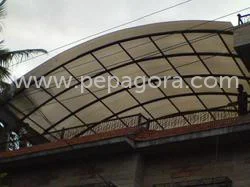
Polycarbonate Sheets: Lightweight and transparent, polycarbonate sheets are suitable for applications requiring natural light, such as greenhouses and skylights.
Corrugated Sheets: These sheets feature a wavy design that enhances strength and insulation. They are commonly used in residential roofing and agricultural buildings.
Trapezoidal Sheets: With a distinctive trapezoidal profile, these sheets are popular in industrial settings due to their structural integrity and aesthetic appeal.
𝗕𝗲𝗻𝗲𝗳𝗶𝘁𝘀 𝗮𝗻𝗱 𝗔𝗱𝘃𝗮𝗻𝘁𝗮𝗴𝗲𝘀
Investing in roofing sheet fabricators offers numerous benefits for businesses and projects.
1. Durability: Roofing sheets are designed to withstand harsh weather conditions, ensuring long-lasting performance.
2. Cost-Effectiveness: High-quality roofing sheets require minimal maintenance, resulting in lower long-term costs for building owners.
3. Energy Efficiency: Many roofing sheets come with insulative properties, helping to reduce energy consumption and costs.
4. Aesthetic Variety: With multiple colors and profiles available, roofing sheets can enhance the visual appeal of buildings.
5. Quick Installation: Lightweight roofing sheets are easier to handle and install, reducing labor costs and construction time.
6. Environmental Sustainability: Many roofing materials are recyclable, contributing to sustainable building practices.
𝗕𝘂𝘆𝗶𝗻𝗴 𝗚𝘂𝗶𝗱𝗲 𝗳𝗼𝗿 𝗕𝟮𝗕 𝗕𝘂𝘆𝗲𝗿𝘀
When sourcing roofing sheet fabricators, buyers should consider several important factors to ensure they make informed decisions.
1. Quality Assessment: Evaluate the quality of materials and manufacturing processes. Look for certifications that indicate compliance with industry standards.
2. Supplier Verification: Conduct thorough background checks on suppliers to verify their reputation and reliability. Reviews and references can provide valuable insights.
3. Pricing and MOQ: Understand the pricing structure and minimum order quantities. Ensure they align with your budget and project needs.
4. Delivery and Lead Times: Consider the logistics of delivery and the expected lead times to avoid project delays. Clear communication with suppliers can help set realistic timelines.
5. Compliance Requirements: Ensure that the roofing sheets meet local building codes and regulations. This may include specific safety and environmental standards.
𝗖𝗼𝗺𝗽𝗹𝗶𝗮𝗻𝗰𝗲 𝗮𝗻𝗱 𝗖𝗲𝗿𝘁𝗶𝗳𝗶𝗰𝗮𝘁𝗶𝗼𝗻𝘀
Roofing sheet fabricators are subject to various quality standards and certifications that ensure their products meet industry requirements.
One of the key standards is ISO 9001, which pertains to quality management systems. Manufacturers adhering to ISO 9001 demonstrate their commitment to maintaining high-quality production processes.
Additionally, the CE marking is an important certification that indicates compliance with European safety and environmental standards. This certification assures buyers that the products meet rigorous testing and quality assurance protocols.
Safety and testing requirements are also critical in the roofing sheet industry. Manufacturers must ensure their products withstand various environmental conditions, including fire resistance and impact tests.
Regionally, compliance considerations may vary, so it is essential for buyers to understand the specific regulations applicable to their location. This ensures that the roofing materials will perform effectively and safely in their intended applications.
𝗪𝗵𝘆 𝗦𝗼𝘂𝗿𝗰𝗲 𝗥𝗼𝗼𝗳𝗶𝗻𝗴 𝗦𝗵𝗲𝗲𝘁 𝗙𝗮𝗯𝗿𝗶𝗰𝗮𝘁𝗼𝗿𝘀 𝗳𝗿𝗼𝗺 𝗣𝗲𝗽𝗮𝗴𝗼𝗿𝗮?
Pepagora provides a trusted platform for sourcing roofing sheet fabricators, offering several key advantages that benefit buyers.
The verified supplier network ensures that all listed fabricators have undergone rigorous checks, providing buyers with confidence in their sourcing decisions. This verification process includes both quality assessments and supplier reliability evaluations.
The streamlined RFQ process simplifies the way buyers request quotations. This user-friendly system enables quick comparisons between suppliers, helping businesses find the best options for their projects.
Pepagora also emphasizes trade assurance and support. Buyers can access assistance throughout the purchasing process, ensuring protection and support from order placement to delivery.
With regional coverage extending across India, the GCC, and Southeast Asia, Pepagora connects buyers with local suppliers. This geographic reach enhances accessibility and allows for tailored solutions to meet diverse market needs.
Newly Added


Recently Added
Sree Engineering Equipments
Industrial Hydraulic Press Machine For Metalworking And Automotive
Industrial Hydraulic Power Press Machine For Metal Forming And Bending
Industrial Electric Hydraulic Power Pack Cylinders Durable Reliable OEM
Beijing Holland Tech Co. Limited
Industrial PCB Insulating Plate Press For Precision Lamination
Industrial Precision Insulation Board Sawing Machine For Clean Cuts
Industrial Transformer Insulator Precision Cardboard Batten Chamfering Machine
D. V. Technocrats
Industrial Profiled Polycarbonate Sheets For Roofing And Skylights
Structural Polycarbonate Sheets High Impact UV Protection Thermal Insulation
Industrial Commercial Roofing Cladding Profiled Base Sheets Durable Corrosion Resistant
Why Businesses Trust Pepagora
Thousands of companies trust Pepagora to source smarter and sell faster
Expand Your Sales Globally
25000+Products listed.Get discovered by global buyers
Tools to boost visibility
Build your own catalog

Source Smarter,Grow Faster
4000+Active RFQs
100+ Countries served
Easy Sourcing Tools
