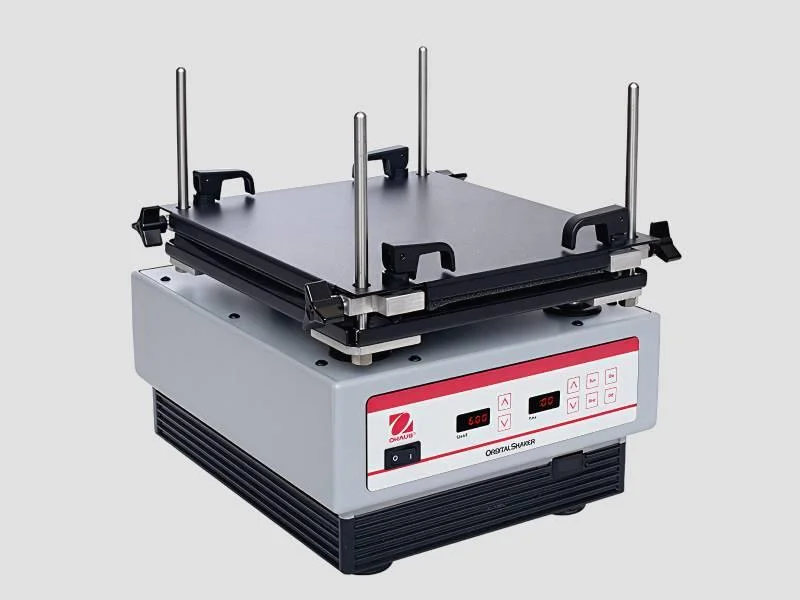
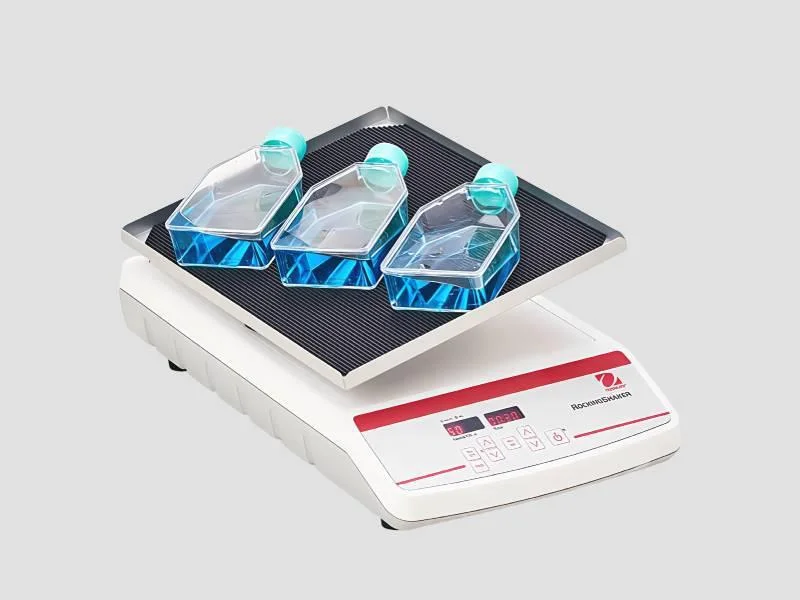
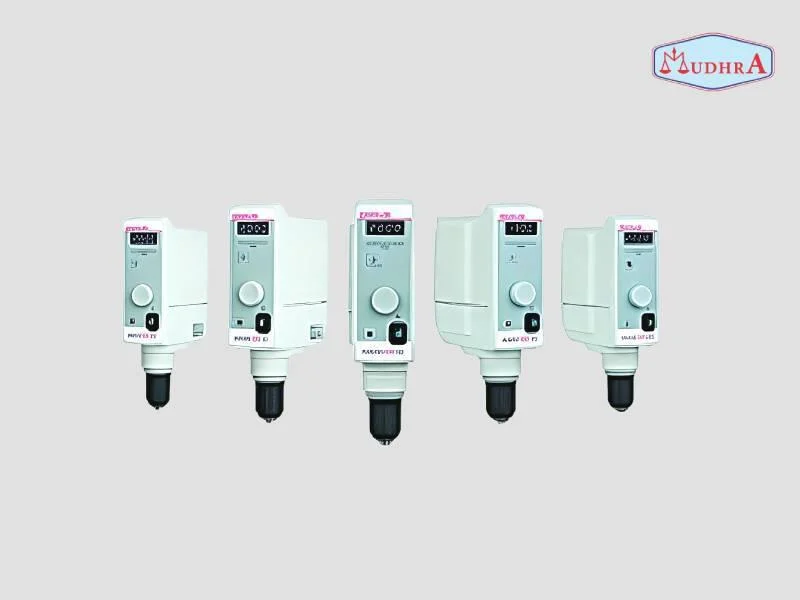
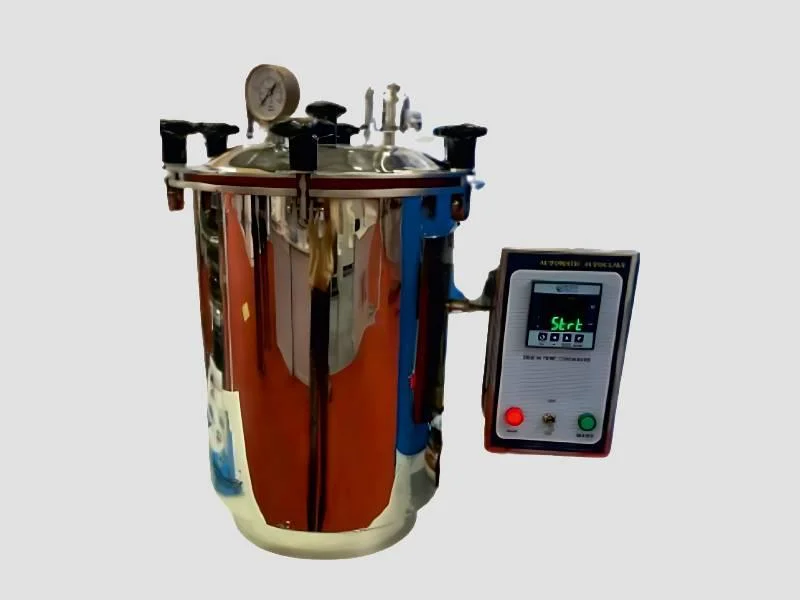
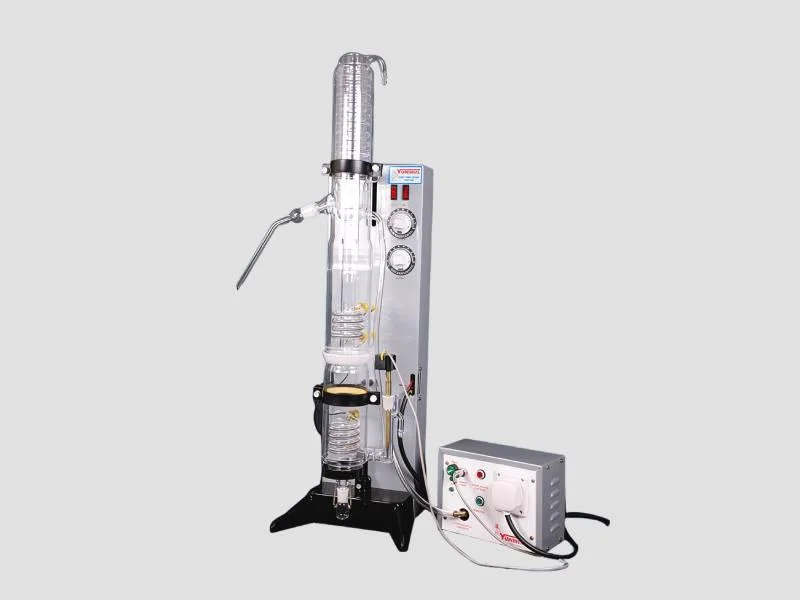
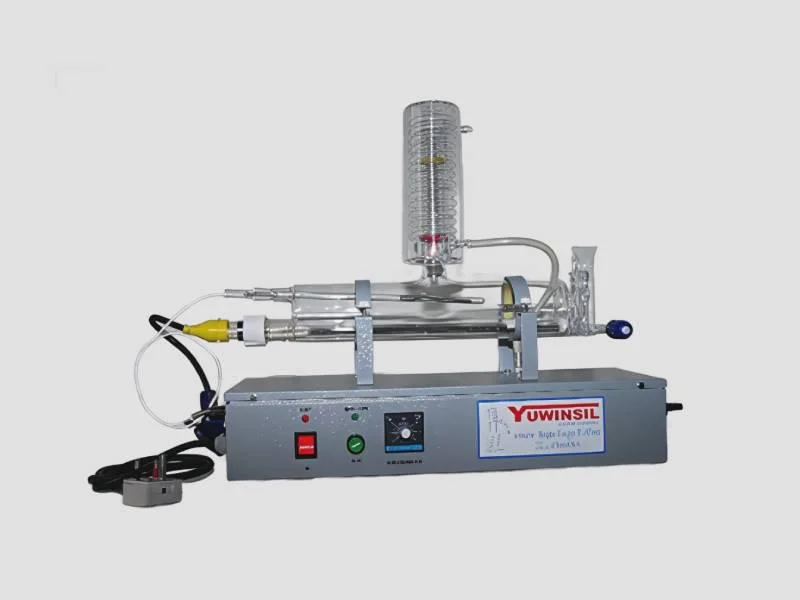
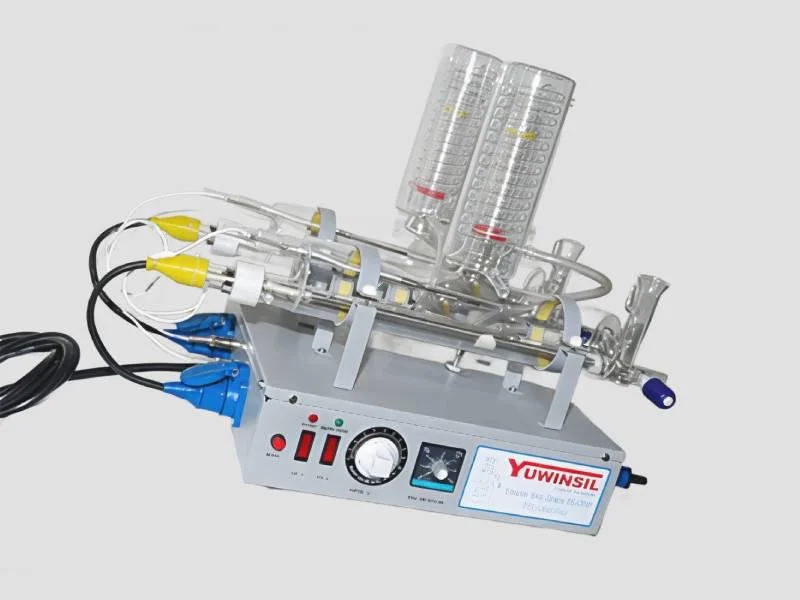
𝗪𝗵𝗮𝘁 𝗮𝗿𝗲 𝗣𝗵𝗮𝗿𝗺𝗮𝗰𝗲𝘂𝘁𝗶𝗰𝗮𝗹 𝗠𝗮𝗰𝗵𝗶𝗻𝗲𝗿𝘆?
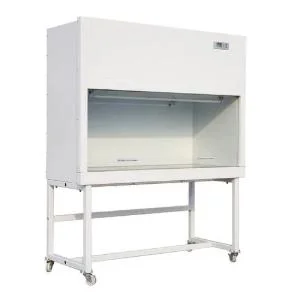
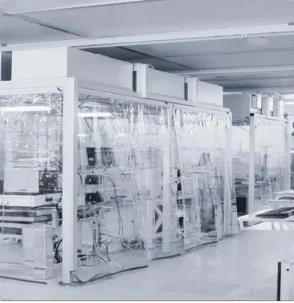
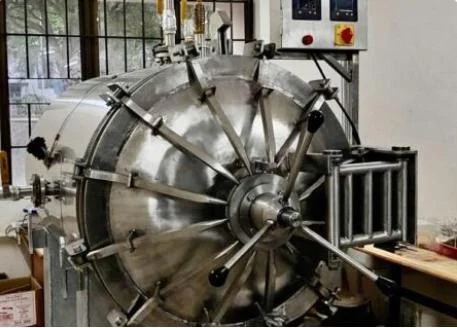
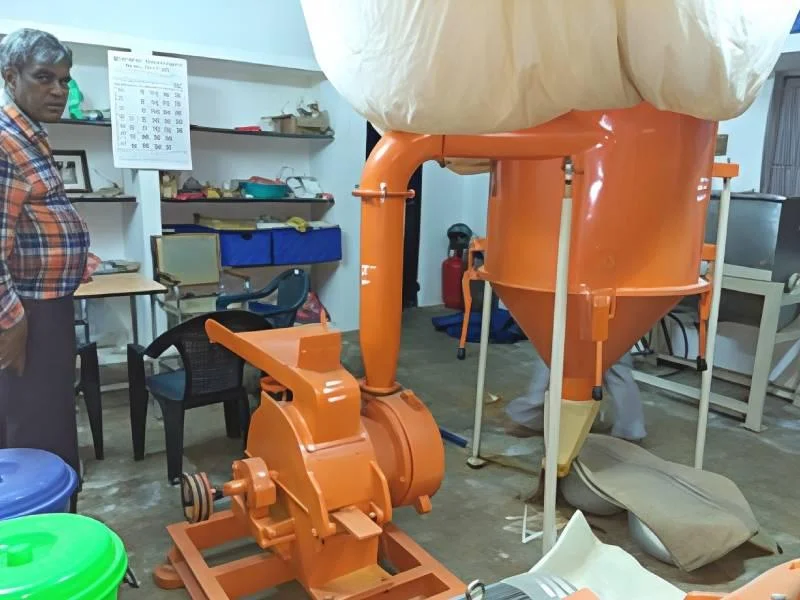
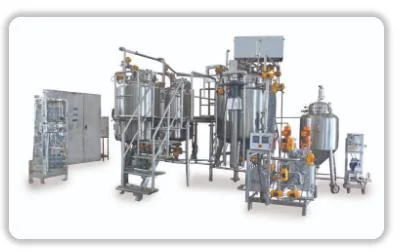
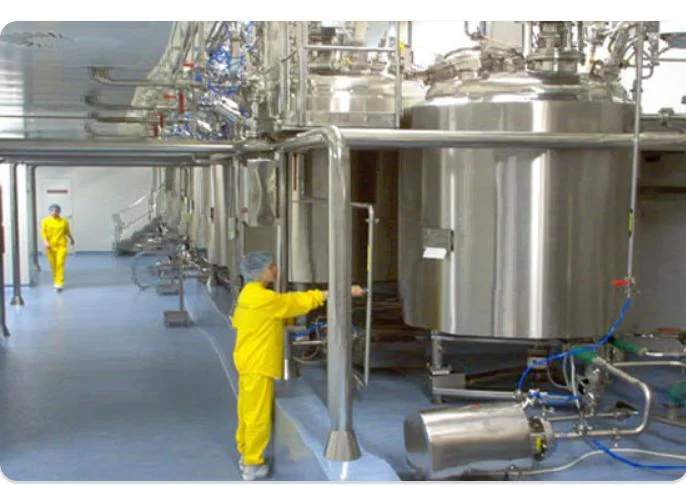
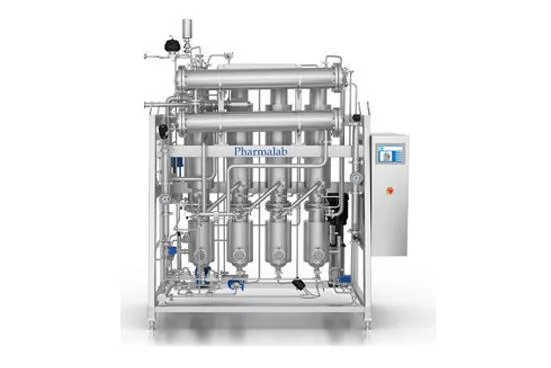
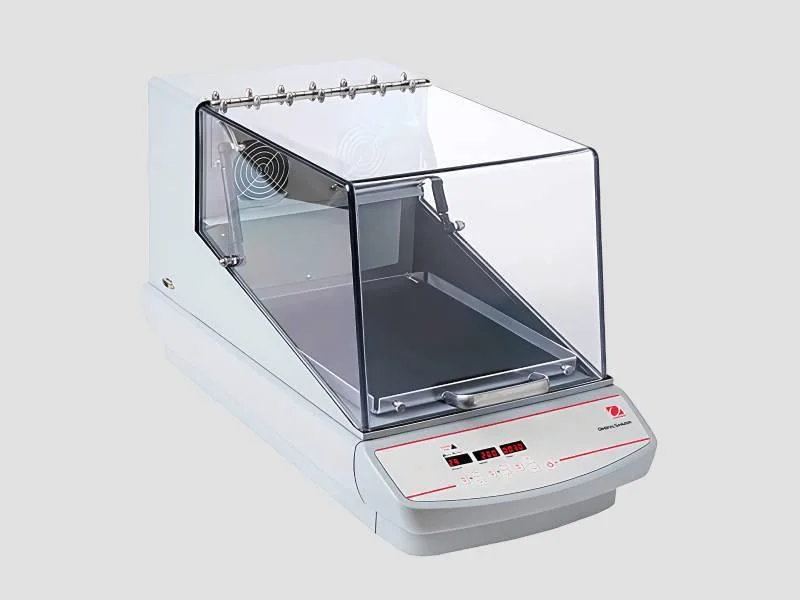
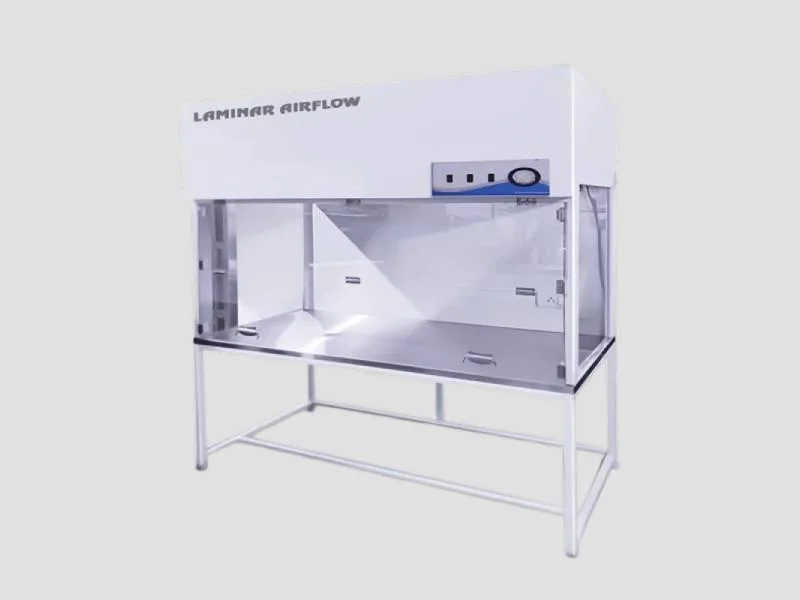
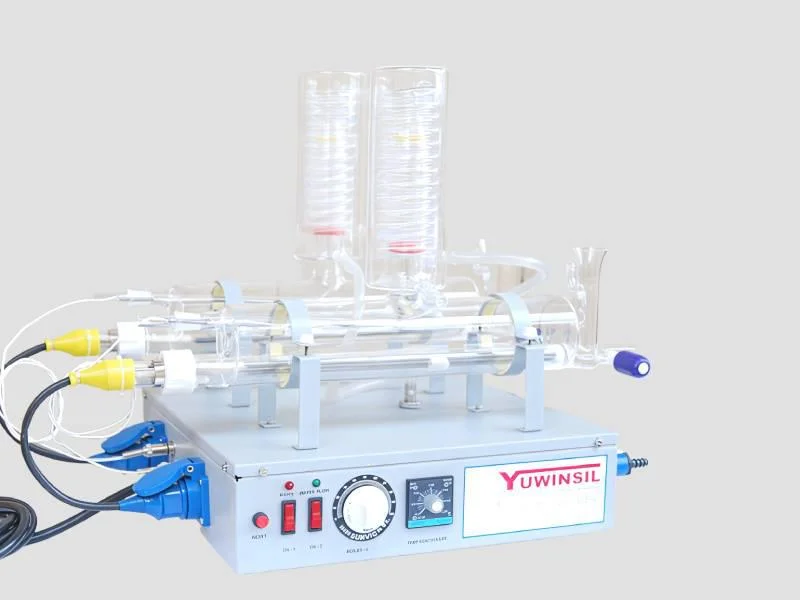
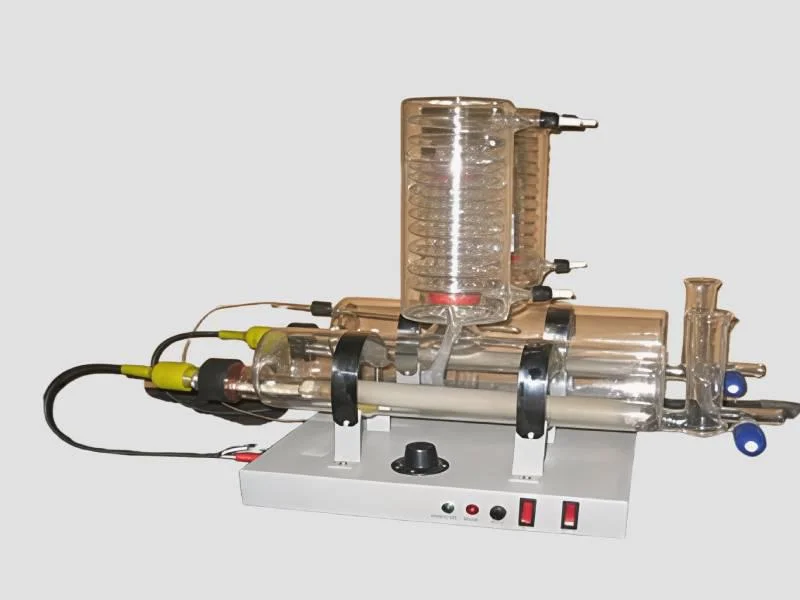
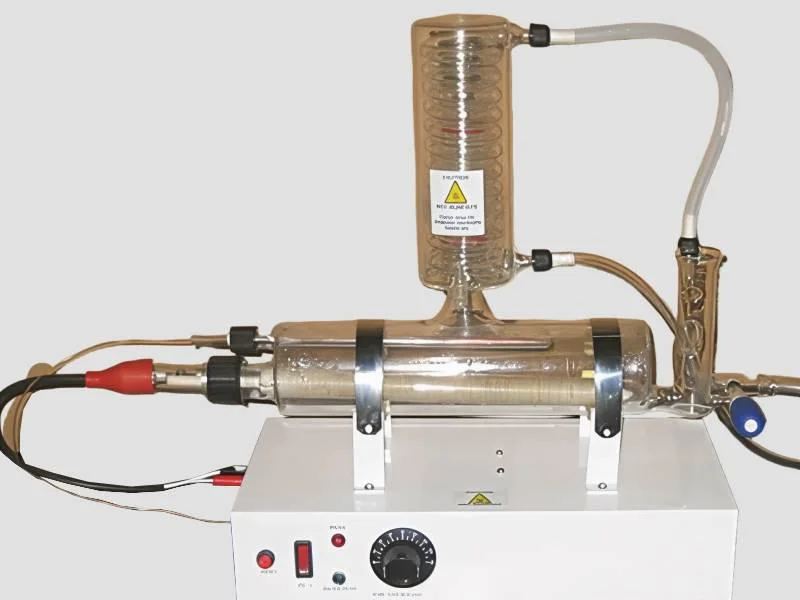
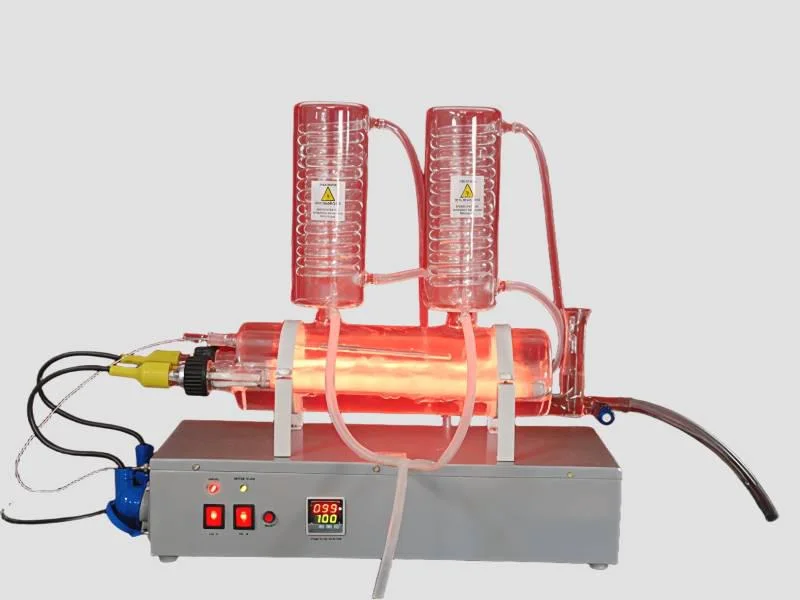
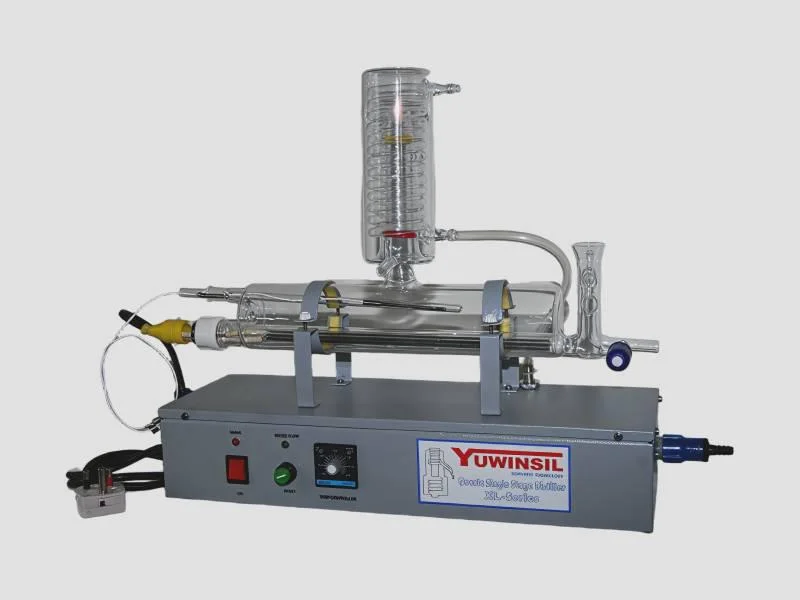
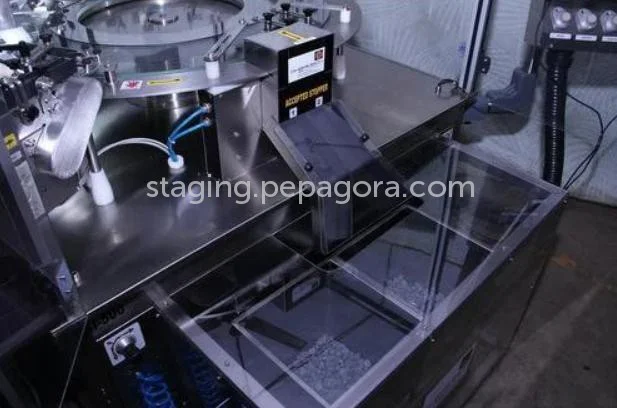
Pharmaceutical machinery refers to specialized equipment used in the production and packaging of pharmaceutical products. This machinery is designed to meet the stringent quality and safety standards required in the pharmaceutical industry. It plays a crucial role in processes such as mixing, granulation, tablet compression, coating, and packaging, ensuring that medications are produced efficiently and effectively.
The primary uses of pharmaceutical machinery span various stages of drug manufacturing, from raw material processing to final product packaging. These machines are critical in ensuring the uniformity and quality of pharmaceutical products, which directly impact patient safety and efficacy. Businesses utilize this machinery to enhance productivity, reduce operational costs, and comply with strict regulatory requirements. The machinery is essential for pharmaceutical companies aiming to deliver high-quality medications to the market in a timely manner.
In the current market context, the pharmaceutical machinery industry is experiencing growth driven by increasing demand for generic drugs, biopharmaceuticals, and advancements in technology. As global health challenges rise, the need for efficient and reliable pharmaceutical production equipment becomes more pronounced. Companies are investing in modern machinery that meets regulatory standards and enhances operational efficiency to stay competitive in this evolving landscape.
𝗞𝗲𝘆 𝗙𝗲𝗮𝘁𝘂𝗿𝗲𝘀 𝗮𝗻𝗱 𝗦𝗽𝗲𝗰𝗶𝗳𝗶𝗰𝗮𝘁𝗶𝗼𝗻𝘀
Pharmaceutical machinery comes equipped with various features and specifications designed to optimize manufacturing processes and ensure compliance with industry standards. Understanding these specifications is vital for businesses looking to invest in reliable equipment.
Key specifications include:
1. Production Capacity
- Determines the volume of product that can be processed within a specific time frame.
- Varies based on equipment type, ranging from small batch sizes to large-scale production.
2. Automation Level
- Indicates the degree of automation in the machinery.
- Ranges from manual operation to fully automated systems, enhancing efficiency and reducing human error.
3. Material Compatibility
- Assesses the types of materials that the machinery can handle.
- Essential for ensuring that equipment can process various pharmaceutical formulations.
4. Safety Features
- Includes features such as emergency stop buttons and safety guards.
- Ensures operator safety and compliance with industry regulations.
5. Cleaning and Maintenance Requirements
- Evaluates the ease of cleaning and maintenance.
- Important for ensuring machine hygiene and optimal performance.
6. Energy Efficiency
- Measures the energy consumption of the machinery.
- Critical for reducing operational costs and promoting sustainability.
7. Size and Footprint
- Refers to the physical dimensions of the machinery.
- Important for space planning in manufacturing facilities.
8. Compliance Standards
- Ensures that the machinery meets relevant regulations and quality standards.
- Includes certifications such as CE, which indicates compliance with European health, safety, and environmental protection standards.
In summary, understanding these features and specifications is essential for businesses looking to invest in pharmaceutical machinery that meets their production needs while adhering to regulatory requirements.
𝗖𝗼𝗺𝗺𝗼𝗻 𝗔𝗽𝗽𝗹𝗶𝗰𝗮𝘁𝗶𝗼𝗻𝘀 𝗮𝗻𝗱 𝗨𝘀𝗲 𝗖𝗮𝘀𝗲𝘀
Pharmaceutical machinery serves a wide range of industries within the healthcare sector. Its applications are critical for ensuring the production of safe and effective pharmaceutical products.
1. Pharmaceutical Manufacturing: Machinery is used for blending, granulating, and tablet compression in the production of various medications, ensuring consistent quality and dosage.
2. Biotechnology: Equipment is essential for the production of biopharmaceuticals, including vaccines and monoclonal antibodies, where precision and sterility are paramount.
3. Nutraceuticals: Machinery is utilized in the production of dietary supplements, ensuring that formulations are mixed and packaged according to industry standards.
4. Contract Manufacturing: Companies providing contract manufacturing services rely on pharmaceutical machinery to produce medications for third-party clients, ensuring adherence to specific quality requirements.
5. Research and Development: In R&D settings, machinery is used for small-scale production and testing of new formulations, helping to expedite the drug development process.
6. Veterinary Medicine: Specialized pharmaceutical machinery is employed in the production of veterinary drugs, ensuring that they meet the same safety and efficacy standards as human medications.
7. Over-the-Counter Products: Equipment is used for the manufacturing of OTC medications, allowing for efficient production and packaging to meet consumer demand.
𝗣𝗿𝗼𝗱𝘂𝗰𝘁 𝗩𝗮𝗿𝗶𝗮𝗻𝘁𝘀 𝗮𝗻𝗱 𝗦𝘂𝗯𝗰𝗮𝘁𝗲𝗴𝗼𝗿𝗶𝗲𝘀
Pharmaceutical machinery encompasses a variety of types and models, each designed for specific applications in the pharmaceutical industry. The diversity of options allows companies to select equipment that best fits their production needs.
Tablet Presses: These machines are designed for compressing powdered materials into tablets. They offer varying production capacities and features that allow for precise tablet formation.
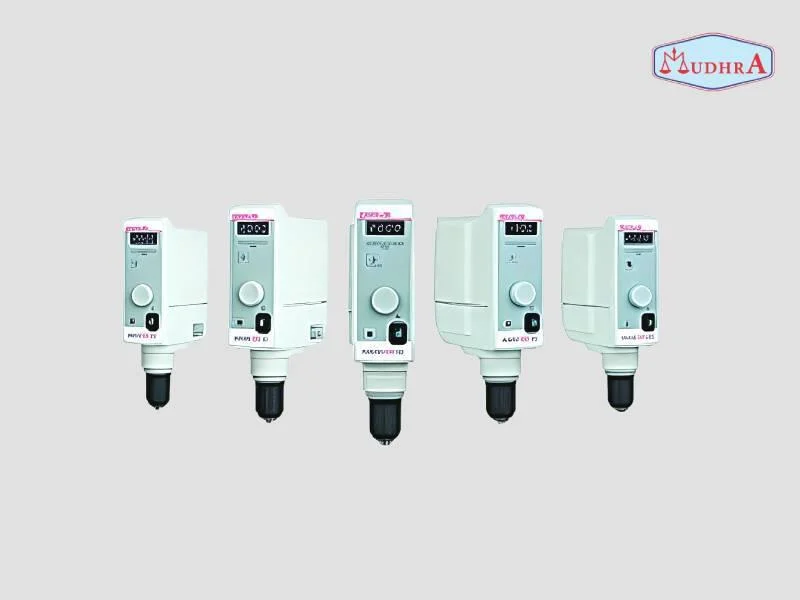
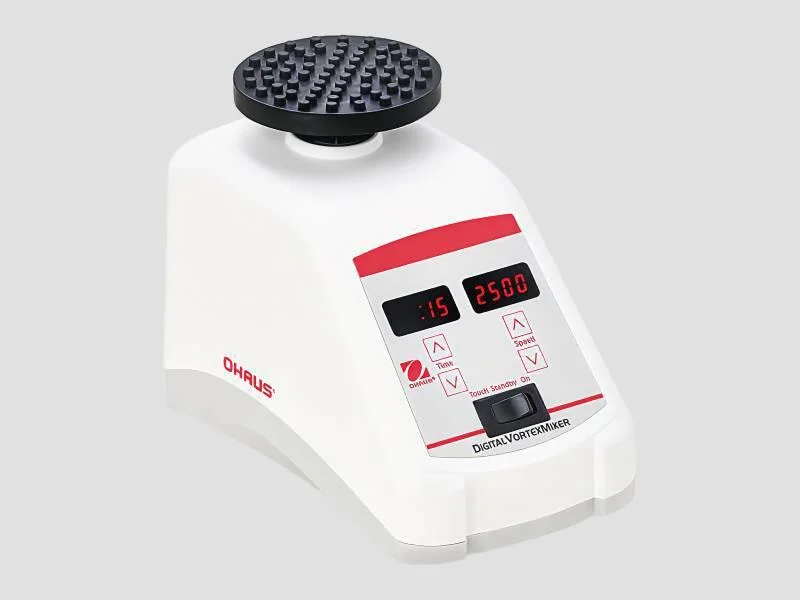
Mixers: Pharmaceutical mixers are used to blend active ingredients with excipients. They ensure uniformity and consistency in the formulation, which is critical for effective medication.
Coating Machines: These machines apply a coating to tablets or capsules, enhancing their appearance and protecting the active ingredients from environmental factors.
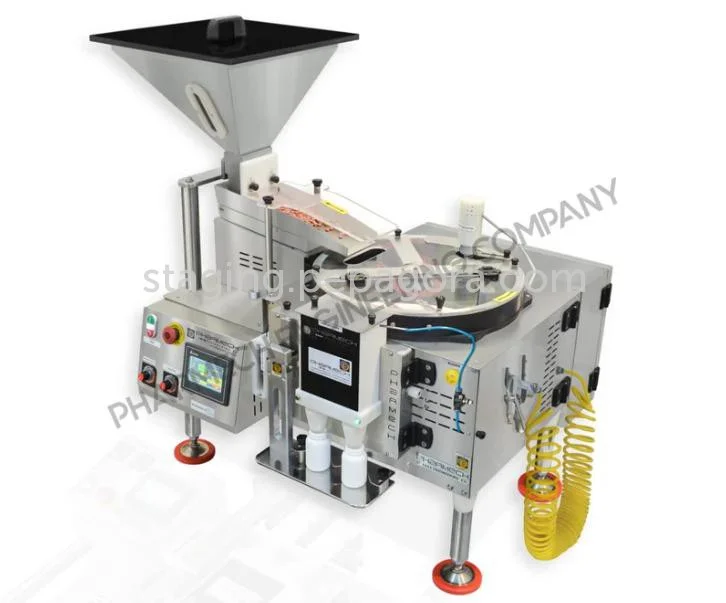
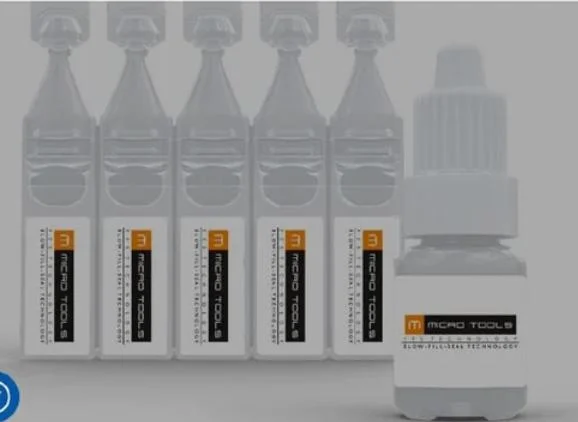
Filling Machines: Filling machines are essential for accurately dispensing liquids or powders into containers. They are widely used in the packaging of syrups, suspensions, and powders.
Granulators: Granulators are used to create granules from powders, improving flowability and compressibility for tablet production. They play a crucial role in the formulation process.
𝗕𝗲𝗻𝗲𝗳𝗶𝘁𝘀 𝗮𝗻𝗱 𝗔𝗱𝘃𝗮𝗻𝘁𝗮𝗴𝗲𝘀
Investing in pharmaceutical machinery offers numerous benefits for manufacturers in the pharmaceutical industry.
Key benefits include:
1. Enhanced Efficiency: Pharmaceutical machinery automates processes, reducing production time and increasing output.
2. Improved Quality Control: Advanced machinery provides precise control over manufacturing processes, ensuring consistent product quality.
3. Regulatory Compliance: High-quality machinery is designed to meet industry standards, helping companies comply with regulatory requirements.
4. Cost Savings: Efficient machinery reduces waste and lowers operational costs, contributing to better profit margins.
5. Scalability: Modular machinery allows for easy scaling of production to meet changing market demands.
6. Flexibility: Many machines can handle a variety of formulations, allowing for quick changes in production lines without extensive reconfiguration.
𝗕𝘂𝘆𝗶𝗻𝗴 𝗚𝘂𝗶𝗱𝗲 𝗳𝗼𝗿 𝗕𝟮𝗕 𝗕𝘂𝘆𝗲𝗿𝘀
When sourcing pharmaceutical machinery, there are several important factors to consider to ensure a successful investment.
1. Quality Assessment: Evaluate the quality and durability of the machinery. Look for equipment that meets international standards and has a proven track record in the industry.
2. Supplier Verification: Conduct thorough research on potential suppliers. Check their reputation, customer reviews, and certifications to ensure they are reliable and trustworthy.
3. Pricing and MOQ: Understand the pricing structure and minimum order quantities. Request quotations from multiple suppliers to compare costs and negotiate better terms.
4. Delivery and Lead Times: Inquire about delivery schedules and lead times. Ensure that the supplier can meet your timeline for production needs.
5. Compliance Requirements: Verify that the machinery complies with relevant regulations and certifications, such as CE standards. This is crucial for ensuring product safety and marketability.
𝗖𝗼𝗺𝗽𝗹𝗶𝗮𝗻𝗰𝗲 𝗮𝗻𝗱 𝗖𝗲𝗿𝘁𝗶𝗳𝗶𝗰𝗮𝘁𝗶𝗼𝗻𝘀
Compliance and certifications play a critical role in the pharmaceutical machinery industry. Equipment must meet various quality standards to ensure safety and efficacy in drug production.
Relevant quality standards include ISO 9001, which focuses on quality management systems, and HACCP, which addresses food safety. These standards help ensure that machinery operates efficiently and produces safe products.
Industry certifications, such as CE, indicate that the machinery complies with European health, safety, and environmental protection regulations. This certification is essential for companies looking to market their products in Europe.
Safety and testing requirements are also critical. Machinery must undergo rigorous testing to ensure it meets operational safety standards. Additionally, companies must consider regional compliance, as regulations may vary by country.
𝗪𝗵𝘆 𝗦𝗼𝘂𝗿𝗰𝗲 𝗣𝗵𝗮𝗿𝗺𝗮𝗰𝗲𝘂𝘁𝗶𝗰𝗮𝗹 𝗠𝗮𝗰𝗵𝗶𝗻𝗲𝗿𝘆 𝗳𝗿𝗼𝗺 𝗣𝗲𝗽𝗮𝗴𝗼𝗿𝗮?
Pepagora provides a trusted platform for sourcing pharmaceutical machinery with several key advantages that cater to the needs of B2B buyers.
Verified Supplier Network: Pepagora offers access to a network of verified suppliers, ensuring that buyers can find reputable manufacturers with a history of delivering quality products.
Streamlined RFQ Process: The platform features a streamlined Request for Quotation (RFQ) process that simplifies the procurement journey, allowing buyers to receive competitive quotes from multiple suppliers quickly.
Trade Assurance and Support: Pepagora provides trade assurance, offering buyers protection throughout the purchasing process. This includes support for resolving issues and ensuring timely delivery.
Regional Coverage: With a focus on regions like India, the Gulf Cooperation Council (GCC), and Southeast Asia, Pepagora helps connect buyers with suppliers in these markets, facilitating efficient sourcing and expanding business opportunities.

 IN
IN