
 IN
INundefined
Autoclaves & Sterilizers
91 products available
𝗪𝗵𝗮𝘁 𝗮𝗿𝗲 𝗔𝘂𝘁𝗼𝗰𝗹𝗮𝘃𝗲𝘀 & 𝗦𝘁𝗲𝗿𝗶𝗹𝗶𝘇𝗲𝗿𝘀?
Autoclaves and sterilizers are essential devices used for sterilization in various industries. An autoclave uses high-pressure steam to eliminate bacteria, viruses, and other microorganisms from equipment and materials. This process ensures that items are free from contaminants, making them safe for use in critical applications. Sterilizers encompass a broader category, which includes any device or method that achieves sterilization.
These devices are primarily used in healthcare environments such as hospitals and laboratories, as well as in industries like food processing, pharmaceuticals, and biotechnology. Their critical function is to ensure that tools and materials are sterilized before use, preventing infections and contamination. In a market driven by stringent safety and quality standards, autoclaves and sterilizers play a crucial role in maintaining industry compliance and protecting public health.
𝗞𝗲𝘆 𝗙𝗲𝗮𝘁𝘂𝗿𝗲𝘀 𝗮𝗻𝗱 𝗦𝗽𝗲𝗰𝗶𝗳𝗶𝗰𝗮𝘁𝗶𝗼𝗻𝘀
Autoclaves and sterilizers come equipped with various features that enhance their functionality and safety. Understanding these specifications is vital for businesses when selecting the right model for their needs.
Key specifications include:
1. Capacity
- Determines the volume of items that can be processed at one time.
- Common ranges include small (10-20 liters) to large (100 liters or more).
2. Temperature Control
- Essential for achieving effective sterilization.
- Typical ranges are between 121°C to 134°C.
3. Pressure Settings
- Allows for the adjustment of steam pressure for different sterilization cycles.
- Standard settings often range from 15 to 30 psi.
4. Cycle Time
- Refers to the time taken to complete a sterilization cycle.
- Cycle times can vary from 30 minutes to several hours.
5. Safety Features
- Includes automatic shut-off, pressure relief valves, and door locking mechanisms.
- Designed to prevent accidents and ensure user safety.
6. Monitoring Systems
- Enables real-time tracking of sterilization cycles.
- Often includes digital displays and data logging capabilities.
7. Compliance Standards
- Must meet industry regulations such as CE certification.
- Ensures that the device adheres to safety and quality benchmarks.
8. User Interface
- Refers to the ease of operation, including digital controls and programming options.
- User-friendly interfaces help in minimizing errors during operation.
In summary, understanding the key features and specifications of autoclaves and sterilizers is crucial for making informed purchasing decisions.
𝗖𝗼𝗺𝗺𝗼𝗻 𝗔𝗽𝗽𝗹𝗶𝗰𝗮𝘁𝗶𝗼𝗻𝘀 𝗮𝗻𝗱 𝗨𝘀𝗲 𝗖𝗮𝘀𝗲𝘀
Autoclaves and sterilizers serve a wide range of industries, each with specific applications that highlight their importance.
1. Healthcare: Autoclaves are extensively used in hospitals for sterilizing surgical instruments and medical equipment to prevent infections.
2. Pharmaceuticals: These devices are crucial for ensuring that production equipment and containers are sterilized, maintaining product integrity and safety.
3. Biotechnology: Research laboratories utilize autoclaves for sterilizing microbiological media and cultures to prevent contamination.
4. Food Processing: Sterilizers play a key role in ensuring food safety by eliminating pathogens and spoilage organisms in packaged food products.
5. Veterinary Services: Veterinary clinics employ autoclaves to sterilize surgical tools and equipment used in animal care.
6. Tattoo and Body Piercing: Sterilization of tools is essential in the tattoo industry to ensure the safety of clients and prevent infections.
7. Educational Institutions: Science labs in schools and universities use autoclaves to sterilize lab equipment and materials used in experiments.
𝗣𝗿𝗼𝗱𝘂𝗰𝘁 𝗩𝗮𝗿𝗶𝗮𝗻𝘁𝘀 𝗮𝗻𝗱 𝗦𝘂𝗯𝗰𝗮𝘁𝗲𝗴𝗼𝗿𝗶𝗲𝘀
The diversity of autoclaves and sterilizers allows businesses to choose models that best suit their specific needs.
Benchtop Autoclaves: These compact devices are ideal for small labs and clinics. They offer efficient sterilization for smaller loads and are easy to operate.
Steam Sterilizers: These units utilize steam under pressure to achieve sterilization. They are widely used in healthcare and laboratory settings due to their effectiveness.
Large Industrial Sterilizers: Designed for high-capacity sterilization, these units cater to large-scale operations in pharmaceutical and food processing industries.
Portable Autoclaves: These models are designed for field use, making them suitable for remote locations or on-site sterilization needs.
𝗕𝗲𝗻𝗲𝗳𝗶𝘁𝘀 𝗮𝗻𝗱 𝗔𝗱𝘃𝗮𝗻𝘁𝗮𝗴𝗲𝘀
Using autoclaves and sterilizers offers several key benefits that can enhance operational efficiency and safety.
1. Effective Sterilization: High temperatures and pressures ensure the complete eradication of microorganisms, delivering reliable results.
2. Compliance Assurance: Meeting industry standards and regulations helps businesses maintain compliance and avoid legal issues.
3. Cost Efficiency: Investing in quality sterilization equipment reduces the risk of infections and associated costs from potential product recalls or lawsuits.
4. Versatile Applications: Suitable for various industries, autoclaves and sterilizers can be adapted to meet different sterilization needs.
5. Enhanced Safety: Built-in safety features protect users from potential hazards associated with high-pressure steam and temperature.
6. Time-Saving: Automated cycles and monitoring systems streamline the sterilization process, allowing for quicker turnaround times.
𝗕𝘂𝘆𝗶𝗻𝗴 𝗚𝘂𝗶𝗱𝗲 𝗳𝗼𝗿 𝗕𝟮𝗕 𝗕𝘂𝘆𝗲𝗿𝘀
When sourcing autoclaves and sterilizers, it is important for buyers to consider several key factors to ensure they make the right choice.
1. Quality Assessment: Evaluate the quality of the equipment by reviewing manufacturer credentials, customer reviews, and product testing results.
2. Supplier Verification: Vet potential suppliers by checking their reputation, certifications, and previous client feedback to ensure reliability.
3. Pricing and MOQ: Understand the pricing structure and minimum order quantities required by suppliers to avoid unexpected costs.
4. Delivery and Lead Times: Discuss logistics with suppliers to establish realistic delivery timelines that align with operational needs.
5. Compliance Requirements: Ensure that the autoclaves and sterilizers meet all necessary regulatory and safety standards relevant to your industry.
𝗖𝗼𝗺𝗽𝗹𝗶𝗮𝗻𝗰𝗲 𝗮𝗻𝗱 𝗖𝗲𝗿𝘁𝗶𝗳𝗶𝗰𝗮𝘁𝗶𝗼𝗻𝘀
Compliance and certifications are critical aspects of autoclaves and sterilizers, impacting both functionality and marketability.
Relevant quality standards such as ISO 9001 and HACCP ensure that manufacturers adhere to consistent production practices, which are crucial for maintaining product quality and safety.
Industry certifications like CE indicate that the equipment meets European safety, health, and environmental protection standards. This certification is vital for gaining trust in international markets.
Safety and testing requirements are essential to guarantee that the devices operate effectively without posing risks to users. Regular testing for performance and safety features helps in identifying any potential issues before they become problematic.
Regional compliance considerations also play a role, as different markets may have specific regulations regarding the operation and certification of sterilization equipment. Understanding these regional requirements is vital for businesses looking to source autoclaves and sterilizers globally.
𝗪𝗵𝘆 𝗦𝗼𝘂𝗿𝗰𝗲 𝗔𝘂𝘁𝗼𝗰𝗹𝗮𝘃𝗲𝘀 & 𝗦𝘁𝗲𝗿𝗶𝗹𝗶𝘇𝗲𝗿𝘀 𝗳𝗿𝗼𝗺 𝗣𝗲𝗽𝗮𝗴𝗼𝗿𝗮?
Pepagora provides a trusted platform for sourcing autoclaves and sterilizers, offering several key advantages that benefit B2B buyers.
Verified Supplier Network: Pepagora takes pride in connecting buyers with verified suppliers. This network ensures that all suppliers meet industry standards for quality and reliability, reducing the risk of subpar products.
Streamlined RFQ Process: The platform simplifies the request for quotation process, allowing buyers to easily compare prices and specifications from multiple suppliers. This transparency helps in making informed purchasing decisions.
Trade Assurance and Support: Pepagora offers trade assurance, providing an added layer of protection for buyers. This support helps mitigate risks associated with ordering equipment from unfamiliar suppliers.
Regional Coverage: With a focus on regions such as India, the GCC, and Southeast Asia, Pepagora ensures that buyers have access to a wide range of products tailored to their specific market needs. This geographic reach enhances the sourcing process and ensures timely delivery.
Newly Added







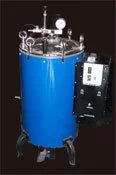

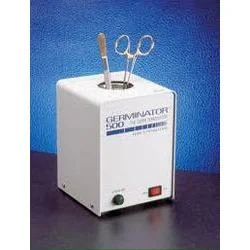


Recently Added
B. D. Instrumentation India
Industrial Hot Air Universal Oven with Stainless Steel Chamber
BDI 129 Horizontal Laminar Air Flow Cabinet HEPA Filtration Sterile Workspace
Laboratory BOD Incubator Double Wall Temperature Control
Frontline Electronics And Machinery Private Limited
Industrial Probe Sonicators For Cell Disruption And Nano Emulsion
Industrial Ultrasonic Cleaning Equipment Metal 300deg/cm Curie 150 Ohm
Industrial Vapour Degreasers Manual Metal Cleaning OEM Supply
Hari Om Scientific Traders
Lab Moisture Balance for Food, Pharma, and Quality Control Analysis
Industrial Microbiology Lab OEM Colony Counter With Tough Construction
Premium Laboratory Distillation Apparatus for Precise Separation and Purification
Bio Techture
Laboratory Water Jacketed CO2 Incubator With HEPA Filtration
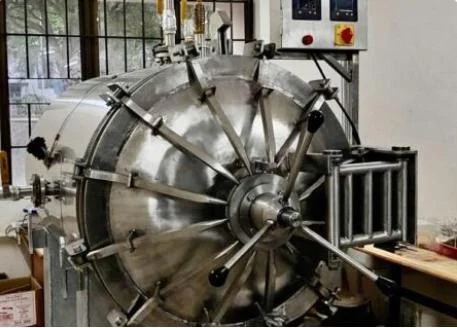
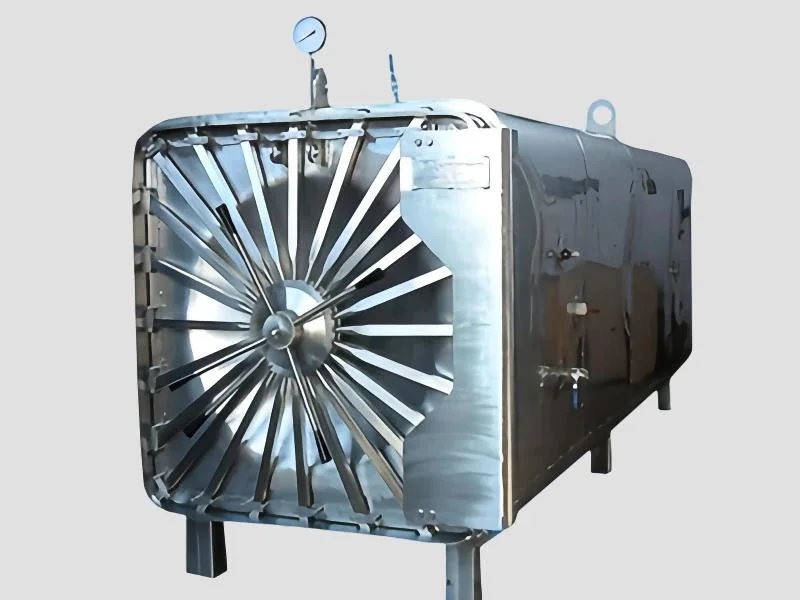
Pharmaceutical Laboratory Horizontal Autoclave Steam Sterilization System
Laboratory Thermostatic Baths For Precise Temperature Control
Auto Therm Equipments Corporation
Industrial Furnace Oil Fired Drop Bottom 1 100 Ton Capacity
Industrial Cokeless Cupola Furnace 1 100 Tons/Hr 380V DC Power
Steel Plant Pre Heating Pusher Type Furnace 10C Uniformity
Global Corporation
Industrial Bakery Oven High Capacity Commercial Baking Equipment
Industrial High Temperature Oven with Digital PID Controller and PT 100 Sensor
Precision Laboratory Oven Uniform Temperature Control For Labs
Lab-Care Instruments & Services
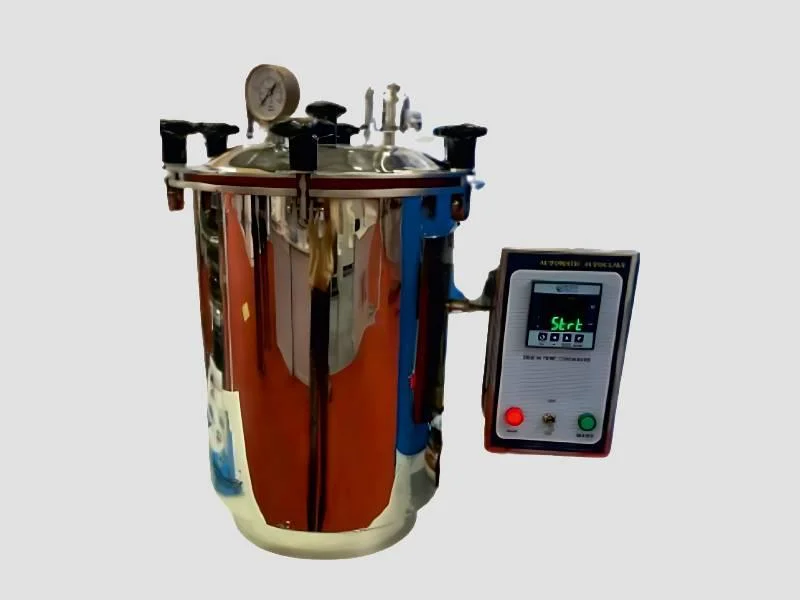
Portable Autoclaves 35L To 213L For Medical Dental Veterinary
Lab Industrial Muffle Furnace High Temperature Precision Durable
Laboratory Constant Temperature Water Bath Digital Display Precise Control
Vani Fab Engineers Pvt Ltd
Industrial Agitated Nutsche Filter Metal OEM New Standard Durable
Industrial U Tube Bundle Heat Exchanger Metal OEM 220 460V DC
Industrial Shell And Tube Heat Exchanger Metal DC Power 220 460V
Olympus Engineering Company
Industrial Fluid Bed Dryer For Pharmaceuticals Chemicals Food Processing
Pharmaceutical Hot Air Sterilizer 500L To 2300L Cgmp Compliant
Industrial Octagonal Ribbon Blenders For Dry Powder Mixing
Bio Globus
Lab Sterilized Square Petri Dishes 10mm Grid Vented Non Vented
Laboratory Eppendorf Micro Pipette Tips Sterile Bulk 0.5 20l
Premium Polystyrene Tubes High Clarity Secure Grip Stoppers
Why Businesses Trust Pepagora
Thousands of companies trust Pepagora to source smarter and sell faster
Expand Your Sales Globally
25000+Products listed.Get discovered by global buyers
Tools to boost visibility
Build your own catalog

Source Smarter,Grow Faster
4000+Active RFQs
100+ Countries served
Easy Sourcing Tools
