
 IN
INundefined
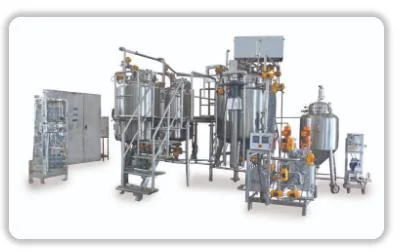
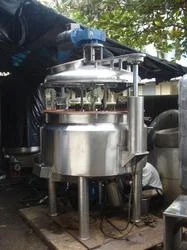
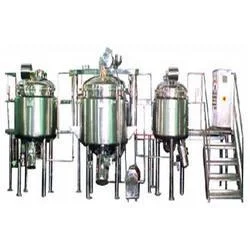
Ointment Manufacturing Plants
4 products available
𝗪𝗵𝗮𝘁 𝗮𝗿𝗲 𝗢𝗶𝗻𝘁𝗺𝗲𝗻𝘁 𝗠𝗮𝗻𝘂𝗳𝗮𝗰𝘁𝘂𝗿𝗶𝗻𝗴 𝗣𝗹𝗮𝗻𝘁𝘀?
Ointment manufacturing plants are specialized facilities designed for the production of ointments and similar topical formulations. These plants incorporate advanced technology and equipment to ensure efficient processing, mixing, and packaging of ointments, creams, and gels. They are equipped to handle a variety of formulations, from simple ointments to more complex emulsions, adapting to the specific needs of manufacturers.
These facilities are primarily used in the pharmaceutical and cosmetic industries. They play a crucial role in the creation of products that require precise formulation and stringent quality control. Applications range from therapeutic ointments used for medical treatment to cosmetic creams designed for skincare. The relevance of ointment manufacturing plants in today’s market cannot be overstated, as the demand for high-quality topical products continues to rise in both consumer and professional sectors.
The ointment manufacturing industry faces increasing pressure to meet regulatory standards while also keeping pace with technological advancements. As the market expands, manufacturers are investing in more sophisticated plants to enhance productivity and meet consumer expectations for quality and safety.
𝗞𝗲𝘆 𝗙𝗲𝗮𝘁𝘂𝗿𝗲𝘀 𝗮𝗻𝗱 𝗦𝗽𝗲𝗰𝗶𝗳𝗶𝗰𝗮𝘁𝗶𝗼𝗻𝘀
Ointment manufacturing plants are equipped with various features that enhance their functionality and efficiency. Understanding the key specifications is crucial for making informed purchasing decisions.
Key specifications include:
1. Production Capacity
- The output capability measured in liters or kilograms per hour.
- Ranges vary based on plant size and design, typically from small-scale (100 kg/h) to large-scale (over 1000 kg/h).
2. Mixing Technology
- Includes high-shear mixers and vacuum emulsifiers for uniform blending.
- Ensures consistent product quality with minimal air incorporation.
3. Temperature Control Systems
- Precise heating and cooling systems to maintain optimal processing temperatures.
- Critical for emulsification and stability of sensitive ingredients.
4. Automation Level
- Degree of automation in processes such as mixing, filling, and packaging.
- Higher automation leads to improved efficiency and reduced labor costs.
5. Cleaning and Maintenance Features
- CIP (Clean-In-Place) systems that simplify sanitation processes.
- Helps to meet hygiene standards and reduces downtime.
6. Compliance with Regulatory Standards
- Designed to meet various industry regulations including GMP (Good Manufacturing Practices).
- Essential for ensuring product safety and quality.
7. Material of Construction
- Typically made from stainless steel to prevent contamination.
- Resistant to corrosion and easy to clean.
8. Safety Features
- Emergency shut-off systems and safety interlocks to protect operators.
- Vital for maintaining a safe working environment.
In summary, the right specifications determine the efficiency and effectiveness of ointment manufacturing plants, impacting overall production quality and compliance with industry standards.
𝗖𝗼𝗺𝗺𝗼𝗻 𝗔𝗽𝗽𝗹𝗶𝗰𝗮𝘁𝗶𝗼𝗻𝘀 𝗮𝗻𝗱 𝗨𝘀𝗲 𝗖𝗮𝘀𝗲𝘀
Ointment manufacturing plants are versatile and serve various industries.
1. Pharmaceutical Industry: These plants are essential for producing medicated ointments, creams, and gels used in the treatment of skin conditions, infections, and other health-related issues.
2. Cosmetic Industry: They manufacture beauty products such as moisturizers, sunscreens, and anti-aging creams that require precise formulation and quality control.
3. Veterinary Industry: Ointments for animal health, including therapeutic and grooming products, are produced in specialized plants designed for veterinary applications.
4. Personal Care Industry: Manufacturing of topical applications for personal hygiene, such as anti-chafing creams and protective balms, is common in these facilities.
5. Nutraceutical Industry: Plants also produce topical applications that deliver vitamins and supplements through the skin, catering to health-conscious consumers.
6. Specialty Chemical Industry: Some plants focus on producing niche products like herbal ointments and botanical creams, catering to specific market demands.
7. Research and Development: Facilities often support R&D efforts for new formulations, enabling companies to innovate and meet evolving consumer needs.
𝗣𝗿𝗼𝗱𝘂𝗰𝘁 𝗩𝗮𝗿𝗶𝗮𝗻𝘁𝘀 𝗮𝗻𝗱 𝗦𝘂𝗯𝗰𝗮𝘁𝗲𝗴𝗼𝗿𝗶𝗲𝘀
Ointment manufacturing plants come in various configurations and designs to meet specific production needs.
Compact Ointment Manufacturing Plant
This variant is designed for smaller production runs and is ideal for startups or companies looking to produce niche products. It offers flexibility and can be easily integrated into existing facilities.
Modular Ointment Manufacturing Plant
These plants consist of interchangeable components, allowing manufacturers to scale production up or down as needed. Modular designs support various formulations and production capacities.
High-Capacity Ointment Manufacturing Plant
Engineered for large-scale production, this variant is equipped with advanced technology to handle high volumes efficiently. It is suitable for established companies with a strong market presence.
Automated Ointment Manufacturing Plant
This plant features advanced automation technology, minimizing manual intervention and maximizing production efficiency. It is ideal for manufacturers looking to optimize processes and reduce costs.
𝗕𝗲𝗻𝗲𝗳𝗶𝘁𝘀 𝗮𝗻𝗱 𝗔𝗱𝘃𝗮𝗻𝘁𝗮𝗴𝗲𝘀
Investing in ointment manufacturing plants offers numerous advantages for businesses.
Key benefits include:
1. Quality Control: Advanced technology ensures consistent product quality, meeting stringent regulatory standards.
2. Efficiency: Automation and optimized processes reduce production time and labor costs, enhancing overall operational efficiency.
3. Flexibility: Various configurations allow manufacturers to adapt to changing market demands and production needs.
4. Compliance: Facilities are designed to meet industry regulations, ensuring product safety and minimizing liability risks.
5. Innovation: Equipped for R&D, these plants support the development of new and improved formulations, keeping companies competitive.
6. Market Responsiveness: The ability to quickly scale production enables companies to respond to market trends and consumer preferences effectively.
𝗕𝘂𝘆𝗶𝗻𝗴 𝗚𝘂𝗶𝗱𝗲 𝗳𝗼𝗿 𝗕𝟮𝗕 𝗕𝘂𝘆𝗲𝗿𝘀
When sourcing ointment manufacturing plants, several key factors should be considered to ensure a successful purchase.
1. Quality Assessment: Evaluate the quality of materials and technology used in the plant. High-quality components lead to better production outcomes and compliance with regulations.
2. Supplier Verification: Conduct thorough research on potential suppliers. Check their credentials, customer reviews, and past performance to ensure reliability.
3. Pricing and MOQ: Understand the cost structure and minimum order quantities (MOQ) required by suppliers. This helps in budgeting and securing favorable terms.
4. Delivery and Lead Times: Clarify the expected delivery schedule and lead times. This ensures that production timelines are met and helps in planning accordingly.
5. Compliance Requirements: Confirm that the plant meets all relevant regulatory standards. This includes understanding local compliance as well as international certifications.
𝗖𝗼𝗺𝗽𝗹𝗶𝗮𝗻𝗰𝗲 𝗮𝗻𝗱 𝗖𝗲𝗿𝘁𝗶𝗳𝗶𝗰𝗮𝘁𝗶𝗼𝗻𝘀
Ointment manufacturing plants must adhere to various quality standards and certifications to ensure product safety and efficacy.
ISO 9001 is a standard that outlines quality management systems, ensuring that manufacturers consistently meet customer and regulatory requirements. Compliance with this standard helps in maintaining high production quality.
HACCP (Hazard Analysis Critical Control Points) is essential for identifying and managing potential hazards in production processes. This system is crucial for plants that produce pharmaceutical or food-grade ointments.
GDP (Good Distribution Practice) applies to the storage and distribution of pharmaceutical products, ensuring that they are transported safely and remain effective.
Additionally, many plants carry CE certification, signifying compliance with European health, safety, and environmental protection standards. This certification is vital for manufacturers looking to enter European markets.
Regional compliance considerations may vary, so it is important for manufacturers to be aware of local regulations and standards. Ensuring compliance not only helps in avoiding legal issues but also builds trust with customers.
𝗪𝗵𝘆 𝗦𝗼𝘂𝗿𝗰𝗲 𝗢𝗶𝗻𝘁𝗺𝗲𝗻𝘁 𝗠𝗮𝗻𝘂𝗳𝗮𝗰𝘁𝘂𝗿𝗶𝗻𝗴 𝗣𝗹𝗮𝗻𝘁𝘀 𝗳𝗿𝗼𝗺 𝗣𝗲𝗽𝗮𝗴𝗼𝗿𝗮?
Pepagora provides a trusted platform for sourcing ointment manufacturing plants with several key advantages.
Verified Supplier Network: Pepagora ensures that all listed suppliers undergo thorough verification processes. This guarantees that buyers are connected with reputable manufacturers who meet industry standards.
Streamlined RFQ Process: The request for quotation (RFQ) system simplifies the sourcing process. Buyers can easily compare offers from multiple suppliers, allowing for informed decision-making.
Trade Assurance and Support: Pepagora offers trade assurance, providing buyers with protection throughout the procurement process. This includes support for resolving disputes and ensuring timely delivery.
Regional Coverage: With a broad geographic reach including India, the GCC, and Southeast Asia, Pepagora connects buyers with local suppliers, facilitating efficient procurement and logistics.
By choosing Pepagora, businesses can enhance their sourcing experience, ensuring they find the right ointment manufacturing plants to meet their specific needs.
Newly Added


Recently Added
Akola Chemicals (India) Ltd
WHO GMP ORS Production Unit 125 MT Annual Capacity Loan License
Ointment Manufacturing Plant 300 Metric Tons Annually Third Party Loan License
Premium Plant Growth Enhancer With Hydrolysed Proteins For Higher Crop Yields
Anmol Pharma Equipments
Industrial Conveyors For Material Handling: Durable & Efficient
Automated CIP Vessel Systems For Tanks, Mixers, Blenders & IBC Bins
Industrial Filling Vessels For Precise Liquid Dispensing In Pharma
Asoka Enterprises
Industrial Colloid Mill For High Shear Grinding And Emulsification
Zero Hold Up Filter Press For Chemical Pharmaceutical Food Processing
Automatic Volumetric Liquid Bottle Filling Machine For Pharmaceuticals
Chitra Machineries Private Limited
Industrial Contra Mixers For High Viscosity Mixing In FMCG And Pharmaceuticals
GMP SMS 03 De Duster For Pharmaceutical Tablet Dust Removal
Industrial Double Cone Blender For Dry Powder Mixing In Pharmaceuticals
Pharmalab Engineering (India) Ltd
Pharmaceutical Water For Injection And Pure Steam Systems
Pharmaceutical Sterilizer Steam Autoclave Systems For cGMP Compliance
SKAN AG Barrier Isolator With Hydrogen Peroxide Decontamination For Pharmaceutical Manufacturing
Why Businesses Trust Pepagora
Thousands of companies trust Pepagora to source smarter and sell faster
Expand Your Sales Globally
25000+Products listed.Get discovered by global buyers
Tools to boost visibility
Build your own catalog

Source Smarter,Grow Faster
4000+Active RFQs
100+ Countries served
Easy Sourcing Tools
