𝗪𝗵𝗮𝘁 𝗮𝗿𝗲 𝗘𝘅𝗰𝗲𝘀𝘀 𝗜𝗻𝘃𝗲𝗻𝘁𝗼𝗿𝘆?
Excess inventory refers to the surplus stock that businesses hold beyond their immediate sales needs. This situation can arise from overproduction, changes in market demand, or ineffective inventory management. Excess inventory can tie up capital and lead to increased holding costs, which can affect the overall profitability of a business. Understanding and managing excess inventory is crucial for maintaining a healthy cash flow and operational efficiency.
The primary uses of excess inventory include liquidation, repurposing, or redistributing products to different markets. Businesses often seek to minimize losses by selling excess stock at discounted prices or through clearance sales. Additionally, some organizations may use excess inventory strategically to meet sudden spikes in demand or to fulfill contractual obligations. In a competitive market, effectively managing excess inventory can provide a significant advantage.
In the current market context, excess inventory has become increasingly relevant due to supply chain disruptions and changing consumer preferences. Many industries are grappling with the challenges of fluctuating demand and inventory management. As a result, companies must adopt agile inventory strategies to optimize their stock levels and reduce the risk of excess inventory accumulation.
𝗞𝗲𝘆 𝗙𝗲𝗮𝘁𝘂𝗿𝗲𝘀 𝗮𝗻𝗱 𝗦𝗽𝗲𝗰𝗶𝗳𝗶𝗰𝗮𝘁𝗶𝗼𝗻𝘀
Excess inventory products come with various key features that cater to different business needs. The specifications can vary based on the types of goods involved, industry requirements, and storage conditions.
Key specifications include:
1. Quality Standards
- Compliance with relevant quality standards such as ISO 9001 and CE certification
- Assurance of product reliability and safety
2. Inventory Turnover Rate
- Measurement of how quickly inventory is sold and replaced within a set period
- Important for assessing the efficiency of inventory management
3. Storage Conditions
- Specifications regarding temperature and humidity control
- Essential for maintaining the integrity of sensitive products
4. Minimum Order Quantity (MOQ)
- The least quantity that can be ordered, typically set by suppliers
- Important for cost calculations and supplier negotiations
5. Lead Time
- The time taken from placing an order to receiving the inventory
- Critical for planning and managing supply chain operations
6. Delivery Options
- Various shipping methods available depending on the urgency and destination
- Options may include standard, expedited, or freight services
7. Distribution Channels
- Information on how products will reach the end customer or retailer
- Can include direct shipping, warehousing, or third-party logistics
8. Return Policy
- Terms and conditions under which excess inventory can be returned
- Important for managing risk and ensuring buyer satisfaction
Effective management of these specifications can lead to optimized inventory practices and reduced costs.
𝗖𝗼𝗺𝗺𝗼𝗻 𝗔𝗽𝗽𝗹𝗶𝗰𝗮𝘁𝗶𝗼𝗻𝘀 𝗮𝗻𝗱 𝗨𝘀𝗲 𝗖𝗮𝘀𝗲𝘀
Excess inventory finds its applications across various industries, each requiring specific strategies to manage surplus stock effectively.
1. Retail: Retailers often face excess inventory due to seasonal demand fluctuations. They can use clearance sales to move stock quickly and free up warehouse space.
2. Manufacturing: Manufacturers may produce more items than needed due to forecast inaccuracies. Excess inventory can be used in future production cycles or sold to other companies.
3. Pharmaceuticals: Pharmaceutical companies sometimes have excess inventory due to changes in regulations or market demand. Proper management is crucial to avoid wastage and ensure compliance.
4. Electronics: The electronics industry frequently experiences rapid product innovation, which can lead to excess inventory. Companies often sell older models at discounted prices to make room for new products.
5. Food and Beverage: Food and beverage manufacturers may handle excess inventory resulting from overproduction. They often donate or discount products approaching expiration to minimize losses.
6. Automotive: Automotive suppliers may face excess parts due to shifts in production schedules. Efficient inventory management strategies can help mitigate excess stock.
7. Textiles: The textile industry may deal with excess fabric or clothing items due to changing fashion trends. Companies often explore different sales channels to liquidate surplus inventory.
𝗣𝗿𝗼𝗱𝘂𝗰𝘁 𝗩𝗮𝗿𝗶𝗮𝗻𝘁𝘀 𝗮𝗻𝗱 𝗦𝘂𝗯𝗰𝗮𝘁𝗲𝗴𝗼𝗿𝗶𝗲𝘀
Excess inventory encompasses a wide range of products, creating diverse options for businesses to consider.
Variant 1: Electronics
This variant includes surplus electronic goods such as smartphones, laptops, and accessories. These items may be sold at discounted rates, providing value to cost-conscious consumers and businesses.
Variant 2: Apparel
Surplus clothing items, including seasonal apparel and accessories, often fall under this category. Retailers may offer these items at reduced prices to clear out inventory and attract customers.
Variant 3: Industrial Equipment
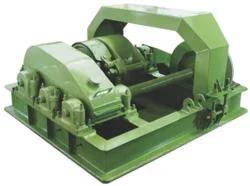
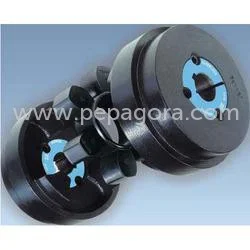
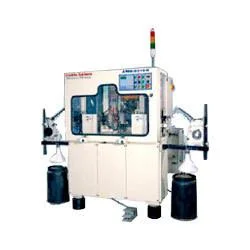
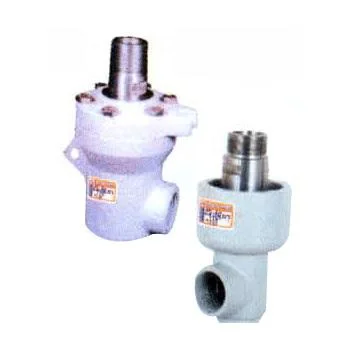
Excess inventory in this category may consist of machinery and tools that are no longer in demand. These items can be sold to other manufacturers or businesses at competitive prices.
Variant 4: Furniture
Surplus furniture products may include office or home furnishings that have not been sold. Companies often use liquidation sales to clear out excess stock and create space.
Variant 5: Home Goods
Excess inventory in home goods can include kitchenware, decor, and appliances. Businesses may opt for online clearance sales to reach a wider audience and sell surplus products.
𝗕𝗲𝗻𝗲𝗳𝗶𝘁𝘀 𝗮𝗻𝗱 𝗔𝗱𝘃𝗮𝗻𝘁𝗮𝗴𝗲𝘀
Sourcing excess inventory presents numerous benefits for businesses looking to optimize their operations.
1. Cost Savings: Purchasing excess inventory at discounted prices can significantly reduce procurement costs and improve profit margins.
2. Increased Cash Flow: By moving excess stock quickly, businesses can free up cash that is otherwise tied up in unsold inventory.
3. Risk Mitigation: Effective management of excess inventory can minimize the risk of obsolescence and waste, ensuring that products remain viable in the market.
4. Flexibility: Access to excess inventory allows businesses to respond swiftly to unexpected demand spikes without incurring high production costs.
5. Competitive Advantage: Companies that effectively manage excess inventory can better position themselves against competitors by offering attractive pricing and availability.
6. Sustainability: Reducing excess inventory through sales or donations helps promote sustainability and reduces environmental impact by minimizing waste.
𝗕𝘂𝘆𝗶𝗻𝗴 𝗚𝘂𝗶𝗱𝗲 𝗳𝗼𝗿 𝗕𝟮𝗕 𝗕𝘂𝘆𝗲𝗿𝘀
When sourcing excess inventory, businesses should consider several key factors to ensure effective procurement.
1. Quality Assessment: It is essential to evaluate the quality of excess inventory to ensure it meets the required standards. This includes inspecting products for defects and confirming compliance with industry certifications.
2. Supplier Verification: Vetting suppliers is critical to ensure reliability and credibility. Buyers should review supplier history, product quality track record, and any relevant certifications.
3. Pricing and MOQ: Understanding the pricing structure and minimum order quantities can help buyers negotiate better deals. Businesses should assess the overall cost-effectiveness of purchasing excess inventory.
4. Delivery and Lead Times: Buyers must consider delivery options and lead times to ensure that products arrive as needed. Delays can impact operational efficiency and customer satisfaction.
5. Compliance Requirements: It's important to ensure that excess inventory complies with industry regulations and safety standards. Buyers should be aware of regional compliance issues that may affect their procurement.
𝗖𝗼𝗺𝗽𝗹𝗶𝗮𝗻𝗰𝗲 𝗮𝗻𝗱 𝗖𝗲𝗿𝘁𝗶𝗳𝗶𝗰𝗮𝘁𝗶𝗼𝗻𝘀
Excess inventory is often subject to various compliance and certification requirements to ensure product quality and safety.
Relevant quality standards include ISO 9001, which emphasizes the importance of a quality management system in organizations. This standard helps ensure consistent quality in products and services. Additionally, CE certification is crucial in the European market, indicating that products meet specific safety, health, and environmental protection standards.
Industry certifications play a significant role in establishing trust with buyers. Compliance with standards such as HACCP (Hazard Analysis Critical Control Point) is vital for food-related products, ensuring consumer safety.
Safety and testing requirements are essential for manufacturing and industrial sectors, where products must undergo rigorous testing to meet safety regulations.
Regional compliance considerations vary, as different countries may have unique regulations governing excess inventory. Understanding these requirements is crucial for businesses operating in multiple regions to avoid legal issues and ensure consumer safety.
𝗪𝗵𝘆 𝗦𝗼𝘂𝗿𝗰𝗲 𝗘𝘅𝗰𝗲𝘀𝘀 𝗜𝗻𝘃𝗲𝗻𝘁𝗼𝗿𝘆 𝗳𝗿𝗼𝗺 𝗣𝗲𝗽𝗮𝗴𝗼𝗿𝗮?
Pepagora provides a trusted platform for sourcing excess inventory, offering several key advantages to businesses.
Verified Supplier Network: Pepagora features a robust network of verified suppliers, ensuring that buyers can access high-quality excess inventory with confidence. This verification process helps mitigate risks associated with sourcing from untrusted suppliers.
Streamlined RFQ Process: The platform offers a streamlined request for quotation (RFQ) process, making it easy for buyers to request pricing and availability from multiple suppliers. This efficiency helps businesses make informed decisions quickly.
Trade Assurance and Support: Pepagora prioritizes buyer protection, offering trade assurance and support throughout the sourcing process. This commitment helps build trust and ensures that buyers are satisfied with their purchases.
Regional Coverage: With a strong presence in India, the GCC, and Southeast Asia, Pepagora provides extensive regional coverage. This geographic reach allows businesses to access a diverse range of excess inventory options tailored to their specific markets.

 IN
IN