
 IN
INundefined
Textile Stock
1 products available
𝗪𝗵𝗮𝘁 𝗮𝗿𝗲 𝗧𝗲𝘅𝘁𝗶𝗹𝗲 𝗦𝘁𝗼𝗰𝗸?
Textile stock refers to a collection of textile materials that are available for resale or distribution. These materials can include a wide variety of fabrics, textiles, and related products that are often sold in bulk to manufacturers, wholesalers, and retailers. Textile stock can encompass both raw materials as well as finished products, catering to the diverse needs of different industries.
The primary uses of textile stock are found across various sectors, including fashion, home furnishings, automotive, and medical applications. Businesses often rely on high-quality textile stock for producing garments, upholstery, automotive interiors, and medical supplies. The flexibility in applications makes textile stock an essential component in the supply chain for many industries.
In the current market context, textile stock plays a significant role as the demand for sustainable and innovative materials continues to grow. Companies are increasingly looking for reliable sources of textile stock to meet their production needs while adhering to quality and compliance standards. The textile industry is evolving, and businesses must stay competitive by sourcing high-quality materials that align with market trends.
𝗞𝗲𝘆 𝗙𝗲𝗮𝘁𝘂𝗿𝗲𝘀 𝗮𝗻𝗱 𝗦𝗽𝗲𝗰𝗶𝗳𝗶𝗰𝗮𝘁𝗶𝗼𝗻𝘀
Textile stock offers a range of features and specifications that cater to various industrial needs. Understanding these characteristics is crucial for selecting the right materials for your business applications.
Key specifications include:
1. Fabric Composition
- Various blends of fibers such as cotton, polyester, nylon, and wool
- Determines texture, durability, and application suitability
2. Weight
- Measured in grams per square meter (GSM)
- Affects the drape, feel, and performance of the fabric
3. Width
- Common widths include 36 inches, 54 inches, and 60 inches
- Important for cutting and sewing processes
4. Colorfastness
- The ability of the fabric to retain color after washing or exposure to light
- Important for maintaining product quality over time
5. Stretchability
- Percentage of stretch in the fabric
- Influences comfort and fit in garment manufacturing
6. Flame Resistance
- Some textiles are treated to resist ignition
- Critical for applications in safety garments and upholstery
7. Finish
- Various treatments like water-repellent, anti-static, or soft-touch
- Enhances performance characteristics of the fabric
8. Certifications
- Compliance with industry standards such as CE
- Ensures quality and safety for end-users
In summary, understanding these specifications helps buyers make informed decisions and choose the right textile stock that meets their production requirements.
𝗖𝗼𝗺𝗺𝗼𝗻 𝗔𝗽𝗽𝗹𝗶𝗰𝗮𝘁𝗶𝗼𝗻𝘀 𝗮𝗻𝗱 𝗨𝘀𝗲 𝗖𝗮𝘀𝗲𝘀
Textile stock serves a wide array of industries, each with specific applications tailored to their needs.
1. Fashion Industry: Textile stock is essential for clothing manufacturers, providing the necessary fabrics for designing and producing garments. From casual wear to high-end fashion, the right textile stock can enhance the overall quality of the products.
2. Home Furnishings: In this sector, textile stock is used for upholstery, drapery, and bedding. The quality and design of the fabrics can significantly impact the aesthetics and comfort of home interiors.
3. Automotive Industry: Fabric is critical in the automotive sector, particularly for seating, interiors, and safety features. Durable and easy-to-clean materials are often preferred to withstand wear and tear.
4. Medical Applications: In healthcare, textile stock is utilized for various medical supplies such as scrubs, gowns, and bedding. Compliance with hygiene and safety standards is paramount in this industry.
5. Upholstery: Textile stock is widely used in furniture manufacturing, providing a range of styles and textures to enhance comfort and design.
6. Industrial Applications: Certain textiles are manufactured for industrial uses like filtration, insulation, and protective gear, showcasing the versatility of textile stock.
7. Sports and Leisure: Fabrics designed for activewear and sports equipment require specific features such as moisture-wicking and durability, making textile stock a vital resource.
𝗣𝗿𝗼𝗱𝘂𝗰𝘁 𝗩𝗮𝗿𝗶𝗮𝗻𝘁𝘀 𝗮𝗻𝗱 𝗦𝘂𝗯𝗰𝗮𝘁𝗲𝗴𝗼𝗿𝗶𝗲𝘀
Textile stock is diverse, offering multiple variants that cater to different applications and preferences.
Cotton Fabric
This variant is known for its softness and breathability. It is widely used in clothing, home textiles, and accessories due to its comfort and versatility.
Polyester Fabric
Polyester is durable and resistant to shrinking and stretching. It is often used in outdoor gear, sportswear, and upholstery, making it a popular choice for various applications.
Nylon Fabric
Nylon is recognized for its strength and elasticity. It is commonly used in activewear, outdoor equipment, and industrial fabrics due to its resilience and lightweight properties.
Wool Fabric
Wool is favored for its warmth and natural moisture-wicking capabilities. It is often found in high-quality garments and home textiles, appealing to those seeking comfort and luxury.
Linen Fabric
Linen is valued for its breathability and natural luster. It is commonly used in summer clothing and home furnishings, offering a distinctive texture and aesthetic.
𝗕𝗲𝗻𝗲𝗳𝗶𝘁𝘀 𝗮𝗻𝗱 𝗔𝗱𝘃𝗮𝗻𝘁𝗮𝗴𝗲𝘀
Sourcing textile stock offers numerous benefits that can enhance business operations.
1. Quality Assurance: High-quality textile stock ensures durability and longevity, reducing the need for frequent replacements.
2. Cost-Effectiveness: Purchasing in bulk can lead to significant savings, allowing businesses to manage budgets more effectively.
3. Variety: A wide range of fabrics and styles enables businesses to meet diverse customer demands and market trends.
4. Customization: Many suppliers offer customization options, allowing businesses to create unique products tailored to their specifications.
5. Sustainability: Sourcing textiles from eco-friendly suppliers can enhance a company's reputation and appeal to environmentally conscious consumers.
6. Compliance: Reliable suppliers ensure that their products meet industry standards and regulations, providing peace of mind for buyers.
𝗕𝘂𝘆𝗶𝗻𝗴 𝗚𝘂𝗶𝗱𝗲 𝗳𝗼𝗿 𝗕𝟮𝗕 𝗕𝘂𝘆𝗲𝗿𝘀
When sourcing textile stock, it is essential for buyers to consider several key factors to ensure they make informed purchasing decisions.
1. Quality Assessment: Evaluate the quality of textile stock through samples and certifications. Look for consistent texture, durability, and compliance with industry standards.
2. Supplier Verification: Vet potential suppliers by checking their reputation, reviews, and certifications. A reliable supplier will have a proven track record of delivering quality products.
3. Pricing and MOQ: Understand the pricing structure and minimum order quantities (MOQ) required by suppliers. This will help in budgeting and planning inventory.
4. Delivery and Lead Times: Inquire about the logistics involved in delivering the textile stock. Timely delivery is crucial for maintaining production schedules.
5. Compliance Requirements: Ensure that the textile stock meets any relevant compliance and regulatory requirements for your industry. This could include safety standards and environmental regulations.
𝗖𝗼𝗺𝗽𝗹𝗶𝗮𝗻𝗰𝗲 𝗮𝗻𝗱 𝗖𝗲𝗿𝘁𝗶𝗳𝗶𝗰𝗮𝘁𝗶𝗼𝗻𝘀
Textile stock must adhere to various quality standards and certifications to ensure safety and performance. Relevant standards include ISO 9001, which outlines quality management systems, and CE marking, indicating conformity with health, safety, and environmental protection standards.
Industry certifications play a crucial role in establishing credibility and trust in the marketplace. Companies that adhere to these standards demonstrate a commitment to quality and safety.
Additionally, safety and testing requirements are essential, particularly for textiles used in medical and automotive applications. Compliance with regional regulations is also necessary, as different markets may have specific requirements that must be met before products can be sold.
𝗪𝗵𝘆 𝗦𝗼𝘂𝗿𝗰𝗲 𝗧𝗲𝘅𝘁𝗶𝗹𝗲 𝗦𝘁𝗼𝗰𝗸 𝗳𝗿𝗼𝗺 𝗣𝗲𝗽𝗮𝗴𝗼𝗿𝗮?
Pepagora provides a trusted platform for sourcing textile stock with several key advantages that set it apart from competitors.
Verified Supplier Network: Pepagora ensures that all suppliers are thoroughly vetted, guaranteeing that buyers have access to reliable sources of high-quality textile stock.
Streamlined RFQ Process: The platform's Request for Quotation (RFQ) system simplifies the sourcing process, allowing buyers to receive competitive quotes from multiple suppliers efficiently.
Trade Assurance and Support: Pepagora offers buyer protection through its trade assurance program, providing peace of mind as businesses engage with suppliers.
Regional Coverage: With a strong presence in India, the GCC, and Southeast Asia, Pepagora covers a wide geographic area, ensuring accessibility to a diverse range of textile stock products and suppliers.
By choosing Pepagora, businesses can enhance their sourcing strategies, ensuring they obtain the best quality textile stock while benefiting from a robust support system.


Recently Added
Paramount Instruments Pvt Ltd
Textile Quality Control Precision Shrinkage Tester For Fabric Dimensional Change
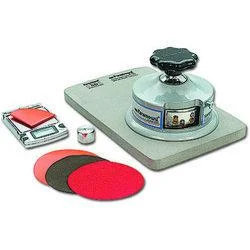
Textile Quality Control GSM Tester with Digital Calculator and Aluminum Build
Textile Quality Control Digital Pro Projection NxTM Fiber Testing Equipment
Why Businesses Trust Pepagora
Thousands of companies trust Pepagora to source smarter and sell faster
Expand Your Sales Globally
25000+Products listed.Get discovered by global buyers
Tools to boost visibility
Build your own catalog

Source Smarter,Grow Faster
4000+Active RFQs
100+ Countries served
Easy Sourcing Tools
