
 IN
INundefined
Tool Stock
3 products available
𝗪𝗵𝗮𝘁 𝗮𝗿𝗲 𝗧𝗼𝗼𝗹 𝗦𝘁𝗼𝗰𝗸?
Tool Stock refers to a category of industrial materials and components that are used for tool making and manufacturing processes. These materials can include a variety of metals, plastics, and composites, which are tailored for specific applications in tool production. Tool Stock is essential for manufacturers, as it forms the basis for creating precision tools, dies, and other equipment used in various industries.
The primary uses of Tool Stock are found in manufacturing, construction, and machining sectors. Businesses utilize Tool Stock for producing tools that are critical for assembly lines, machining operations, and fabrication processes. In these contexts, Tool Stock not only enhances the efficiency of production but also facilitates innovation in tool design. The Tool Stock market is influenced by trends in production technologies and demands for high-quality, durable tools across various industries.
𝗞𝗲𝘆 𝗙𝗲𝗮𝘁𝘂𝗿𝗲𝘀 𝗮𝗻𝗱 𝗦𝗽𝗲𝗰𝗶𝗳𝗶𝗰𝗮𝘁𝗶𝗼𝗻𝘀
Tool Stock is characterized by a variety of features that enhance its usability and performance in industrial applications. Understanding these specifications is crucial for businesses looking to procure the right materials for their production needs.
Key specifications include:
1. Material Type
- Tool Stock can be made from various materials including steel, aluminum, and composite materials.
- Each material has unique properties that influence its application in tool manufacturing.
2. Dimensions
- Tool Stock comes in standard sizes and shapes, including sheets, bars, and rods.
- Typical dimensions vary based on industry standards and customer requirements.
3. Hardness Levels
- Hardness is a critical specification, impacting the durability and effectiveness of the tools made from Tool Stock.
- Hardness is usually measured using scales like Rockwell or Brinell.
4. Surface Finish
- The surface finish of Tool Stock can range from rough to polished.
- This specification affects the performance and longevity of the tools produced.
5. Tensile Strength
- This measures the maximum amount of tensile stress that Tool Stock can withstand before failure.
- Higher tensile strength materials are essential for heavy-duty applications.
6. Availability of Custom Lengths
- Tool Stock can often be sourced in custom lengths to meet specific manufacturing needs.
- This flexibility is important for industries requiring tailored solutions.
7. Compliance with Standards
- Many Tool Stock products comply with industry standards such as CE certification.
- Compliance ensures quality and safety in manufacturing processes.
In summary, understanding these features and specifications helps businesses select the right Tool Stock for their particular needs, ensuring optimal performance in tool production.
𝗖𝗼𝗺𝗺𝗼𝗻 𝗔𝗽𝗽𝗹𝗶𝗰𝗮𝘁𝗶𝗼𝗻𝘀 𝗮𝗻𝗱 𝗨𝘀𝗲 𝗖𝗮𝘀𝗲𝘀
Tool Stock is utilized across various industries, each with specific applications.
1. Manufacturing: Tool Stock is fundamental in the production of machinery parts, cutting tools, and molds, enhancing productivity and precision.
2. Automotive: In the automotive sector, Tool Stock is used for creating specialized tools and components that require high durability and precision.
3. Aerospace: Tool Stock serves a critical role in the aerospace industry for developing lightweight, high-strength components that meet stringent safety standards.
4. Electronics: Manufacturers in the electronics sector use Tool Stock for producing intricate tools that aid in the assembly and fabrication of electronic devices.
5. Construction: In construction, Tool Stock is used in the development of tools necessary for building and infrastructure projects.
6. Medical Devices: Tool Stock is also crucial in the medical device industry for creating tools that require high precision and reliability.
7. Robotics: The robotics industry leverages Tool Stock to manufacture components that must withstand rigorous operational conditions.
𝗣𝗿𝗼𝗱𝘂𝗰𝘁 𝗩𝗮𝗿𝗶𝗮𝗻𝘁𝘀 𝗮𝗻𝗱 𝗦𝘂𝗯𝗰𝗮𝘁𝗲𝗴𝗼𝗿𝗶𝗲𝘀
Tool Stock encompasses a wide range of product variants to meet diverse manufacturing needs.
Steel Tool Stock
This variant is known for its strength and durability, making it ideal for high-performance tool applications. Steel Tool Stock can be used in a variety of machining processes and is favored in industries requiring robust tools.
Aluminum Tool Stock
Aluminum Tool Stock is lightweight and resistant to corrosion. This makes it suitable for applications in industries such as aerospace and automotive, where weight reduction is essential without compromising strength.
Composite Tool Stock
Composite Tool Stock combines multiple materials to achieve specific performance characteristics. It is often used in specialized applications where traditional materials may not suffice.
𝗕𝗲𝗻𝗲𝗳𝗶𝘁𝘀 𝗮𝗻𝗱 𝗔𝗱𝘃𝗮𝗻𝘁𝗮𝗴𝗲𝘀
Sourcing Tool Stock offers numerous benefits to businesses across various sectors.
1. High Quality: Tool Stock is produced to meet rigorous industry standards, ensuring reliability and performance in manufacturing processes.
2. Customization Options: Many suppliers offer customization for dimensions and specifications, allowing businesses to meet their specific production needs.
3. Cost Efficiency: Using high-quality Tool Stock can reduce downtime and maintenance costs associated with tool wear and failure.
4. Versatility: Tool Stock can be used in a wide range of applications across different industries, making it a versatile choice for manufacturers.
5. Improved Production Efficiency: High-performance Tool Stock enhances manufacturing processes, leading to increased productivity and output.
6. Compliance Assurance: Sourcing Tool Stock from certified suppliers ensures compliance with industry regulations, enhancing safety and quality in production.
𝗕𝘂𝘆𝗶𝗻𝗴 𝗚𝘂𝗶𝗱𝗲 𝗳𝗼𝗿 𝗕𝟮𝗕 𝗕𝘂𝘆𝗲𝗿𝘀
When sourcing Tool Stock, businesses should consider several key factors to ensure they make informed decisions.
1. Quality Assessment: Evaluate the quality of Tool Stock by reviewing material certifications, supplier reputation, and customer feedback. Quality is critical for ensuring the longevity of tools produced.
2. Supplier Verification: It is essential to vet suppliers thoroughly. Look for established companies with a proven track record in the industry. Supplier reliability plays a crucial role in maintaining production schedules.
3. Pricing and MOQ: Understand pricing structures and minimum order quantities (MOQ) before making a purchase. This helps in budgeting and ensures that the procurement process aligns with financial capabilities.
4. Delivery and Lead Times: Consider logistics and delivery timelines. Timely delivery of Tool Stock is vital for maintaining production flow and meeting project deadlines.
5. Compliance Requirements: Be aware of any regulatory requirements that apply to Tool Stock in your region, including safety and quality standards. Compliance is essential for avoiding legal issues and ensuring product safety.
𝗖𝗼𝗺𝗽𝗹𝗶𝗮𝗻𝗰𝗲 𝗮𝗻𝗱 𝗖𝗲𝗿𝘁𝗶𝗳𝗶𝗰𝗮𝘁𝗶𝗼𝗻𝘀
Tool Stock must adhere to various compliance standards and certifications that ensure quality and safety in industrial applications.
Relevant quality standards such as ISO 9001 guarantee that suppliers maintain a consistent quality management system. These standards help buyers ensure that the Tool Stock they procure meets necessary quality benchmarks.
Industry certifications, like CE, are crucial for ensuring that Tool Stock complies with European safety and performance requirements. This certification provides assurance to buyers that the products meet rigorous testing standards.
Additionally, safety and testing requirements are fundamental in the sourcing of Tool Stock. Buyers should inquire about the safety measures taken during production and the testing protocols employed by suppliers.
Regional compliance considerations also play a role in sourcing Tool Stock. Different regions may have specific regulations that impact the availability and application of Tool Stock. Understanding these regulations helps companies avoid potential compliance issues.
𝗪𝗵𝘆 𝗦𝗼𝘂𝗿𝗰𝗲 𝗧𝗼𝗼𝗹 𝗦𝘁𝗼𝗰𝗸 𝗳𝗿𝗼𝗺 𝗣𝗲𝗽𝗮𝗴𝗼𝗿𝗮?
Pepagora provides a trusted platform for sourcing Tool Stock, offering several key advantages to B2B buyers.
Verified Supplier Network: Pepagora boasts a network of verified suppliers, ensuring that buyers can source high-quality Tool Stock with confidence. Each supplier undergoes a thorough vetting process, which enhances trust and reliability.
Streamlined RFQ Process: The Request for Quotation (RFQ) system simplifies the procurement process for buyers. This streamlined approach allows businesses to quickly obtain quotes from multiple suppliers, facilitating informed decision-making.
Trade Assurance and Support: Pepagora offers trade assurance to protect buyers during their procurement journey. This includes support in dispute resolution and guarantees on product quality, providing peace of mind.
Regional Coverage: With a strong presence in regions like India, the GCC, and Southeast Asia, Pepagora ensures that buyers have access to a wide range of Tool Stock options tailored to regional needs. This geographic reach enhances the platform's ability to meet diverse industrial requirements.
Newly Added


Recently Added
N K Forging & Rolling Industries
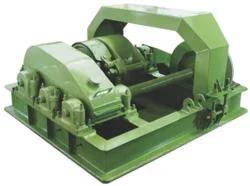
Industrial Drop Forging Hammer For Metal Shaping Hot Cold Forging
Industrial NKH Hammer Durable Precision Construction Manufacturing Heavy Duty
Industrial Drop Forging Hammer For Precision Metal Shaping
Varindera Tools Pvt. Ltd.
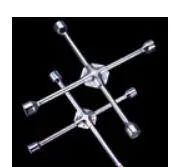
Heavy Duty Four Way Wheel Spanner Reinforced High Carbon Steel Tool
Industrial Insulated Tower Pincer Drop Forged Carbon Steel Electrical Tool
Heavy Duty Three Leg Bearing Puller Spanner Tool for Automotive & Industrial
BALAJI PLASTEK INDUSTRIES
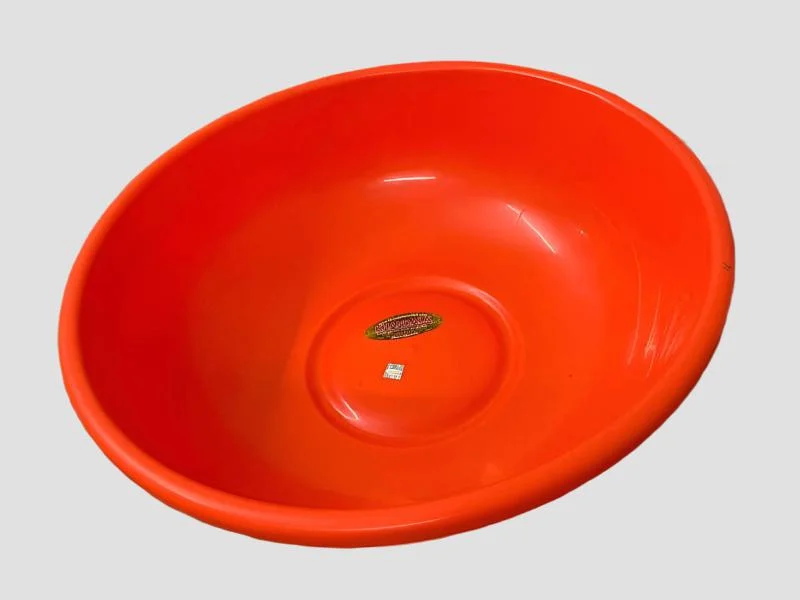
30 Litre Krishi Plastic Ghamela For Agricultural And Construction Material Transport
Heavy Duty 20 Litre Deep Tube Plastic Bucket For Water Storage & Material Handling
Dhama Plastic Ghamela Durable Construction Grade Bucket For Agriculture & Building Projects
Why Businesses Trust Pepagora
Thousands of companies trust Pepagora to source smarter and sell faster
Expand Your Sales Globally
25000+Products listed.Get discovered by global buyers
Tools to boost visibility
Build your own catalog

Source Smarter,Grow Faster
4000+Active RFQs
100+ Countries served
Easy Sourcing Tools
