𝗪𝗵𝗮𝘁 𝗮𝗿𝗲 𝗖𝗼𝗻𝘀𝘁𝗿𝘂𝗰𝘁𝗶𝗼𝗻 𝗦𝗮𝗳𝗲𝘁𝘆 𝗘𝗾𝘂𝗶𝗽𝗺𝗲𝗻𝘁?
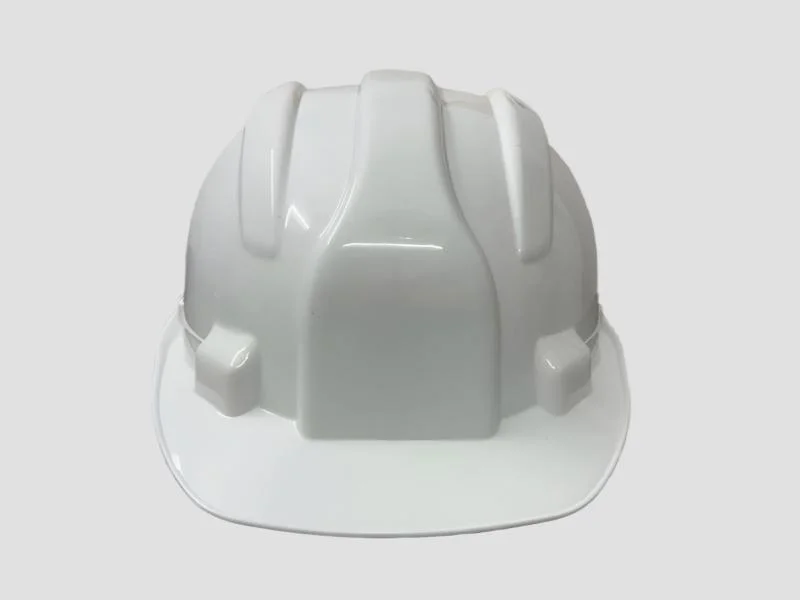
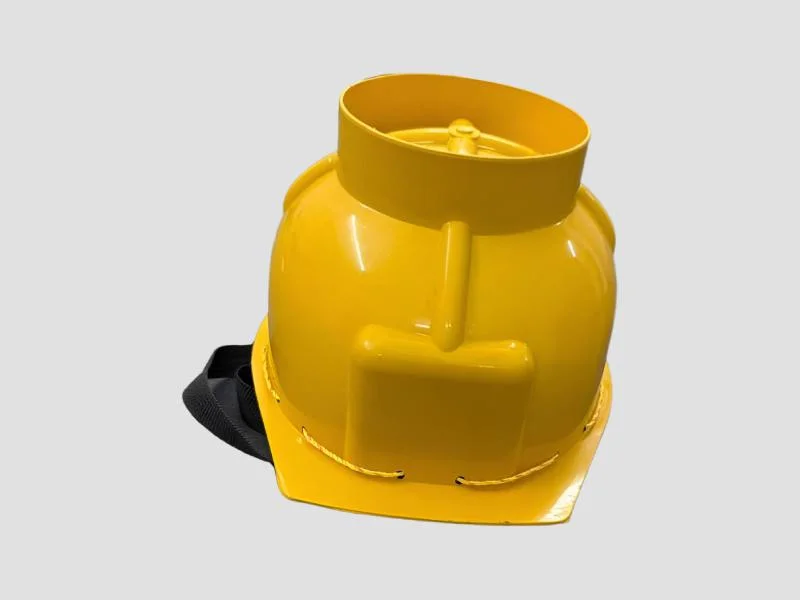
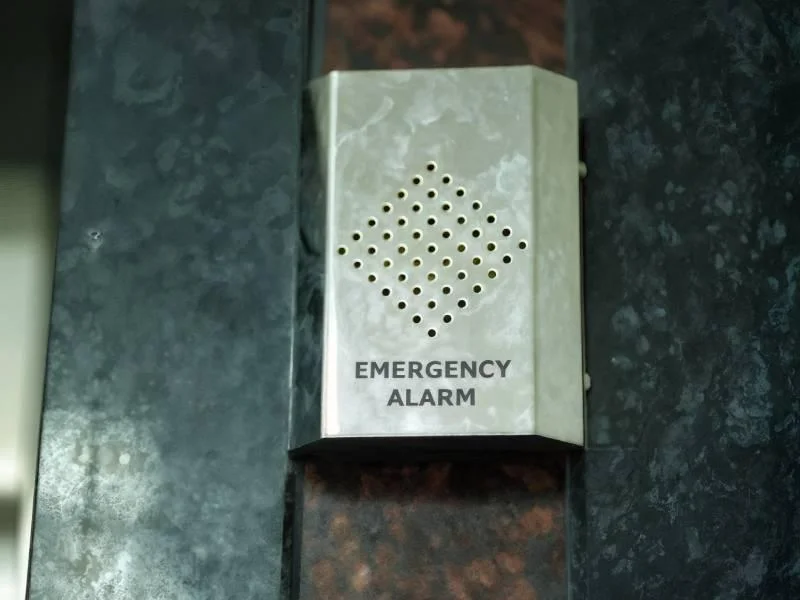
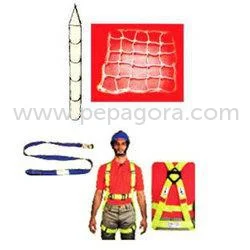
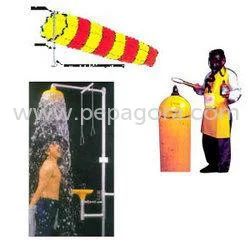
Construction safety equipment refers to a range of protective gear and tools designed to ensure the safety of workers on construction sites. This equipment includes personal protective equipment (PPE) such as helmets, gloves, eye protection, and harnesses. Additionally, it encompasses safety barriers, scaffolding, and warning signs that help to create a safer work environment. The primary goal of construction safety equipment is to minimize the risk of accidents and injuries, allowing workers to perform their tasks effectively and safely.
These products are crucial in various business applications, from large-scale construction projects to smaller renovations. They are used to protect workers from falls, electrical hazards, chemical spills, and other potential dangers in the workplace. As construction activities continue to grow worldwide, the demand for reliable and effective safety equipment remains high. Companies that prioritize safety not only comply with regulatory requirements but also enhance their reputation and operational efficiency.
In today's market, the relevance of construction safety equipment cannot be overstated. With rising awareness of workplace safety and stringent regulations, adherence to safety standards is essential. This has led to innovation and advancements in safety equipment, making it a vital component of the construction industry.
𝗞𝗲𝘆 𝗙𝗲𝗮𝘁𝘂𝗿𝗲𝘀 𝗮𝗻𝗱 𝗦𝗽𝗲𝗰𝗶𝗳𝗶𝗰𝗮𝘁𝗶𝗼𝗻𝘀
Construction safety equipment is characterized by several key features and specifications that ensure optimal protection and usability for workers. These features focus on durability, comfort, and compliance with safety standards.
Key specifications include:
1. Material Quality
- High-grade materials such as polycarbonate, steel, and reinforced fabrics
- Ensures durability and resistance to environmental factors
2. Compliance Standards
- Adherence to industry regulations such as CE certification
- Guarantees that products meet required safety benchmarks
3. Size and Fit
- Various sizes available to accommodate different body types
- Adjustable features for a secure and comfortable fit
4. Visibility Features
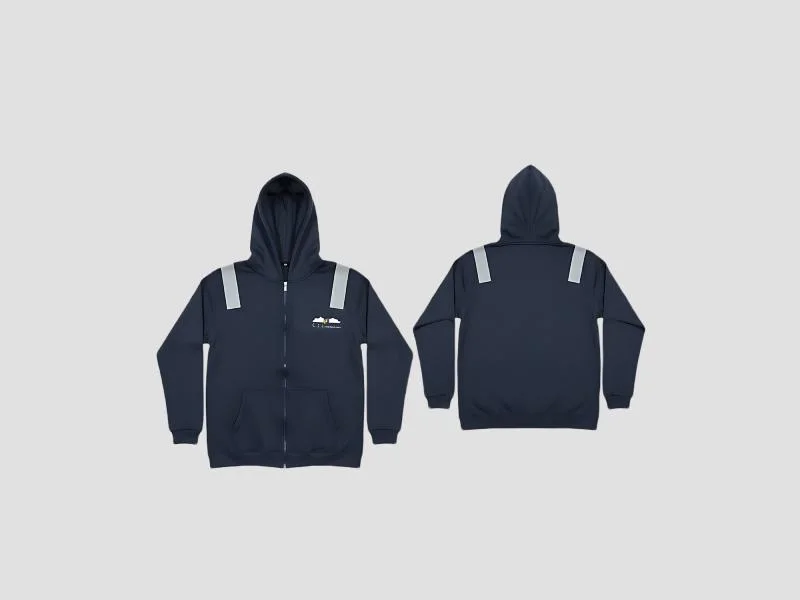
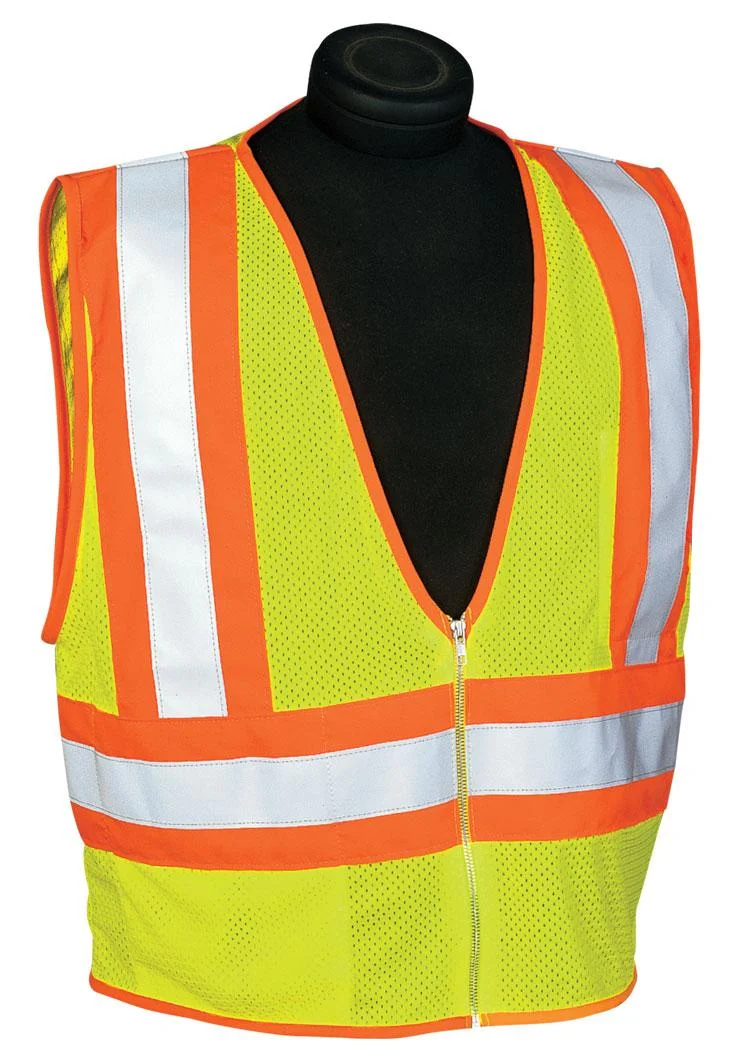
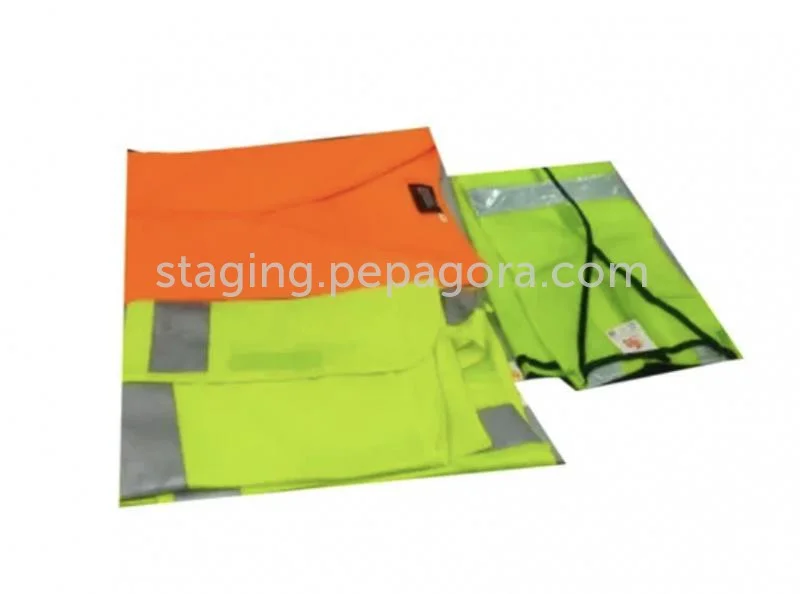
- Incorporation of reflective materials for increased visibility in low-light conditions
- Enhances safety for workers operating in hazardous environments
5. Breathability
- Use of breathable fabrics to enhance comfort during prolonged wear
- Reduces heat build-up for improved worker satisfaction
6. Impact Resistance
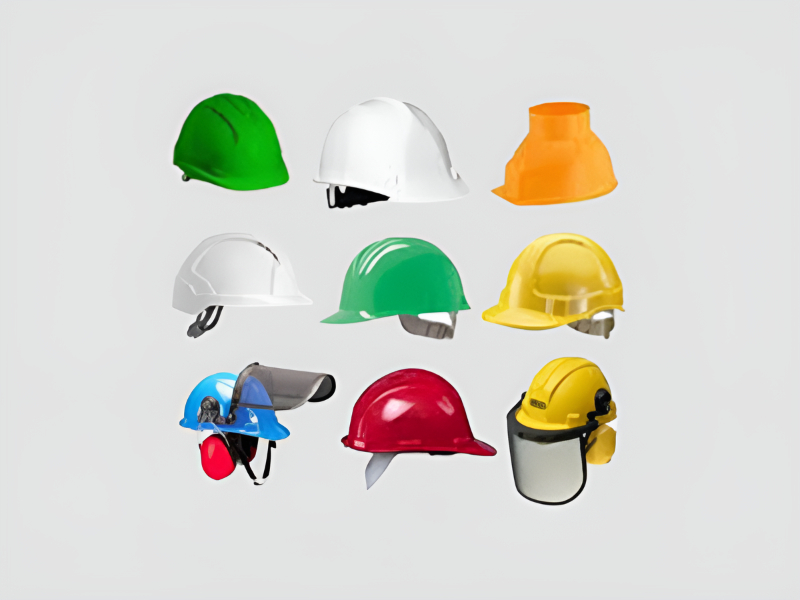
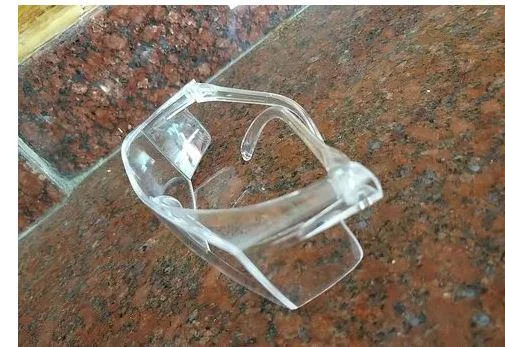
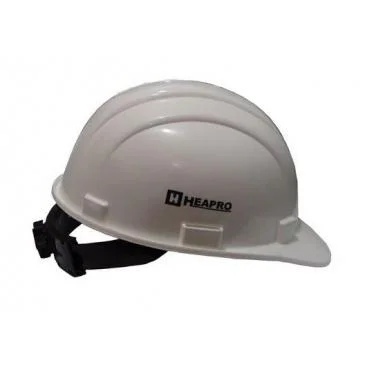
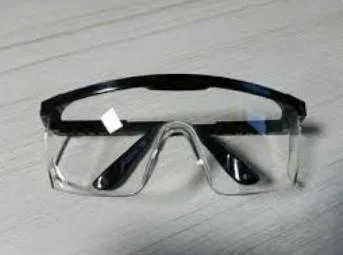
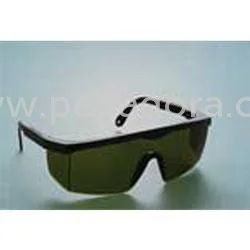
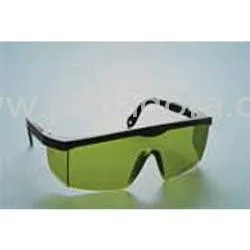
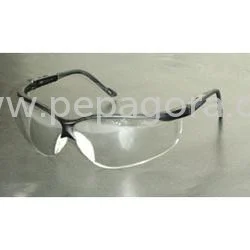
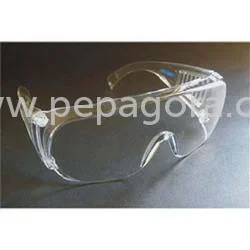
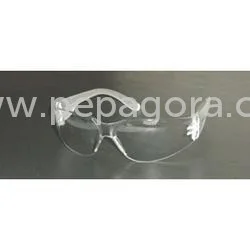
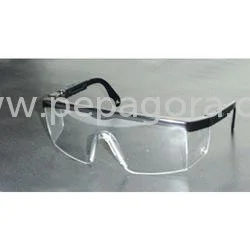
- Helmets and safety glasses designed to withstand high impact
- Protects against falling objects and other hazards
7. Chemical Resistance
- Gloves and suits made from materials resistant to chemicals
- Essential for workers dealing with hazardous substances
8. Weight and Portability
- Lightweight designs that do not hinder movement
- Easy to carry and store, facilitating convenient use on job sites
In summary, the specifications of construction safety equipment are designed to provide maximum protection, comfort, and compliance with safety regulations, making them indispensable for any construction operation.
𝗖𝗼𝗺𝗺𝗼𝗻 𝗔𝗽𝗽𝗹𝗶𝗰𝗮𝘁𝗶𝗼𝗻𝘀 𝗮𝗻𝗱 𝗨𝘀𝗲 𝗖𝗮𝘀𝗲𝘀
Construction safety equipment serves various industries where worker safety is paramount.
1. Construction Industry: Essential for protecting workers during building and renovation projects. Gear such as hard hats and harnesses prevent injuries from falls and debris.
2. Manufacturing Sector: Used in factories to protect employees from machinery and hazardous materials. Safety goggles and gloves are commonly utilized.
3. Oil and Gas Industry: Workers face unique hazards, making specialized equipment crucial. Flame-resistant clothing and safety helmets are standard in this field.
4. Mining Operations: Safety equipment protects miners from cave-ins and exposure to harmful substances. Respirators and helmets are vital for ensuring safety.
5. Electrical Work: Workers in this sector often face electrocution risks. Insulated gloves and protective clothing are essential to prevent electrical accidents.
6. Warehousing and Logistics: Workers in warehouses use safety shoes and helmets to avoid injuries related to heavy lifting and equipment operation.
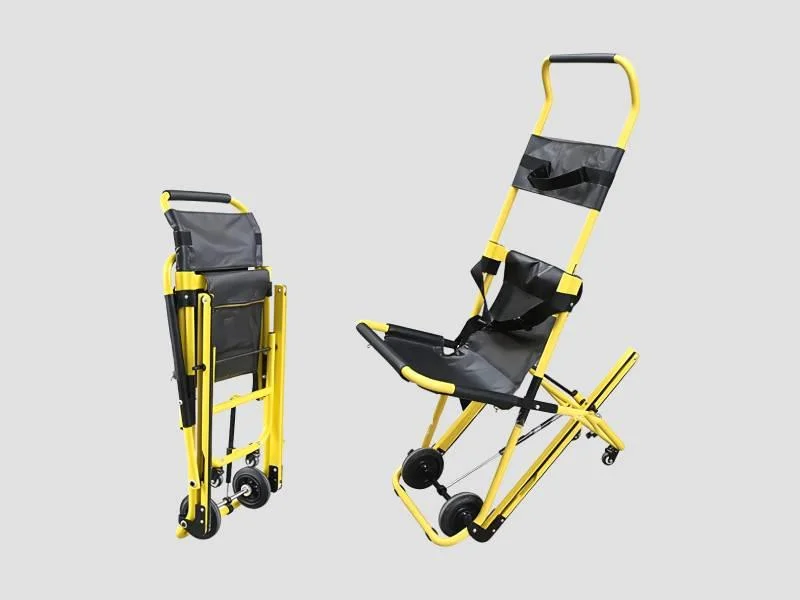
7. Emergency Services: Firefighters and rescue teams rely on specialized protective gear to ensure their safety in high-risk situations.
𝗣𝗿𝗼𝗱𝘂𝗰𝘁 𝗩𝗮𝗿𝗶𝗮𝗻𝘁𝘀 𝗮𝗻𝗱 𝗦𝘂𝗯𝗰𝗮𝘁𝗲𝗴𝗼𝗿𝗶𝗲𝘀
Construction safety equipment is diverse, catering to the unique needs of various roles within the industry.
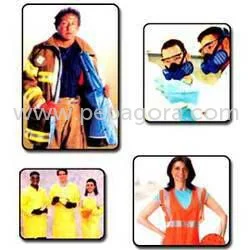
Personal Protective Equipment (PPE): This category includes gear such as helmets, high-visibility vests, and gloves specifically designed to protect workers from physical hazards.
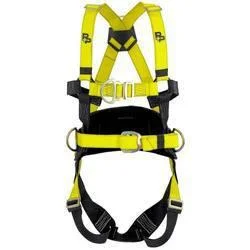
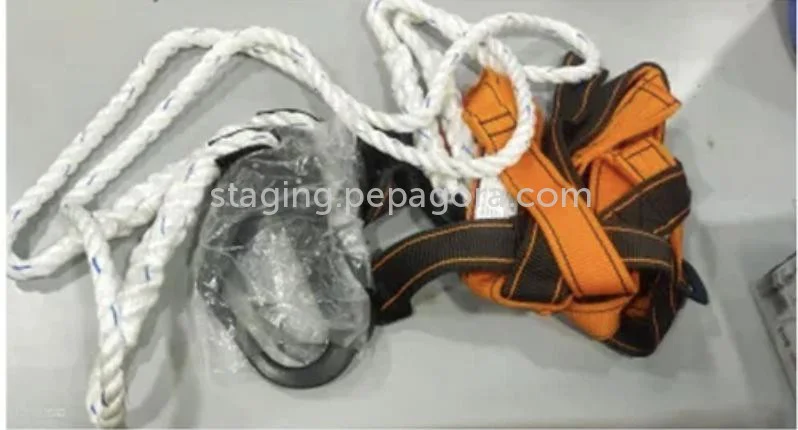
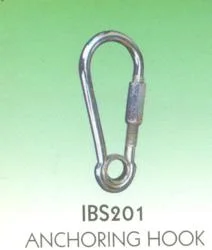
Fall Protection Systems: These systems include harnesses and lanyards designed to prevent falls from heights, essential for workers on scaffolding or roofs.
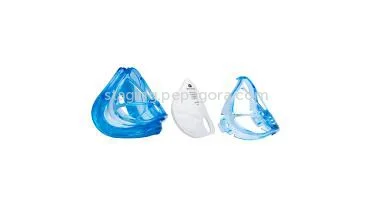
Respiratory Protection: Equipment such as masks and respirators protects workers from inhaling harmful substances, particularly in environments with chemical exposure.
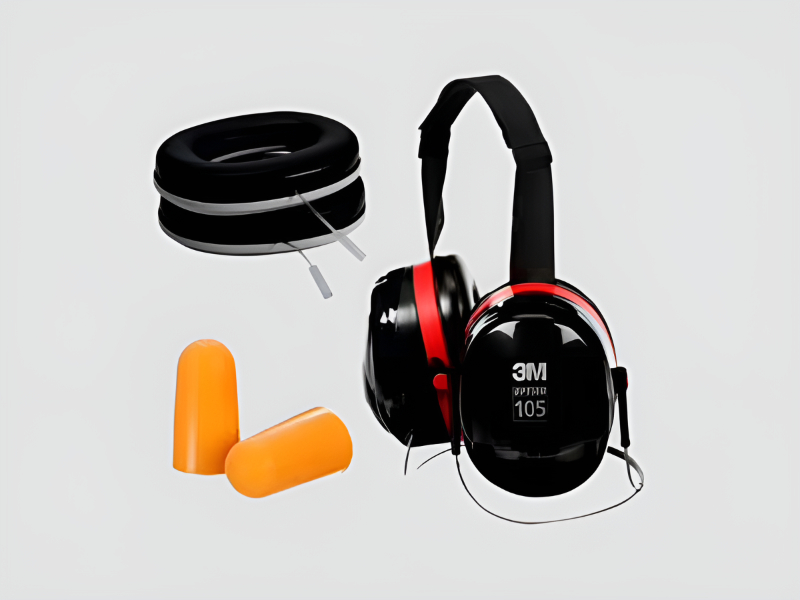
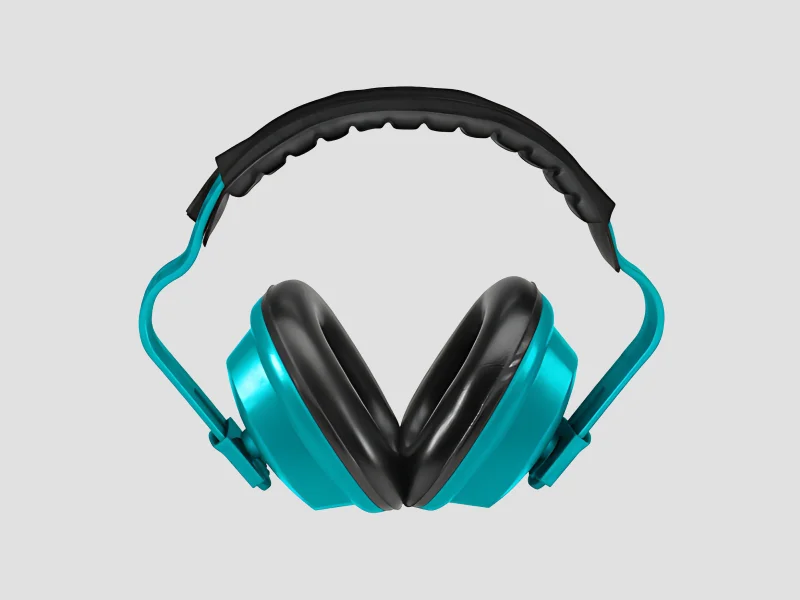
Hearing Protection: Earplugs and earmuffs designed to minimize exposure to loud noises, protecting workers in high-decibel environments.
Safety Footwear: Steel-toed boots and slip-resistant shoes provide essential foot protection, crucial in construction and manufacturing settings.
𝗕𝗲𝗻𝗲𝗳𝗶𝘁𝘀 𝗮𝗻𝗱 𝗔𝗱𝘃𝗮𝗻𝘁𝗮𝗴𝗲𝘀
Investing in construction safety equipment offers numerous advantages for businesses and workers alike.
1. Enhanced Worker Safety: The primary advantage is the reduction in workplace injuries and fatalities, creating a safer environment for all.
2. Compliance with Regulations: Proper safety equipment ensures adherence to local and national safety regulations, reducing legal liabilities for companies.
3. Increased Productivity: When workers feel safe, they can perform their tasks more efficiently, leading to higher productivity levels on job sites.
4. Improved Employee Morale: Providing quality safety gear demonstrates a commitment to employee well-being, fostering trust and loyalty among staff.
5. Cost Savings: Reducing workplace accidents leads to lower insurance costs and fewer medical expenses, providing long-term financial benefits.
6. Reputation Enhancement: Companies known for prioritizing safety attract better talent and clients, enhancing their market reputation.
𝗕𝘂𝘆𝗶𝗻𝗴 𝗚𝘂𝗶𝗱𝗲 𝗳𝗼𝗿 𝗕𝟮𝗕 𝗕𝘂𝘆𝗲𝗿𝘀
When sourcing construction safety equipment, several key factors should be considered to ensure the best choice for your organization.
1. Quality Assessment: Evaluate the quality of materials and construction methods used in the equipment. Ensure they meet industry safety standards and certifications.
2. Supplier Verification: Research potential suppliers to confirm their reliability and track record in providing quality safety equipment. Look for reviews and references from other businesses.
3. Pricing and MOQ: Understand the pricing structure and minimum order quantities (MOQ) offered by suppliers. Compare prices while considering the quality of the products.
4. Delivery and Lead Times: Assess the supplier's ability to meet your delivery requirements. Ensure they can provide equipment within your project timelines.
5. Compliance Requirements: Confirm that the equipment adheres to all relevant safety regulations and industry standards. This is essential for legal compliance and worker safety.
𝗖𝗼𝗺𝗽𝗹𝗶𝗮𝗻𝗰𝗲 𝗮𝗻𝗱 𝗖𝗲𝗿𝘁𝗶𝗳𝗶𝗰𝗮𝘁𝗶𝗼𝗻𝘀
Compliance and certifications are critical aspects of construction safety equipment that ensure quality and safety.
Relevant quality standards such as ISO 9001 establish a framework for consistent quality management systems. This is vital for manufacturers aiming to provide reliable safety equipment.
Industry certifications, including CE marking, indicate that products meet European safety, health, and environmental protection standards. Such certifications enhance trust in the equipment’s safety and effectiveness.
Safety and testing requirements vary by region and type of equipment. It is essential for manufacturers to conduct rigorous testing to validate the performance of their products under various conditions.
Regional compliance considerations may include local regulations that specify additional requirements for safety equipment. This ensures that businesses remain compliant with local laws and industry standards.
𝗪𝗵𝘆 𝗦𝗼𝘂𝗿𝗰𝗲 𝗖𝗼𝗻𝘀𝘁𝗿𝘂𝗰𝘁𝗶𝗼𝗻 𝗦𝗮𝗳𝗲𝘁𝘆 𝗘𝗾𝘂𝗶𝗽𝗺𝗲𝗻𝘁 𝗳𝗿𝗼𝗺 𝗣𝗲𝗽𝗮𝗴𝗼𝗿𝗮?
Pepagora provides a trusted platform for sourcing construction safety equipment, offering several key advantages for B2B buyers.
Verified Supplier Network: Pepagora collaborates with a network of verified suppliers, ensuring that all products meet high-quality standards. This reduces the risk of sourcing subpar equipment.
Streamlined RFQ Process: The platform simplifies the request for quotation (RFQ) process, making it easy for buyers to compare options and select the best suppliers quickly.
Trade Assurance and Support: Pepagora offers trade assurance, providing buyers with protection throughout the transaction process. This builds confidence in the purchasing experience.
Regional Coverage: With a strong presence in India, the Gulf Cooperation Council (GCC) countries, and Southeast Asia, Pepagora can cater to a wide range of regional needs, facilitating efficient sourcing across borders.

 IN
IN