
 IN
INundefined
Welding Helmets & Face Shields
25 products available
𝗪𝗵𝗮𝘁 𝗮𝗿𝗲 𝗪𝗲𝗹𝗱𝗶𝗻𝗴 𝗛𝗲𝗹𝗺𝗲𝘁𝘀 & 𝗙𝗮𝗰𝗲 𝗦𝗵𝗶𝗲𝗹𝗱𝘀?
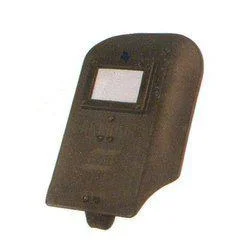
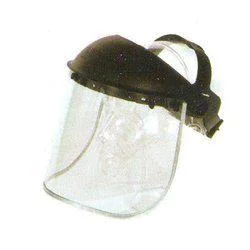
Welding helmets and face shields are essential personal protective equipment (PPE) designed to safeguard workers from hazards associated with welding, cutting, and grinding operations. These products protect the face and eyes from harmful radiation, intense heat, and flying debris. Welding helmets typically feature darkened lenses that filter out harmful ultraviolet and infrared light, while face shields provide additional protection to the entire face area.
These protective devices are widely used in various industries, including manufacturing, construction, and automotive sectors. They ensure that operators can perform their tasks safely without the risk of injury from sparks, heat, or harmful light. In the context of increasing safety regulations and emphasis on worker protection, the demand for high-quality welding helmets and face shields continues to grow, making them a crucial investment for businesses focused on employee safety and compliance.
𝗞𝗲𝘆 𝗙𝗲𝗮𝘁𝘂𝗿𝗲𝘀 𝗮𝗻𝗱 𝗦𝗽𝗲𝗰𝗶𝗳𝗶𝗰𝗮𝘁𝗶𝗼𝗻𝘀
Welding helmets and face shields come with a variety of features tailored to meet the needs of different welding applications. Understanding these specifications is critical for ensuring optimal performance and safety.
Key specifications include:
1. Lens Shade
- Provides protection against harmful UV and IR radiation
- Shade levels typically range from 9 to 13 for different welding processes
2. Material
- Common materials include polycarbonate and fiberglass
- Ensures durability and resistance to heat and impact
3. Weight
- Lightweight designs enhance comfort during prolonged use
- Typical weights range from 1.5 to 3 pounds
4. Adjustable Headgear
- Allows for a customized fit for different users
- Often includes padding for increased comfort
5. Viewing Area
- Larger viewing areas enhance visibility and precision
- Typical sizes range from 3.5 x 4.5 inches to wider options
6. Auto-Darkening Feature
- Automatically adjusts lens shade based on arc brightness
- Reduces the need for manual adjustments during operation
7. Resistance Ratings
- Compliance with ANSI Z87.1 or similar standards for impact resistance
- Ensures helmets can withstand specific impact and heat levels
8. Certification
- CE certification indicates compliance with European safety standards
- Necessary for market acceptance in various regions
In summary, selecting welding helmets and face shields with the right features and specifications is crucial for ensuring safety, comfort, and compliance within the workplace.
𝗖𝗼𝗺𝗺𝗼𝗻 𝗔𝗽𝗽𝗹𝗶𝗰𝗮𝘁𝗶𝗼𝗻𝘀 𝗮𝗻𝗱 𝗨𝘀𝗲 𝗖𝗮𝘀𝗲𝘀
Welding helmets and face shields are widely utilized across various industries to enhance worker safety.
1. Manufacturing: In manufacturing settings, these protective devices are essential for employees operating welding machines and performing metal fabrication tasks.
2. Construction: Construction workers use welding helmets and face shields when working with metal structures, ensuring protection from sparks and intense light during welding operations.
3. Automotive: In the automotive industry, technicians frequently employ welding helmets while repairing and fabricating parts, safeguarding against harmful emissions and heat.
4. Shipbuilding: Welders in shipyards rely on these products to protect their faces and eyes from harmful radiation and debris during assembly and repair work.
5. Maintenance and Repair: Maintenance staff in various sectors use welding helmets and face shields when conducting repairs on machinery, ensuring safety while working in potentially hazardous environments.
6. Aerospace: In aerospace applications, these helmets are critical for workers involved in welding and fabrication processes, where precision and safety are paramount.
7. Art and Sculpture: Artists and sculptors using welding techniques also benefit from using welding helmets to protect themselves during creative processes.
𝗣𝗿𝗼𝗱𝘂𝗰𝘁 𝗩𝗮𝗿𝗶𝗮𝗻𝘁𝘀 𝗮𝗻𝗱 𝗦𝘂𝗯𝗰𝗮𝘁𝗲𝗴𝗼𝗿𝗶𝗲𝘀
Welding helmets and face shields come in various designs to accommodate different user needs and preferences.
Auto-Darkening Welding Helmets: These helmets automatically adjust the lens shade in response to the brightness of the welding arc, providing convenience and enhanced visibility. They are ideal for professional welders who require quick adjustments during their work.
Fixed Shade Welding Helmets: These helmets feature a static lens shade that does not change. They are typically more affordable and suitable for less frequent welding tasks or for beginners learning the trade.
Face Shields with Welding Goggles: This combination offers comprehensive face and eye protection. The face shield guards against flying debris, while the goggles provide additional protection for the eyes during specific operations.
𝗕𝗲𝗻𝗲𝗳𝗶𝘁𝘀 𝗮𝗻𝗱 𝗔𝗱𝘃𝗮𝗻𝘁𝗮𝗴𝗲𝘀
Investing in high-quality welding helmets and face shields offers numerous advantages for businesses.
1. Enhanced Safety: These products significantly reduce the risk of serious injuries from UV radiation, heat, and flying particles, ensuring a safer working environment.
2. Improved Comfort: Many modern designs focus on lightweight materials and adjustable features, enhancing comfort for workers during extended use.
3. Increased Productivity: By ensuring safety and comfort, these helmets allow workers to focus on their tasks without distractions, leading to higher productivity levels.
4. Compliance with Regulations: Utilizing certified helmets and face shields helps businesses meet industry safety standards and regulations, reducing the risk of legal issues.
5. Durability and Longevity: High-quality materials used in welding helmets and face shields ensure that they withstand harsh working conditions, leading to long-term cost savings.
6. Versatility: Many welding helmets and face shields are designed for various applications, making them suitable for different industries and tasks.
𝗕𝘂𝘆𝗶𝗻𝗴 𝗚𝘂𝗶𝗱𝗲 𝗳𝗼𝗿 𝗕𝟮𝗕 𝗕𝘂𝘆𝗲𝗿𝘀
When sourcing welding helmets and face shields, there are several key factors to consider to ensure a successful purchase.
1. Quality Assessment: Look for products that meet recognized safety standards, such as ANSI and CE certifications. Evaluate the materials and construction quality to ensure durability and protection.
2. Supplier Verification: Vet potential suppliers to confirm their reputation and reliability. Seek references and reviews from other businesses to gauge their track record.
3. Pricing and MOQ: Understand the pricing structures and minimum order quantities (MOQ) of different suppliers. Compare costs to find the best value while ensuring quality.
4. Delivery and Lead Times: Inquire about delivery times and logistics to avoid delays in procurement. Ensure that suppliers can meet your operational timelines.
5. Compliance Requirements: Familiarize yourself with local and industry-specific compliance requirements for PPE. Ensure that the products sourced meet all necessary regulations.
𝗖𝗼𝗺𝗽𝗹𝗶𝗮𝗻𝗰𝗲 𝗮𝗻𝗱 𝗖𝗲𝗿𝘁𝗶𝗳𝗶𝗰𝗮𝘁𝗶𝗼𝗻𝘀
Welding helmets and face shields must adhere to relevant quality standards to ensure worker safety and product reliability. Common standards include ISO 9001, which focuses on quality management systems, and CE marking, indicating compliance with European health, safety, and environmental protection standards.
Industry certifications, such as ANSI Z87.1, are critical for impact resistance and overall safety performance. These certifications ensure that the products can withstand specific hazards associated with welding and related activities.
Additionally, safety and testing requirements may vary by region. It is essential to consider local regulations and compliance needs when sourcing these products. By ensuring compliance with applicable standards, businesses can protect their employees and minimize legal risks.
𝗪𝗵𝘆 𝗦𝗼𝘂𝗿𝗰𝗲 𝗪𝗲𝗹𝗱𝗶𝗻𝗴 𝗛𝗲𝗹𝗺𝗲𝘁𝘀 & 𝗙𝗮𝗰𝗲 𝗦𝗵𝗶𝗲𝗹𝗱𝘀 𝗳𝗿𝗼𝗺 𝗣𝗲𝗽𝗮𝗴𝗼𝗿𝗮?
Pepagora offers a reliable platform for sourcing high-quality welding helmets and face shields, providing several advantages to buyers.
Verified Supplier Network: Pepagora connects buyers with a network of verified suppliers, ensuring that businesses can source products from trustworthy manufacturers. This network helps mitigate risks related to product quality and reliability.
Streamlined RFQ Process: The request for quotation (RFQ) process on Pepagora is designed to be straightforward and efficient, allowing buyers to easily compare offers from multiple suppliers. This feature simplifies the procurement process and saves time.
Trade Assurance and Support: Pepagora provides trade assurance, offering buyers protection against potential issues with orders. Dedicated support teams are available to assist with any inquiries or concerns, ensuring a smooth purchasing experience.
Regional Coverage: Pepagora's extensive reach across India, the GCC, and Southeast Asia allows businesses to source welding helmets and face shields conveniently. This geographic coverage ensures that buyers can find suitable suppliers regardless of their location.
Newly Added




Recently Added
Adinath Traders
Industrial TIG Welding Machine For Stainless Steel And Aluminum
Industrial S.S. Welding Rods Premium Corrosion Resistant High Strength
Industrial Plasma Cutting Machine For Steel Aluminum Stainless
Alico Enterprise
Premium Acrylic Sheets High Clarity Chemical Resistance Custom Sizes
Industrial Stainless Steel Bolts And Nuts High Tensile Corrosion Resistant
Industrial Welding Accessories Durable Corrosion Resistant MIG TIG Arc
Anurag Industrial Corporation
Industrial Electrical Cables Panel Wires Multicore Armoured LAN
Industrial Electrical Switches For Automation And Control Panels
Industrial GI Pipe Fittings Galvanized Iron Corrosion Resistant
Archan Associates
Industrial Rubber Mats For Electrical Insulation And Anti Slip Safety
Industrial Step Ladders For Safety And Durability In Environments
Industrial Digital Panel Meters For Voltage Current Power Monitoring
Anuj Enterprises
Traffic Safety Premium Rubber Plastic Speed Breakers High Visibility Skid Resistant
Premium Reflective Safety Tapes High Visibility Durable Synthetic Fiber
Traffic Safety Spring Posts And Cones With Reflective Bands
Champion Enterprises
Industrial High Strength Epoxy Adhesive For Metals Ceramics Fast Cure
Industrial Adhesive And Sealant For Leak Prevention And Extreme Conditions
Industrial Adhesive For Metals Ceramics Glass Wood Plastics
Alfa Electronic Components
Industrial 7 Segment LED Display Four Digit Module High Brightness
Industrial Jumbo Seven Segment Displays 5 20 Inch High Visibility
Industrial LED Displays High Visibility Indicators Multiple Sizes Colors
Vinay Trading Corporation
Industrial ESAB Filtair A 2CV Mask For Smoke And Pollutant Protection
Industrial Safety ESAB Filtair Flat Mask Welding Chemical Protection
Industrial Face Shields For Welding And Construction Safety
Bakshi Enterprises
Premium Poly V Belts For Automotive And Agricultural Machinery
Industrial GI Pipes 10 100mm NB 1.80 5.40mm Thickness
Industrial PU Tubes Durable Flexible Abrasion Oil Chemical Resistant
Anuj Enterprises
Premium Laboratory Glasses For Scientific Research And Education
Industrial Premium Latex Safety Goggles for Dust, Vapor, Debris Protection
Industrial Calcium Chloride Anhydrous Lumps For Dust Control
Why Businesses Trust Pepagora
Thousands of companies trust Pepagora to source smarter and sell faster
Expand Your Sales Globally
25000+Products listed.Get discovered by global buyers
Tools to boost visibility
Build your own catalog

Source Smarter,Grow Faster
4000+Active RFQs
100+ Countries served
Easy Sourcing Tools
