
 IN
INundefined
Safety Belts & Lanyards
3 products available
𝗪𝗵𝗮𝘁 𝗮𝗿𝗲 𝗦𝗮𝗳𝗲𝘁𝘆 𝗕𝗲𝗹𝘁𝘀 & 𝗟𝗮𝗻𝘆𝗮𝗿𝗱𝘀?
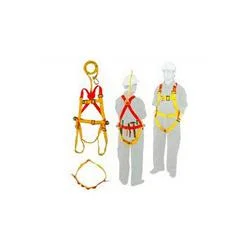
Safety belts and lanyards are essential personal protective equipment designed to prevent falls and enhance safety for workers operating at heights or in hazardous environments. Safety belts typically refer to harnesses that secure the user, distributing the forces of a fall across the body. Lanyards are tethering devices that connect the safety belt to an anchor point, ensuring that workers are securely attached to a stable structure.
These products are primarily used in industries such as construction, manufacturing, and maintenance, where employees may work at elevated heights or near dangerous equipment. They help mitigate risks associated with falls and accidents, making them a critical component of workplace safety protocols. As industries continue to prioritize safety standards, the demand for high-quality safety belts and lanyards has grown, reflecting a broader commitment to protecting workers and complying with regulatory requirements.
In the current market context, safety belts and lanyards are increasingly relevant due to stricter safety regulations and an emphasis on worker safety. Organizations are investing in these products not only to comply with legal standards but also to foster a culture of safety that enhances employee morale and productivity.
𝗞𝗲𝘆 𝗙𝗲𝗮𝘁𝘂𝗿𝗲𝘀 𝗮𝗻𝗱 𝗦𝗽𝗲𝗰𝗶𝗳𝗶𝗰𝗮𝘁𝗶𝗼𝗻𝘀
Safety belts and lanyards are designed with specific features that enhance safety and usability. Understanding these specifications is crucial for selecting the most appropriate equipment for your business needs.
Key specifications include:
1. Material Composition
- Typically made from durable materials such as polyester or nylon
- Offers resistance to wear, tear, and environmental factors
2. Weight Capacity
- Safety belts and lanyards are designed to support various weight ranges
- Common capacities are from 130 pounds to 310 pounds
3. Length
- Lanyards come in various lengths to accommodate different working heights
- Standard lengths range from 6 feet to 12 feet
4. Anchor Points
- Safety belts include multiple anchor points for secure attachment
- Helps in distributing fall forces effectively
5. Adjustment Features
- Many models include adjustable straps for a customizable fit
- Ensures comfort and effectiveness during use
6. Certification
- Compliance with industry standards such as CE certification
- Ensures quality and safety of the product
7. Fall Arrest Ratings
- Specific ratings indicate the fall arrest capabilities of the equipment
- Important for determining suitability for different applications
8. Reflective Elements
- Some models are equipped with reflective strips for enhanced visibility
- Provides added safety in low-light conditions
In summary, understanding the key features and specifications of safety belts and lanyards is essential for selecting the right equipment. This ensures maximum safety and compliance with regulatory standards.
𝗖𝗼𝗺𝗺𝗼𝗻 𝗔𝗽𝗽𝗹𝗶𝗰𝗮𝘁𝗶𝗼𝗻𝘀 𝗮𝗻𝗱 𝗨𝘀𝗲 𝗖𝗮𝘀𝗲𝘀
Safety belts and lanyards find utility across a variety of industries, each with specific applications.
1. Construction: Workers use safety belts and lanyards to prevent falls from scaffolding and ladders, ensuring safety during high-altitude tasks.
2. Manufacturing: In assembly lines and production facilities, these products protect workers who operate near elevated equipment or heavy machinery.
3. Maintenance: Technicians performing repairs on rooftops or high structures rely on safety belts and lanyards to secure themselves while working.
4. Oil and Gas: Employees working on drilling platforms or oil rigs use safety gear to mitigate the risks associated with height and unstable surfaces.
5. Telecommunications: Workers installing antennas or communication devices on tall towers utilize safety belts and lanyards for secure support.
6. Transportation: Personnel involved in the maintenance of vehicles and aircraft may use safety equipment to prevent falls while working at heights.
7. Emergency Services: Firefighters and rescue teams frequently employ safety lanyards to ensure stability during high-risk operations.
𝗣𝗿𝗼𝗱𝘂𝗰𝘁 𝗩𝗮𝗿𝗶𝗮𝗻𝘁𝘀 𝗮𝗻𝗱 𝗦𝘂𝗯𝗰𝗮𝘁𝗲𝗴𝗼𝗿𝗶𝗲𝘀
Safety belts and lanyards come in a range of variants to suit different applications and preferences.
Standard Safety Harness
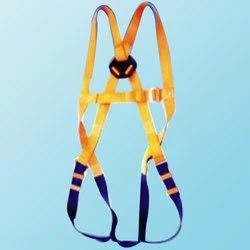
This variant features a full-body design that offers maximum support and safety. It is ideal for construction and maintenance work, ensuring that users are securely strapped in during high-altitude tasks.
Retractable Lanyard
This type includes a self-retracting mechanism that allows for movement while maintaining tension. Ideal for environments where workers need mobility, such as in manufacturing and telecommunications.
Shock Absorbing Lanyard
Designed to reduce the impact of a fall, this lanyard features a built-in shock absorber. It is particularly useful in construction settings where fall distances may vary.
Positioning Lanyard
This variant allows workers to secure themselves in a specific position while retaining hands-free operation. It is commonly used in maintenance and repair tasks.
𝗕𝗲𝗻𝗲𝗳𝗶𝘁𝘀 𝗮𝗻𝗱 𝗔𝗱𝘃𝗮𝗻𝘁𝗮𝗴𝗲𝘀
Investing in safety belts and lanyards offers several advantages for businesses.
1. Enhanced Worker Safety: These products significantly reduce the risk of falls, providing peace of mind for employees and employers alike.
2. Compliance with Regulations: Safety belts and lanyards help organizations meet legal safety requirements, reducing potential liabilities.
3. Increased Productivity: With a focus on safety, workers can perform their tasks more efficiently without the fear of accidents.
4. Versatility: Available in various designs, safety belts and lanyards can be tailored to suit specific job requirements and environments.
5. Cost-Effective Solutions: Investing in quality safety equipment can lead to long-term savings by preventing workplace accidents and associated costs.
6. Improved Morale: A commitment to safety boosts employee confidence and satisfaction, leading to a positive workplace culture.
𝗕𝘂𝘆𝗶𝗻𝗴 𝗚𝘂𝗶𝗱𝗲 𝗳𝗼𝗿 𝗕𝟮𝗕 𝗕𝘂𝘆𝗲𝗿𝘀
When sourcing safety belts and lanyards, there are several factors to consider to ensure you make informed purchasing decisions.
1. Quality Assessment: Look for products made from high-quality materials that meet industry standards. Evaluate certifications such as CE to ensure safety and reliability.
2. Supplier Verification: Vet suppliers for their reputation, experience, and compliance with safety standards. Reliable suppliers will provide documentation and support for their products.
3. Pricing and MOQ: Understand the pricing structure and minimum order quantities (MOQ) from suppliers. This helps in budgeting and ensures that you receive the best value for your investment.
4. Delivery and Lead Times: Confirm delivery schedules and lead times to ensure you receive equipment when needed. Timely delivery is crucial for maintaining project timelines.
5. Compliance Requirements: Be aware of the regulatory requirements in your region. Ensure that the safety belts and lanyards meet local safety and compliance standards.
𝗖𝗼𝗺𝗽𝗹𝗶𝗮𝗻𝗰𝗲 𝗮𝗻𝗱 𝗖𝗲𝗿𝘁𝗶𝗳𝗶𝗰𝗮𝘁𝗶𝗼𝗻𝘀
Safety belts and lanyards must adhere to various compliance and certification standards to ensure their effectiveness and safety.
Relevant quality standards such as ISO 9001 guarantee that manufacturing processes meet high-quality benchmarks. Certifications like CE are crucial in the EU market, indicating compliance with safety directives.
Safety and testing requirements must be met to ensure the reliability of these products. This includes rigorous testing for fall arrest capabilities and material durability.
Regional compliance considerations may vary, making it essential to be aware of local regulations that dictate safety equipment requirements. Businesses should ensure that their chosen products meet these standards to avoid legal issues and enhance workplace safety.
𝗪𝗵𝘆 𝗦𝗼𝘂𝗿𝗰𝗲 𝗦𝗮𝗳𝗲𝘁𝘆 𝗕𝗲𝗹𝘁𝘀 & 𝗟𝗮𝗻𝘆𝗮𝗿𝗱𝘀 𝗳𝗿𝗼𝗺 𝗣𝗲𝗽𝗮𝗴𝗼𝗿𝗮?
Pepagora provides a trusted platform for sourcing safety belts and lanyards with numerous advantages for B2B buyers.
Verified Supplier Network: Pepagora connects buyers with verified suppliers, ensuring that each vendor meets strict quality and safety standards. This network enhances confidence in the sourcing process.
Streamlined RFQ Process: The platform offers a simplified request for quotation (RFQ) process, allowing buyers to quickly obtain competitive pricing from multiple suppliers. This efficiency saves time and facilitates better purchasing decisions.
Trade Assurance and Support: Buyers are protected through trade assurance programs that provide security during transactions. Pepagora offers support to resolve any issues that may arise, ensuring a smooth purchasing experience.
Regional Coverage: With a strong presence in India, the GCC, and Southeast Asia, Pepagora can connect buyers with local suppliers, enhancing accessibility and reducing shipping times. This geographic reach enables businesses to source equipment tailored to their specific needs and regulations.
Newly Added


Recently Added
Wearwell Enterprises
Industrial Welding Goggles High Clarity Lenses Durable Safety
Industrial Welding Goggles with Hardened Glass Lenses for Eye Protection
Industrial Safety Body Protection Suits Breathable Unisex OEM
Bimco Industries
Industrial Fall Protection Premium Safety Belt Snap Hooks
Industrial Fall Protection Safety Snap Hooks Durable Reliable Compliant
Industrial Safety Carabiner Hooks For Lifting And Rigging
Chennai Industrial Safety Products
Professional Leather Aprons For Chefs, Welders, Artisans Durable, Heat Resistant
Industrial Leather Hand Sleeves For Heat And Spark Protection
Industrial Safety Shoes Steel Toe Slip Resistant Lightweight
Why Businesses Trust Pepagora
Thousands of companies trust Pepagora to source smarter and sell faster
Expand Your Sales Globally
25000+Products listed.Get discovered by global buyers
Tools to boost visibility
Build your own catalog

Source Smarter,Grow Faster
4000+Active RFQs
100+ Countries served
Easy Sourcing Tools
