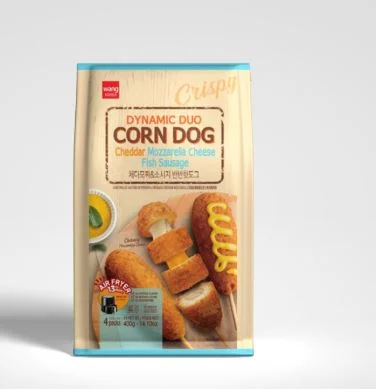
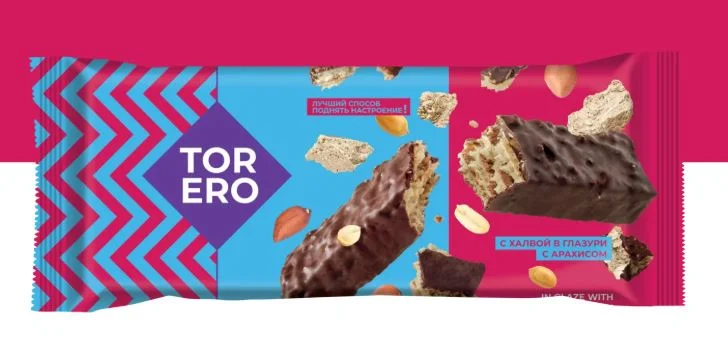
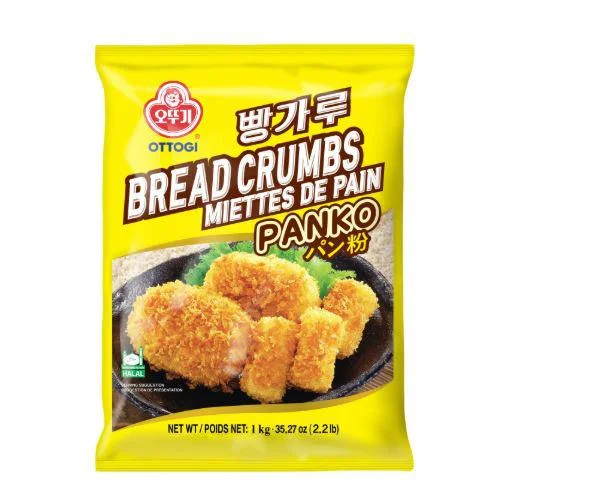
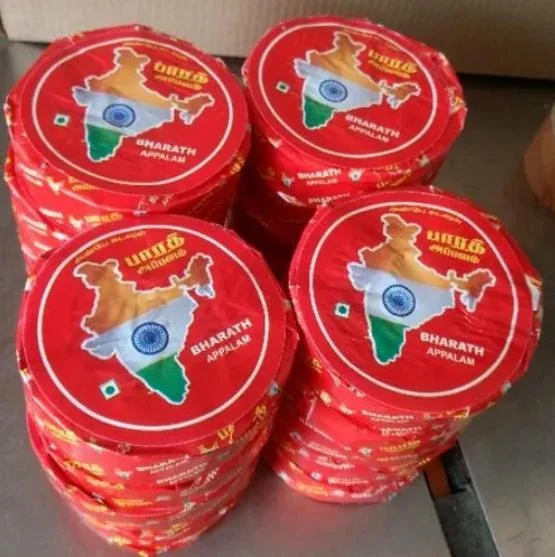
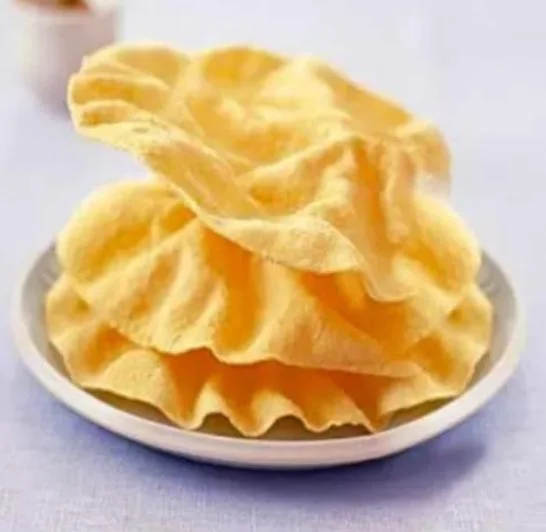
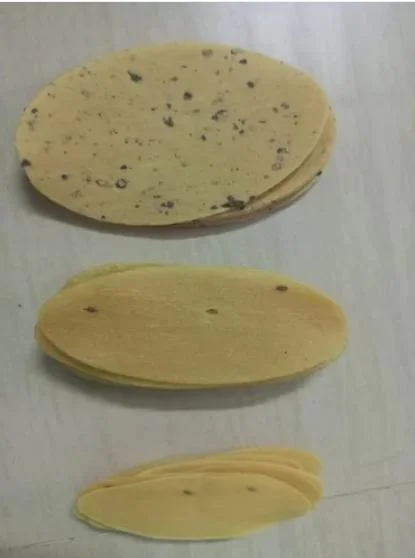
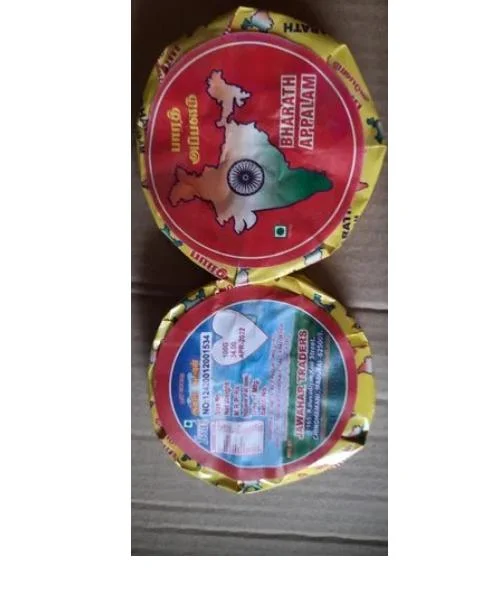
𝗪𝗵𝗮𝘁 𝗮𝗿𝗲 𝗦𝗻𝗮𝗰𝗸𝘀 & 𝗡𝗮𝗺𝗸𝗲𝗲𝗻𝘀?
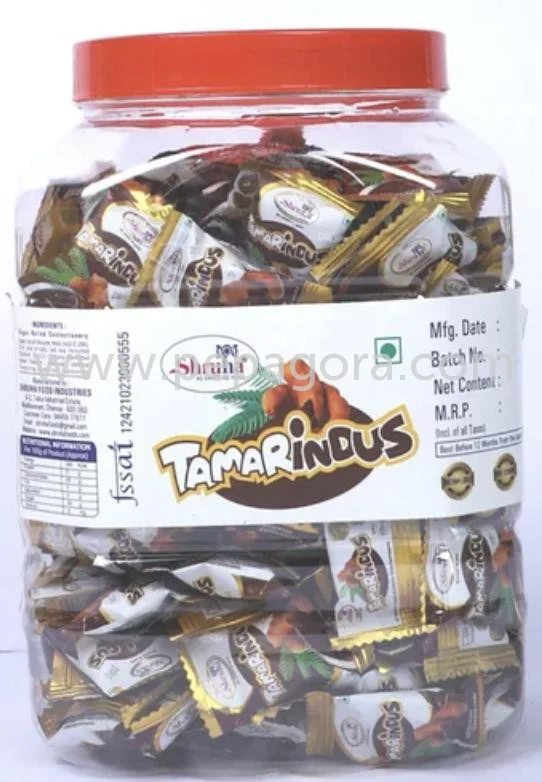
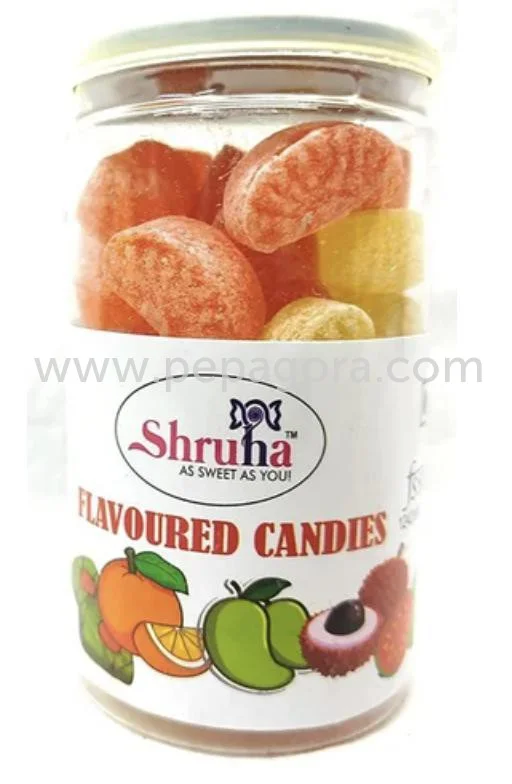
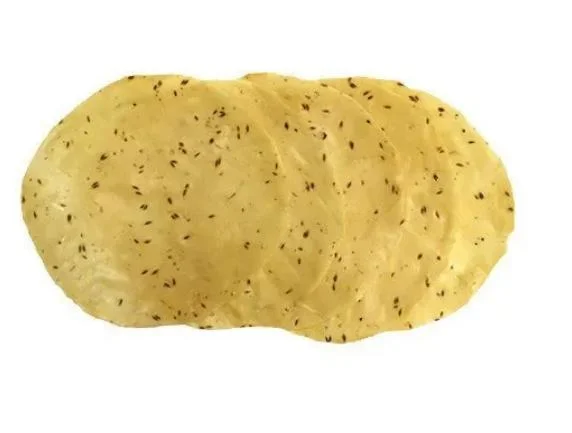
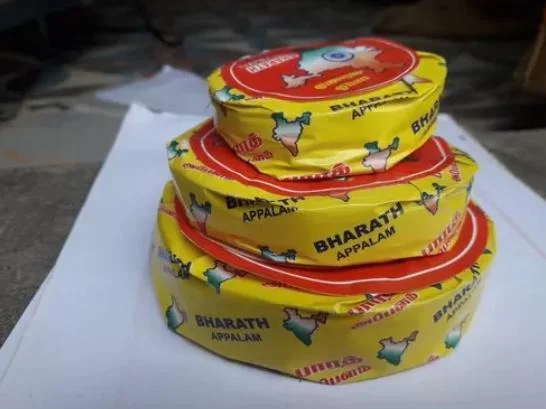
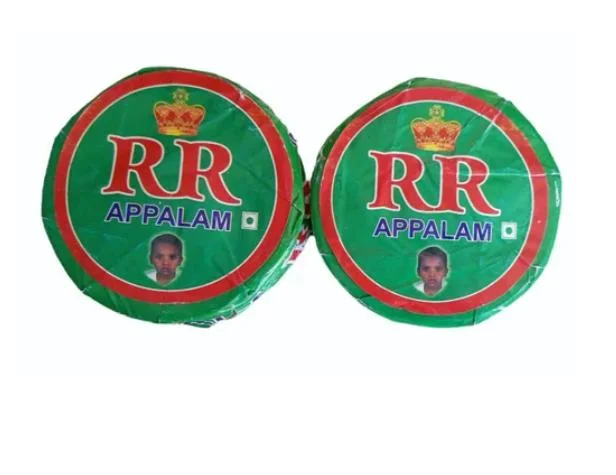
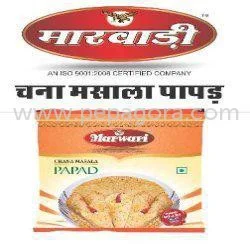
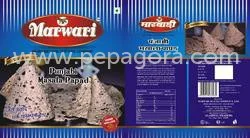
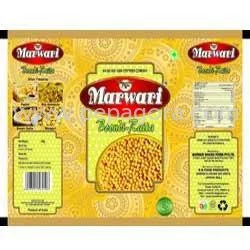
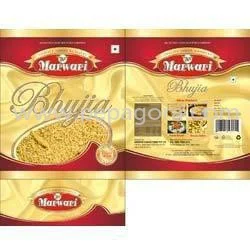
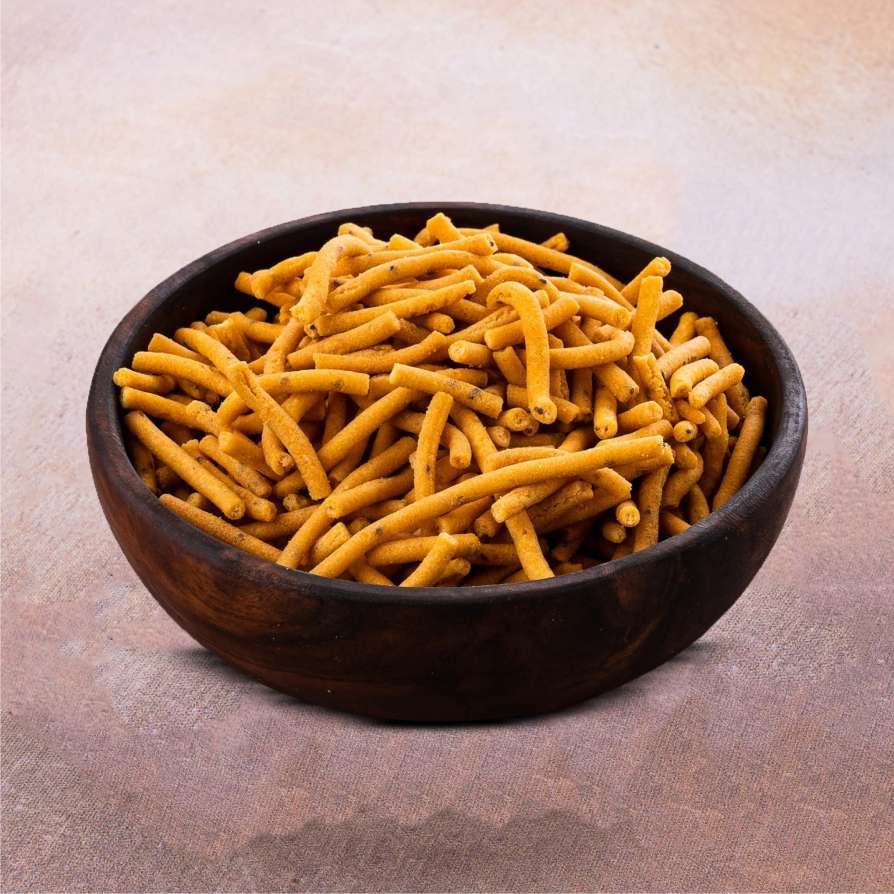
Snacks and namkeens are savory food items commonly enjoyed as quick bites or accompaniments to meals. Typically made from a variety of ingredients such as grains, pulses, and spices, they offer a diverse range of flavors and textures. Snacks can include items like chips, pretzels, and popcorn, while namkeens specifically refer to traditional Indian savory snacks, such as bhujia and chakli. These products are often seasoned with spices, providing a unique taste experience that appeals to both casual consumers and serious snack enthusiasts.
In a business context, snacks and namkeens are widely used in various sectors, including hospitality, retail, and food services. They are ideal for catering events, vending machines, and restaurant menus. Additionally, they serve as a popular choice for impulse purchases in convenience stores. The growing trend towards snacking, influenced by busy lifestyles, has led to increased demand in the market, making it essential for businesses to offer quality products that meet consumer preferences.
As the snacks and namkeens market continues to expand, it is increasingly relevant in the food industry landscape. Businesses are challenged to innovate while maintaining traditional flavors. The rise of health-conscious consumers has also prompted suppliers to explore healthier ingredients and options, ensuring continued relevance in a competitive marketplace.
𝗞𝗲𝘆 𝗙𝗲𝗮𝘁𝘂𝗿𝗲𝘀 𝗮𝗻𝗱 𝗦𝗽𝗲𝗰𝗶𝗳𝗶𝗰𝗮𝘁𝗶𝗼𝗻𝘀
Snacks and namkeens come with various key features and specifications that define their quality and suitability for different applications. Understanding these specifications is crucial for B2B buyers looking to source the right products.
Key specifications include:
1. Ingredient Quality
- Made from high-quality grains and spices
- Ensures superior taste and texture
2. Flavor Variety
- Available in multiple flavors, including spicy, tangy, and sweet
- Customization options may be available based on client preferences
3. Packaging Options
- Offered in bulk or retail packaging
- Ensures freshness and convenience for end users
4. Shelf Life
- Typically ranges from several months to over a year
- Dependent on packaging and storage conditions
5. Nutritional Content
- Varies by product; typically includes calorie count, fat content, and protein levels
- Healthier options may include whole grains or reduced sodium
6. Production Process
- Manufactured under strict quality control standards
- Often involves frying, baking, or roasting techniques
7. Compliance Standards
- Adheres to food safety regulations
- May include certifications like CE for quality assurance
In summary, snacks and namkeens are characterized by their ingredient quality, flavor variety, and packaging options. Buyers should consider these specifications to ensure they are sourcing products that meet their needs.
𝗖𝗼𝗺𝗺𝗼𝗻 𝗔𝗽𝗽𝗹𝗶𝗰𝗮𝘁𝗶𝗼𝗻𝘀 𝗮𝗻𝗱 𝗨𝘀𝗲 𝗖𝗮𝘀𝗲𝘀
Snacks and namkeens serve various industries, making them versatile products for different applications.
1. Hospitality Industry: Snacks and namkeens are often used in hotels and restaurants as appetizers or bar snacks. They enhance the dining experience by offering quick bites to guests.
2. Retail Sector: Grocery stores and convenience shops stock a wide range of snacks and namkeens for on-the-go consumers. They are popular items for impulse purchases and promotions.
3. Event Catering: Catering services utilize snacks and namkeens for events, providing easy-to-eat options during gatherings, parties, or corporate functions.
4. Vending Machines: Many vending machine operators include a selection of snacks and namkeens to cater to diverse tastes, appealing to busy individuals seeking quick meal options.
5. Food Service Distributors: Distributors supply snacks and namkeens to various businesses, ensuring a consistent supply for restaurants, cafes, and other food outlets.
6. Online Retail: E-commerce platforms allow consumers to purchase snacks and namkeens conveniently, expanding reach beyond traditional retail outlets.
7. Health and Wellness Programs: Some companies include healthier snack options in employee wellness programs, promoting better eating habits in the workplace.
𝗣𝗿𝗼𝗱𝘂𝗰𝘁 𝗩𝗮𝗿𝗶𝗮𝗻𝘁𝘀 𝗮𝗻𝗱 𝗦𝘂𝗯𝗰𝗮𝘁𝗲𝗴𝗼𝗿𝗶𝗲𝘀
Snacks and namkeens come in a variety of forms, catering to different tastes and preferences. This diversity allows businesses to offer a comprehensive range of products to their customers.
Spicy Namkeen Mix
This variant combines various namkeen items, seasoned with spices to deliver a bold flavor. It is popular for parties and gatherings, providing a crunchy and savory experience.
Savory Chips
These chips are made from potatoes or other vegetables, seasoned to perfection. They are ideal for retail and vending applications, appealing to consumers looking for a satisfying snack.
Healthier Snack Options
These options include baked snacks or those made with whole grains and less sodium. They are designed for health-conscious consumers, representing a growing market segment.
Traditional Indian Snacks
This category includes items like pakoras and samosas, often served during festivals and special occasions. They offer authentic flavors that resonate with cultural traditions.
𝗕𝗲𝗻𝗲𝗳𝗶𝘁𝘀 𝗮𝗻𝗱 𝗔𝗱𝘃𝗮𝗻𝘁𝗮𝗴𝗲𝘀
Snacks and namkeens offer numerous benefits that make them appealing for both consumers and businesses.
Key benefits include:
1. Convenience: Easy to store and consume, snacks and namkeens are perfect for busy lifestyles, allowing for on-the-go snacking.
2. Variety: The wide range of flavors and types ensures that there is something for everyone, catering to diverse consumer preferences.
3. Cost-Effective: Usually available at various price points, snacks and namkeens can fit any budget, making them accessible to a broad audience.
4. Impulse Purchase Potential: Their snackable nature encourages spontaneous buying, enhancing sales for retailers and food service providers.
5. Customization: Many suppliers offer customization options, allowing businesses to create unique products that align with their brand identity.
6. Cultural Relevance: Traditional snacks resonate with consumers seeking authentic flavors, enhancing customer loyalty and satisfaction.
𝗕𝘂𝘆𝗶𝗻𝗴 𝗚𝘂𝗶𝗱𝗲 𝗳𝗼𝗿 𝗕𝟮𝗕 𝗕𝘂𝘆𝗲𝗿𝘀
When sourcing snacks and namkeens, businesses should consider several important factors to ensure they make informed purchasing decisions.
1. Quality Assessment: Evaluate the ingredient quality and production processes. Look for suppliers who adhere to stringent food safety standards.
2. Supplier Verification: Always vet suppliers through references and past performance. This ensures reliability and product consistency.
3. Pricing and MOQ: Understand the pricing structure and minimum order quantities (MOQ) set by suppliers. This information helps in budgeting and inventory planning.
4. Delivery and Lead Times: Discuss logistics with suppliers to ascertain delivery schedules and lead times, which can impact business operations.
5. Compliance Requirements: Be aware of any regulatory requirements that may apply to snacks and namkeens. Ensuring compliance helps avoid potential legal issues.
𝗖𝗼𝗺𝗽𝗹𝗶𝗮𝗻𝗰𝗲 𝗮𝗻𝗱 𝗖𝗲𝗿𝘁𝗶𝗳𝗶𝗰𝗮𝘁𝗶𝗼𝗻𝘀
Compliance and certifications are crucial in the snacks and namkeens industry, ensuring that products meet safety and quality standards.
Relevant quality standards include ISO 9001, which outlines requirements for a quality management system, ensuring consistent product quality. HACCP, or Hazard Analysis Critical Control Points, is essential for identifying and controlling food safety hazards during production. GDP, or Good Distribution Practices, ensures that food products are stored and transported under safe conditions.
Industry certifications such as CE can enhance product credibility, assuring buyers of adherence to health and safety regulations. It is important for manufacturers to conduct safety and testing requirements regularly to maintain compliance and ensure product integrity.
Regional compliance considerations may vary, but they often involve adherence to local food safety regulations and standards. Understanding these requirements is vital for suppliers aiming to operate successfully in different markets.
𝗪𝗵𝘆 𝗦𝗼𝘂𝗿𝗰𝗲 𝗦𝗻𝗮𝗰𝗸𝘀 & 𝗡𝗮𝗺𝗸𝗲𝗲𝗻𝘀 𝗳𝗿𝗼𝗺 𝗣𝗲𝗽𝗮𝗴𝗼𝗿𝗮?
Pepagora provides a trusted platform for sourcing snacks and namkeens, offering several key advantages for businesses.
Verified Supplier Network: Pepagora features a network of verified suppliers, ensuring that buyers have access to reputable and reliable manufacturers. This reduces the risk of sourcing subpar products.
Streamlined RFQ Process: The Request for Quotation (RFQ) system simplifies the procurement process, allowing buyers to receive competitive quotes quickly and efficiently. This saves time and enhances purchasing decisions.
Trade Assurance and Support: Pepagora offers trade assurance to protect buyers from potential disputes, ensuring a smooth transaction process. Additionally, dedicated support is available to assist with any queries or concerns.
Regional Coverage: With a strong presence in India, GCC, and Southeast Asia, Pepagora connects buyers with suppliers across key markets. This geographic reach ensures that businesses can source products conveniently and efficiently.

 IN
IN

 IN
IN