
 IN
INundefined
Roasted Peanuts
9 products available
𝗪𝗵𝗮𝘁 𝗮𝗿𝗲 𝗥𝗼𝗮𝘀𝘁𝗲𝗱 𝗣𝗲𝗮𝗻𝘂𝘁𝘀?
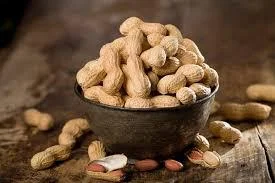
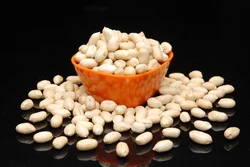
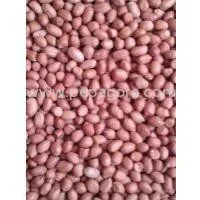
Roasted peanuts are a popular snack and ingredient made by heating raw peanuts to enhance their flavor and texture. The roasting process can be done through dry roasting or oil roasting, resulting in a crunchy texture and a rich, nutty flavor. Roasted peanuts are often salted, but they can also be found in various flavors or unsalted, catering to different consumer preferences.
In the B2B market, roasted peanuts are utilized across various sectors, including food manufacturing, snacks, and confections. They are commonly used as a snack food, ingredient in trail mixes, or as a topping for various dishes. The versatility of roasted peanuts makes them a valuable product for companies looking to enhance their offerings or create new products.
The global demand for roasted peanuts continues to grow due to their nutritional benefits and versatility. They are a rich source of protein, healthy fats, and essential nutrients, making them an attractive option for health-conscious consumers. As a result, businesses in the food industry are increasingly incorporating roasted peanuts into their product lines, reflecting their relevance in the market.
𝗞𝗲𝘆 𝗙𝗲𝗮𝘁𝘂𝗿𝗲𝘀 𝗮𝗻𝗱 𝗦𝗽𝗲𝗰𝗶𝗳𝗶𝗰𝗮𝘁𝗶𝗼𝗻𝘀
Roasted peanuts offer several key features that make them an appealing choice for businesses. When considering roasted peanuts, it's essential to understand the specifications that define their quality and suitability for various applications.
Key specifications include:
1. Quality Standards
- Roasted peanuts must meet industry quality standards such as CE certification.
- Compliance with food safety regulations is crucial.
2. Flavor Profile
- Roasted peanuts typically have a rich, nutty flavor.
- Options include salted, unsalted, or flavored varieties.
3. Texture
- The roasting process results in a crunchy texture.
- Consistency in crunchiness is important for product quality.
4. Nutritional Content
- Roasted peanuts are a good source of protein, fiber, and healthy fats.
- Specific nutritional values can vary based on processing methods.
5. Packaging Options
- Roasted peanuts can be packaged in various formats, including bulk, retail bags, or containers.
- Packaging should ensure freshness and prevent contamination.
6. Shelf Life
- Properly roasted and packaged peanuts have a shelf life of 6 to 12 months.
- Storage conditions can affect longevity.
7. Minimum Order Quantity (MOQ)
- MOQs can vary by supplier, often starting at 100 kg or more.
- Businesses should confirm specific requirements with vendors.
In summary, understanding the key features and specifications of roasted peanuts is vital for B2B buyers to ensure they select the right product for their needs.
𝗖𝗼𝗺𝗺𝗼𝗻 𝗔𝗽𝗽𝗹𝗶𝗰𝗮𝘁𝗶𝗼𝗻𝘀 𝗮𝗻𝗱 𝗨𝘀𝗲 𝗖𝗮𝘀𝗲𝘀
Roasted peanuts serve various industries and applications, making them a versatile ingredient in many products.
1. Snack Foods: Roasted peanuts are widely used in snack mixes, bars, and as standalone snacks. Their crunchiness and flavor enhance the appeal of snack products.
2. Food Manufacturing: Many food manufacturers incorporate roasted peanuts into baked goods, candies, and spreads. They add flavor and nutritional value to these products.
3. Health and Wellness: Roasted peanuts are popular in health-focused products due to their protein and healthy fat content. They are often included in protein bars and health snacks.
4. Culinary Uses: Chefs and home cooks use roasted peanuts as toppings for salads, desserts, and Asian dishes, contributing texture and flavor.
5. Pet Food: Roasted peanuts can also be found in certain pet food formulations, as they provide protein and energy.
6. Foodservice: Restaurants and cafes use roasted peanuts as snacks or garnishes, appealing to customers looking for flavorful options.
7. Retail: Retailers sell roasted peanuts in bulk or packaged forms, catering to various consumer preferences.
𝗣𝗿𝗼𝗱𝘂𝗰𝘁 𝗩𝗮𝗿𝗶𝗮𝗻𝘁𝘀 𝗮𝗻𝗱 𝗦𝘂𝗯𝗰𝗮𝘁𝗲𝗴𝗼𝗿𝗶𝗲𝘀
Roasted peanuts come in various forms to cater to different market needs, enhancing their appeal to businesses.
Salted Roasted Peanuts: This variant is the most common, featuring a savory flavor that enhances the natural nuttiness of the peanuts. These are ideal for snack mixes and standalone consumption.
Unsalted Roasted Peanuts: A healthier option for consumers who prefer to limit their sodium intake. Unsalted roasted peanuts can be used in baking or as a topping in dishes.
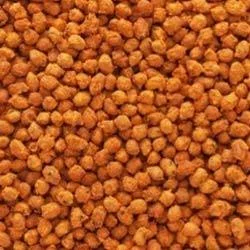
Flavored Roasted Peanuts: These peanuts are coated with various seasonings, such as chili, garlic, or honey, providing unique flavor profiles. They are popular in gourmet snack lines.
Organic Roasted Peanuts: Sourced from organic farming practices, these peanuts meet the demands of health-conscious consumers looking for products without synthetic pesticides or fertilizers.
𝗕𝗲𝗻𝗲𝗳𝗶𝘁𝘀 𝗮𝗻𝗱 𝗔𝗱𝘃𝗮𝗻𝘁𝗮𝗴𝗲𝘀
Sourcing roasted peanuts offers several advantages for businesses seeking quality ingredients.
Key benefits include:
1. Nutritional Value: Roasted peanuts are packed with protein, healthy fats, and essential nutrients, making them a beneficial addition to various products.
2. Versatility: Roasted peanuts can be used in numerous applications, from snacks to confections, allowing businesses to diversify their product offerings.
3. Flavor Enhancement: The rich, nutty flavor of roasted peanuts enhances the overall taste of food products, appealing to consumers' palates.
4. Shelf Stability: Properly roasted and packaged peanuts have a long shelf life, reducing waste and ensuring a steady supply for businesses.
5. Consumer Demand: As health trends continue to rise, the demand for nutritious snacks like roasted peanuts is increasing, providing growth opportunities for suppliers.
6. Customization: Businesses can often find suppliers who offer customized options, such as specific flavorings or packaging, to meet unique market needs.
𝗕𝘂𝘆𝗶𝗻𝗴 𝗚𝘂𝗶𝗱𝗲 𝗳𝗼𝗿 𝗕𝟮𝗕 𝗕𝘂𝘆𝗲𝗿𝘀
When sourcing roasted peanuts, buyers should consider several important factors to ensure they make informed purchasing decisions.
1. Quality Assessment: Evaluate the quality of roasted peanuts based on appearance, flavor, and texture. Look for suppliers who adhere to industry quality standards.
2. Supplier Verification: Vet suppliers by checking references, reviews, and certifications to ensure reliability and credibility in sourcing.
3. Pricing and MOQ: Compare pricing among different suppliers, taking into account the minimum order quantities that fit your business needs.
4. Delivery and Lead Times: Understand the logistics involved in sourcing roasted peanuts, including delivery times and shipping options to avoid supply chain disruptions.
5. Compliance Requirements: Ensure that suppliers meet all regulatory requirements and quality standards relevant to your industry, including safety and testing protocols.
𝗖𝗼𝗺𝗽𝗹𝗶𝗮𝗻𝗰𝗲 𝗮𝗻𝗱 𝗖𝗲𝗿𝘁𝗶𝗳𝗶𝗰𝗮𝘁𝗶𝗼𝗻𝘀
Roasted peanuts must adhere to several industry standards and certifications to ensure their quality and safety.
Relevant quality standards include ISO 9001, which focuses on maintaining a quality management system, and HACCP, which emphasizes food safety management practices. These standards ensure that the peanuts are produced, processed, and handled in a manner that reduces risks to consumers.
CE certification is also pertinent, as it indicates that the product meets European health, safety, and environmental protection standards. Compliance with these certifications is crucial for businesses looking to market roasted peanuts in European markets.
Safety and testing requirements are vital to ensure that roasted peanuts are free from contaminants and meet quality expectations. Regular testing for aflatoxins and other harmful substances is necessary to maintain product integrity.
Additionally, regional compliance considerations should be taken into account, as different countries may have specific regulations governing the import and sale of food products, including roasted peanuts.
𝗪𝗵𝘆 𝗦𝗼𝘂𝗿𝗰𝗲 𝗥𝗼𝗮𝘀𝘁𝗲𝗱 𝗣𝗲𝗮𝗻𝘂𝘁𝘀 𝗳𝗿𝗼𝗺 𝗣𝗲𝗽𝗮𝗴𝗼𝗿𝗮?
Pepagora provides a trusted platform for sourcing roasted peanuts, offering numerous advantages that facilitate the purchasing process for businesses.
Verified Supplier Network: Pepagora ensures that all suppliers are thoroughly vetted, providing buyers with confidence in the quality and reliability of the products they source.
Streamlined RFQ Process: The Request for Quotation (RFQ) process is designed to be efficient, allowing buyers to receive competitive quotations from multiple suppliers quickly.
Trade Assurance and Support: Buyers benefit from trade assurance policies that protect their purchases, ensuring that they receive the quality and quantity of products promised.
Regional Coverage: With a geographic reach extending across India, the Gulf Cooperation Council (GCC), and Southeast Asia, Pepagora connects buyers with suppliers in various regions, facilitating access to a wide range of products.
By choosing Pepagora, businesses can confidently source roasted peanuts while enjoying a seamless and secure purchasing experience.
Newly Added




Recently Added
Imperial House Of Trading
Organic Jasmine Black Tea 100% Pure Food Grade
Industrial Organic Black Tea Dust Powder 100% Pure Food Grade
Premium Ceylon Organic Black Tea 100% Pure Pesticide Free Food Grade
Baba Foods
Premium Roasted Chana Chickpeas Bulk Snacks For Buyers
Premium Chivda Namkeen Bulk Snacks For Retail Hospitality
Bhakarwadi Namkeen Premium Indian Snack For Distributors
Diya Food Products
Bulk Roasted Peanuts For Snack Distributors And Food Manufacturers
Spicy Crunchy Potato Snacks Bulk Customizable Packaging
Premium Chana Dal Namkeen Bulk Snack Distributors
AASHRAY INCORPORATION
Premium Stemless Dried Red Chillies For Food Manufacturing
Premium Indian Red Chillies For Food Manufacturing And Spice Blending
Fine Grade Desiccated Coconut Flakes Under 1.7mm
FENA PVT LTD
Premium Natural Sesame Seeds For Oil Extraction High Purity
Bulk Premium Lemon Sandal Rose Jasmine Glycerine Soap for Hotels Spas
Premium Glycerine Beauty Solid Soap For Hotels Spas
ABC Agro and Food Machine I Pvt Ltd
Industrial Snack Production ABC Automatic Murukku Making Machine 100 kg/hr 6 HP
Commercial Grade ABC Madurai Murukku Making Machine For Traditional Snack Production
Commercial Automatic Chikki Making Machine 150kg/hr For Energy Bars Production
Why Businesses Trust Pepagora
Thousands of companies trust Pepagora to source smarter and sell faster
Expand Your Sales Globally
25000+Products listed.Get discovered by global buyers
Tools to boost visibility
Build your own catalog

Source Smarter,Grow Faster
4000+Active RFQs
100+ Countries served
Easy Sourcing Tools
