𝗪𝗵𝗮𝘁 𝗮𝗿𝗲 𝗟𝗮𝗯𝗲𝗹 𝗣𝗿𝗶𝗻𝘁𝗲𝗿𝘀 & 𝗕𝗮𝗿𝗰𝗼𝗱𝗲 𝗦𝗰𝗮𝗻𝗻𝗲𝗿𝘀?
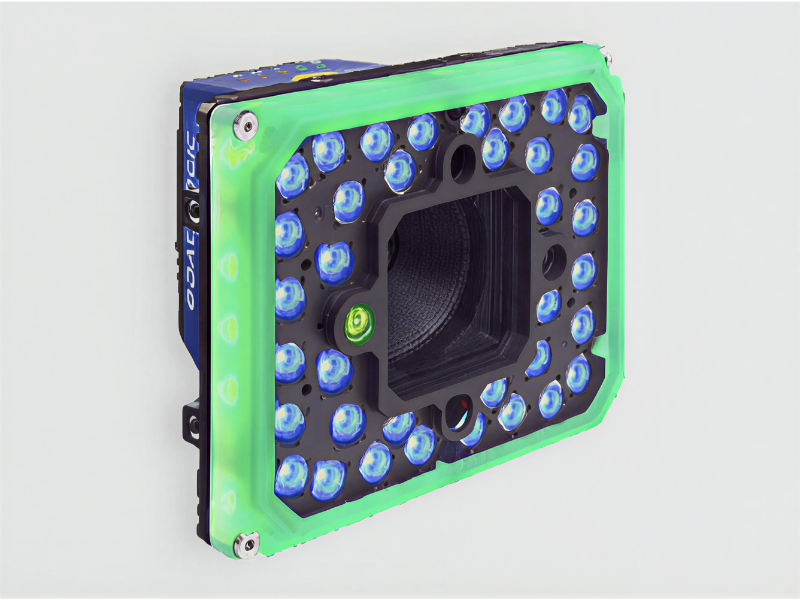
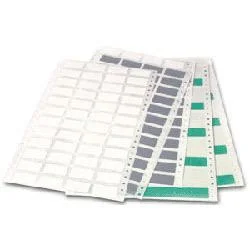
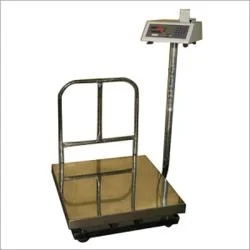
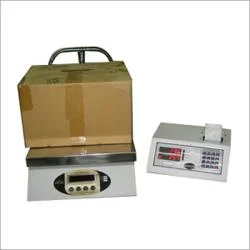
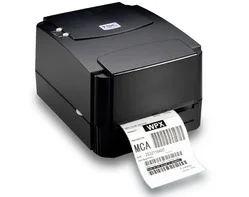
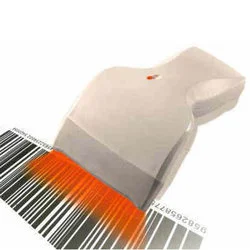
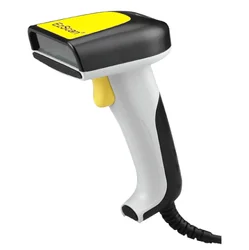
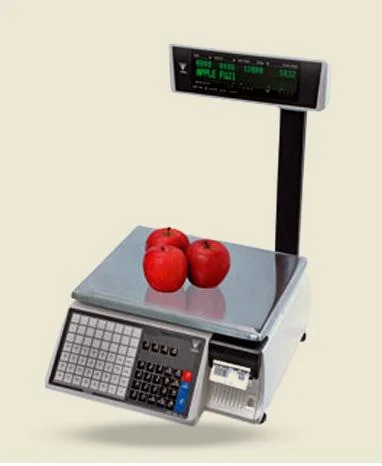
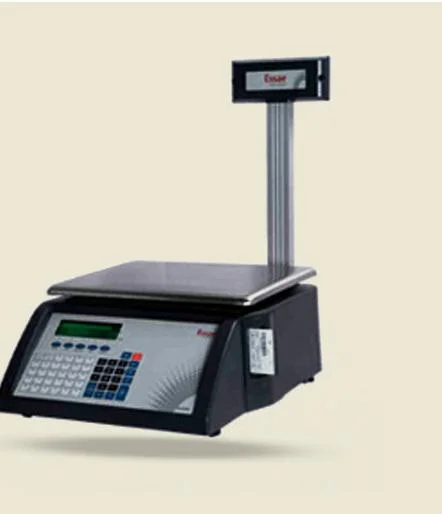
Label printers and barcode scanners are essential tools in modern industrial and commercial environments. Label printers allow businesses to create custom labels for products, packaging, and inventory management. These printers can produce high-quality labels in various sizes and formats, often utilizing thermal printing technology for efficiency. Barcode scanners, on the other hand, are devices used to read the information encoded in barcodes. They facilitate quick data entry and tracking, improving workflow and accuracy in various applications.
The primary uses of these devices span across numerous sectors, including retail, logistics, healthcare, and manufacturing. In retail, label printers are used for price tags and product labels, while barcode scanners help streamline checkout processes. In logistics, these tools assist in tracking shipments and inventory levels. In healthcare, they ensure accurate patient identification and medication administration. The relevance of label printers and barcode scanners is underscored by their role in enhancing operational efficiency and reducing errors, making them indispensable in today’s fast-paced business landscape.
𝗞𝗲𝘆 𝗙𝗲𝗮𝘁𝘂𝗿𝗲𝘀 𝗮𝗻𝗱 𝗦𝗽𝗲𝗰𝗶𝗳𝗶𝗰𝗮𝘁𝗶𝗼𝗻𝘀
Label printers and barcode scanners come equipped with a range of features designed to meet diverse business needs. Understanding these features can help businesses make informed purchasing decisions.
Key specifications include:
1. Print Resolution
- Typically measured in dots per inch (DPI)
- Common ranges include 203 DPI, 300 DPI, and 600 DPI
2. Print Speed
- Measured in inches per second (IPS)
- Standard speeds can range from 2 to 10 IPS
3. Connectivity Options
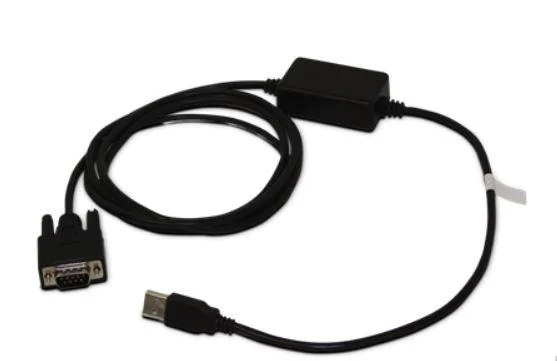
- Includes USB, Ethernet, Bluetooth, and Wi-Fi
- Allows for easy integration into existing systems
4. Media Types Supported
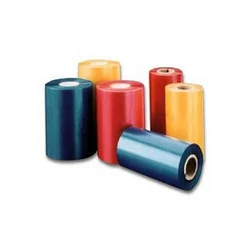
- Compatibility with various label materials such as paper, polyester, and vinyl
- Options for thermal transfer and direct thermal printing
5. Scanner Type
- Laser, CCD, or CMOS sensors
- Each type has different performance characteristics suited for specific applications
6. Barcode Symbologies Supported
- Common formats include UPC, Code 128, QR Code, and Data Matrix
- Important for compatibility with existing systems
7. Durability and Environmental Ratings
- IP ratings indicating dust and moisture resistance
- Important for use in harsh industrial environments
8. User Interface and Software Compatibility
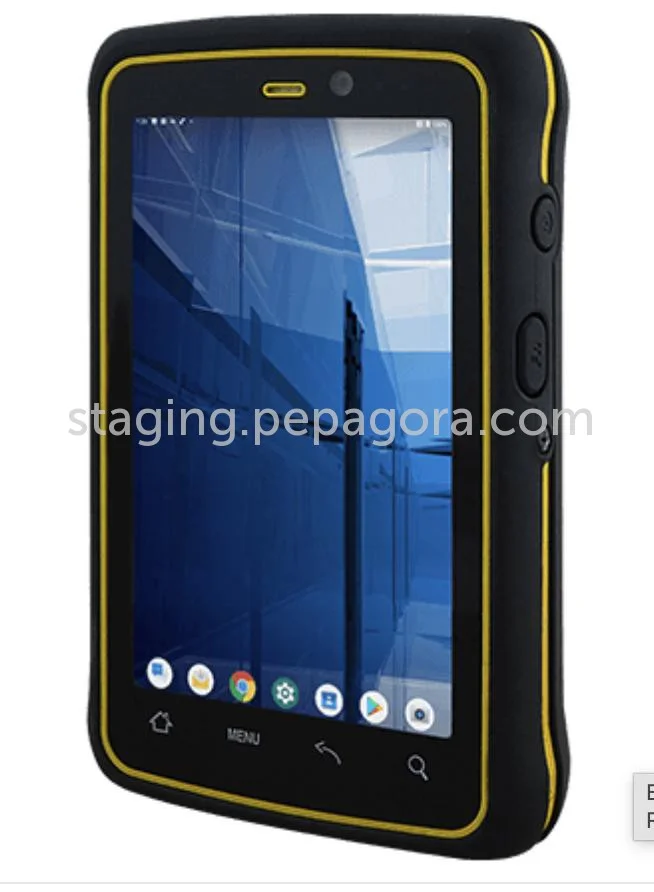
- Touchscreen or button-based interfaces
- Compatibility with various software for label design and data management
In summary, understanding the key features and specifications of label printers and barcode scanners helps businesses select the right equipment based on their operational requirements.
𝗖𝗼𝗺𝗺𝗼𝗻 𝗔𝗽𝗽𝗹𝗶𝗰𝗮𝘁𝗶𝗼𝗻𝘀 𝗮𝗻𝗱 𝗨𝘀𝗲 𝗖𝗮𝘀𝗲𝘀
Label printers and barcode scanners serve a wide variety of industries, enhancing efficiency and accuracy in operations.
1. Retail: In retail environments, label printers are essential for creating price tags, product labels, and promotional signage. Barcode scanners speed up the checkout process and improve inventory management.
2. Logistics: Warehouse and distribution centers rely on label printers to manage shipping labels and inventory tags. Barcode scanners help track shipments throughout the supply chain, reducing errors and improving efficiency.
3. Healthcare: In hospitals and clinics, label printers are used for patient wristbands and medication labels. Barcode scanners ensure correct patient identification and medication administration, promoting safety.
4. Manufacturing: Production facilities use label printers for labeling products and components. Barcode scanners are vital for tracking parts throughout the manufacturing process, ensuring quality control.
5. Food and Beverage: The food industry utilizes label printers for ingredient labels and nutritional information. Barcode scanners help maintain traceability and compliance with food safety standards.
6. Automotive: In the automotive sector, label printers are used for parts labeling and inventory management. Barcode scanners track parts throughout production and distribution.
7. Pharmaceuticals: Pharmaceutical companies use label printers to create labels for medications and packaging. Barcode scanners help verify drug authenticity and manage inventory.
𝗣𝗿𝗼𝗱𝘂𝗰𝘁 𝗩𝗮𝗿𝗶𝗮𝗻𝘁𝘀 𝗮𝗻𝗱 𝗦𝘂𝗯𝗰𝗮𝘁𝗲𝗴𝗼𝗿𝗶𝗲𝘀
Label printers and barcode scanners come in various models, each designed for specific applications and environments. This diversity allows businesses to select the best option for their needs.
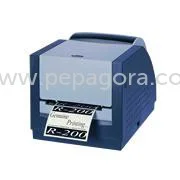
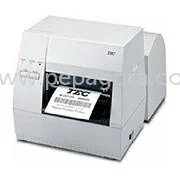
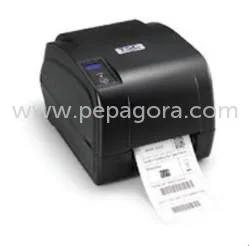
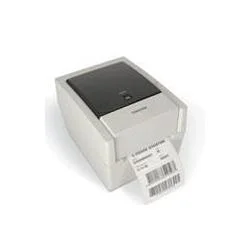
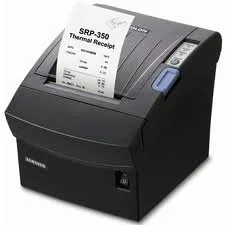
Desktop Label Printers: These compact printers are ideal for small to medium-sized businesses. They offer high-quality printing and are suitable for creating labels on-demand.
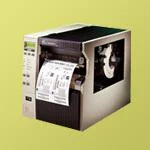
Industrial Label Printers: Built for high-volume printing, these printers are designed for durability and performance in challenging environments. They handle larger label rolls and produce labels quickly.
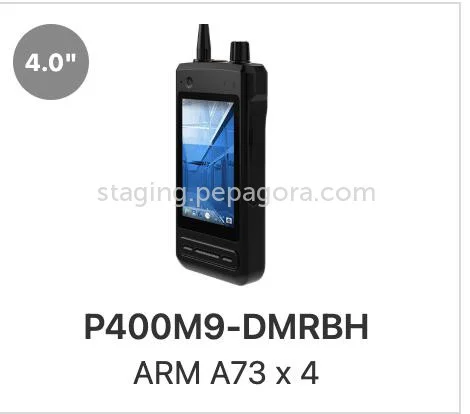
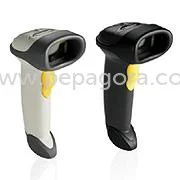
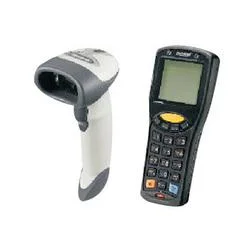
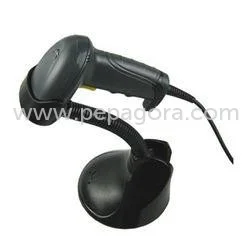
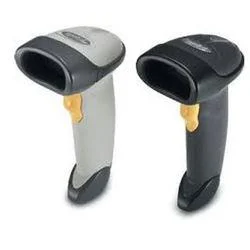
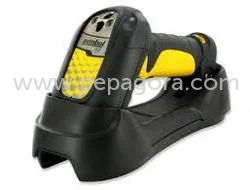
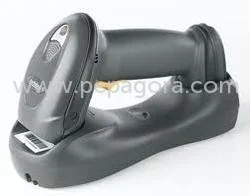
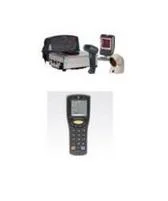
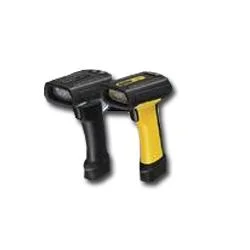
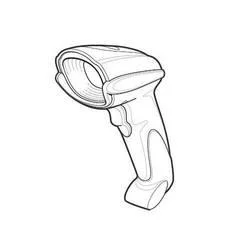
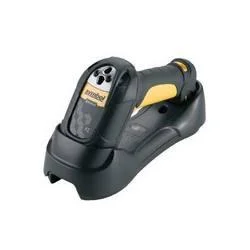
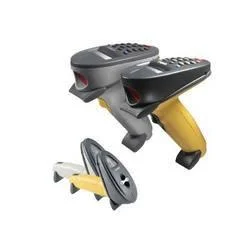
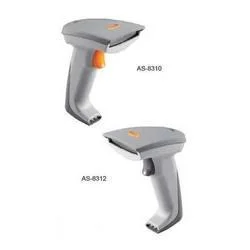
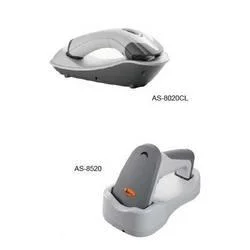
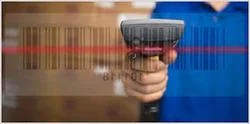
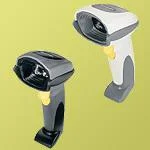
Handheld Barcode Scanners: Portable and lightweight, these scanners are perfect for retail and warehouse applications. They allow for easy scanning of barcodes on products and packages.
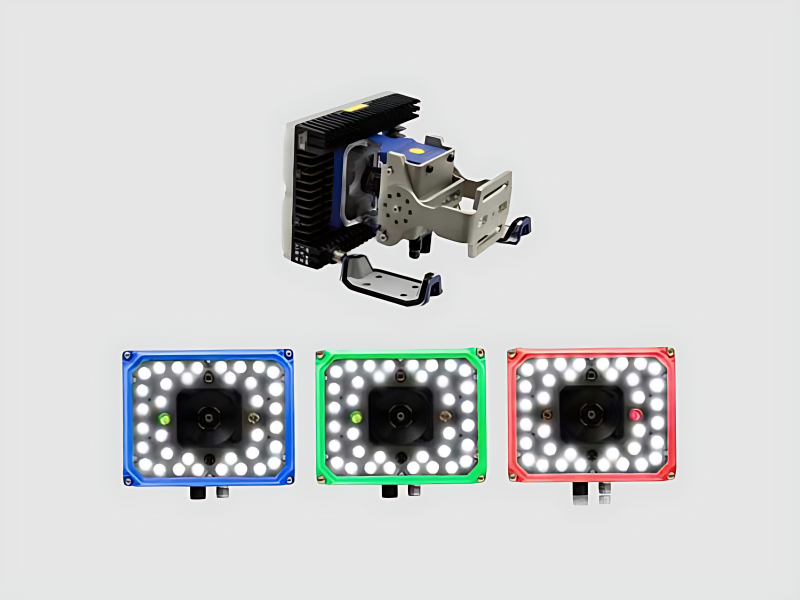
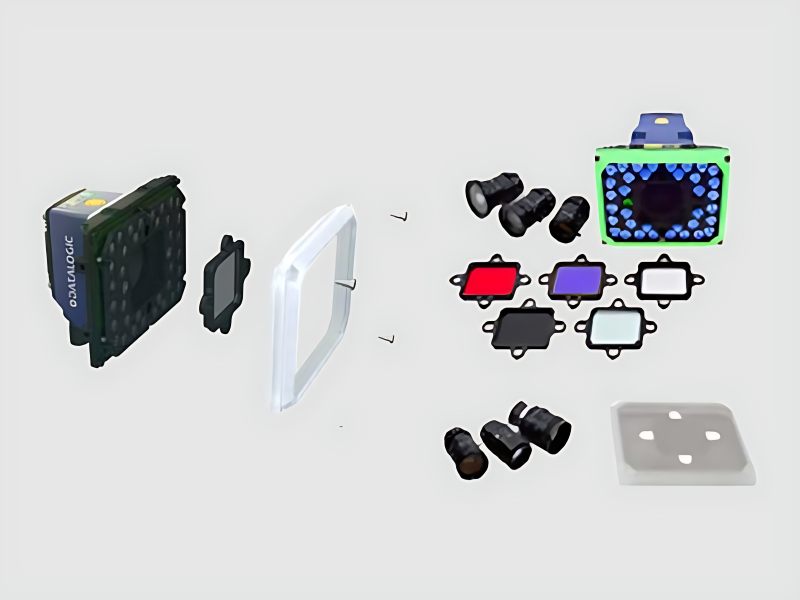
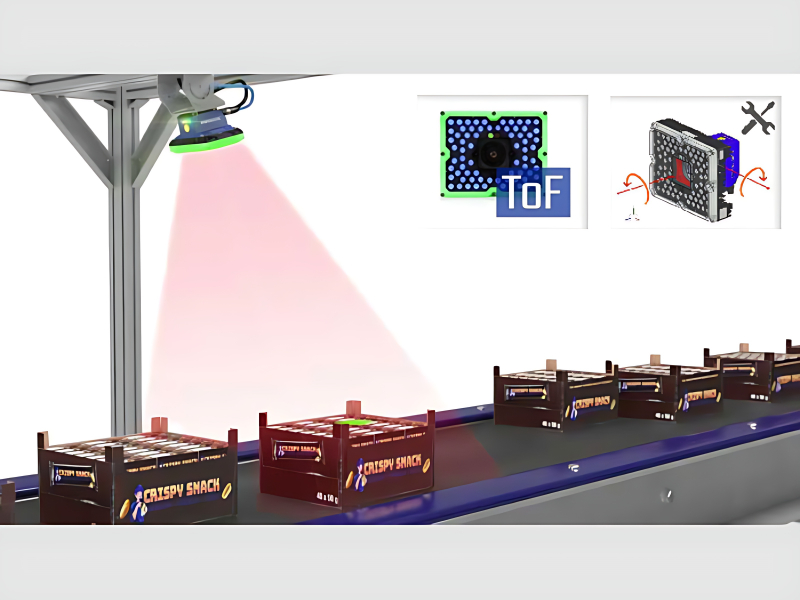
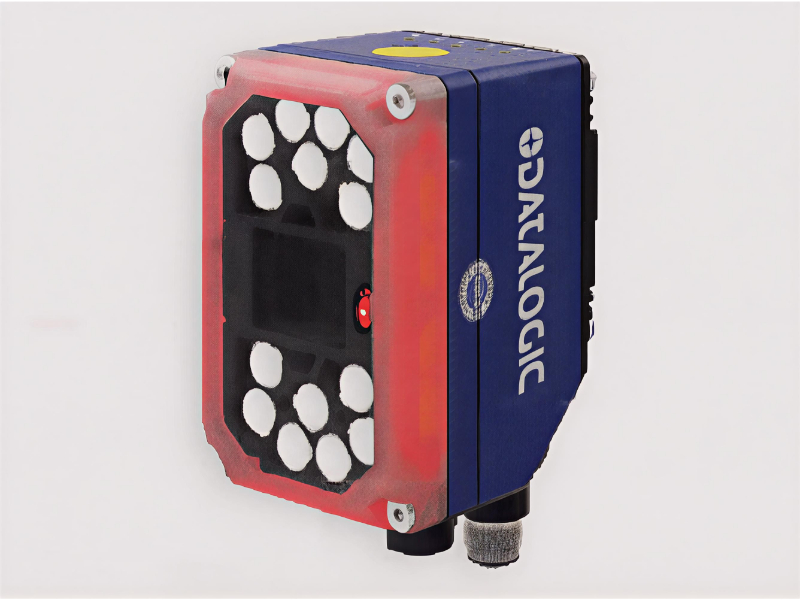
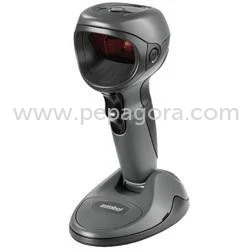
Fixed Mount Barcode Scanners: These scanners are installed at checkout counters or production lines. They provide hands-free scanning and are highly efficient for high-volume environments.
𝗕𝗲𝗻𝗲𝗳𝗶𝘁𝘀 𝗮𝗻𝗱 𝗔𝗱𝘃𝗮𝗻𝘁𝗮𝗴𝗲𝘀
Label printers and barcode scanners offer numerous advantages that can significantly impact business operations.
Key benefits include:
1. Increased Efficiency: Automating label creation and data entry reduces manual workloads, allowing employees to focus on more critical tasks.
2. Improved Accuracy: Barcode scanning minimizes human error in data entry, ensuring accurate tracking of inventory and sales.
3. Enhanced Compliance: These devices help businesses adhere to labeling regulations, particularly in industries like healthcare and food services.
4. Cost Savings: By streamlining processes, businesses can lower operational costs associated with labor and errors.
5. Versatility: Label printers and barcode scanners can be adapted for various applications, making them suitable for multiple industries.
6. Better Inventory Management: These tools provide real-time data on stock levels, helping businesses avoid overstocking or stockouts.
𝗕𝘂𝘆𝗶𝗻𝗴 𝗚𝘂𝗶𝗱𝗲 𝗳𝗼𝗿 𝗕𝟮𝗕 𝗕𝘂𝘆𝗲𝗿𝘀
When sourcing label printers and barcode scanners, several factors should be considered to ensure the right investment.
1. Quality Assessment: Evaluate the build quality and performance of the printers and scanners. Look for products that meet industry standards and have a good track record in the market.
2. Supplier Verification: Vet suppliers to ensure they provide reliable products and support. Check for customer reviews and industry certifications.
3. Pricing and MOQ: Compare pricing across different suppliers and consider minimum order quantities. Ensure that the costs align with your budget and needs.
4. Delivery and Lead Times: Discuss delivery options and lead times with suppliers to ensure timely receipt of your equipment. Consider logistics for your location.
5. Compliance Requirements: Verify that the products meet relevant regulatory standards for your industry. This is especially important in sectors like healthcare and food.
𝗖𝗼𝗺𝗽𝗹𝗶𝗮𝗻𝗰𝗲 𝗮𝗻𝗱 𝗖𝗲𝗿𝘁𝗶𝗳𝗶𝗰𝗮𝘁𝗶𝗼𝗻𝘀
Label printers and barcode scanners must adhere to various compliance and certification standards to ensure quality and safety.
ISO 9001 is a widely recognized quality management standard that ensures manufacturers maintain consistent quality in their products and services. Compliance with ISO standards indicates that a manufacturer has implemented effective quality management systems.
CE certification is essential for products sold in European markets. It indicates that the product complies with EU safety, health, and environmental protection standards. This certification is crucial for manufacturers looking to expand their reach into European markets.
Safety and testing requirements are also vital. Manufacturers should conduct rigorous testing to ensure their products perform reliably under various conditions. This testing helps prevent malfunctions and enhances user safety.
In addition, businesses must consider regional compliance requirements, especially when sourcing products from international suppliers. Each region may have specific standards that need to be met to ensure the products can be legally sold and used.
𝗪𝗵𝘆 𝗦𝗼𝘂𝗿𝗰𝗲 𝗟𝗮𝗯𝗲𝗹 𝗣𝗿𝗶𝗻𝘁𝗲𝗿𝘀 & 𝗕𝗮𝗿𝗰𝗼𝗱𝗲 𝗦𝗰𝗮𝗻𝗻𝗲𝗿𝘀 𝗳𝗿𝗼𝗺 𝗣𝗲𝗽𝗮𝗴𝗼𝗿𝗮?
Pepagora provides a trusted platform for sourcing label printers and barcode scanners, offering several key advantages that benefit buyers.
Verified Supplier Network: Pepagora has established a network of verified suppliers, ensuring that buyers receive high-quality products from reputable manufacturers. This reduces the risk of purchasing subpar equipment.
Streamlined RFQ Process: The platform offers a straightforward request for quotation (RFQ) process, allowing buyers to easily compare offers from multiple suppliers. This transparency promotes competitive pricing and informed decision-making.
Trade Assurance and Support: Pepagora provides trade assurance, protecting buyers against potential risks in their transactions. Their dedicated support team is available to assist with any inquiries or issues, enhancing the overall purchasing experience.
Regional Coverage: With a strong presence in India, the Gulf Cooperation Council (GCC), and Southeast Asia, Pepagora connects buyers with local suppliers, ensuring prompt delivery and support. This regional focus helps businesses navigate the complexities of sourcing equipment in different markets.

 IN
IN