
 IN
INundefined
Wireless Barcode Scanners
13 products available
𝗪𝗵𝗮𝘁 𝗮𝗿𝗲 𝗪𝗶𝗿𝗲𝗹𝗲𝘀𝘀 𝗕𝗮𝗿𝗰𝗼𝗱𝗲 𝗦𝗰𝗮𝗻𝗻𝗲𝗿𝘀?
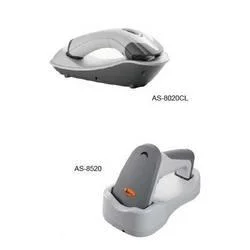
Wireless barcode scanners are devices that utilize radio frequency technology to scan and decode barcodes without the need for a physical connection to a computer or point-of-sale system. They are designed to enhance operational efficiency by allowing users to capture data quickly and accurately from various barcode formats. These scanners often connect to devices via Bluetooth or Wi-Fi, enabling greater mobility and flexibility in data collection.
In business settings, wireless barcode scanners are primarily used for inventory management, order fulfillment, and asset tracking. They facilitate quick scanning of products, reducing the time spent on manual data entry and minimizing human error. This technology is particularly beneficial in retail, logistics, and warehousing, where speed and accuracy are essential for maintaining operational flow. As industries increasingly adopt automation and digitization, wireless barcode scanners have become a vital tool in improving productivity and performance.
The relevance of wireless barcode scanners spans across multiple sectors, including retail, healthcare, and manufacturing. The growing demand for real-time data access and operational efficiency drives the market for these devices. With advancements in technology, businesses look for reliable scanning solutions that can seamlessly integrate with their existing systems, making wireless barcode scanners a critical component in modern business operations.
𝗞𝗲𝘆 𝗙𝗲𝗮𝘁𝘂𝗿𝗲𝘀 𝗮𝗻𝗱 𝗦𝗽𝗲𝗰𝗶𝗳𝗶𝗰𝗮𝘁𝗶𝗼𝗻𝘀
Wireless barcode scanners come with various features that enhance their functionality and ease of use. When considering these devices, it is essential to understand their specifications to select the right model for your needs.
Key specifications include:
1. Scanning Technology
- Laser or imaging technology for barcode reading.
- Affects scanning speed and accuracy.
2. Connectivity Options
- Bluetooth or Wi-Fi capabilities for wireless communication.
- Range of connectivity impacts usability in larger spaces.
3. Battery Life
- Duration of use before recharging is needed.
- Typical ranges from 8 to 24 hours depending on usage.
4. Operating Distance
- Effective scanning range from the scanner to the barcode.
- Generally ranges from 10 cm to several meters.
5. Durability Rating
- Ingress Protection (IP) rating indicating resistance to dust and water.
- Important for use in industrial or outdoor environments.
6. Barcode Compatibility
- Support for various barcode formats including 1D and 2D.
- Essential for versatility in scanning different products.
7. Weight and Ergonomics
- Weight of the scanner influences user comfort during prolonged use.
- Ergonomic design reduces fatigue during scanning tasks.
8. Data Storage Capacity
- Ability to store scanned data temporarily before uploading.
- Important for environments with intermittent connectivity.
In summary, understanding these features and specifications can guide businesses in selecting the most suitable wireless barcode scanner to meet their operational needs.
𝗖𝗼𝗺𝗺𝗼𝗻 𝗔𝗽𝗽𝗹𝗶𝗰𝗮𝘁𝗶𝗼𝗻𝘀 𝗮𝗻𝗱 𝗨𝘀𝗲 𝗖𝗮𝘀𝗲𝘀
Wireless barcode scanners are versatile tools with applications across various industries.
1. Retail: In retail environments, these scanners streamline checkout processes by quickly scanning items at the point of sale. They also help manage inventory by enabling easy stock counts and restocking alerts.
2. Logistics: In logistics and shipping, wireless barcode scanners improve tracking of packages and shipments. They facilitate the receiving and dispatching of goods, reducing processing times and errors.
3. Manufacturing: In manufacturing settings, barcode scanners assist in tracking parts and assemblies throughout the production line. This ensures accuracy in inventory management and supports lean manufacturing processes.
4. Healthcare: In healthcare facilities, scanners are used to track medications and patient records. They enhance patient safety by ensuring the correct medication is administered at the right time.
5. Warehouse Management: In warehouses, wireless barcode scanners enable real-time inventory tracking and order fulfillment. This improves operational efficiency and minimizes stock discrepancies.
6. Food and Beverage: In the food industry, these scanners help track product freshness and compliance with safety regulations. They ensure accurate inventory levels and support traceability.
7. Supply Chain Management: Wireless barcode scanners play a crucial role in supply chain operations by streamlining data capture throughout the supply chain, from supplier to end-user.
𝗣𝗿𝗼𝗱𝘂𝗰𝘁 𝗩𝗮𝗿𝗶𝗮𝗻𝘁𝘀 𝗮𝗻𝗱 𝗦𝘂𝗯𝗰𝗮𝘁𝗲𝗴𝗼𝗿𝗶𝗲𝘀
Wireless barcode scanners come in various models to cater to different business needs. Each variant offers unique features suited for specific applications.
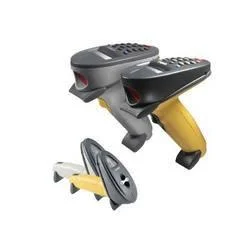
Handheld Barcode Scanner: This variant is lightweight and portable, making it ideal for retail and warehouse environments. It allows users to scan barcodes easily while moving around.
Fixed Mount Barcode Scanner: Designed for stationary use, fixed mount scanners are often integrated into checkout counters or conveyor systems. They provide high-speed scanning for high-volume applications.
Rugged Barcode Scanner: Built to withstand harsh conditions, rugged scanners are ideal for industrial settings. They feature enhanced durability and are resistant to drops, dust, and water.
2D Barcode Scanner: This type supports scanning of both 1D and 2D barcodes, providing flexibility for businesses dealing with diverse products. It is commonly used in retail and logistics.
𝗕𝗲𝗻𝗲𝗳𝗶𝘁𝘀 𝗮𝗻𝗱 𝗔𝗱𝘃𝗮𝗻𝘁𝗮𝗴𝗲𝘀
Investing in wireless barcode scanners offers several advantages for businesses.
1. Increased Efficiency: Wireless barcode scanners significantly reduce the time taken to scan items compared to manual entry, enhancing workflow and productivity.
2. Improved Accuracy: With automated data capture, the likelihood of human error is minimized, ensuring accurate inventory and sales data.
3. Enhanced Mobility: The wireless nature of these scanners allows employees to move freely, facilitating quicker data collection in larger spaces.
4. Cost Savings: By streamlining operations and reducing errors, businesses can save on labor costs and improve overall profitability.
5. Real-time Data Access: Wireless barcode scanners enable immediate data transfer to inventory management systems, providing real-time insights into stock levels.
6. User-Friendly Design: Many scanners are designed with ergonomics in mind, making them comfortable to use for extended periods.
𝗕𝘂𝘆𝗶𝗻𝗴 𝗚𝘂𝗶𝗱𝗲 𝗳𝗼𝗿 𝗕𝟮𝗕 𝗕𝘂𝘆𝗲𝗿𝘀
When sourcing wireless barcode scanners, several factors should be considered to ensure a suitable purchase.
1. Quality Assessment: Evaluate the build quality and reliability of the scanners. Look for devices that come with warranties and have positive reviews from other users.
2. Supplier Verification: Vet suppliers carefully to ensure they are reputable and offer reliable customer service. Check for certifications and industry experience.
3. Pricing and MOQ: Consider the price range and minimum order quantities. Compare quotes from different suppliers to find the best value for your budget.
4. Delivery and Lead Times: Assess the logistics involved in the purchase, including lead times for delivery. Efficient delivery is crucial for maintaining operational continuity.
5. Compliance Requirements: Ensure that the scanners meet relevant industry standards and regulations. Check for certifications such as CE to confirm compliance with safety and quality standards.
𝗖𝗼𝗺𝗽𝗹𝗶𝗮𝗻𝗰𝗲 𝗮𝗻𝗱 𝗖𝗲𝗿𝘁𝗶𝗳𝗶𝗰𝗮𝘁𝗶𝗼𝗻𝘀
Wireless barcode scanners must adhere to several quality and safety standards to ensure their reliability and performance.
Key standards include ISO 9001, which sets out the criteria for a quality management system. Compliance with this standard indicates a manufacturer’s commitment to providing consistent quality products and services.
Industry certifications such as CE mark compliance are essential for products sold within the European Economic Area. This certification ensures that the scanners meet EU safety, health, and environmental protection requirements.
Furthermore, wireless barcode scanners may need to comply with safety and testing requirements related to electromagnetic compatibility and environmental considerations. These factors are crucial for ensuring that devices operate safely in various environments.
Regional compliance considerations can also affect sourcing decisions. Depending on the region, different regulations may apply, making it essential to understand local compliance requirements when selecting wireless barcode scanners.
𝗪𝗵𝘆 𝗦𝗼𝘂𝗿𝗰𝗲 𝗪𝗶𝗿𝗲𝗹𝗲𝘀𝘀 𝗕𝗮𝗿𝗰𝗼𝗱𝗲 𝗦𝗰𝗮𝗻𝗻𝗲𝗿𝘀 𝗳𝗿𝗼𝗺 𝗣𝗲𝗽𝗮𝗴𝗼𝗿𝗮?
Pepagora offers a trusted platform for businesses looking to source wireless barcode scanners, equipped with several key advantages that streamline the purchasing process.
Verified Supplier Network: Pepagora connects buyers with a network of verified suppliers, ensuring that each vendor meets strict quality and reliability standards. This verification process helps buyers feel confident in their sourcing decisions.
Streamlined RFQ Process: The request for quotation (RFQ) system simplifies the procurement process, allowing buyers to easily compare offers from multiple suppliers. This efficiency saves time and helps businesses find the best deals.
Trade Assurance and Support: Pepagora provides trade assurance measures to protect buyers, ensuring that they receive the products as specified. The platform also offers support to address any issues that may arise during the purchasing process.
Regional Coverage: With a strong presence in India, the GCC, and Southeast Asia, Pepagora facilitates access to a wide range of suppliers in these regions. This geographic reach allows businesses to source wireless barcode scanners that meet their specific needs, no matter where they are located.
Newly Added




Recently Added
I D Technologies
Industrial Thermal Transfer Ribbon TR4065 Durable Outdoor Labeling
Premium Wax Resin Thermal Transfer Ribbon For Durable Barcodes
Industrial Thermal Transfer Ribbon TR4070 Durable UV Resistant
Amain Infotech
Industrial Grade Laptops New Easy To Use On Time Delivery
Medium Volume OS 214TT Barcode Printer with Dual Thermal Technology
Retail POS Motorola Symbol LS9208 Desktop Scanner High Speed Omnidirectional
Bhoomi Enterprise
Industrial Barcode Printers For Inventory Management And Logistics
Professional Dymo SLP Thermal Printers For Barcode Shipping Labels
Industrial Thermal Label Printers For High Volume Applications
Cosmic Bar Code Solutions Private Limited
Industrial Hand Labeling Machines For Product Identification And Branding
Industrial 8 Inch Barcode Printer For High Volume Labeling
Argox Barcode Scanners For Retail POS And Warehouse Inventory
As Labels
Premium Polyester Labels Durable Weather Resistant Stickers
Supermarket Retail Electronic Cash Register For Efficient POS Transactions
Professional Hand Labellers For Accurate Product Marking In Industries
RICE LAKE WEIGHING SYSTEMS INDIA LIMITED
Lab Analytical Balance TA Plus Series Fast Precise Weighing MMTS
TE Enhanced Series Rice Lake Legal for Trade Balance with MMTS Technology
Rice Lake TP Series Toploader Balance with MMTS Technology and RS 232
Vistech Automation Pvt Ltd
Test
CS66 Teach Pendant With Touch Screen Interface For Robot Programming And Control
CS66 Robot Controller Unit For Industrial Automation And Control Systems
Why Businesses Trust Pepagora
Thousands of companies trust Pepagora to source smarter and sell faster
Expand Your Sales Globally
25000+Products listed.Get discovered by global buyers
Tools to boost visibility
Build your own catalog

Source Smarter,Grow Faster
4000+Active RFQs
100+ Countries served
Easy Sourcing Tools
