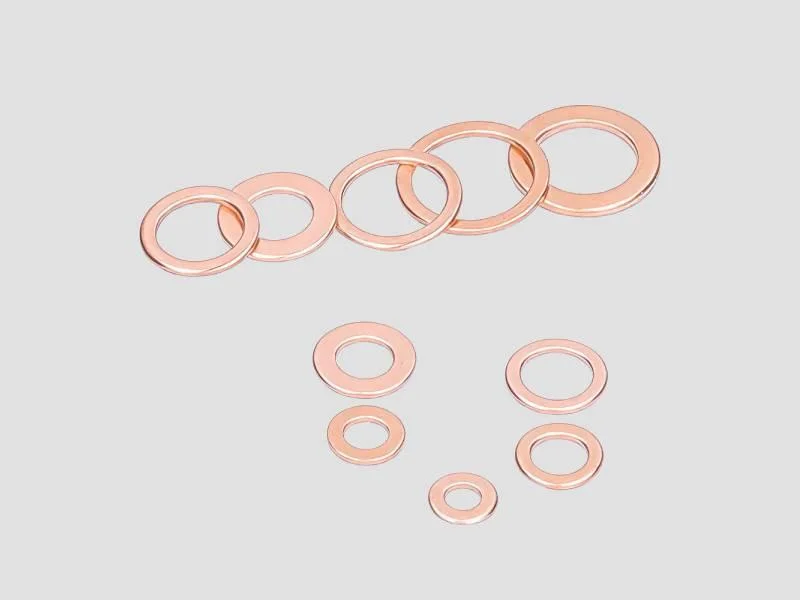
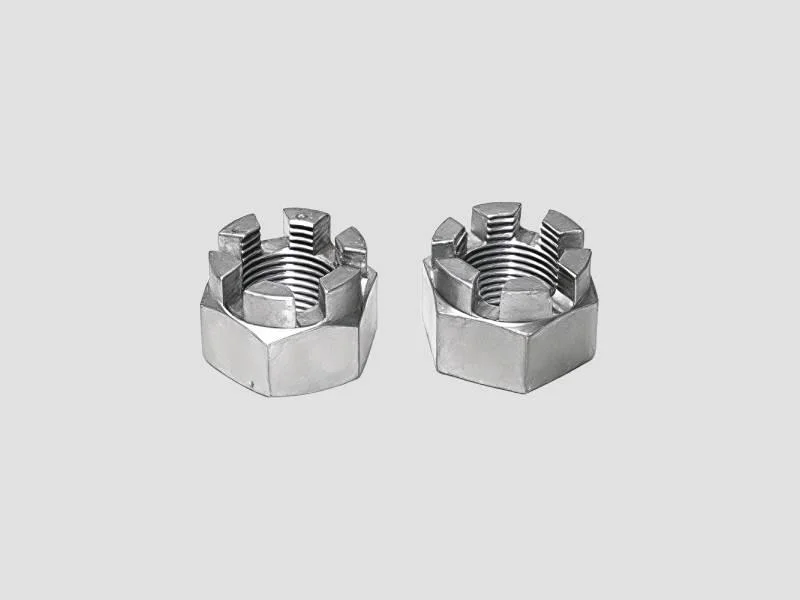
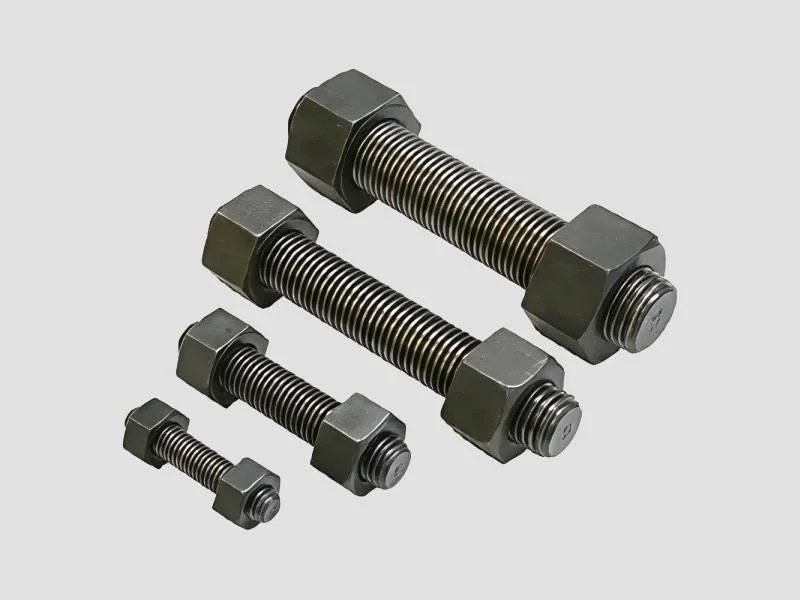
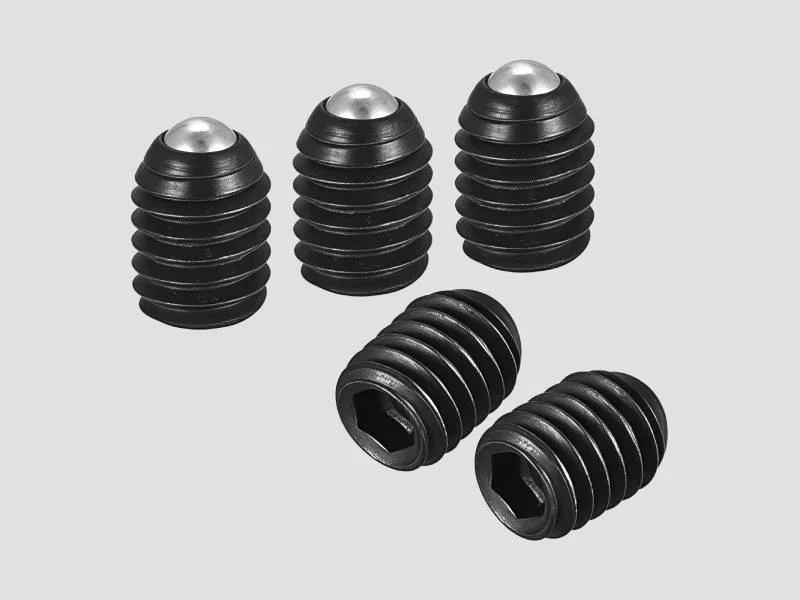
𝗪𝗵𝗮𝘁 𝗮𝗿𝗲 𝗙𝗮𝘀𝘁𝗲𝗻𝗲𝗿𝘀, 𝗡𝘂𝘁𝘀, 𝗕𝗼𝗹𝘁𝘀?
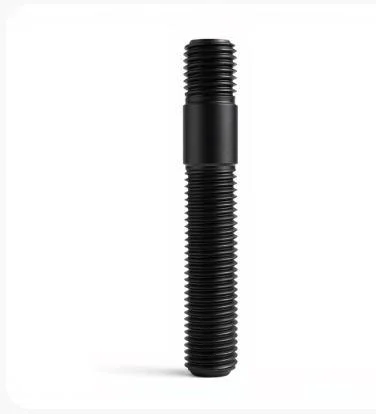
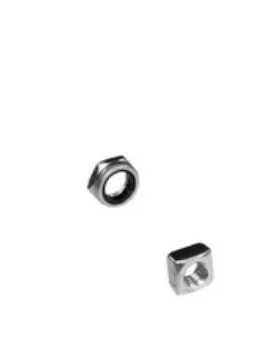
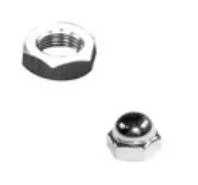
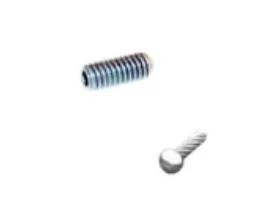
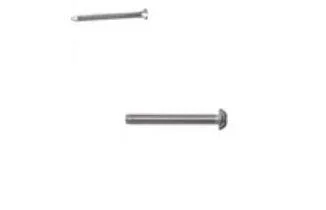
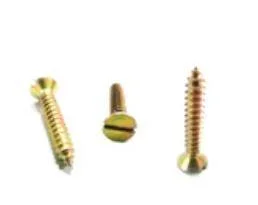
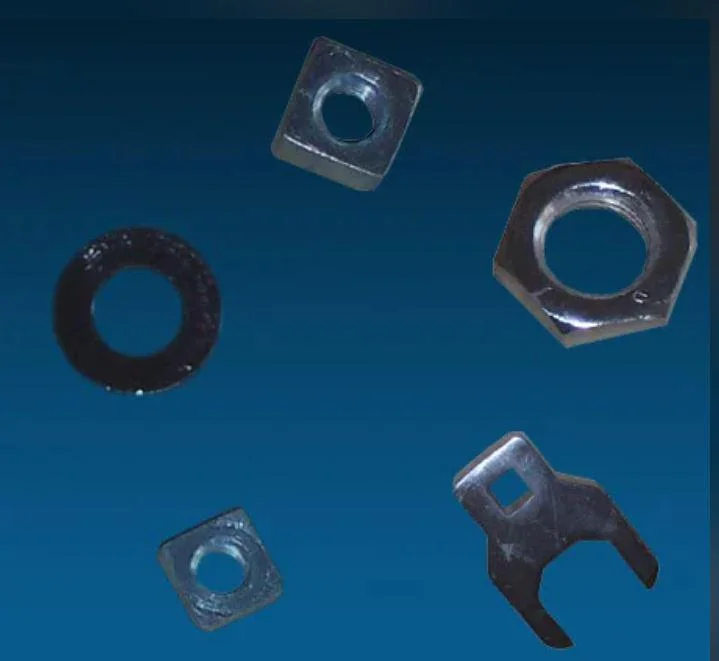
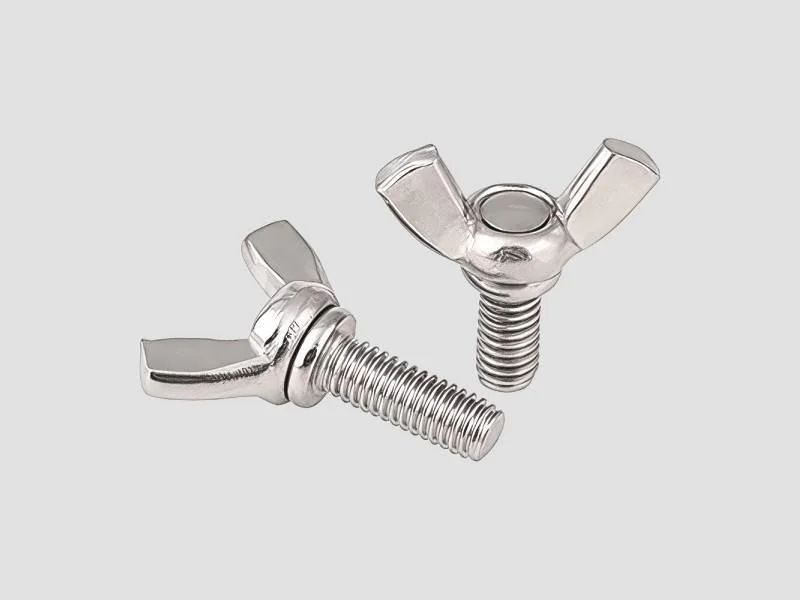
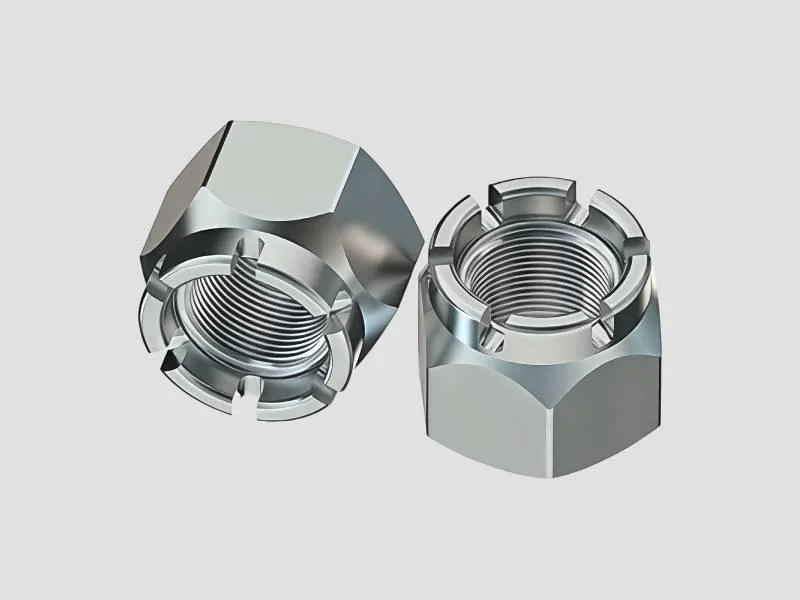
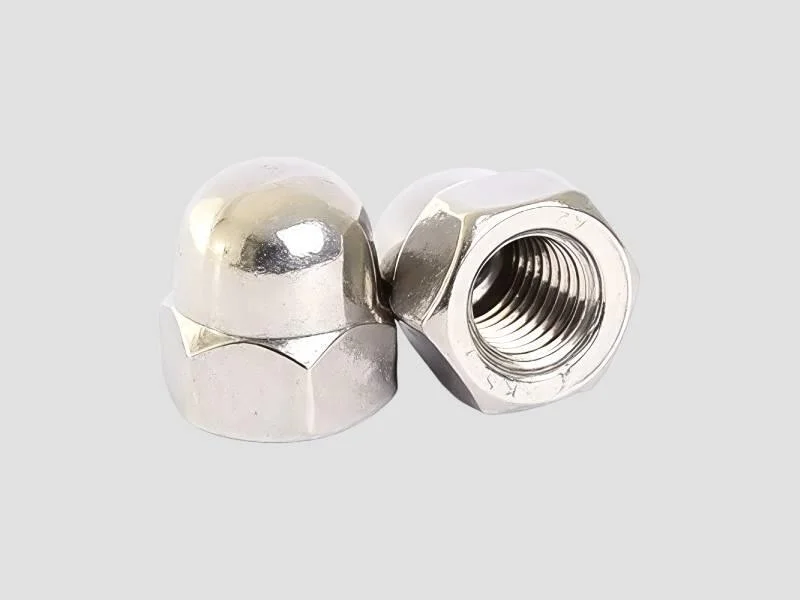
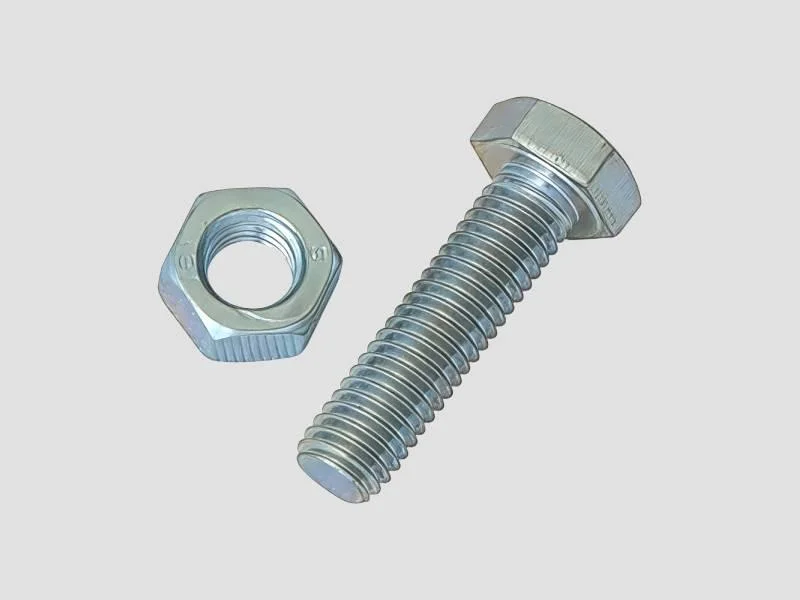
Fasteners, nuts, and bolts are essential hardware components used to join materials together in various applications. Fasteners include a wide range of products such as screws, anchors, and rivets, but nuts and bolts are two of the most common types. A bolt typically has a head on one end and a threaded shaft on the other, while a nut is a hexagonal piece with an internal thread that fits onto the bolt. Together, they create a secure connection that can be easily assembled and disassembled as needed.
These components are used in numerous industries, including construction, automotive, manufacturing, and aerospace. In construction, they are often used to assemble frameworks, support structures, and secure fixtures. In the automotive sector, fasteners are critical for assembling vehicles and ensuring safety. The ability to easily install and remove these components makes them invaluable across various applications, resulting in their widespread use in countless machinery and products.
The market for fasteners, nuts, and bolts continues to grow due to the increasing demand for durable and reliable fastening solutions. As industries evolve, so do the specifications and requirements for these products, making compliance with quality standards a crucial aspect of sourcing. The rise of innovative materials and manufacturing processes further enhances the relevance of fasteners in today's industrial landscape.
𝗞𝗲𝘆 𝗙𝗲𝗮𝘁𝘂𝗿𝗲𝘀 𝗮𝗻𝗱 𝗦𝗽𝗲𝗰𝗶𝗳𝗶𝗰𝗮𝘁𝗶𝗼𝗻𝘀
Fasteners, nuts, and bolts come with a variety of features and specifications that cater to specific applications. Understanding these specifications is essential for selecting the right components for your needs.
Key specifications include:
1. Material
- Common materials include stainless steel, carbon steel, and plastic.
- Each material offers different strength, corrosion resistance, and weight characteristics.
2. Thread Type
- Fasteners can have coarse, fine, or metric threads.
- The choice of thread type affects the fit and load-bearing capacity.
3. Finish
- Common finishes include zinc plating, black oxide, and galvanization.
- The finish provides protection against corrosion and enhances aesthetic appeal.
4. Size
- Fasteners come in various diameters and lengths.
- Size selection is critical for compatibility with specific applications.
5. Load Capacity
- Load capacities vary based on the type and material of the fastener.
- It is important to choose fasteners that can withstand the required loads in their applications.
6. Certification
- Many fasteners come with industry certifications like CE.
- Certification ensures compliance with quality and safety standards.
7. Temperature Resistance
- Fasteners can be designed to withstand specific temperature ranges.
- This feature is crucial in applications where temperature fluctuations are prevalent.
8. Customization Options
- Some manufacturers offer customization for specific applications.
- Customization may include unique sizes, materials, or finishes.
In summary, understanding the key features and specifications of fasteners, nuts, and bolts is vital for making informed purchasing decisions. This knowledge helps ensure that the selected components meet the requirements of the intended application.
𝗖𝗼𝗺𝗺𝗼𝗻 𝗔𝗽𝗽𝗹𝗶𝗰𝗮𝘁𝗶𝗼𝗻𝘀 𝗮𝗻𝗱 𝗨𝘀𝗲 𝗖𝗮𝘀𝗲𝘀
Fasteners, nuts, and bolts are used in a wide range of industries, each with specific applications that highlight their importance.
1. Construction: Fasteners are essential for assembling frameworks, securing roofing materials, and connecting structural components in buildings.
2. Automotive: In the automotive industry, these components are critical for assembling vehicles, securing engine parts, and ensuring overall vehicle integrity.
3. Aerospace: Fasteners are used to connect aircraft parts, ensuring safety and compliance with stringent industry regulations.
4. Manufacturing: In manufacturing, fasteners are pivotal in the assembly of machinery and equipment, contributing to operational efficiency.
5. Electronics: Fasteners secure components in electronic devices, ensuring durability and reliability in performance.
6. Furniture: In furniture manufacturing, fasteners are used to assemble pieces, providing stability and ease of assembly for consumers.
7. Marine: Fasteners are used in marine applications to secure equipment and components, with a focus on corrosion resistance.
𝗣𝗿𝗼𝗱𝘂𝗰𝘁 𝗩𝗮𝗿𝗶𝗮𝗻𝘁𝘀 𝗮𝗻𝗱 𝗦𝘂𝗯𝗰𝗮𝘁𝗲𝗴𝗼𝗿𝗶𝗲𝘀
Fasteners, nuts, and bolts come in various types and designs to meet diverse application needs.
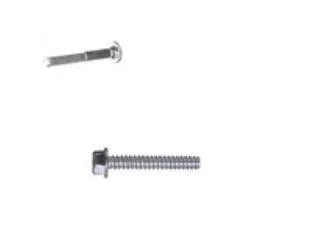
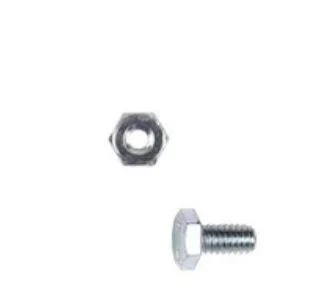
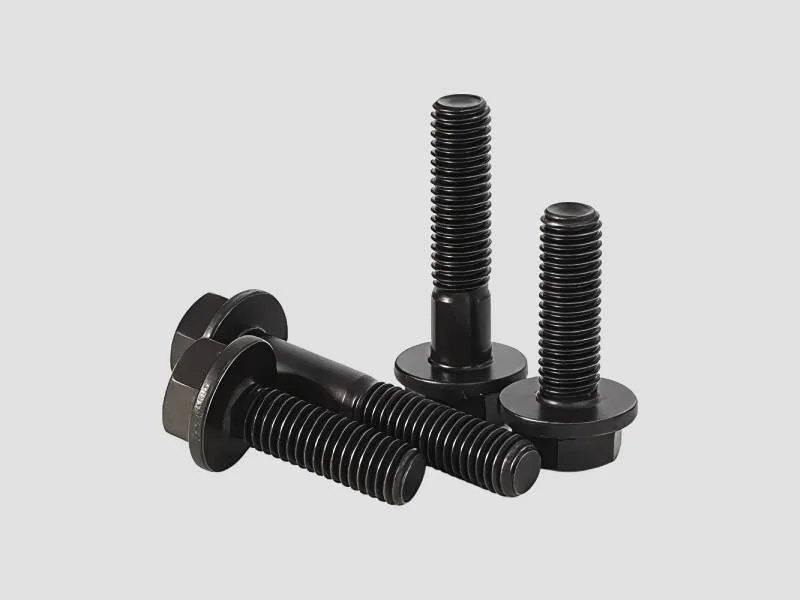
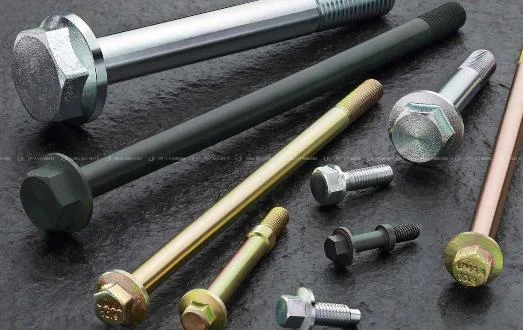
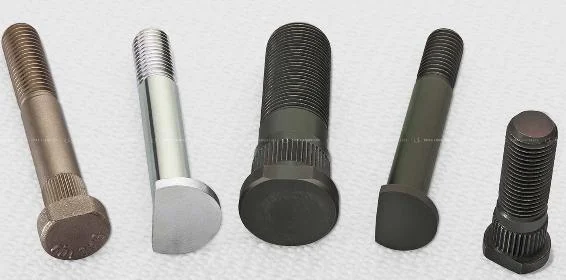
Hex Bolts: These bolts have a hexagonal head and are commonly used in construction and heavy machinery. Their design allows for easy tightening with a wrench.
Carriage Bolts: Designed with a rounded head and a square neck, carriage bolts are ideal for wood-to-wood applications. They prevent spinning during installation.
Lag Bolts: Also known as lag screws, these are heavy-duty fasteners used to connect wooden structures. Their coarse threads provide strong holding power.
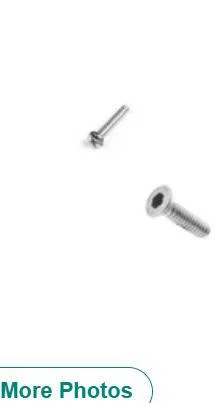
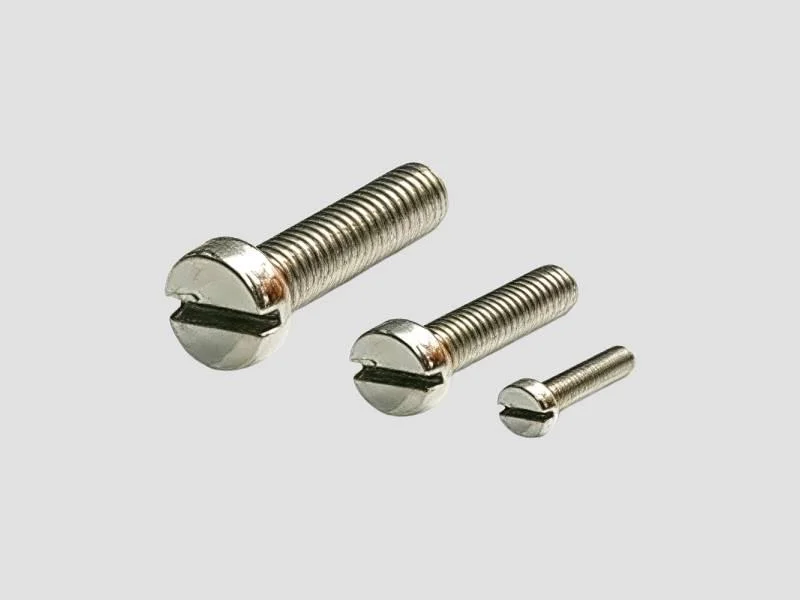
Machine Screws: These screws are designed for fastening metal parts together. They come in various sizes and thread types, making them versatile for many applications.
𝗕𝗲𝗻𝗲𝗳𝗶𝘁𝘀 𝗮𝗻𝗱 𝗔𝗱𝘃𝗮𝗻𝘁𝗮𝗴𝗲𝘀
Sourcing fasteners, nuts, and bolts offers numerous benefits that enhance operational efficiency and product reliability.
1. Versatility: Fasteners can be used across a wide range of applications, making them suitable for multiple industries.
2. Ease of Installation: Fasteners are designed for quick assembly and disassembly, facilitating maintenance and repairs.
3. Cost-Effectiveness: Bulk purchasing options can lead to significant cost savings for businesses.
4. Strength and Durability: High-quality fasteners provide reliable strength and durability, ensuring that structures and products remain intact over time.
5. Customization: Many suppliers offer customization options, allowing businesses to acquire fasteners tailored to specific needs.
6. Compliance Assurance: Sourcing from reputable suppliers ensures that fasteners meet industry standards and regulations.
𝗕𝘂𝘆𝗶𝗻𝗴 𝗚𝘂𝗶𝗱𝗲 𝗳𝗼𝗿 𝗕𝟮𝗕 𝗕𝘂𝘆𝗲𝗿𝘀
When sourcing fasteners, nuts, and bolts, several factors should be considered to ensure a successful procurement process.
1. Quality Assessment: Assess the quality of materials and manufacturing processes to ensure reliability. Look for certifications and standards that indicate compliance.
2. Supplier Verification: Vet suppliers thoroughly to ensure they have a good track record and meet your quality requirements. Request references and check their manufacturing capabilities.
3. Pricing and MOQ: Consider the pricing structures and minimum order quantities. Ensure that pricing aligns with your budget while meeting your quality standards.
4. Delivery and Lead Times: Evaluate the supplier's ability to meet your required delivery schedules. Timely delivery is critical for maintaining production timelines.
5. Compliance Requirements: Ensure that the fasteners comply with relevant regulations and safety standards for your industry. This is essential for maintaining quality assurance.
𝗖𝗼𝗺𝗽𝗹𝗶𝗮𝗻𝗰𝗲 𝗮𝗻𝗱 𝗖𝗲𝗿𝘁𝗶𝗳𝗶𝗰𝗮𝘁𝗶𝗼𝗻𝘀
Compliance and certification are critical aspects of sourcing fasteners, nuts, and bolts. Many manufacturers adhere to quality standards such as ISO 9001, which ensures a consistent level of quality management across production processes. Compliance with these standards helps businesses maintain high operational standards and product reliability.
Additionally, certifications like CE signify that the products meet European safety, health, and environmental protection standards. This is particularly important for industries that require stringent adherence to safety regulations.
Safety testing requirements are also essential. Fasteners must undergo rigorous testing to assess their strength, durability, and performance under various conditions. Regional compliance considerations can vary, so it is necessary to be aware of local regulations that may affect the purchase and use of fasteners in specific markets.
𝗪𝗵𝘆 𝗦𝗼𝘂𝗿𝗰𝗲 𝗙𝗮𝘀𝘁𝗲𝗻𝗲𝗿𝘀, 𝗡𝘂𝘁𝘀, 𝗕𝗼𝗹𝘁𝘀 𝗳𝗿𝗼𝗺 𝗣𝗲𝗽𝗮𝗴𝗼𝗿𝗮?
Pepagora offers a trusted platform for sourcing fasteners, nuts, bolts with numerous advantages for B2B buyers.
Verified Supplier Network: Pepagora connects buyers with a network of verified suppliers, ensuring that all products meet high-quality standards. This reduces the risk associated with sourcing from unknown vendors.
Streamlined RFQ Process: The platform simplifies the request for quotation process, allowing buyers to easily compare prices and specifications from multiple suppliers. This enhances decision-making efficiency.
Trade Assurance and Support: Pepagora provides trade assurance, protecting buyers through various support channels. This ensures that any issues related to quality or delivery are promptly addressed.
Regional Coverage: With a strong presence in India, the GCC, and Southeast Asia, Pepagora offers regional coverage that facilitates easy access to fasteners, nuts, and bolts tailored to local market needs. This geographic reach ensures that buyers can find the right products, regardless of their location.

 IN
IN

 IN
IN