
 IN
INundefined
High Tensile Fasteners
143 products available
𝗪𝗵𝗮𝘁 𝗮𝗿𝗲 𝗛𝗶𝗴𝗵 𝗧𝗲𝗻𝘀𝗶𝗹𝗲 𝗙𝗮𝘀𝘁𝗲𝗻𝗲𝗿𝘀?
High tensile fasteners are specialized mechanical components designed to provide exceptional strength and reliability in fastening applications. They are engineered from high-strength materials that enable them to withstand greater loads and stresses compared to standard fasteners. These fasteners are essential in situations where durability and performance are critical, making them a preferred choice across various industries.
The primary uses of high tensile fasteners include construction, automotive, aerospace, and machinery manufacturing. In these sectors, they are utilized to secure components and structures that experience high levels of stress and strain. Businesses rely on these fasteners to ensure safety and integrity in their applications, as they help prevent failures that can lead to costly downtime or accidents.
In the current market context, the demand for high tensile fasteners continues to grow, driven by advancements in technology and increased industrial activity. Industries are increasingly focusing on materials and components that enhance performance and longevity, placing high tensile fasteners at the forefront of their sourcing strategies. As a result, manufacturers and suppliers are innovating to meet evolving needs and compliance standards.
𝗞𝗲𝘆 𝗙𝗲𝗮𝘁𝘂𝗿𝗲𝘀 𝗮𝗻𝗱 𝗦𝗽𝗲𝗰𝗶𝗳𝗶𝗰𝗮𝘁𝗶𝗼𝗻𝘀
High tensile fasteners come with a range of features that distinguish them from standard fasteners. These features ensure they are capable of performing under demanding conditions. Understanding their specifications is crucial for selecting the right fastener for a specific application.
Key specifications include:
1. Material Composition
- Typically made from high-grade steel or alloy
- Ensures maximum strength and durability
2. Tensile Strength
- Measured in megapascals (MPa)
- Ranges from 800 MPa to over 1,200 MPa depending on the type and grade
3. Yield Strength
- Key for determining how much load the fastener can handle before deforming
- Usually between 70% to 90% of tensile strength
4. Surface Finish
- Coated or uncoated options available
- Coatings may include zinc plating for corrosion resistance
5. Thread Type
- Available in various thread profiles including coarse and fine
- Ensures compatibility with different materials and applications
6. Size Range
- Available in a wide range of diameters and lengths
- Custom sizes may be available based on specific requirements
7. Certification Standards
- Must meet industry standards such as CE certification
- Ensures quality and reliability
8. Compliance with Industry Standards
- Adherence to standards like ISO 9001 ensures quality management
- Compliance with safety regulations is critical
In summary, understanding the key features and specifications of high tensile fasteners is essential for making informed purchasing decisions. These specifications directly impact performance and suitability for various applications.
𝗖𝗼𝗺𝗺𝗼𝗻 𝗔𝗽𝗽𝗹𝗶𝗰𝗮𝘁𝗶𝗼𝗻𝘀 𝗮𝗻𝗱 𝗨𝘀𝗲 𝗖𝗮𝘀𝗲𝘀
High tensile fasteners are widely used across numerous industries due to their strength and reliability. Their applications are crucial for maintaining safety and durability in structural and mechanical systems.
1. Construction: High tensile fasteners are used in structural steel connections, providing the necessary strength to support buildings and bridges.
2. Automotive: In the automotive industry, these fasteners secure critical components such as engines and chassis, ensuring vehicle safety and performance.
3. Aerospace: The aerospace sector relies on high tensile fasteners for aircraft assembly due to their ability to withstand extreme conditions and forces.
4. Machinery Manufacturing: These fasteners are essential in assembling machines that require robust and reliable connections for optimal functionality.
5. Oil and Gas: High tensile fasteners are used in drilling rigs and pipelines, where they must withstand harsh environmental conditions.
6. Marine: In marine applications, these fasteners are employed in shipbuilding and maintenance, where corrosion resistance is vital.
7. Heavy Equipment: High tensile fasteners are used in heavy machinery, ensuring that components remain securely fastened during operation.
𝗣𝗿𝗼𝗱𝘂𝗰𝘁 𝗩𝗮𝗿𝗶𝗮𝗻𝘁𝘀 𝗮𝗻𝗱 𝗦𝘂𝗯𝗰𝗮𝘁𝗲𝗴𝗼𝗿𝗶𝗲𝘀
High tensile fasteners come in various forms to suit different applications and requirements. Understanding these variants can help you select the most appropriate fastener.
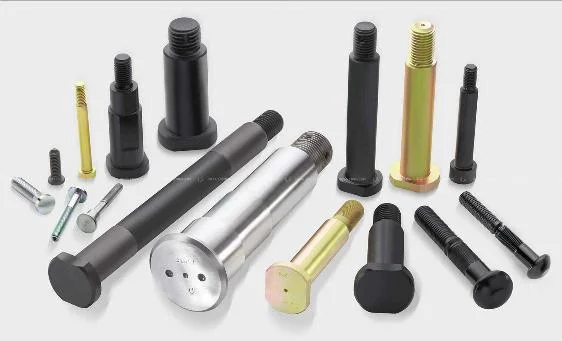
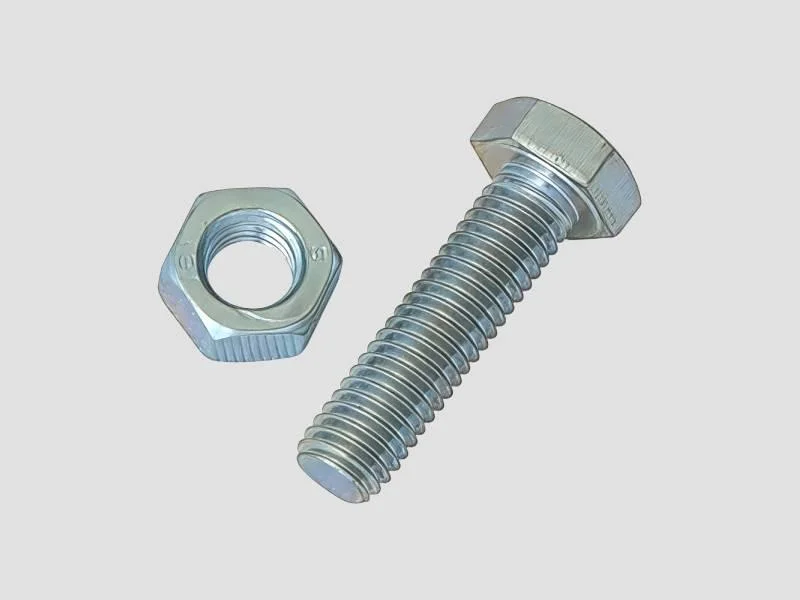
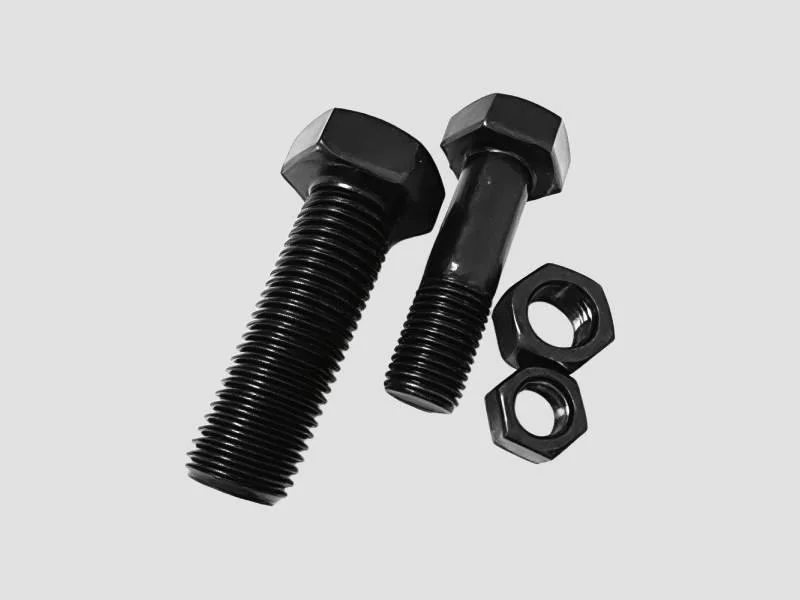
Hex Bolts: These are commonly used in construction and machinery. Their hexagonal head allows for easy installation with a wrench, providing strong clamping force.
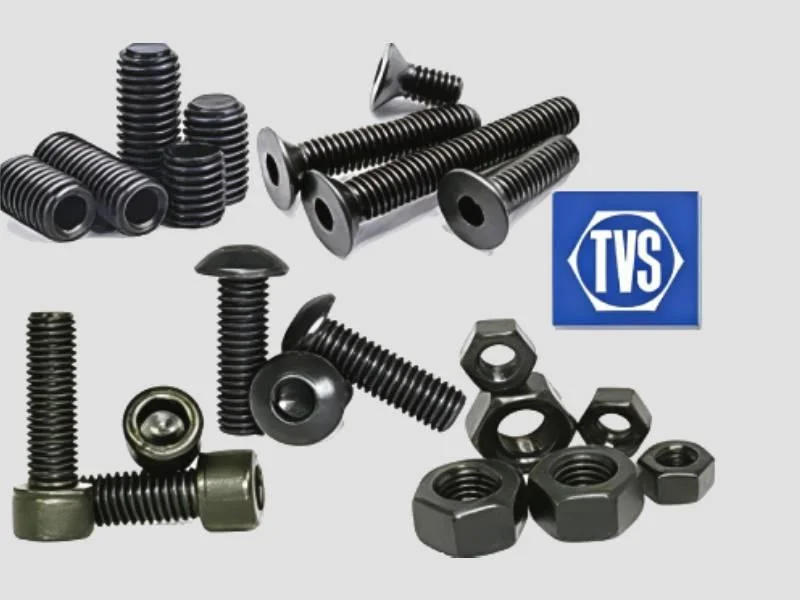
Socket Head Cap Screws: These fasteners feature a cylindrical head and are designed for applications requiring a clean aesthetic and high performance. They are often used in machinery.
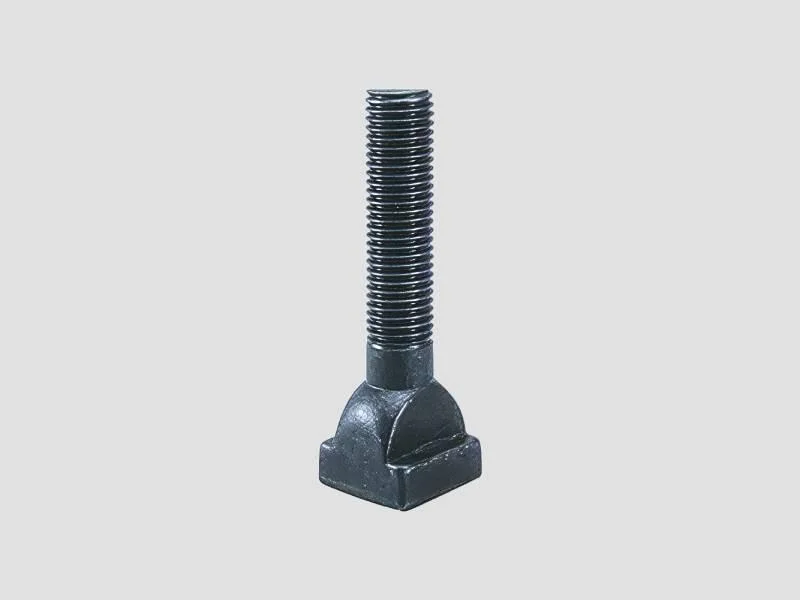
Carriage Bolts: With a rounded head and square neck, carriage bolts are ideal for wood applications where a smooth finish is desired. They are often used in furniture and construction settings.
Flange Bolts: These bolts have a built-in washer, making them ideal for applications that require a larger bearing surface. They are commonly used in automotive and machinery applications.
𝗕𝗲𝗻𝗲𝗳𝗶𝘁𝘀 𝗮𝗻𝗱 𝗔𝗱𝘃𝗮𝗻𝘁𝗮𝗴𝗲𝘀
High tensile fasteners offer numerous advantages that make them a preferred choice in various applications. Their unique properties contribute to enhanced performance and reliability.
1. Increased Load Capacity: High tensile fasteners can handle greater loads, making them suitable for heavy-duty applications.
2. Enhanced Durability: Made from high-quality materials, they resist wear and corrosion, extending the lifespan of the fastening solution.
3. Improved Safety: By providing strong and reliable connections, these fasteners help reduce the risk of failures that could lead to accidents.
4. Cost-Effectiveness: Although higher in initial cost, their durability reduces the need for frequent replacements, lowering overall costs in the long run.
5. Versatility: Available in various sizes and types, high tensile fasteners can be used across multiple industries and applications.
6. Compliance with Standards: They meet industry certification requirements, ensuring quality and safety in applications.
𝗕𝘂𝘆𝗶𝗻𝗴 𝗚𝘂𝗶𝗱𝗲 𝗳𝗼𝗿 𝗕𝟮𝗕 𝗕𝘂𝘆𝗲𝗿𝘀
When sourcing high tensile fasteners, it is essential for B2B buyers to consider several factors that can impact their purchasing decisions.
1. Quality Assessment: Evaluate materials and manufacturing processes to ensure the fasteners meet required strength and durability standards.
2. Supplier Verification: Verify suppliers for reliability and reputation in the market. Look for certifications and customer reviews to assess their credibility.
3. Pricing and MOQ: Understand the pricing structure and minimum order quantities (MOQ) to ensure the procurement aligns with budget and project needs.
4. Delivery and Lead Times: Inquire about shipping options and delivery timelines to avoid delays in production schedules.
5. Compliance Requirements: Ensure that the fasteners meet all relevant regulatory and safety standards applicable to your industry.
𝗖𝗼𝗺𝗽𝗹𝗶𝗮𝗻𝗰𝗲 𝗮𝗻𝗱 𝗖𝗲𝗿𝘁𝗶𝗳𝗶𝗰𝗮𝘁𝗶𝗼𝗻𝘀
High tensile fasteners must adhere to various quality standards and certifications to ensure they meet industry requirements.
ISO 9001 is a widely recognized standard for quality management systems, ensuring that manufacturers maintain high-quality production processes. This certification is crucial for ensuring the reliability and performance of fasteners.
CE marking indicates compliance with European safety, health, and environmental protection standards. This certification is essential for fasteners used in European markets, as it assures buyers of product quality.
Safety and testing requirements are also critical in the manufacturing of high tensile fasteners. Rigorous testing ensures that these fasteners can withstand operational stresses and environmental conditions.
Regional compliance considerations may vary, and it is important for manufacturers and suppliers to stay updated with local regulations to ensure products meet all necessary standards.
𝗪𝗵𝘆 𝗦𝗼𝘂𝗿𝗰𝗲 𝗛𝗶𝗴𝗵 𝗧𝗲𝗻𝘀𝗶𝗹𝗲 𝗙𝗮𝘀𝘁𝗲𝗻𝗲𝗿𝘀 𝗳𝗿𝗼𝗺 𝗣𝗲𝗽𝗮𝗴𝗼𝗿𝗮?
Pepagora provides a trusted platform for sourcing high tensile fasteners, offering several key advantages that benefit B2B buyers.
Verified Supplier Network: Pepagora has a comprehensive network of verified suppliers, ensuring that buyers can connect with reputable manufacturers who meet industry standards.
Streamlined RFQ Process: The platform offers a streamlined request for quotation process, allowing buyers to easily compare prices and specifications from multiple suppliers, facilitating informed decision-making.
Trade Assurance and Support: Pepagora offers trade assurance, providing buyers with protection and support throughout the purchasing process, ensuring a secure transaction.
Regional Coverage: With a strong presence in India, the GCC, and Southeast Asia, Pepagora provides extensive regional coverage, making it easier for buyers to source high tensile fasteners that meet their specific needs.
By choosing Pepagora, businesses can enhance their procurement processes and ensure they receive high-quality fasteners that meet their performance requirements.
Newly Added







Recently Added
Varun Engineering Enterprises
Industrial Heavy Duty Castors Wheels Polyurethane Tires Material Handling
Industrial Cast Polyurethane Wheels Heavy Duty Load Capacity Wear Resistant
Industrial Adjustable Double Ball Race Casters For Heavy Duty Mobility
Vijay Trading Corporation
Industrial Electrical Insulation Mica Products High Temperature Resistant
Industrial Silicon Cables High Temperature Fire Resistant Wiring
Industrial Adhesive Tapes For Strong Bonding And Durable Protection
Jeet Enterprises
Industrial Heavy Duty HEX FLANGE NUT For Automotive Machinery Construction
Industrial Reverse Thread Hex Nuts For High Vibration Applications
Industrial Eye Bolts For Lifting Rigging And Anchoring Applications
K P M International
HVAC Brass Connectors IS 319 Leak Proof Durable For AC Refrigeration
Brass Flare Connectors For HVAC Refrigeration Copper Tubes
Industrial Brass Flare Nuts For Hydraulic Pneumatic Systems
Wartex System Pvt Ltd
Prestressed Concrete Sheathing Pipes 39 130mm Galvanized Lead Coated
Industrial Sheathing Ducts For Cable Protection 36mm 200mm Sizes
Premium Industrial Agitators For Chemical Pharmaceutical Food Water Treatment
Krishna Metals And Alloys Industries
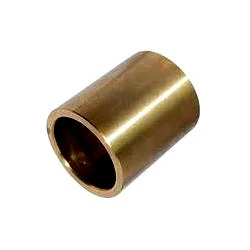
Premium Gun Metal Bushes Molasses Sand Molding Durable Industrial
Industrial Metal Bushes For Thermal Power Plants And Compressors
Industrial Aluminum Bushings Durable Friction Reduction Components
Adithya Ferro Cast India Private Limited
Industrial Gray Iron Castings OEM Easy Install Fine Finish Durable
SG Iron Casting SG 700/2 High Tensile Strength 700 N/mm2 for Industrial Use
SG Iron Casting SG 600/3 High Tensile Strength Industrial Grade
Gee Max Technologies
Industrial Galvanized Steel Press Tools Standard Metal Forming
Precision CNC Machined Jigs And Fixtures Metal Customized Tolerance
Industrial Machinery Plastic Components For Roller Blinds Durable Injection Molded
Goldexx Eng Work
Industrial Metal Cone Holder For Intermac Bimatech Milling Spinning Machinery
Industrial Automation Pneumatic Control Valve Stainless Steel Oil Water Gas
Industrial Helical Gear Box Steel Cast Iron Horizontal Vertical Mounting
Ma Durga Industries
Industrial Spinning Frame For Efficient Fiber To Yarn Conversion
Industrial Jute Twisting Frame 80 Spindle Automatic Slip Draft Machine
Textile Manufacturing Spinning Frame Spindle 41/4 (110) High Performance
Why Businesses Trust Pepagora
Thousands of companies trust Pepagora to source smarter and sell faster
Expand Your Sales Globally
25000+Products listed.Get discovered by global buyers
Tools to boost visibility
Build your own catalog

Source Smarter,Grow Faster
4000+Active RFQs
100+ Countries served
Easy Sourcing Tools
