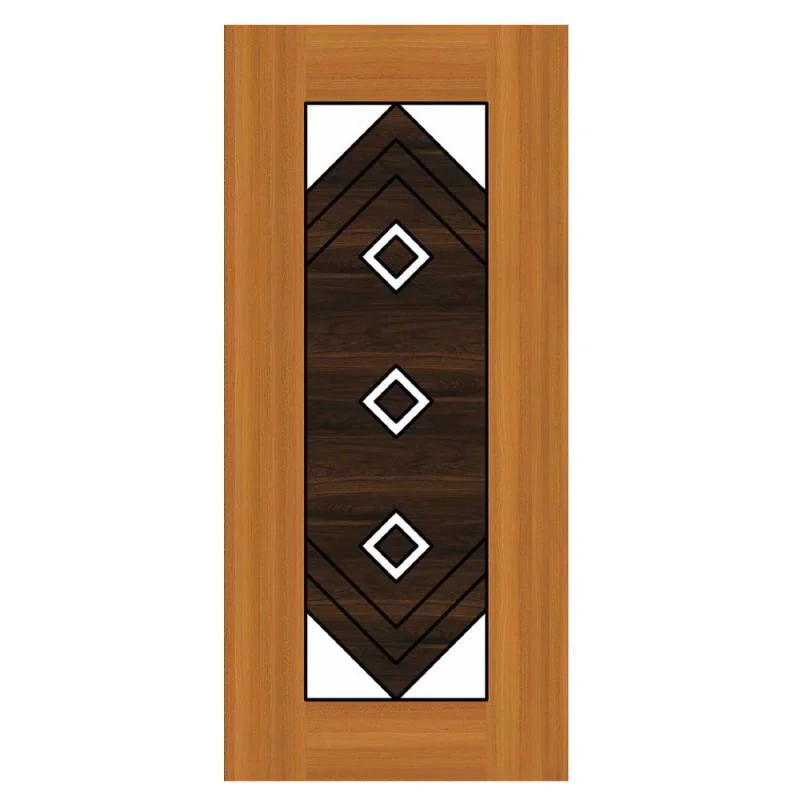
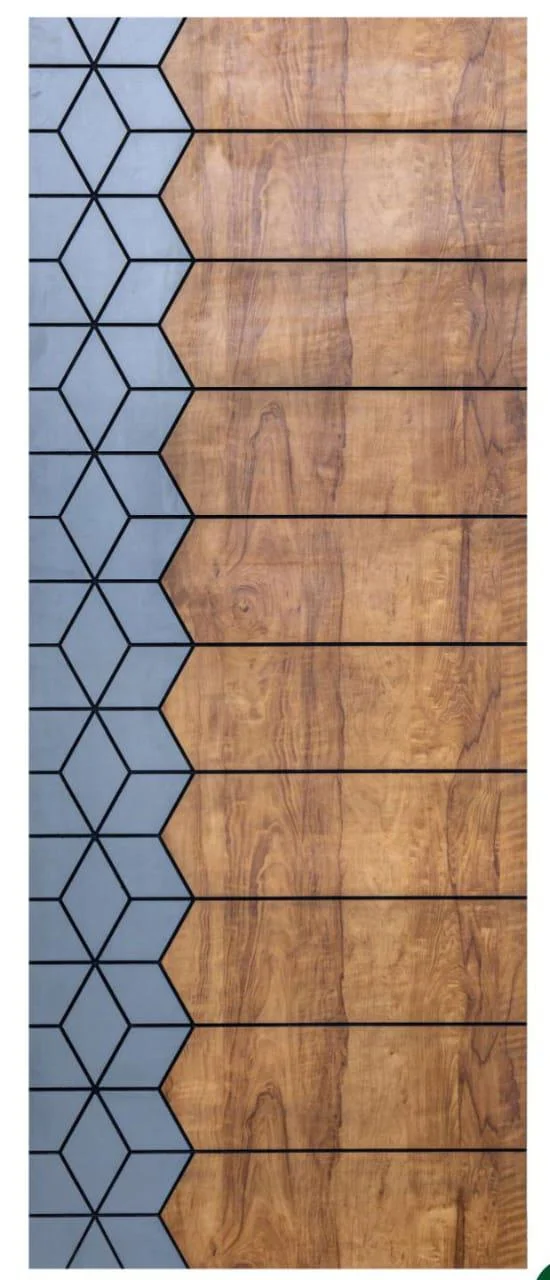
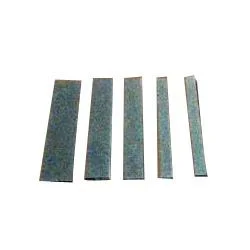
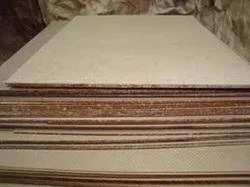
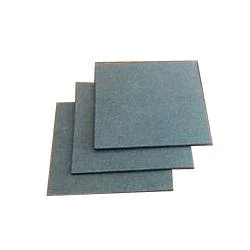
𝗪𝗵𝗮𝘁 𝗮𝗿𝗲 𝗪𝗼𝗼𝗱 & 𝗣𝗹𝘆𝘄𝗼𝗼𝗱 𝗣𝗿𝗼𝗱𝘂𝗰𝘁𝘀?
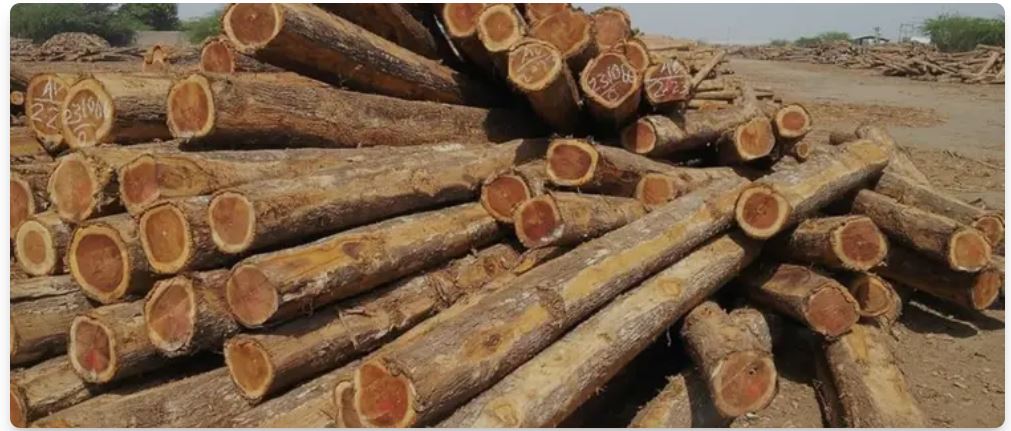
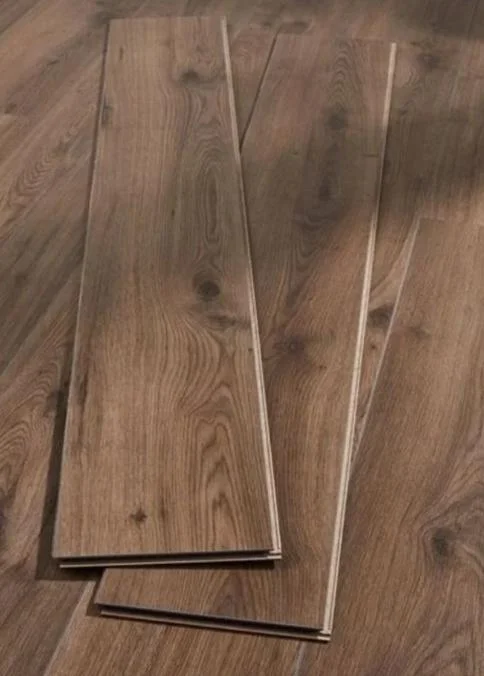
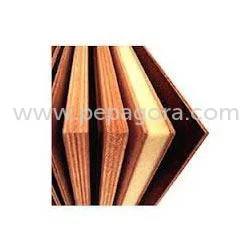
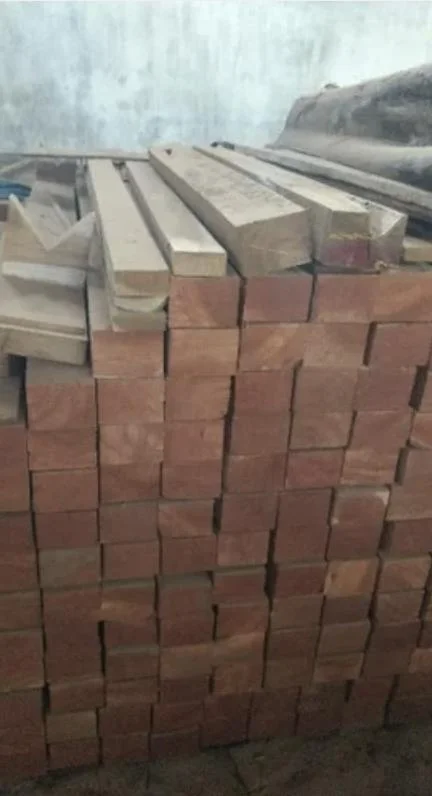
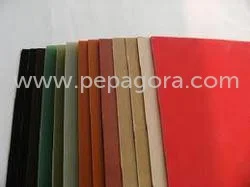
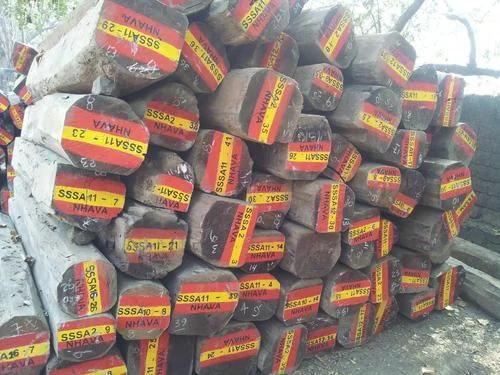
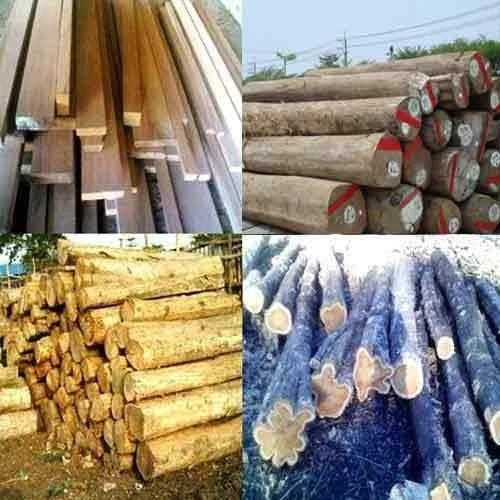
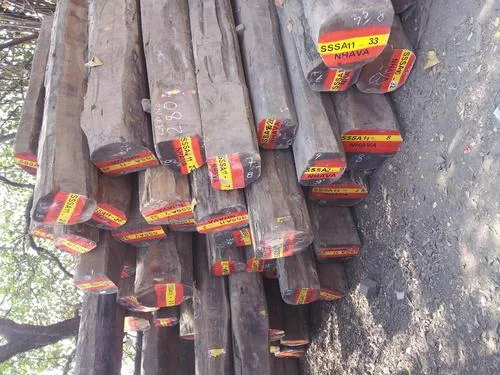
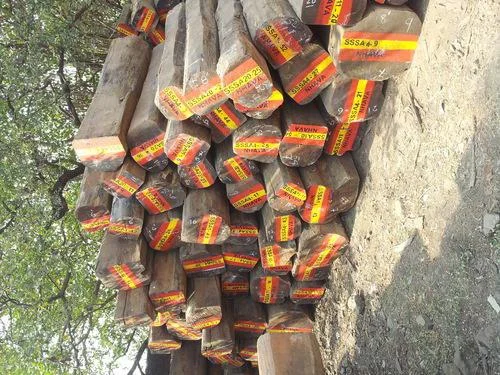
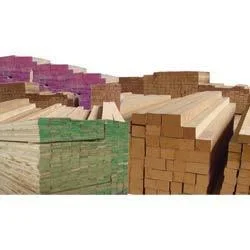
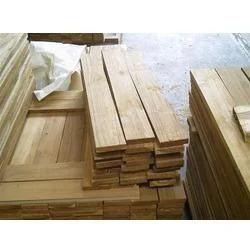
Wood and plywood products are essential materials used across various industries, characterized by their strength, versatility, and aesthetic appeal. Wood products refer to items made directly from timber, including solid wood panels, beams, and timber framing. Plywood, on the other hand, is an engineered wood product made from layers of thin veneer glued together, providing enhanced stability and resistance to warping. Both types of products are valued for their durability and adaptability in different applications.
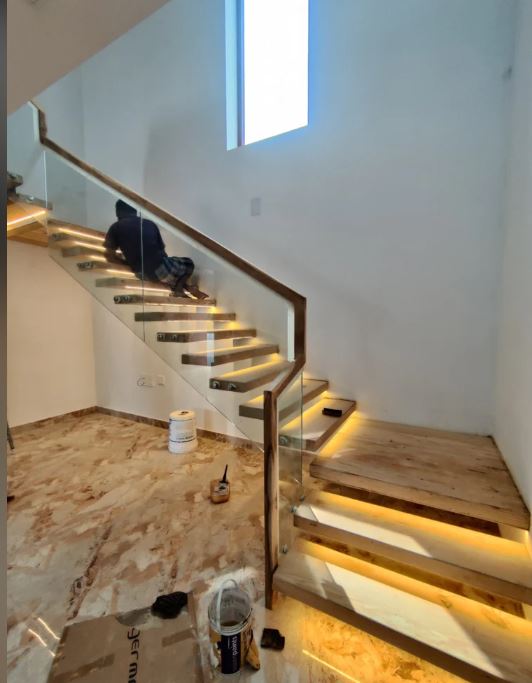
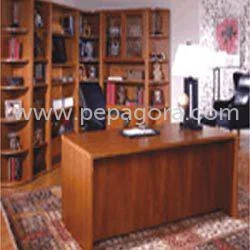
These products find extensive use in construction, furniture manufacturing, cabinetry, and decorative applications. In the construction industry, wood and plywood serve as structural components, flooring, and wall panels. In furniture and cabinetry, they are utilized for making everything from tables and chairs to built-in shelving and storage solutions. The ability of wood and plywood to be easily cut, shaped, and finished makes them a popular choice among manufacturers and builders.
In the current market context, the demand for wood and plywood products is influenced by trends in sustainable building practices and eco-friendly materials. As industries move towards greener solutions, responsibly sourced wood products are increasingly favored. This trend is supported by growing consumer awareness and regulations that promote sustainability, driving innovation and growth within the sector.
𝗞𝗲𝘆 𝗙𝗲𝗮𝘁𝘂𝗿𝗲𝘀 𝗮𝗻𝗱 𝗦𝗽𝗲𝗰𝗶𝗳𝗶𝗰𝗮𝘁𝗶𝗼𝗻𝘀
Wood and plywood products come with distinct features and specifications that cater to various applications. Understanding these specifications is crucial for businesses to select the right materials for their needs.
Key specifications include:
1. Thickness
- Common thickness ranges from 3mm to 25mm for plywood.
- Solid wood products vary from 19mm to 100mm depending on application.
2. Grade
- Plywood is graded based on veneer quality, ranging from A (highest quality) to D (lowest quality).
- Solid wood grades depend on the presence of knots and defects.
3. Moisture Content
- Ideal moisture content for wood products is typically between 6% to 8%.
- Plywood may have moisture content ranging from 8% to 12%, depending on usage.
4. Density
- Density varies widely; for example, hardwoods can range from 600 to 900 kg/m3.
- Plywood density is generally around 500 to 700 kg/m3.
5. Surface Finish
- Options include raw, primed, or finished surfaces, suitable for various aesthetic requirements.
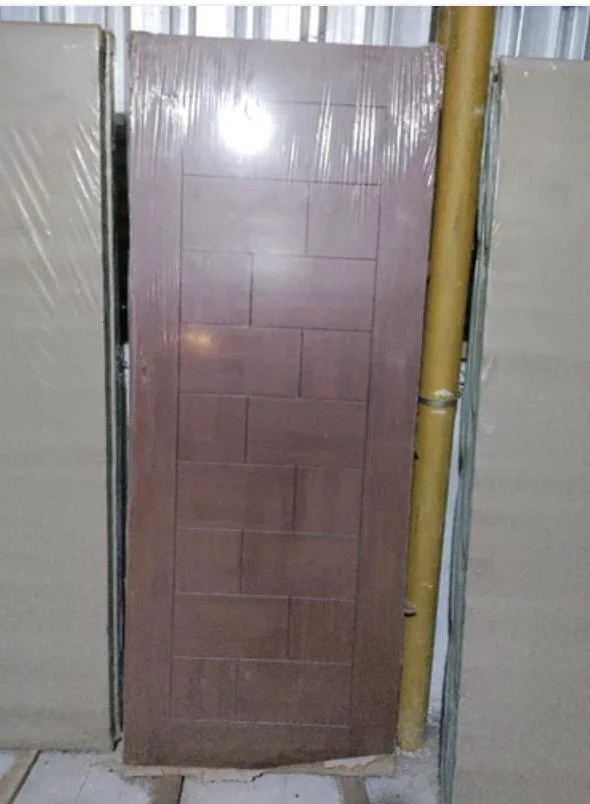
- Finishes can include varnishes, stains, or laminates.
6. Bonding Type
- Plywood types are categorized by their adhesive bonding, such as phenolic or urea-formaldehyde.
- Solid wood may use mechanical fastening or adhesive bonding methods.
7. Fire Rating
- Plywood can be treated for fire resistance, with ratings ranging from Class A to Class C.
- Solid wood products generally require additional fire-retardant treatments.
8. Certifications
- Products may carry certifications like CE marking, confirming compliance with European safety standards.
In summary, understanding these key features and specifications helps businesses make informed selections when sourcing wood and plywood products, ensuring they meet specific project requirements.
𝗖𝗼𝗺𝗺𝗼𝗻 𝗔𝗽𝗽𝗹𝗶𝗰𝗮𝘁𝗶𝗼𝗻𝘀 𝗮𝗻𝗱 𝗨𝘀𝗲 𝗖𝗮𝘀𝗲𝘀
Wood and plywood products are utilized in a wide range of industries, each with unique applications that highlight their versatility.
1. Construction: In this industry, wood and plywood are commonly used for framing, flooring, roofing, and wall sheathing, providing structural integrity and insulation.
2. Furniture Manufacturing: These materials are essential in creating furniture items such as tables, chairs, and cabinets, valued for their aesthetic qualities and durability.
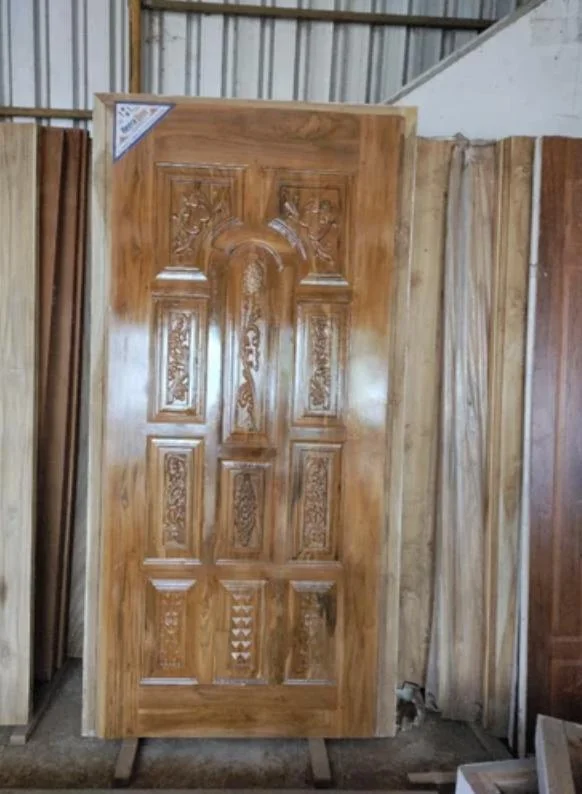
3. Interior Design: Wood and plywood are favored for decorative elements like paneling, moldings, and custom built-ins, enhancing the aesthetic appeal of residential and commercial spaces.
4. Packaging: Plywood is often used in creating crates and pallets, providing robust and lightweight solutions for transporting goods securely.
5. Automotive: Wood is utilized in certain automotive applications, especially in luxury interiors where high-quality finishes are desired.
6. Musical Instruments: Many musical instruments, such as pianos and guitars, are crafted using fine wood products for their acoustic properties and craftsmanship.
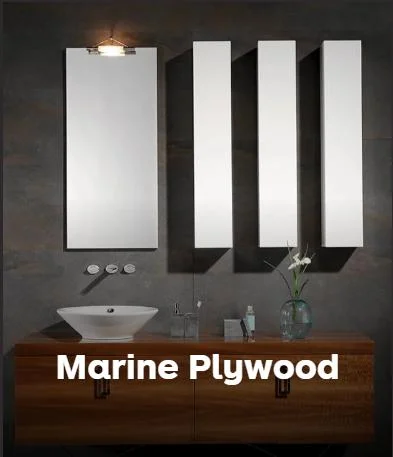
7. Marine Applications: Plywood is used in boat manufacturing due to its lightweight and water-resistant properties, making it suitable for marine environments.
𝗣𝗿𝗼𝗱𝘂𝗰𝘁 𝗩𝗮𝗿𝗶𝗮𝗻𝘁𝘀 𝗮𝗻𝗱 𝗦𝘂𝗯𝗰𝗮𝘁𝗲𝗴𝗼𝗿𝗶𝗲𝘀
Wood and plywood products encompass a variety of options tailored to specific needs and applications.
Plywood
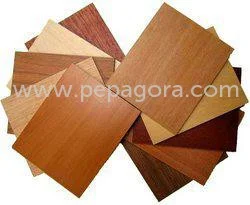
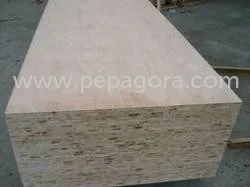
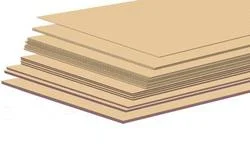
Plywood is available in several configurations, including hardwood and softwood varieties. It is designed for strength and stability, making it suitable for structural and aesthetic applications.
Oriented Strand Board (OSB)
OSB is an engineered wood product made from strands of wood that are bonded together. It is commonly used for sheathing in walls and roofs due to its strength and cost-effectiveness.
Laminated Veneer Lumber (LVL)
LVL is made by bonding thin layers of wood veneer, providing high strength and stability. It is ideal for beams and headers in construction due to its ability to span large distances without warping.
𝗕𝗲𝗻𝗲𝗳𝗶𝘁𝘀 𝗮𝗻𝗱 𝗔𝗱𝘃𝗮𝗻𝘁𝗮𝗴𝗲𝘀
Sourcing wood and plywood products offers numerous advantages for businesses across different sectors.
Key benefits include:
1. Durability: Wood and plywood products are known for their long-lasting nature, making them cost-effective in the long run.
2. Versatility: These materials can be easily shaped, cut, and finished, allowing for a wide range of applications in various industries.
3. Sustainability: When sourced responsibly, wood products are an eco-friendly option, supporting sustainable building practices.
4. Aesthetic Appeal: Wood products provide a natural, warm aesthetic that enhances the visual quality of finished products.
5. Insulating Properties: Wood has natural insulating qualities, contributing to energy efficiency in buildings.
6. Easy Maintenance: Wood and plywood products require minimal maintenance, making them a practical choice for many applications.
𝗕𝘂𝘆𝗶𝗻𝗴 𝗚𝘂𝗶𝗱𝗲 𝗳𝗼𝗿 𝗕𝟮𝗕 𝗕𝘂𝘆𝗲𝗿𝘀
When sourcing wood and plywood products, businesses should consider several crucial factors to ensure they select the right materials and suppliers.
1. Quality Assessment: It is important to evaluate the quality of wood products through certifications and physical inspections, ensuring they meet industry standards.
2. Supplier Verification: Vetting suppliers is essential, looking for established companies with a track record of reliability and customer satisfaction.
3. Pricing and MOQ: Understanding pricing structures and minimum order quantities helps businesses manage budgets effectively while ensuring they meet project demands.
4. Delivery and Lead Times: Consider logistics and lead times to ensure timely delivery of materials, which is critical for project timelines.
5. Compliance Requirements: Familiarize yourself with regional and industry-specific compliance requirements to avoid potential legal issues.
𝗖𝗼𝗺𝗽𝗹𝗶𝗮𝗻𝗰𝗲 𝗮𝗻𝗱 𝗖𝗲𝗿𝘁𝗶𝗳𝗶𝗰𝗮𝘁𝗶𝗼𝗻𝘀
Wood and plywood products must adhere to various quality standards and certifications to ensure safety and reliability. Relevant standards, such as ISO 9001, establish a framework for quality management systems, ensuring consistent product quality.
In addition, certifications like CE marking indicate that products meet European safety and performance requirements. These certifications enhance consumer confidence and support market access across regions.
Safety and testing requirements are critical in ensuring that wood products do not pose health risks. Testing for formaldehyde emissions and other hazardous substances is essential to comply with regional regulations.
Understanding regional compliance considerations is vital for businesses operating in multiple markets. Different countries may have specific regulations regarding sourcing, treatment, and use of wood products, which need to be addressed to ensure compliance.
𝗪𝗵𝘆 𝗦𝗼𝘂𝗿𝗰𝗲 𝗪𝗼𝗼𝗱 & 𝗣𝗹𝘆𝘄𝗼𝗼𝗱 𝗣𝗿𝗼𝗱𝘂𝗰𝘁𝘀 𝗳𝗿𝗼𝗺 𝗣𝗲𝗽𝗮𝗴𝗼𝗿𝗮?
Pepagora offers a trusted platform for sourcing wood and plywood products with several key advantages that benefit B2B buyers.
Verified Supplier Network: Pepagora ensures that all suppliers are thoroughly vetted, providing buyers with peace of mind regarding the quality and reliability of their purchases. This verification process helps mitigate risks associated with sourcing materials.
Streamlined RFQ Process: The platform features an efficient Request for Quotation (RFQ) system, allowing buyers to easily connect with multiple suppliers. This system simplifies the procurement process, enabling businesses to obtain competitive pricing and terms quickly.
Trade Assurance and Support: Pepagora provides trade assurance, offering buyer protection that enhances confidence in transactions. The platform also offers support services to assist buyers throughout their sourcing journey.
Regional Coverage: With a strong presence in India, the GCC, and Southeast Asia, Pepagora facilitates access to a wide range of wood and plywood products, ensuring that businesses can find the materials they need, regardless of their location.
In summary, Pepagora is a reliable partner for businesses looking to source wood and plywood products, combining quality assurance, ease of use, and extensive regional coverage.

 IN
IN