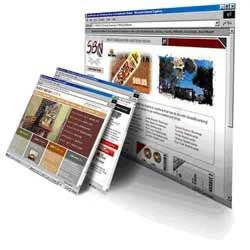
𝗪𝗵𝗮𝘁 𝗮𝗿𝗲 𝗪𝗲𝗯𝘀𝗶𝘁𝗲 𝗗𝗲𝘀𝗶𝗴𝗻 & 𝗗𝗲𝘃𝗲𝗹𝗼𝗽𝗺𝗲𝗻𝘁?
Website design and development refers to the process of creating and maintaining websites. This encompasses a range of tasks including web graphic design, interface design, authoring, user experience design, and search engine optimization. The goal is to create visually appealing and user-friendly websites that serve specific business objectives.
These services are primarily utilized by businesses looking to establish an online presence, enhance customer engagement, or provide a platform for e-commerce. Website design and development are crucial in today's digital landscape, where a well-structured online presence can significantly impact a company's success. The industry is rapidly evolving, with trends such as mobile responsiveness and interactive design becoming essential components of modern websites.
The need for professional website design and development continues to grow as more businesses recognize the importance of digital marketing. In a competitive market, having a well-designed website can provide a significant advantage, helping businesses attract and retain customers.
𝗞𝗲𝘆 𝗙𝗲𝗮𝘁𝘂𝗿𝗲𝘀 𝗮𝗻𝗱 𝗦𝗽𝗲𝗰𝗶𝗳𝗶𝗰𝗮𝘁𝗶𝗼𝗻𝘀
When considering website design and development, it is essential to focus on several key features and specifications that define quality and effectiveness.
Key specifications include:
1. User Experience (UX)
- A well-structured user interface that enhances usability and navigation.
- Responsive design to ensure compatibility across various devices and screen sizes.
2. Content Management System (CMS)
- A robust system allowing easy updates and management of website content.
- Popular platforms include WordPress, Joomla, and Drupal.
3. Search Engine Optimization (SEO)
- Implementation of best practices to improve website visibility on search engines.
- Use of relevant keywords, meta tags, and alt text for images.
4. Security Features
- Incorporation of SSL certificates for data encryption.
- Regular updates and security patches to protect against cyber threats.
5. Performance Optimization
- Fast loading times and efficient resource management.
- Use of caching, compression, and optimized images.
6. Analytics Integration
- Tools for tracking and analyzing website traffic and user behavior.
- Integration with Google Analytics or other analytics platforms.
7. Scalability
- Design that allows for future growth and additional features.
- Ability to handle increased traffic and content without compromising performance.
In summary, the key specifications of website design and development play a critical role in ensuring a successful online presence. Focusing on these features can help businesses achieve their objectives more effectively.
𝗖𝗼𝗺𝗺𝗼𝗻 𝗔𝗽𝗽𝗹𝗶𝗰𝗮𝘁𝗶𝗼𝗻𝘀 𝗮𝗻𝗱 𝗨𝘀𝗲 𝗖𝗮𝘀𝗲𝘀
Website design and development have diverse applications across various industries.
1. E-commerce: Businesses in this sector require user-friendly platforms for online sales, featuring secure payment gateways and product catalogs.
2. Corporate: Companies utilize websites to showcase their services, enhance brand visibility, and provide information to potential clients.
3. Education: Educational institutions leverage websites to offer course information, student resources, and online learning platforms.
4. Healthcare: Hospitals and clinics use websites for appointment scheduling, patient resources, and service information.
5. Hospitality: Hotels and restaurants require websites for reservations, menu displays, and customer engagement.
6. Non-Profit: Organizations use websites to promote their causes, facilitate donations, and connect with volunteers.
7. Technology: Tech companies create websites to launch products, share updates, and provide customer support.
Understanding these applications can help businesses tailor their website design and development strategies to meet specific industry needs.
𝗣𝗿𝗼𝗱𝘂𝗰𝘁 𝗩𝗮𝗿𝗶𝗮𝗻𝘁𝘀 𝗮𝗻𝗱 𝗦𝘂𝗯𝗰𝗮𝘁𝗲𝗴𝗼𝗿𝗶𝗲𝘀
Website design and development services can be categorized into various types to cater to different business needs.
Custom Website Development
This variant focuses on creating tailored solutions that meet specific business requirements. Custom websites are designed from scratch, allowing for unique features and functionalities.
Template-Based Development
Using pre-designed templates, this variant offers a more affordable solution for businesses that need a website quickly. Although less customizable, template-based designs can still be tailored to fit branding needs.
Responsive Web Design
This variant emphasizes mobile-first design strategies to ensure websites function seamlessly across all devices. With increasing mobile usage, responsive design is becoming a standard requirement.
E-commerce Solutions
Specialized development services designed for online stores that include shopping cart functionality, payment processing, and inventory management.
𝗕𝗲𝗻𝗲𝗳𝗶𝘁𝘀 𝗮𝗻𝗱 𝗔𝗱𝘃𝗮𝗻𝘁𝗮𝗴𝗲𝘀
Investing in professional website design and development offers numerous advantages for businesses.
Key benefits include:
1. Enhanced User Experience: A well-designed website improves navigation and engagement, leading to higher customer satisfaction.
2. Increased Visibility: Effective SEO strategies implemented during the development process help improve search engine rankings, driving more traffic to the site.
3. Brand Credibility: A professionally designed website enhances a company's credibility, making it more appealing to potential customers.
4. Scalability: Custom-built websites can be easily updated and expanded as business needs change, ensuring long-term usability.
5. Competitive Advantage: A well-designed website can set a business apart from competitors, attracting more customers and increasing revenue.
6. Cost-Effectiveness: Investing in quality design and development can reduce future costs associated with website updates and maintenance.
These benefits highlight the importance of a strategic approach to website design and development, ensuring businesses can achieve their goals effectively.
𝗕𝘂𝘆𝗶𝗻𝗴 𝗚𝘂𝗶𝗱𝗲 𝗳𝗼𝗿 𝗕𝟮𝗕 𝗕𝘂𝘆𝗲𝗿𝘀
When sourcing website design and development services, B2B buyers should consider several critical factors.
1. Quality Assessment: Evaluate the portfolio of potential service providers. Look for previous work that aligns with your business needs and industry standards.
2. Supplier Verification: Research the credibility of suppliers. Check reviews, testimonials, and case studies to ensure they have a proven track record in delivering successful projects.
3. Pricing and MOQ: Understand the cost structure and minimum order quantities. Seek transparency in pricing models to avoid unexpected charges.
4. Delivery and Lead Times: Discuss timelines for project completion. Ensure that the supplier can meet your deadlines without compromising quality.
5. Compliance Requirements: Verify that the supplier adheres to relevant industry standards and regulations. This includes data protection and accessibility standards.
By considering these factors, B2B buyers can make informed decisions when selecting website design and development partners.
𝗖𝗼𝗺𝗽𝗹𝗶𝗮𝗻𝗰𝗲 𝗮𝗻𝗱 𝗖𝗲𝗿𝘁𝗶𝗳𝗶𝗰𝗮𝘁𝗶𝗼𝗻𝘀
Website design and development services must adhere to various compliance and certification standards to ensure quality and safety.
Relevant quality standards include ISO 9001, which focuses on quality management systems, ensuring a consistent approach to service delivery. Additionally, compliance with CE certification indicates that a product meets EU safety, health, and environmental protection standards.
Safety and testing requirements are also crucial, particularly for e-commerce sites that handle sensitive customer data. Regular security audits and vulnerability assessments help identify and mitigate risks.
Regional compliance considerations may vary, so it is essential to understand local regulations that may impact website operations, especially in terms of data protection and user privacy laws.
𝗪𝗵𝘆 𝗦𝗼𝘂𝗿𝗰𝗲 𝗪𝗲𝗯𝘀𝗶𝘁𝗲 𝗗𝗲𝘀𝗶𝗴𝗻 & 𝗗𝗲𝘃𝗲𝗹𝗼𝗽𝗺𝗲𝗻𝘁 𝗳𝗿𝗼𝗺 𝗣𝗲𝗽𝗮𝗴𝗼𝗿𝗮?
Pepagora provides a trusted platform for sourcing website design and development services, offering several key advantages for businesses.
Verified Supplier Network: Pepagora ensures that all suppliers are thoroughly vetted, providing buyers with access to a network of reliable professionals. This reduces the risk associated with sourcing services and enhances confidence in the selection process.
Streamlined RFQ Process: The request for quotation system simplifies the procurement process. Buyers can easily submit their requirements and receive competitive quotes from multiple suppliers, facilitating better decision-making.
Trade Assurance and Support: Pepagora offers buyer protection through trade assurance, ensuring that transactions are secure and that suppliers deliver as promised. This support extends throughout the project lifecycle, providing peace of mind.
Regional Coverage: With a focus on regions such as India, the GCC, and Southeast Asia, Pepagora connects businesses with local suppliers who understand the market landscape. This geographic reach ensures that buyers can find the right services tailored to their specific needs.
By choosing Pepagora, businesses can confidently navigate the website design and development landscape, ensuring they find the right partners for their digital needs.

 IN
IN




















 IN
IN