𝗪𝗵𝗮𝘁 𝗮𝗿𝗲 𝗦𝗼𝗳𝘁𝘄𝗮𝗿𝗲 𝗗𝗲𝘃𝗲𝗹𝗼𝗽𝗺𝗲𝗻𝘁 𝗦𝗲𝗿𝘃𝗶𝗰𝗲𝘀?
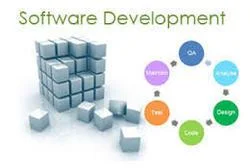
Software Development Services encompass a range of activities aimed at creating, designing, deploying, and supporting software applications. These services cater to various needs, from developing custom software solutions to providing software integration and maintenance. The process typically involves several stages, including requirement analysis, design, coding, testing, and deployment. With the rapid advancement of technology, these services have become critical for businesses seeking to enhance their operational efficiency and achieve their strategic objectives.
The primary use of Software Development Services is to create tailored applications that address specific business needs. Organizations leverage these services to develop software that fits their unique operational requirements, improves productivity, and fosters innovation. Businesses across different sectors use these services for various applications, such as enterprise resource planning, customer relationship management, and e-commerce solutions. In today's digital landscape, the relevance of software development is paramount, as businesses must adapt to changing market conditions and consumer demands.
The software development industry has seen significant growth in recent years, driven by the increasing reliance on technology in business operations. Companies are continually seeking to enhance their digital capabilities through innovative software solutions. As a result, the market for Software Development Services is competitive and dynamic, with numerous providers offering specialized services. Organizations must navigate this landscape carefully to select partners that can deliver high-quality, reliable software solutions.
𝗞𝗲𝘆 𝗙𝗲𝗮𝘁𝘂𝗿𝗲𝘀 𝗮𝗻𝗱 𝗦𝗽𝗲𝗰𝗶𝗳𝗶𝗰𝗮𝘁𝗶𝗼𝗻𝘀
Software Development Services offer numerous features designed to meet diverse client needs. These specifications ensure that the services are effective, scalable, and secure, catering to the specific demands of businesses.
Key specifications include:
1. Custom Software Development
- Tailored solutions designed to meet specific business requirements
- Flexibility in design and functionality for unique applications
2. Software Integration
- Capability to integrate with existing systems and applications
- Ensures seamless data flow and operational efficiency
3. Quality Assurance and Testing
- Comprehensive testing methodologies to ensure software reliability
- Includes unit testing, integration testing, and user acceptance testing
4. Ongoing Maintenance and Support
- Continuous support for software updates and bug fixes
- Ensures software remains functional and up-to-date
5. User Interface Design
- Focus on creating intuitive and user-friendly interfaces
- Enhances user experience and engagement
6. Agile Development Methodology
- Utilizes iterative development processes for flexibility
- Adaptable to changing client requirements throughout the project
7. Cloud-Based Solutions
- Development of software hosted on cloud platforms
- Facilitates remote access and scalability
8. Security Features
- Incorporation of security protocols to protect data
- Regular updates to address emerging security threats
In summary, Software Development Services are characterized by their customizable nature, robust testing processes, and ongoing support, making them essential for businesses looking to leverage technology effectively.
𝗖𝗼𝗺𝗺𝗼𝗻 𝗔𝗽𝗽𝗹𝗶𝗰𝗮𝘁𝗶𝗼𝗻𝘀 𝗮𝗻𝗱 𝗨𝘀𝗲 𝗖𝗮𝘀𝗲𝘀
Software Development Services cater to a variety of industries, each with unique applications and use cases that highlight the versatility of these services.
1. Healthcare: Software solutions in healthcare improve patient management, electronic health records, and telemedicine services.
2. Finance: Financial institutions utilize software for banking applications, risk management, and compliance solutions.
3. Retail: Retail businesses benefit from e-commerce platforms, inventory management systems, and customer engagement tools.
4. Manufacturing: Software assists in supply chain management, production scheduling, and quality control processes.
5. Education: Educational institutions use software for learning management systems, student information systems, and virtual classrooms.
6. Logistics: Logistics companies leverage software for route optimization, fleet management, and tracking systems.
7. Telecommunications: Telecom providers implement software for customer service management, billing, and network monitoring.
These diverse applications demonstrate the critical role of Software Development Services across multiple sectors, facilitating enhanced operational efficiency and innovation.
𝗣𝗿𝗼𝗱𝘂𝗰𝘁 𝗩𝗮𝗿𝗶𝗮𝗻𝘁𝘀 𝗮𝗻𝗱 𝗦𝘂𝗯𝗰𝗮𝘁𝗲𝗴𝗼𝗿𝗶𝗲𝘀
Software Development Services encompass a range of offerings that can be tailored to meet specific business needs. Although there are no distinct subcategories available, the services can be customized based on project requirements and industry standards.
Custom Development Services
These services involve creating bespoke software solutions tailored to client specifications. They are designed to address unique business challenges and improve operational workflows.
Mobile Application Development
This variant focuses on developing applications specifically for mobile devices. It includes both iOS and Android platforms, ensuring businesses can reach users on their preferred devices.
Web Application Development
Web application development services create browser-based applications accessible from any device. These applications often feature responsive designs for enhanced user experience.
Enterprise Software Solutions
This service is aimed at large organizations requiring complex systems that integrate various business functions. It includes ERP, CRM, and other enterprise-level solutions.
𝗕𝗲𝗻𝗲𝗳𝗶𝘁𝘀 𝗮𝗻𝗱 𝗔𝗱𝘃𝗮𝗻𝘁𝗮𝗴𝗲𝘀
Investing in Software Development Services provides numerous benefits that can significantly enhance business operations.
Key benefits include:
1. Enhanced Efficiency: Customized solutions streamline processes, reducing time and resource wastage.
2. Competitive Advantage: Tailored software can differentiate businesses from their competitors by addressing specific market needs.
3. Scalability: Software can be designed to grow with the business, accommodating increased demand and complexity.
4. Improved User Experience: Well-designed software enhances user engagement and satisfaction, leading to better customer retention.
5. Cost-Effectiveness: While the initial investment may be higher, customized solutions can lead to long-term savings by optimizing operations.
6. Access to Expertise: Partnering with experienced service providers gives businesses access to specialized knowledge and skills.
In summary, Software Development Services offer substantial advantages that support business growth and innovation, making them a valuable investment.
𝗕𝘂𝘆𝗶𝗻𝗴 𝗚𝘂𝗶𝗱𝗲 𝗳𝗼𝗿 𝗕𝟮𝗕 𝗕𝘂𝘆𝗲𝗿𝘀
When sourcing Software Development Services, it is essential for B2B buyers to consider several key factors to ensure they select the right provider.
1. Quality Assessment: Evaluate the quality of previous work by reviewing case studies and client testimonials. Look for providers who demonstrate a commitment to quality through comprehensive testing.
2. Supplier Verification: Conduct thorough vetting of potential suppliers, including checking their credentials, certifications, and market reputation. Establishing trust is crucial in this partnership.
3. Pricing and MOQ: Understand the pricing structure and minimum order quantities. It is vital to balance cost with the quality and scope of services offered.
4. Delivery and Lead Times: Inquire about project timelines and delivery schedules. Timely delivery is crucial to avoid delays in project implementation.
5. Compliance Requirements: Ensure that the service provider adheres to relevant industry standards and regulations. Compliance is essential to mitigate legal risks and ensure quality.
𝗖𝗼𝗺𝗽𝗹𝗶𝗮𝗻𝗰𝗲 𝗮𝗻𝗱 𝗖𝗲𝗿𝘁𝗶𝗳𝗶𝗰𝗮𝘁𝗶𝗼𝗻𝘀
Software Development Services must adhere to various compliance standards and certifications to ensure quality and reliability. One of the key quality standards is ISO 9001, which focuses on quality management systems aimed at enhancing customer satisfaction.
In addition, certifications such as CE signify compliance with health, safety, and environmental protection standards within the European Economic Area. This certification is particularly relevant for software solutions that may impact user safety and data security.
Safety and testing requirements are also paramount, especially in industries such as healthcare and finance, where software must function reliably and securely. Providers should conduct thorough testing to ensure that their software meets industry standards.
Moreover, regional compliance considerations are vital for businesses operating in multiple jurisdictions. Understanding local regulations helps ensure that software solutions are compliant with specific legal requirements in different areas.
𝗪𝗵𝘆 𝗦𝗼𝘂𝗿𝗰𝗲 𝗦𝗼𝗳𝘁𝘄𝗮𝗿𝗲 𝗗𝗲𝘃𝗲𝗹𝗼𝗽𝗺𝗲𝗻𝘁 𝗦𝗲𝗿𝘃𝗶𝗰𝗲𝘀 𝗳𝗿𝗼𝗺 𝗣𝗲𝗽𝗮𝗴𝗼𝗿𝗮?
Pepagora offers a trusted platform for sourcing Software Development Services with several key advantages. The verified supplier network ensures that buyers can connect with reputable providers who have a proven track record of delivering quality solutions.
The streamlined RFQ process simplifies the quotation process, allowing businesses to receive competitive bids from multiple suppliers quickly. This efficiency helps organizations make informed decisions based on their specific needs and budget constraints.
Trade assurance and support are fundamental aspects of the Pepagora platform. Buyers can have confidence in their transactions, knowing that Pepagora provides protection against potential risks associated with sourcing services.
Additionally, Pepagora's regional coverage extends across India, the Gulf Cooperation Council, and Southeast Asia. This broad geographic reach enables businesses to access a diverse range of suppliers and services, enhancing their options when sourcing software development solutions.

 IN
IN