𝗪𝗵𝗮𝘁 𝗮𝗿𝗲 𝗦𝗺𝗮𝗿𝘁 𝗕𝘂𝗶𝗹𝗱𝗶𝗻𝗴 𝗦𝘆𝘀𝘁𝗲𝗺𝘀 & 𝗔𝘂𝘁𝗼𝗺𝗮𝘁𝗶𝗼𝗻?
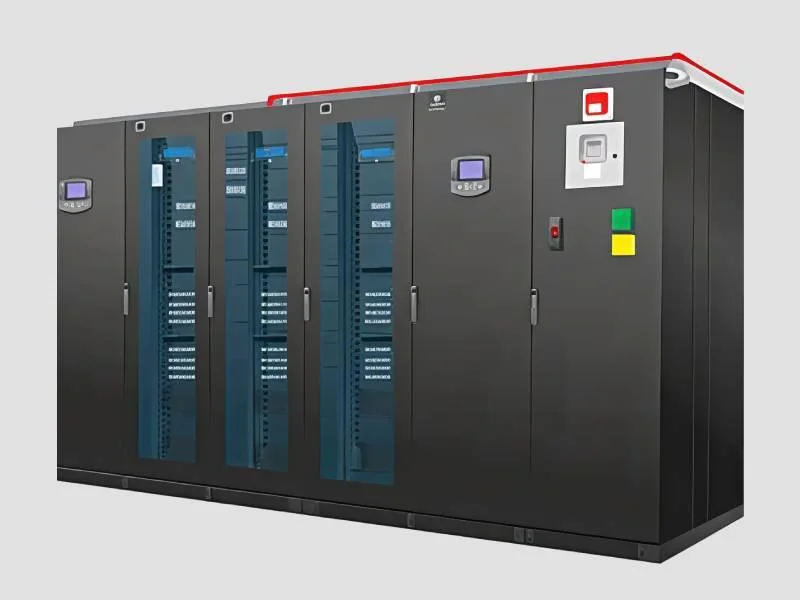
Smart Building Systems and Automation refer to integrated technologies that enhance the operational efficiency, comfort, and safety of buildings. These systems utilize sensors, controls, and software to automate various functions such as lighting, heating, ventilation, air conditioning (HVAC), security, and energy management. By interconnecting these elements, smart buildings can respond dynamically to changes in occupancy and environmental conditions, leading to improved resource management and reduced energy consumption.
The primary uses of Smart Building Systems include energy monitoring, security management, and environmental control. Businesses can leverage these systems to optimize energy use, reduce operational costs, and create healthier work environments. For example, smart thermostats can adjust heating and cooling based on occupancy, while advanced security systems can provide real-time surveillance and access control. The growing concern over energy efficiency and sustainability has made these systems increasingly relevant across various industries, positioning them as essential tools in modern building design and management.
The market for Smart Building Systems is expanding rapidly, driven by the rise of the Internet of Things (IoT) and increasing demand for energy-efficient solutions. With global investments in smart buildings expected to grow, businesses that adopt these technologies can gain a competitive edge while contributing to sustainability goals. The integration of automation in building management not only enhances operational efficiency but also aligns with regulatory standards that promote energy conservation and environmental responsibility.
𝗞𝗲𝘆 𝗙𝗲𝗮𝘁𝘂𝗿𝗲𝘀 𝗮𝗻𝗱 𝗦𝗽𝗲𝗰𝗶𝗳𝗶𝗰𝗮𝘁𝗶𝗼𝗻𝘀
Smart Building Systems and Automation are characterized by several key features that enhance their functionality and effectiveness. These specifications ensure that the systems can meet the diverse needs of different types of buildings and industries.
Key specifications include:
1. Energy Management
- Monitors and optimizes energy use across systems
- Supports integration with renewable energy sources
2. Security Systems
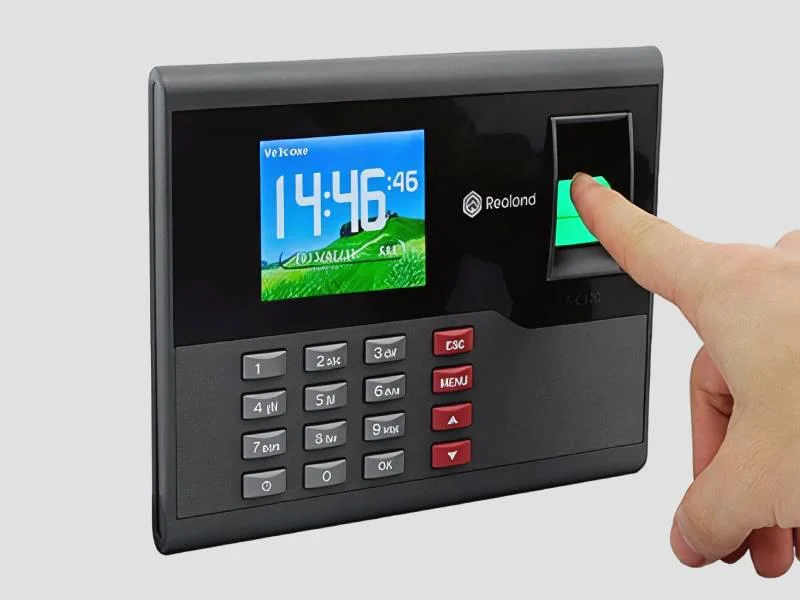
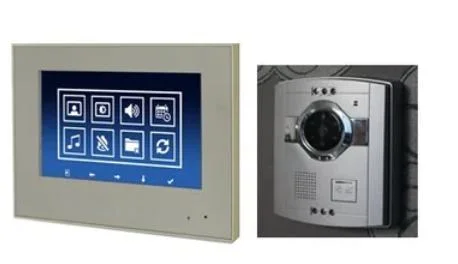
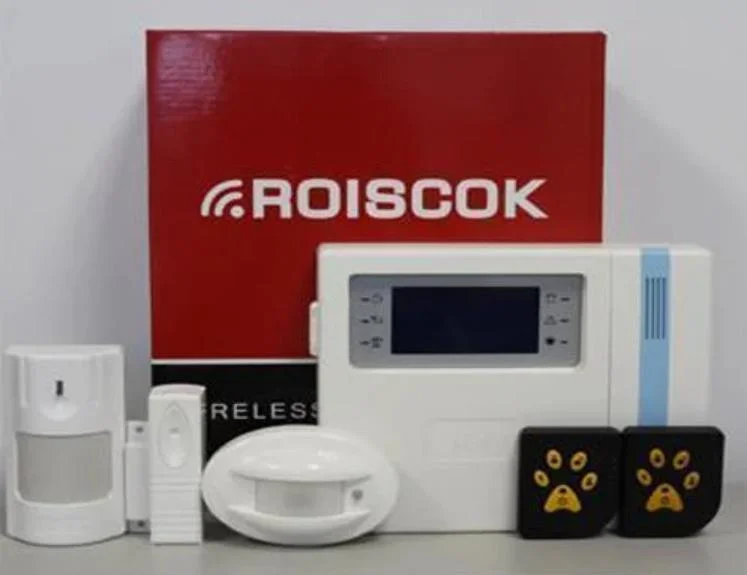
- Provides advanced surveillance and access control
- Features real-time alerts and remote monitoring capabilities
3. HVAC Control
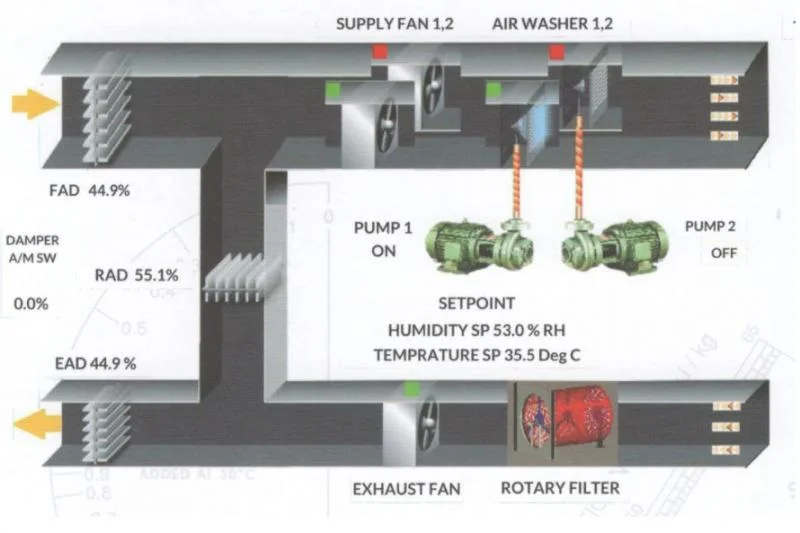
- Automates heating, ventilation, and air conditioning
- Supports zoning and scheduling to maximize comfort and efficiency
4. Lighting Automation
- Controls lighting based on occupancy and time of day
- Includes adaptive lighting systems for energy savings
5. Environmental Monitoring
- Measures air quality, temperature, and humidity
- Provides data for improving indoor climate conditions
6. Integration Capabilities
- Compatible with existing building management systems
- Supports open protocols for easier connectivity
7. User Interface
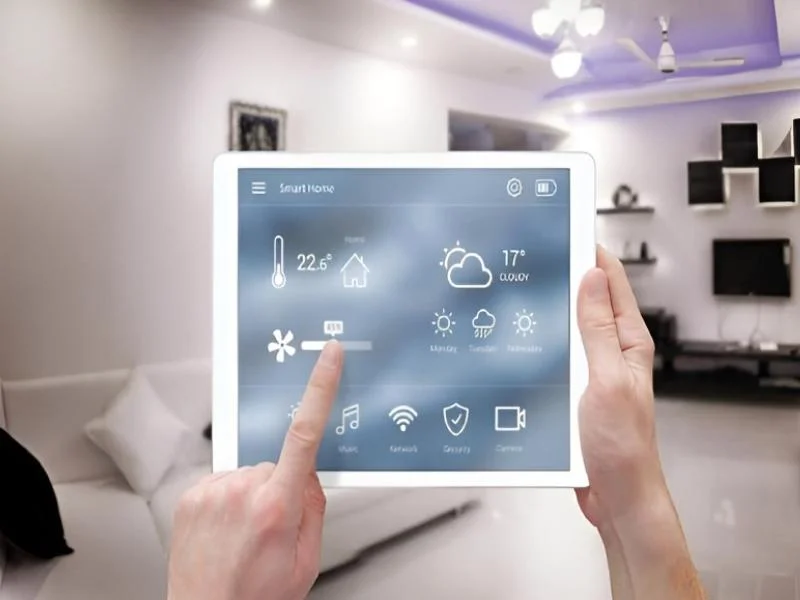
- Intuitive dashboards for monitoring and control
- Mobile access for remote management
8. Data Analytics
- Collects and analyzes performance data
- Generates insights for continuous improvement
In summary, these specifications collectively contribute to making Smart Building Systems more efficient, effective, and user-friendly, while also supporting sustainability initiatives.
𝗖𝗼𝗺𝗺𝗼𝗻 𝗔𝗽𝗽𝗹𝗶𝗰𝗮𝘁𝗶𝗼𝗻𝘀 𝗮𝗻𝗱 𝗨𝘀𝗲 𝗖𝗮𝘀𝗲𝘀
Smart Building Systems and Automation have applications across various industries, demonstrating their versatility and effectiveness in improving building management.
1. Commercial Real Estate: These systems are used to enhance tenant comfort and reduce energy costs in office buildings, shopping centers, and mixed-use developments.
2. Healthcare: Hospitals and clinics utilize smart technology for patient monitoring, energy efficiency, and improved environmental conditions to support patient well-being.
3. Education: Smart systems in schools and universities can optimize energy use, enhance security, and facilitate interactive learning environments.
4. Hospitality: Hotels employ automation for guest comfort, energy savings, and enhanced security, providing a superior experience for visitors.
5. Industrial Facilities: Factories use smart automation to optimize manufacturing processes, improve safety, and reduce energy consumption.
6. Retail: Smart systems in retail environments can provide insights into customer behavior, enhance security, and streamline operations.
7. Government Buildings: Public facilities implement these systems for energy efficiency, security, and improved public services.
𝗣𝗿𝗼𝗱𝘂𝗰𝘁 𝗩𝗮𝗿𝗶𝗮𝗻𝘁𝘀 𝗮𝗻𝗱 𝗦𝘂𝗯𝗰𝗮𝘁𝗲𝗴𝗼𝗿𝗶𝗲𝘀
Smart Building Systems and Automation come in various forms to cater to different building types and user needs. Each variant offers unique features designed for specific applications.
Energy Management Systems
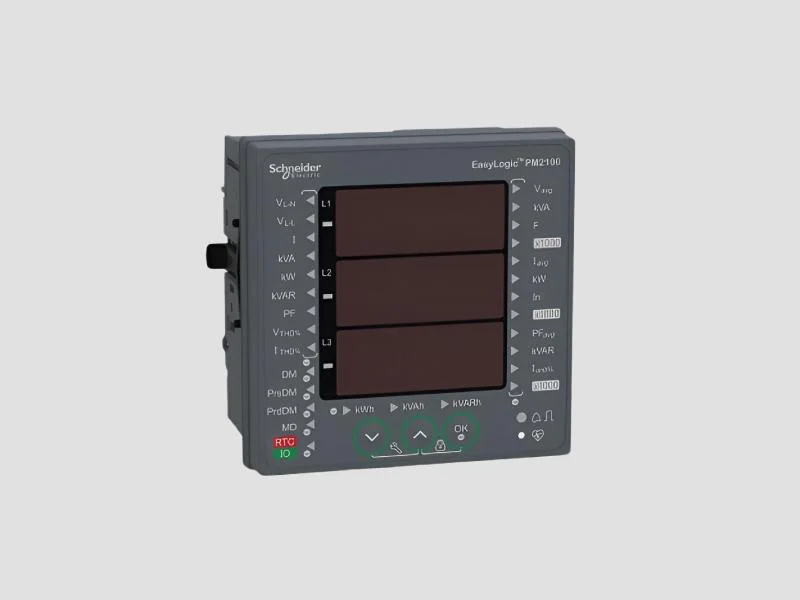
These systems focus on monitoring and controlling energy use throughout a building. They provide analytics to help identify energy-saving opportunities and integrate with renewable energy sources.
Integrated Security Systems
Combining surveillance, access control, and alarm systems, these variants enhance building security through real-time monitoring and automated responses to threats.
HVAC Automation Solutions
These solutions specialize in optimizing heating and cooling systems. They allow for precise control of indoor climate conditions while maximizing energy efficiency.
𝗕𝗲𝗻𝗲𝗳𝗶𝘁𝘀 𝗮𝗻𝗱 𝗔𝗱𝘃𝗮𝗻𝘁𝗮𝗴𝗲𝘀
Smart Building Systems and Automation deliver numerous benefits that enhance building management and user experience.
Key benefits include:
1. Energy Efficiency: These systems help reduce energy consumption, leading to lower utility costs and a smaller carbon footprint.
2. Improved Comfort: Automated control of lighting and HVAC ensures optimal indoor conditions for occupants.
3. Enhanced Security: Advanced monitoring and access control features provide a safer environment for residents and employees.
4. Operational Cost Savings: Automation reduces manual intervention, leading to lower labor costs and increased operational efficiency.
5. Data-Driven Insights: Analytics tools provide valuable information for decision-making and continuous improvement in building management.
6. Sustainability Compliance: Smart systems help organizations meet regulatory standards for energy efficiency and sustainability.
𝗕𝘂𝘆𝗶𝗻𝗴 𝗚𝘂𝗶𝗱𝗲 𝗳𝗼𝗿 𝗕𝟮𝗕 𝗕𝘂𝘆𝗲𝗿𝘀
When sourcing Smart Building Systems and Automation, it is crucial to consider several factors to ensure the right fit for your organization.
1. Quality Assessment: Look for systems that meet recognized quality standards. Evaluate product reviews and case studies to gauge performance and reliability.
2. Supplier Verification: Vet suppliers by checking their credentials, industry reputation, and customer references to ensure they are trustworthy.
3. Pricing and MOQ: Understand the cost structure and minimum order quantities. Compare pricing among different suppliers to find the best value.
4. Delivery and Lead Times: Inquire about logistics and expected delivery schedules to ensure that the systems can be installed in a timely manner.
5. Compliance Requirements: Ensure that the products comply with relevant regulations and safety standards applicable in your region.
𝗖𝗼𝗺𝗽𝗹𝗶𝗮𝗻𝗰𝗲 𝗮𝗻𝗱 𝗖𝗲𝗿𝘁𝗶𝗳𝗶𝗰𝗮𝘁𝗶𝗼𝗻𝘀
Smart Building Systems and Automation must adhere to various quality standards and regulations to ensure safety and efficiency.
Relevant quality standards such as ISO 9001 focus on quality management systems, ensuring that manufacturers maintain high production standards. Compliance with industry certifications, such as CE, signifies that products meet European safety and environmental requirements.
Safety and testing requirements are essential to guarantee that the systems function reliably and do not pose risks to users. This includes rigorous testing procedures to validate performance claims and safety features.
Regional compliance considerations may vary, so it is critical for buyers to understand local regulations related to energy efficiency, safety, and environmental impact. Staying informed about these aspects helps ensure that the systems chosen align with legal requirements.
𝗪𝗵𝘆 𝗦𝗼𝘂𝗿𝗰𝗲 𝗦𝗺𝗮𝗿𝘁 𝗕𝘂𝗶𝗹𝗱𝗶𝗻𝗴 𝗦𝘆𝘀𝘁𝗲𝗺𝘀 & 𝗔𝘂𝘁𝗼𝗺𝗮𝘁𝗶𝗼𝗻 𝗳𝗿𝗼𝗺 𝗣𝗲𝗽𝗮𝗴𝗼𝗿𝗮?
Pepagora provides a trusted platform for sourcing Smart Building Systems and Automation, offering several advantages that set it apart from competitors.
Verified Supplier Network: Pepagora ensures that all suppliers in its network are thoroughly vetted for quality and reliability. This gives buyers confidence in the products they purchase and the partners they work with.
Streamlined RFQ Process: The platform simplifies the request for quotation process, allowing buyers to easily compare prices and features from multiple suppliers. This efficiency helps organizations make informed purchasing decisions.
Trade Assurance and Support: Pepagora offers buyer protection through trade assurance, ensuring that transactions are secure. Dedicated support teams are available to assist throughout the purchasing process, addressing any concerns or questions.
Regional Coverage: With a strong presence in India, the GCC, and Southeast Asia, Pepagora connects buyers with suppliers across these regions. This geographic reach facilitates access to a wide variety of products and expertise tailored to local market needs.

 IN
IN