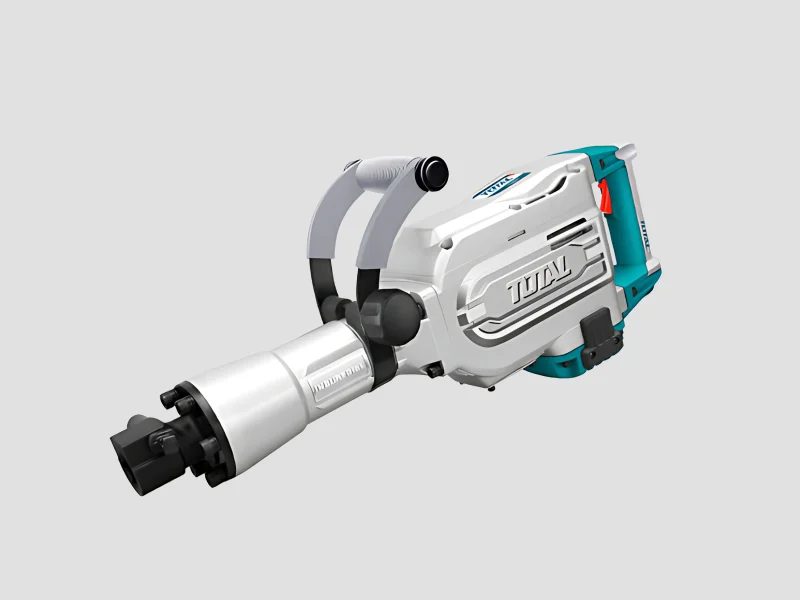
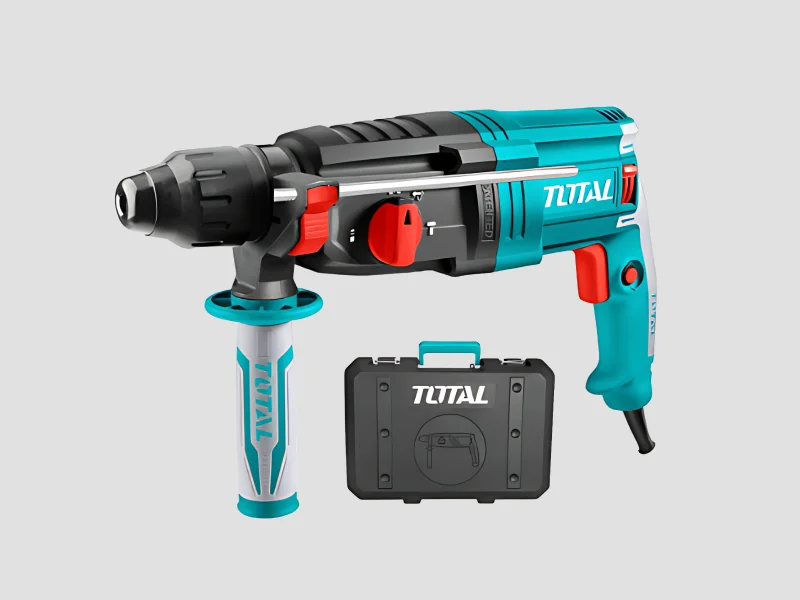
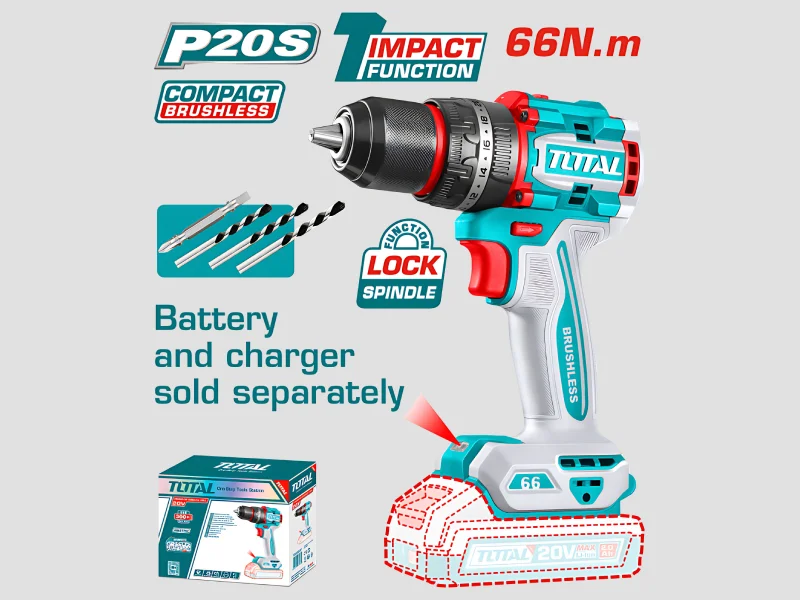
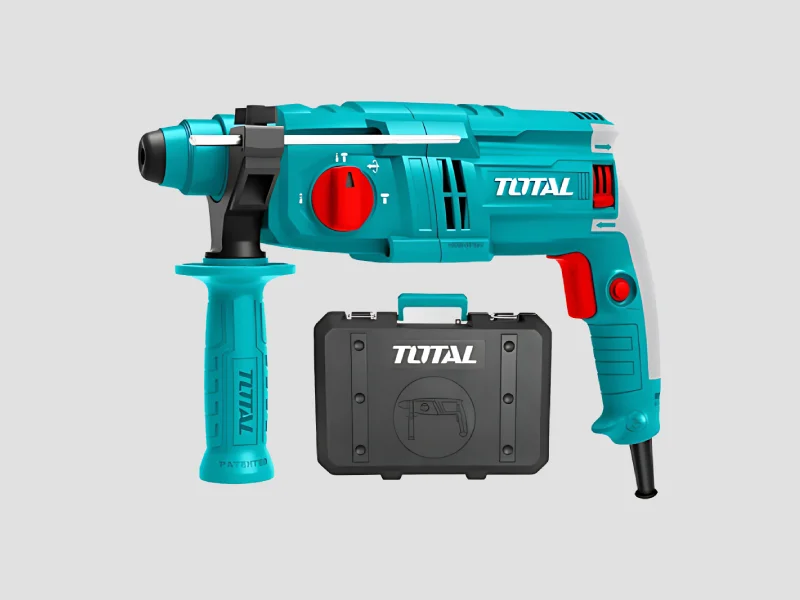
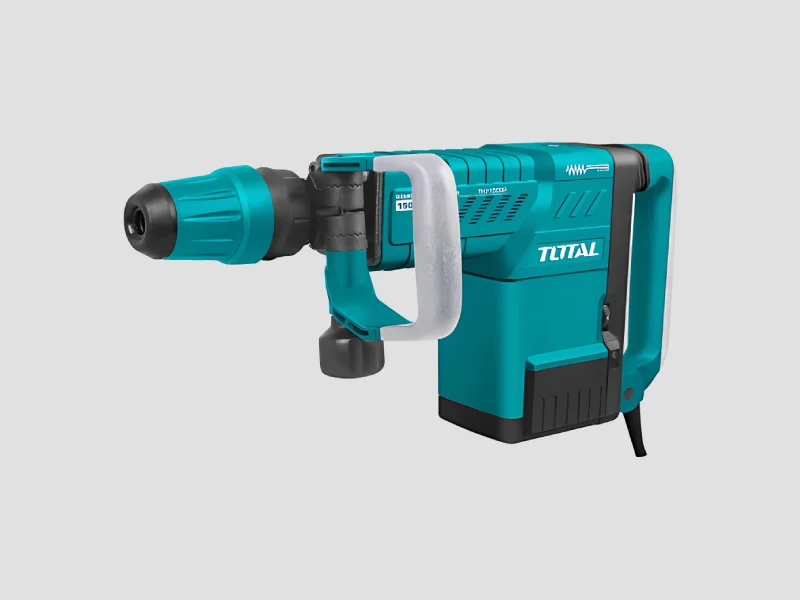
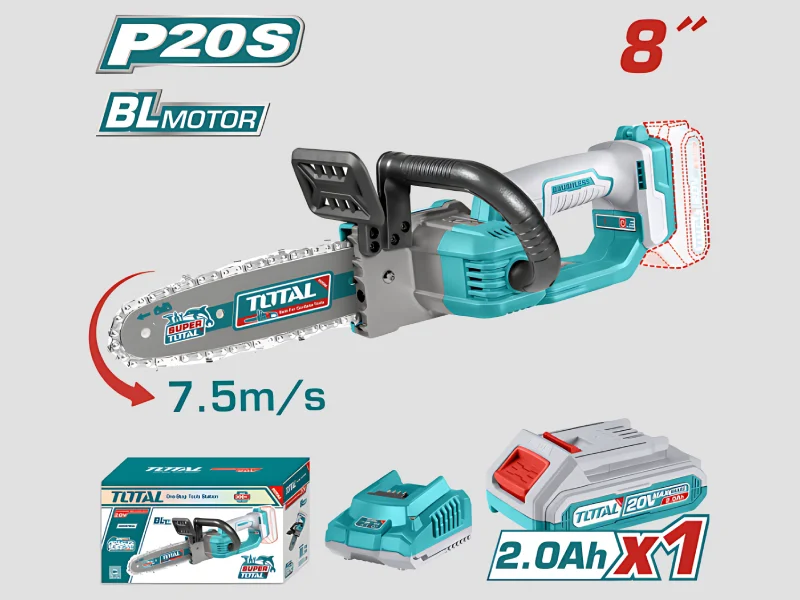
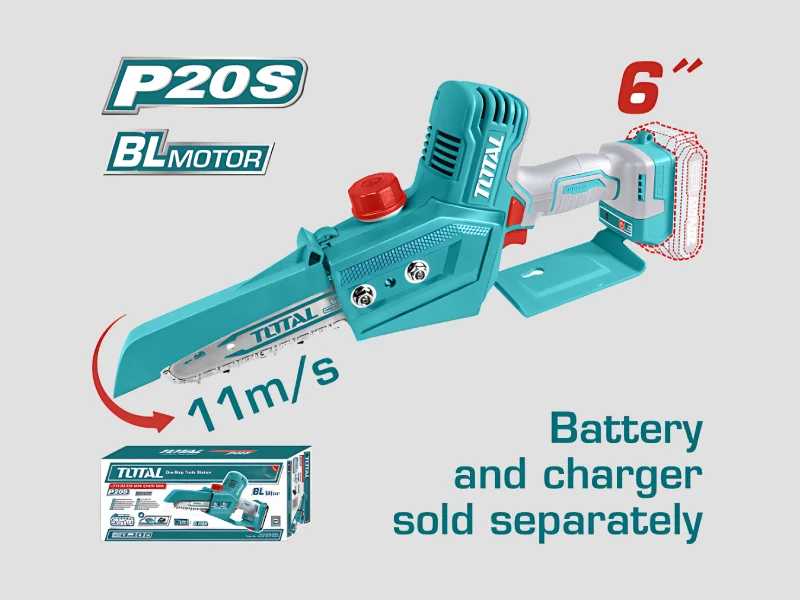
What are Power Tools (Drills, Grinders, Saws)?
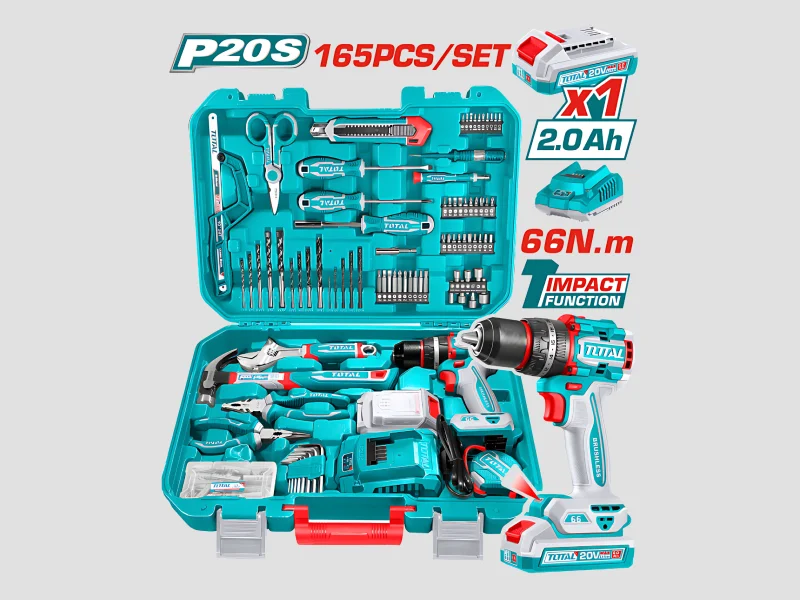
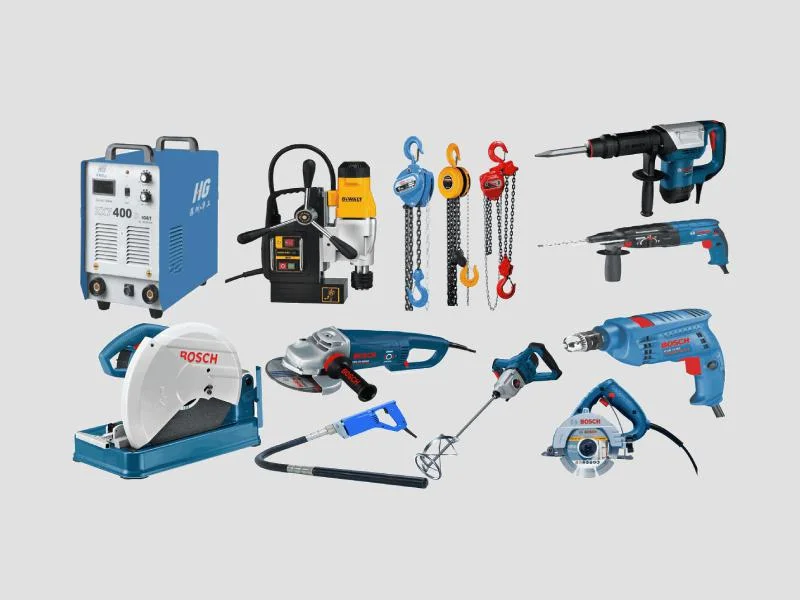
Power tools are essential equipment widely used in various industries for construction, manufacturing, and maintenance tasks. These tools, which include drills, grinders, and saws, are powered by electricity, batteries, or compressed air. Unlike manual tools, power tools significantly reduce the effort and time required to perform tasks, making them indispensable for professionals and businesses alike.
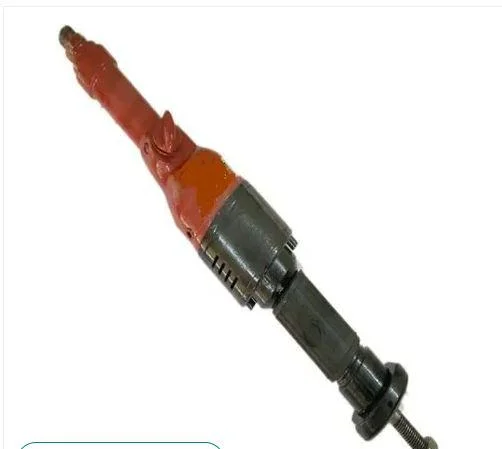
The primary uses of power tools encompass drilling holes, cutting materials, and grinding surfaces. In construction, drills are commonly used to create holes for fasteners, while saws are utilized to cut wood, metal, and other materials to specified dimensions. Grinders are essential for finishing tasks, smoothing surfaces, and shaping materials. The versatility of these tools allows them to be employed in various sectors, including carpentry, metalworking, and automotive repair.
The market for power tools is robust, driven by ongoing advancements in technology and increasing demand for efficient and precise tools. Industries are continuously seeking innovative solutions that enhance productivity and safety. As a result, the power tools market is expected to grow further as businesses recognize the importance of investing in high-quality equipment.
𝗞𝗲𝘆 𝗙𝗲𝗮𝘁𝘂𝗿𝗲𝘀 𝗮𝗻𝗱 𝗦𝗽𝗲𝗰𝗶𝗳𝗶𝗰𝗮𝘁𝗶𝗼𝗻𝘀
Power tools come equipped with a variety of features that enhance their performance and usability. Understanding these specifications is crucial for B2B buyers to make informed purchasing decisions.
Key specifications include:
1. Power Source
- This specification refers to how the tool is powered, such as electric, battery-operated, or pneumatic.
- Electric tools typically have a voltage rating, while battery-operated tools specify battery capacity in amp-hours (Ah).
2. RPM (Revolutions Per Minute)
- This measures the speed at which the tool operates, relevant for drills and grinders.
- RPM ratings can vary significantly, with some tools offering adjustable speeds for different applications.
3. Torque
- Torque indicates the rotational force produced by the tool, crucial for drills and impact wrenches.
- Measured in inch-pounds or foot-pounds, higher torque ratings allow for better performance on tough materials.
4. Weight
- Weight is an important consideration for portability and ease of use.
- Lighter tools are generally preferred for overhead or extended use, while heavier tools may offer more stability.
5. Safety Features
- Key safety features may include automatic shut-off, blade guards, and anti-vibration systems.
- These features help reduce the risk of accidents during operation.
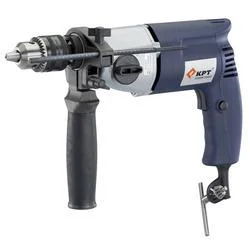
6. Chuck Size (for drills)
- Chuck size indicates the maximum bit diameter that the drill can accommodate.
- Common sizes include 1/4 inch, 3/8 inch, and 1/2 inch.
7. Warranty Period
- A warranty period reflects the manufacturer's confidence in the tool's durability and reliability.
- Warranties can range from one year to several years, depending on the manufacturer.
8. Noise Level
- Noise levels are measured in decibels (dB) and are important for user comfort and regulatory compliance.
- Tools with lower noise ratings are preferable for prolonged use in noise-sensitive environments.
In summary, understanding these key features and specifications is essential for selecting the right power tools that meet business needs and operational requirements.
𝗖𝗼𝗺𝗺𝗼𝗻 𝗔𝗽𝗽𝗹𝗶𝗰𝗮𝘁𝗶𝗼𝗻𝘀 𝗮𝗻𝗱 𝗨𝘀𝗲 𝗖𝗮𝘀𝗲𝘀
Power tools serve a diverse range of industries, each with its specific applications.
1. Construction: Power tools are extensively used for framing, roofing, and finishing tasks, providing efficiency and precision in building structures.
2. Manufacturing: In manufacturing, drills and saws are vital for assembly lines, facilitating the mass production of components with consistent quality.
3. Automotive: Grinders and drills are used in automotive repair shops for tasks ranging from engine assembly to bodywork, ensuring durable repairs and modifications.
4. Plumbing: Power tools help plumbers install fixtures and piping systems, allowing for quick and accurate work in tight spaces.
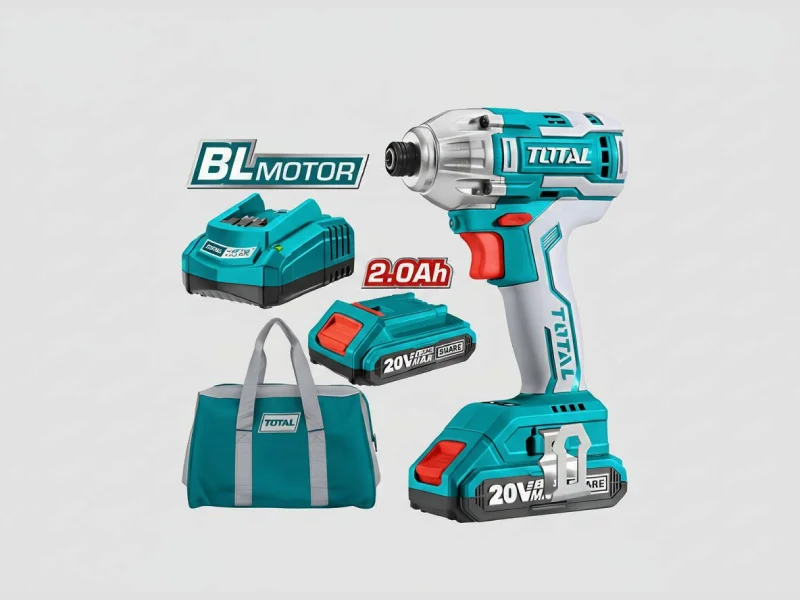
5. Electrical: Electricians utilize drills and impact drivers for wiring tasks, ensuring secure fittings and connections.
6. Carpentry: In carpentry, saws and routers are essential for shaping wood and creating furniture, ensuring craftsmanship and design accuracy.
7. Metalworking: Grinders and saws are crucial for cutting and finishing metal parts, enabling the creation of durable products.
𝗣𝗿𝗼𝗱𝘂𝗰𝘁 𝗩𝗮𝗿𝗶𝗮𝗻𝘁𝘀 𝗮𝗻𝗱 𝗦𝘂𝗯𝗰𝗮𝘁𝗲𝗴𝗼𝗿𝗶𝗲𝘀
Power tools encompass a wide variety of models tailored for specific functions and industries. This diversity allows businesses to select tools that best fit their operational needs.
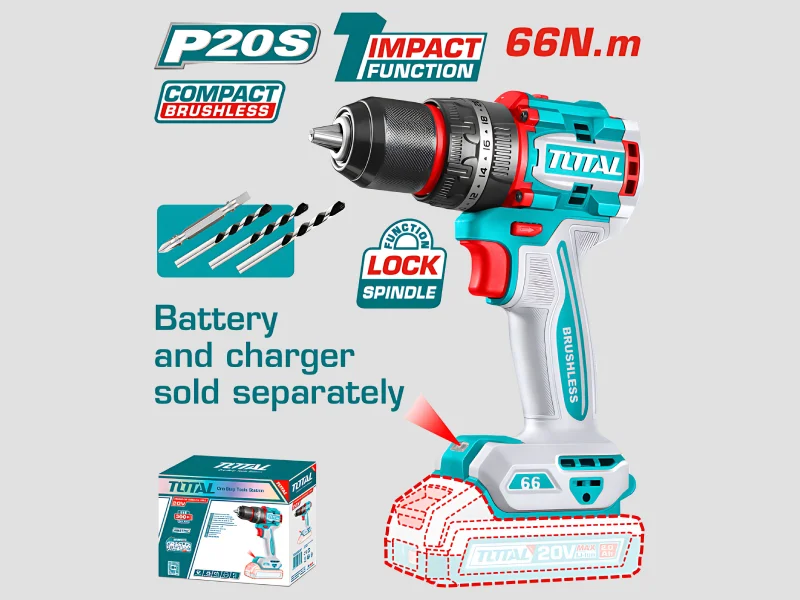
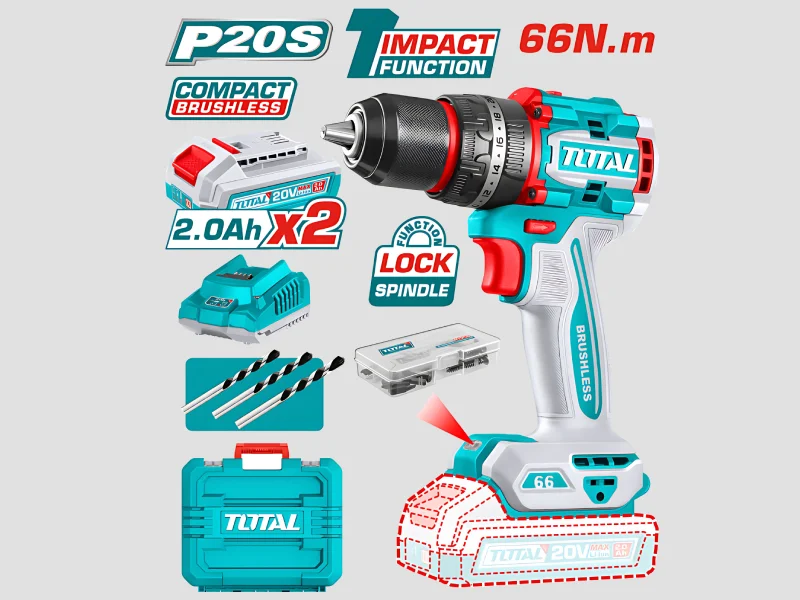
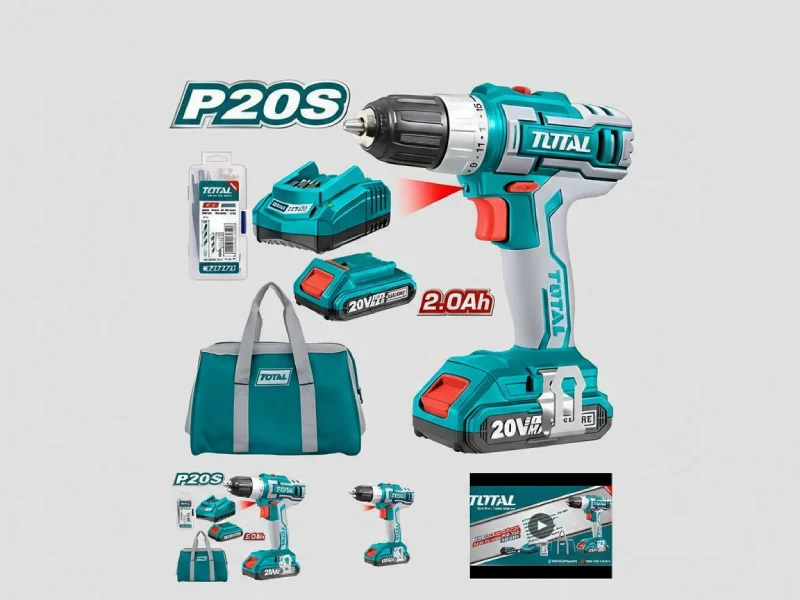
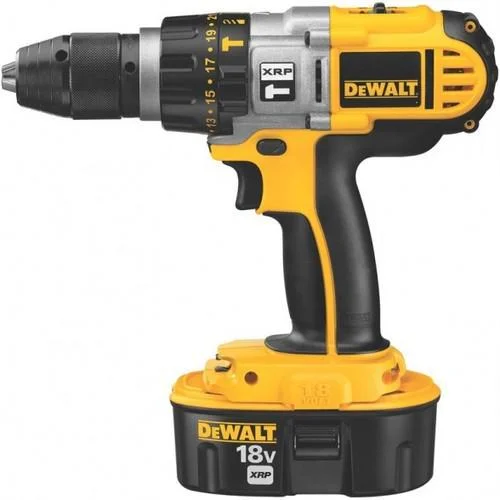
Cordless Drills: These portable drills offer flexibility without the constraints of power cords. They are ideal for tasks in remote locations and for quick assembly jobs.
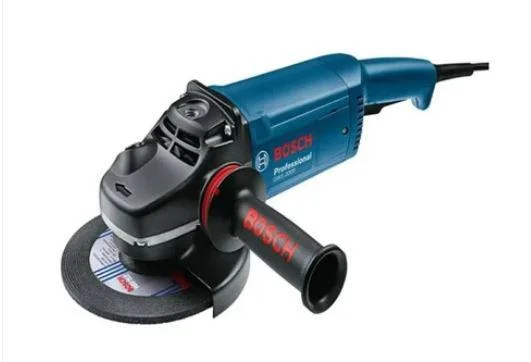
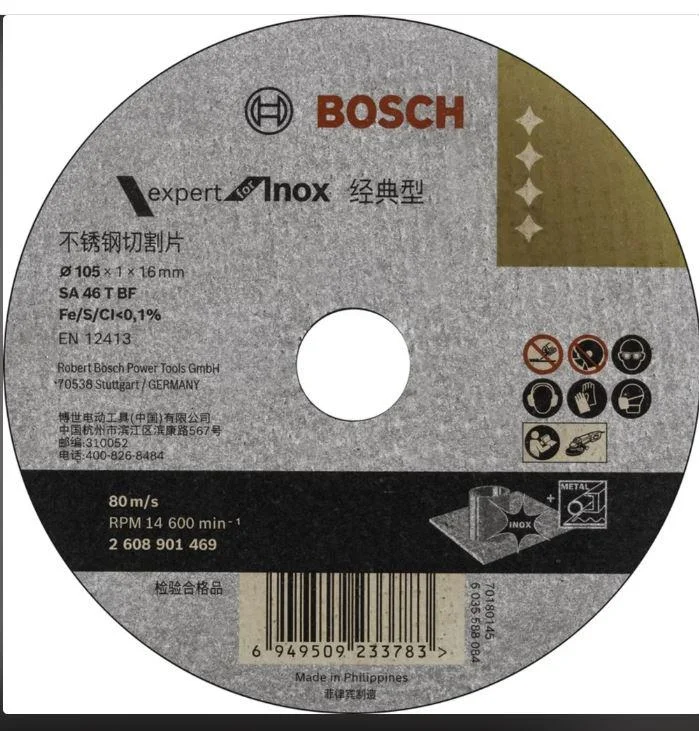
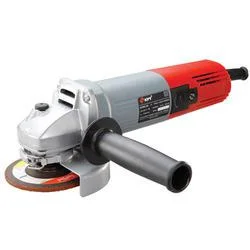
Angle Grinders: Designed for grinding and cutting materials, angle grinders are versatile tools used in metalworking and construction. They can accommodate various attachments for different applications.
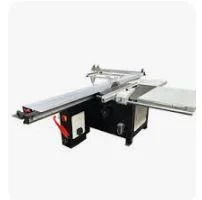
Circular Saws: Circular saws are powerful cutting tools used for making straight cuts in wood, metal, and other materials. Their portability makes them suitable for both indoor and outdoor projects.
Reciprocating Saws: Often used in demolition and remodeling, reciprocating saws excel in cutting through various materials quickly. They are favored for their versatility in tight spaces.
𝗕𝗲𝗻𝗲𝗳𝗶𝘁𝘀 𝗮𝗻𝗱 𝗔𝗱𝘃𝗮𝗻𝘁𝗮𝗴𝗲𝘀
Power tools provide several advantages that enhance productivity and efficiency in various industrial applications.
1. Increased Efficiency: Power tools significantly reduce the time required to complete tasks, allowing businesses to enhance productivity and meet tighter deadlines.
2. Improved Precision: With advanced technology, power tools offer greater accuracy in measurements and cuts, resulting in higher quality work.
3. Enhanced Safety: Modern power tools come equipped with safety features that reduce the risk of accidents and injuries during operation.
4. Versatility: These tools can be used for a wide range of applications, making them suitable for multiple industries and projects.
5. Reduced Labor Costs: By automating tasks, power tools can lower labor costs and minimize the need for skilled labor in certain situations.
6. Easy Maintenance: Many power tools are designed for straightforward maintenance, ensuring long-lasting performance with minimal downtime.
𝗕𝘂𝘆𝗶𝗻𝗴 𝗚𝘂𝗶𝗱𝗲 𝗳𝗼𝗿 𝗕𝟮𝗕 𝗕𝘂𝘆𝗲𝗿𝘀
When sourcing power tools (drills, grinders, saws), it is essential for B2B buyers to consider several key factors for effective purchasing.
1. Quality Assessment: Assessing the quality of power tools involves reviewing materials, manufacturing processes, and user reviews. Ensure that the tools meet industry standards for durability and performance.
2. Supplier Verification: It is vital to vet suppliers for reliability and reputation. Look for suppliers with established track records and positive customer feedback.
3. Pricing and MOQ: Understanding the pricing structure and minimum order quantities (MOQ) helps in budgeting and ensures that purchasing aligns with business needs.
4. Delivery and Lead Times: Evaluate suppliers based on their ability to meet delivery schedules and lead times. Timely delivery is crucial for maintaining project timelines.
5. Compliance Requirements: Ensure that the power tools meet relevant compliance standards and certifications, such as CE marking, to guarantee safety and quality.
𝗖𝗼𝗺𝗽𝗹𝗶𝗮𝗻𝗰𝗲 𝗮𝗻𝗱 𝗖𝗲𝗿𝘁𝗶𝗳𝗶𝗰𝗮𝘁𝗶𝗼𝗻𝘀
Compliance and certifications are crucial for ensuring the safety and reliability of power tools in various industries. Relevant quality standards, such as ISO 9001, ensure that manufacturers adhere to consistent quality management systems. These standards help guarantee that products meet customer expectations and regulatory requirements.
Industry certifications, such as CE marking, indicate compliance with European safety standards. This certification assures buyers that the tools have undergone rigorous testing and meet necessary safety regulations.
Safety and testing requirements vary by industry and region. It is essential for manufacturers to conduct thorough testing to meet these standards, ensuring that power tools are safe for use in various applications.
Regional compliance considerations may also play a role in sourcing decisions. Different countries may have specific regulations governing the sale and use of power tools, which must be adhered to for market entry.
Why Source Power Tools (Drills, Grinders, Saws) from Pepagora?
Pepagora offers a trusted platform for sourcing power tools (drills, grinders, saws) with numerous advantages tailored for B2B buyers.
Verified Supplier Network: Pepagora connects buyers with a network of verified suppliers, ensuring that businesses can source high-quality power tools from reputable manufacturers.
Streamlined RFQ Process: The platform features a user-friendly request for quotation (RFQ) system, making it easy for buyers to compare prices and specifications from multiple suppliers.
Trade Assurance and Support: Pepagora provides trade assurance features that protect buyers during transactions, ensuring a secure purchasing experience.
Regional Coverage: With a presence in India, the GCC, and Southeast Asia, Pepagora offers extensive regional coverage, allowing businesses to source power tools tailored to their specific market needs.

 IN
IN