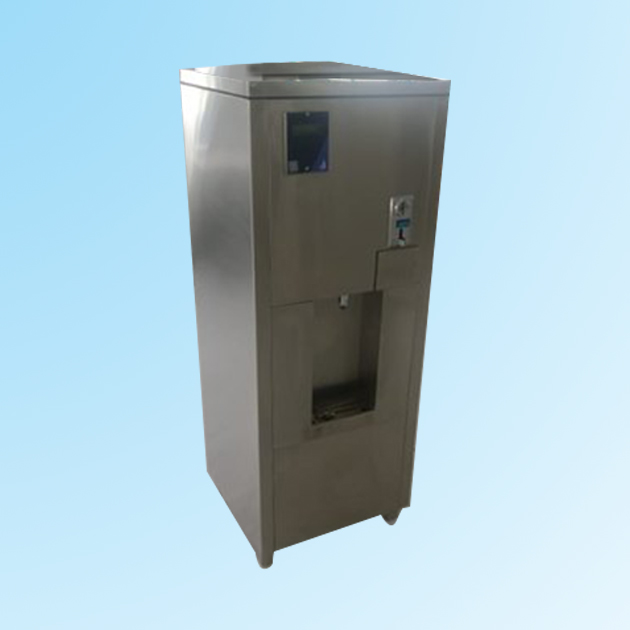
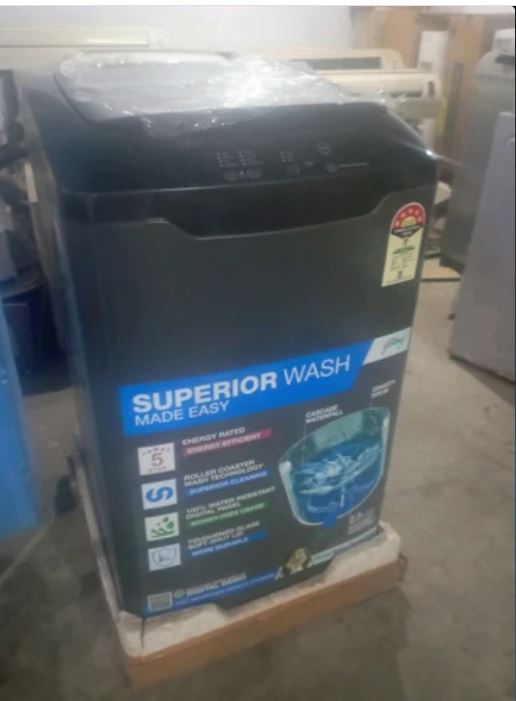
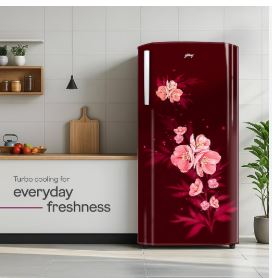
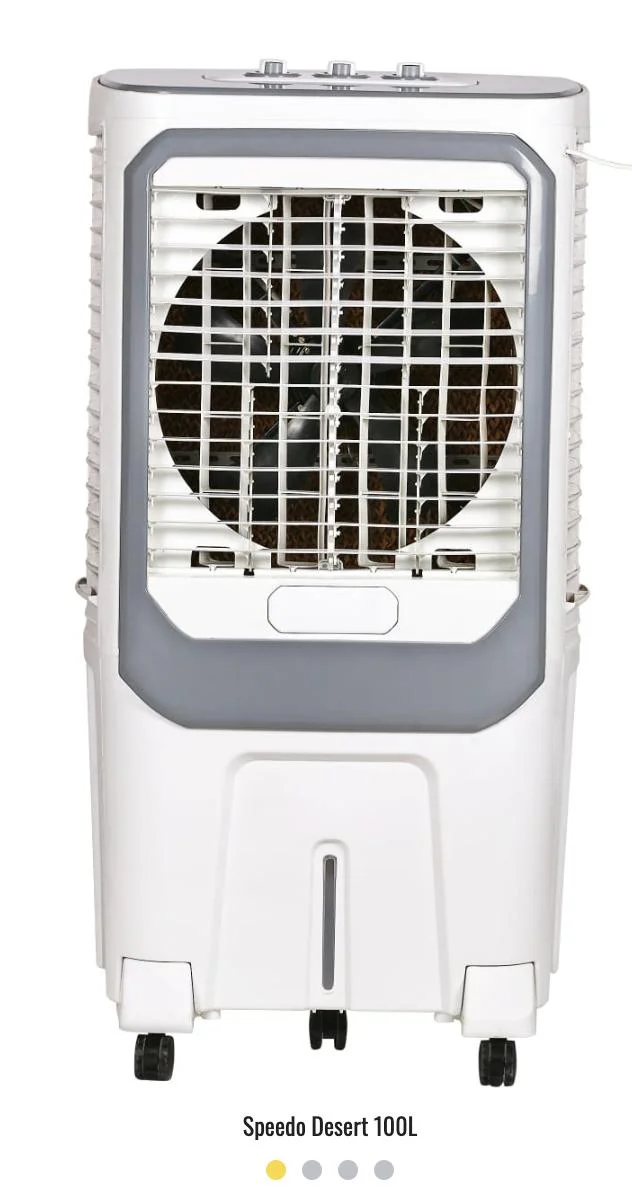
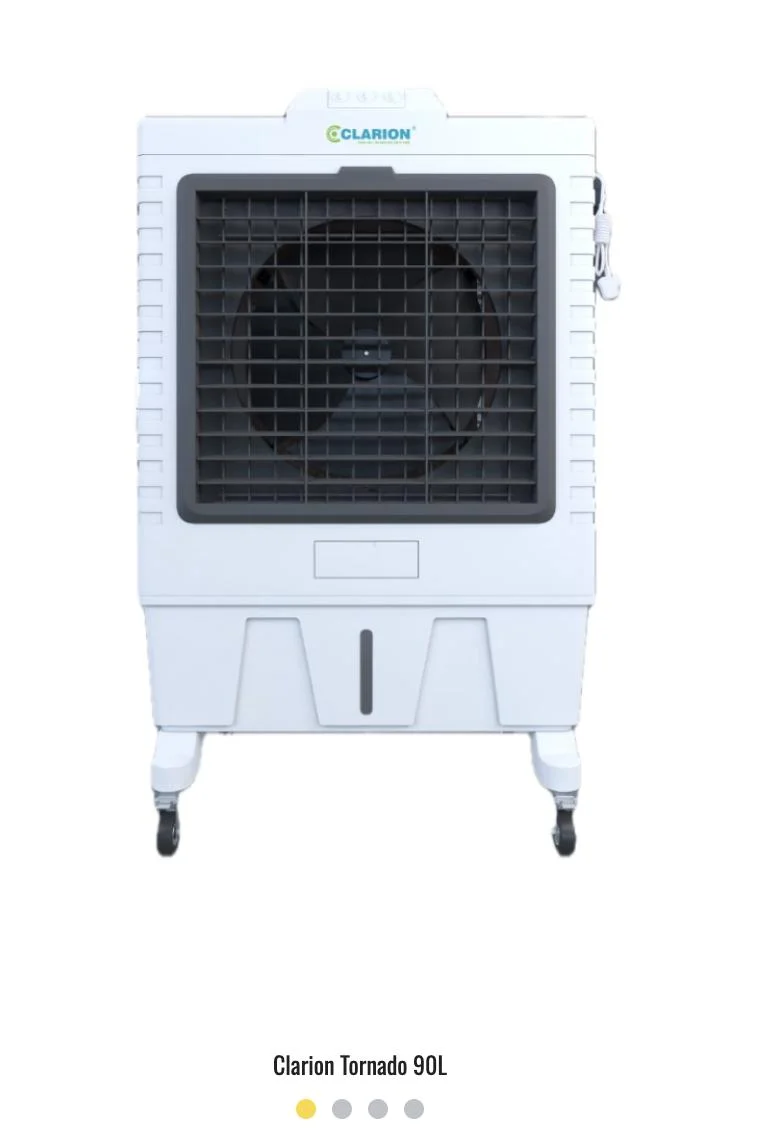
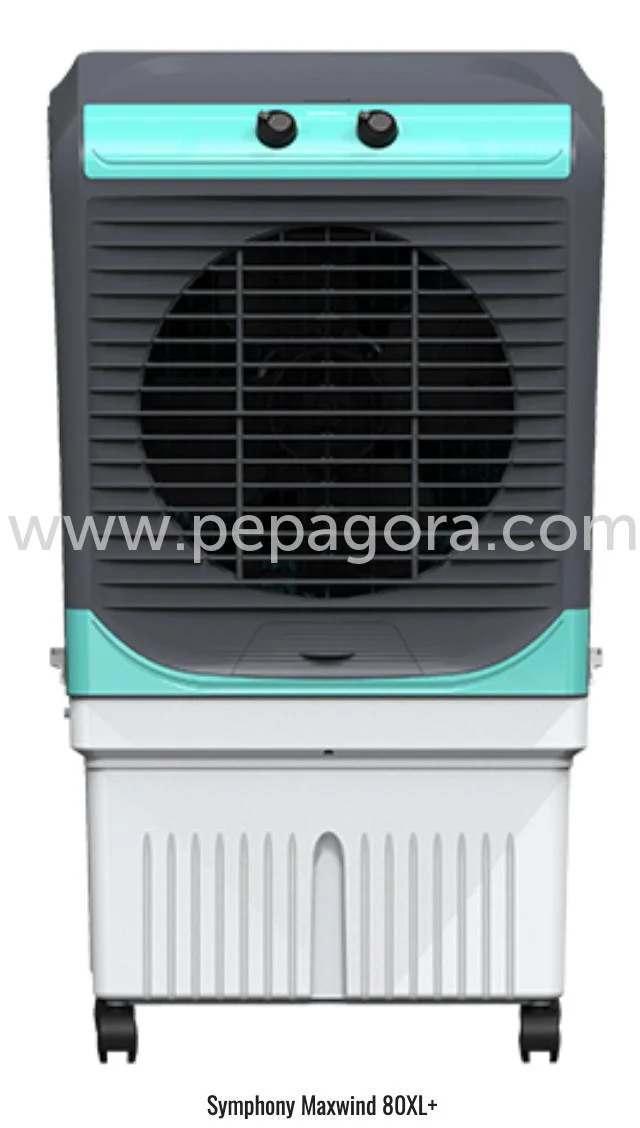
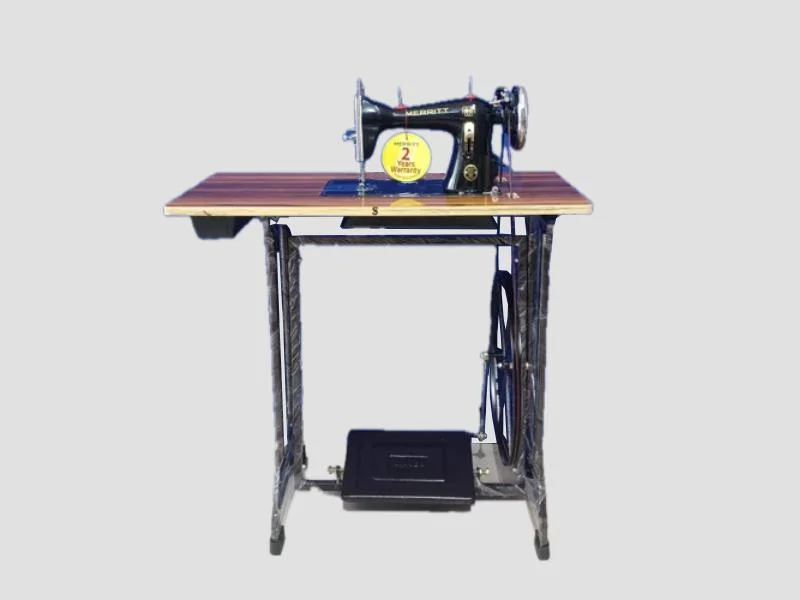
𝗪𝗵𝗮𝘁 𝗮𝗿𝗲 𝗛𝗼𝗺𝗲 𝗔𝗽𝗽𝗹𝗶𝗮𝗻𝗰𝗲𝘀?
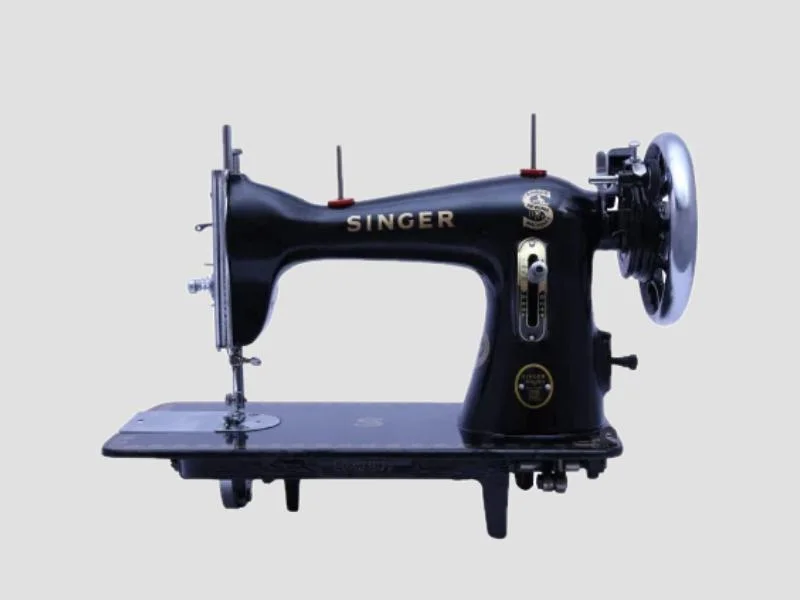
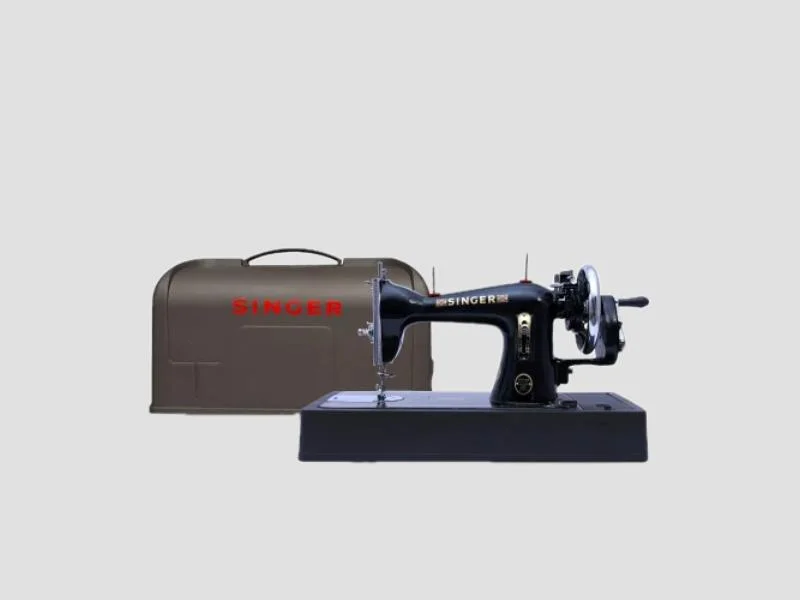
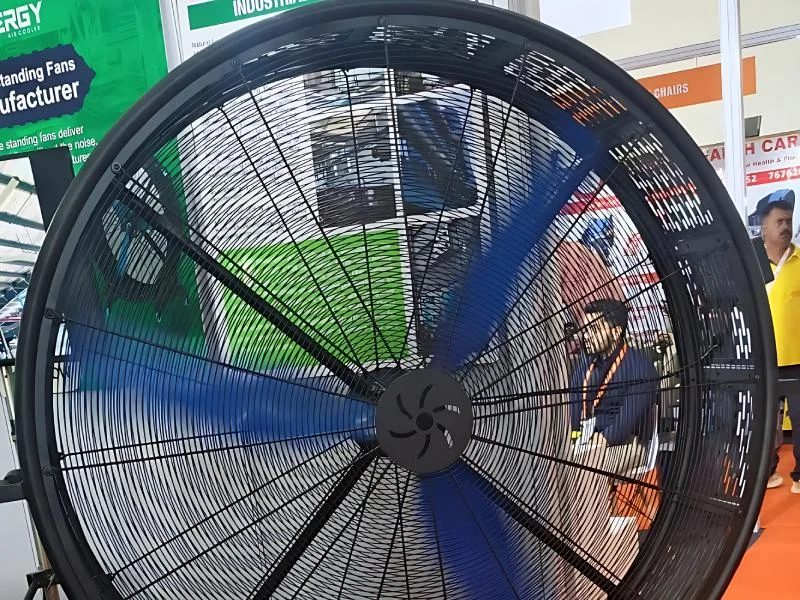
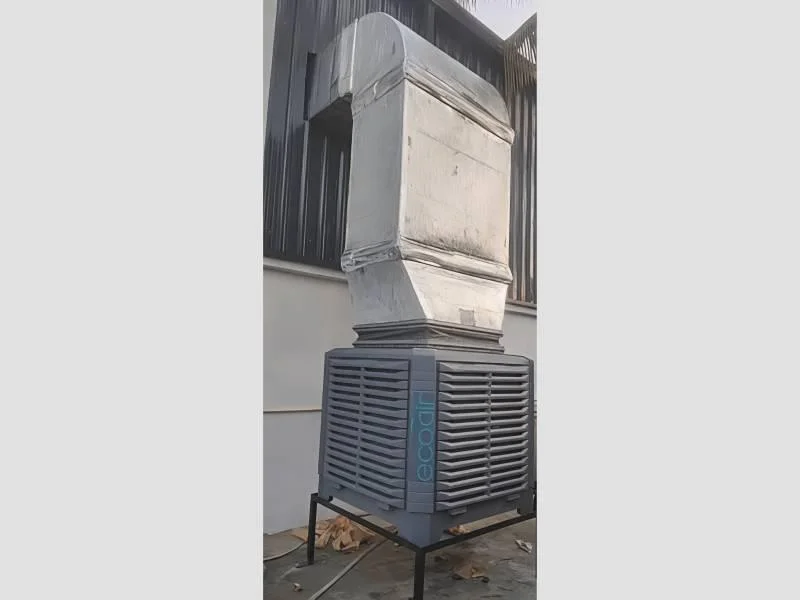
Home appliances are essential devices designed to make household tasks more efficient and manageable. They encompass a wide range of equipment, including refrigerators, washing machines, ovens, and microwaves. These appliances are generally powered by electricity, gas, or a combination of both, and they play a crucial role in daily routines by simplifying chores and enhancing convenience in residential settings.
In the B2B context, home appliances are significant for businesses involved in retail, hospitality, and property management. Companies in these sectors often rely on high-quality appliances to improve customer satisfaction and operational efficiency. For instance, hotels and restaurants utilize commercial-grade appliances to meet high demands while ensuring reliability. The home appliance market is growing steadily, driven by technological advancements and an increasing focus on energy efficiency, making it an important segment in the larger consumer electronics industry.
𝗞𝗲𝘆 𝗙𝗲𝗮𝘁𝘂𝗿𝗲𝘀 𝗮𝗻𝗱 𝗦𝗽𝗲𝗰𝗶𝗳𝗶𝗰𝗮𝘁𝗶𝗼𝗻𝘀
When evaluating home appliances, it is essential to consider their key features and specifications. These specifications not only define the performance of the appliances but also influence their suitability for specific applications and environments.
Key specifications include:
1. Energy Efficiency Rating
- Indicates the appliance's energy consumption relative to its output.
- Ratings can range from A+++ (most efficient) to D (least efficient).
2. Capacity
- Refers to the volume or weight the appliance can handle, such as load capacity in washing machines or storage space in refrigerators.
- Typically measured in liters or kilograms.
3. Power Consumption
- The amount of electricity the appliance uses during operation.
- Measured in watts, lower values indicate more efficient models.
4. Dimensions
- Physical size of the appliance, which is crucial for fitting into designated spaces.
- Typically specified in height, width, and depth.
5. Noise Levels
- The sound produced during operation, measured in decibels (dB).
- Important for appliances like dishwashers and washing machines, where quiet operation may be desired.
6. Warranty Period
- Duration of the manufacturer's warranty, often ranging from 1 to 5 years.
- Longer warranties may indicate greater reliability.
7. Control Type
- The method of operation, which can include digital interfaces, knobs, or touch screens.
- Affects user experience and ease of use.
8. Safety Features
- Includes automatic shut-off, child locks, and overheating protection.
- Essential for ensuring safe operation in domestic environments.
In summary, understanding the specifications of home appliances is crucial for making informed purchasing decisions. This knowledge enables businesses to select models that meet their operational needs while ensuring reliability and efficiency.
𝗖𝗼𝗺𝗺𝗼𝗻 𝗔𝗽𝗽𝗹𝗶𝗰𝗮𝘁𝗶𝗼𝗻𝘀 𝗮𝗻𝗱 𝗨𝘀𝗲 𝗖𝗮𝘀𝗲𝘀
Home appliances are utilized across various industries, each benefiting from their efficiency and functionality.
1. Retail: Supermarkets and appliance stores offer a range of home appliances to consumers, enhancing shopping experiences and boosting sales.
2. Hospitality: Hotels and restaurants rely on commercial-grade appliances for food preparation and laundry services, ensuring high standards of service and customer satisfaction.
3. Property Management: Landlords and property managers use reliable home appliances in rental units to attract tenants and maintain property value.
4. Construction: Builders incorporate energy-efficient appliances in new homes to appeal to environmentally-conscious buyers.
5. Healthcare: Hospitals and care facilities utilize specialized home appliances for patient care, ensuring hygiene and operational efficiency.
6. Education: Schools and universities may use home appliances in dormitories or student kitchens, providing necessary amenities for residents.
7. Consumer Electronics: Companies involved in electronics manufacturing may focus on developing innovative home appliances that meet emerging consumer needs.
𝗣𝗿𝗼𝗱𝘂𝗰𝘁 𝗩𝗮𝗿𝗶𝗮𝗻𝘁𝘀 𝗮𝗻𝗱 𝗦𝘂𝗯𝗰𝗮𝘁𝗲𝗴𝗼𝗿𝗶𝗲𝘀
Home appliances come in a diverse range, catering to various needs and preferences.
Refrigerators
These appliances are essential for food preservation and come in different types, including top-freezer, bottom-freezer, side-by-side, and French door designs. Features often include energy efficiency and adjustable shelving.
Washing Machines
Available in front-load and top-load configurations, washing machines are designed for efficient laundry cleaning. Advanced models may offer smart technology integration and multiple wash settings.
Ovens
Ovens come in several variants such as conventional, convection, and microwave ovens. Each type serves different cooking methods and is designed to meet specific culinary needs.
Dishwashers
These appliances are designed to automate the dishwashing process, offering various capacities and features, including energy-saving modes and quiet operation.
𝗕𝗲𝗻𝗲𝗳𝗶𝘁𝘀 𝗮𝗻𝗱 𝗔𝗱𝘃𝗮𝗻𝘁𝗮𝗴𝗲𝘀
Investing in high-quality home appliances offers numerous advantages for businesses.
1. Enhanced Efficiency: Home appliances streamline daily tasks, allowing staff to focus on higher-priority activities.
2. Cost Savings: Energy-efficient models can significantly reduce utility costs over time, contributing to overall savings.
3. Improved Customer Satisfaction: Reliable appliances ensure consistent service quality, enhancing customer experiences in hospitality and retail sectors.
4. Reduced Labor: Automation of chores decreases the need for manual labor, allowing for better allocation of human resources.
5. Sustainability: Many modern appliances are designed with eco-friendly features, appealing to environmentally-conscious consumers and businesses.
6. Versatility: Home appliances are available in various styles and functionalities, accommodating diverse business needs.
𝗕𝘂𝘆𝗶𝗻𝗴 𝗚𝘂𝗶𝗱𝗲 𝗳𝗼𝗿 𝗕𝟮𝗕 𝗕𝘂𝘆𝗲𝗿𝘀
When sourcing home appliances, businesses should consider several critical factors to ensure they make the best purchasing decisions.
1. Quality Assessment: Evaluate the build quality and performance of appliances. Look for reputable brands with positive reviews and proven reliability.
2. Supplier Verification: Vet suppliers to confirm their credibility and ability to meet demand. Check for certifications and customer feedback to ensure they are trustworthy.
3. Pricing and MOQ: Understand pricing structures and minimum order quantities (MOQ) to find options that fit your budget and operational needs.
4. Delivery and Lead Times: Assess logistics capabilities and expected delivery times. Timely delivery is crucial for maintaining business operations.
5. Compliance Requirements: Be aware of local and international regulations that may apply to home appliances, ensuring compliance with safety and quality standards.
𝗖𝗼𝗺𝗽𝗹𝗶𝗮𝗻𝗰𝗲 𝗮𝗻𝗱 𝗖𝗲𝗿𝘁𝗶𝗳𝗶𝗰𝗮𝘁𝗶𝗼𝗻𝘀
Compliance with relevant quality standards and certifications is essential for home appliances. Industry standards such as ISO 9001 ensure consistent quality management systems, while certifications like CE indicate compliance with European safety requirements.
Manufacturers must also adhere to safety and testing requirements to guarantee that their appliances operate safely and efficiently. In addition, regional compliance considerations may vary, necessitating manufacturers to be aware of specific local regulations.
Proper certification not only enhances product credibility but also assures customers of the reliability and safety of the appliances they purchase.
𝗪𝗵𝘆 𝗦𝗼𝘂𝗿𝗰𝗲 𝗛𝗼𝗺𝗲 𝗔𝗽𝗽𝗹𝗶𝗮𝗻𝗰𝗲𝘀 𝗳𝗿𝗼𝗺 𝗣𝗲𝗽𝗮𝗴𝗼𝗿𝗮?
Pepagora provides a trusted platform for sourcing home appliances, ensuring that B2B buyers have access to a wide range of products and services tailored to their needs.
Verified Supplier Network: Pepagora connects buyers with a network of verified suppliers, ensuring that they can trust the quality and reliability of the products they purchase. This verification process includes checks on supplier credentials and product quality.
Streamlined RFQ Process: Pepagora offers a straightforward Request for Quotation (RFQ) process, allowing buyers to efficiently compare options from different suppliers. This system simplifies procurement and enhances decision-making.
Trade Assurance and Support: Buyers can benefit from trade assurance programs that protect their transactions. Pepagora provides support throughout the purchasing process, ensuring buyers feel secure in their decisions.
Regional Coverage: With a strong presence in India, the GCC, and Southeast Asia, Pepagora offers extensive geographical coverage. This allows businesses from various regions to access reliable home appliance suppliers, facilitating smoother trade and logistics.

 IN
IN