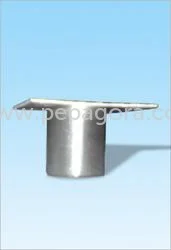
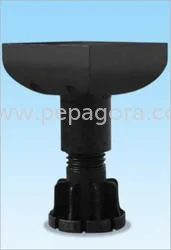
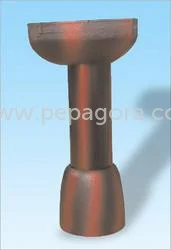
𝗪𝗵𝗮𝘁 𝗮𝗿𝗲 𝗙𝘂𝗿𝗻𝗶𝘁𝘂𝗿𝗲 𝗛𝗮𝗿𝗱𝘄𝗮𝗿𝗲?
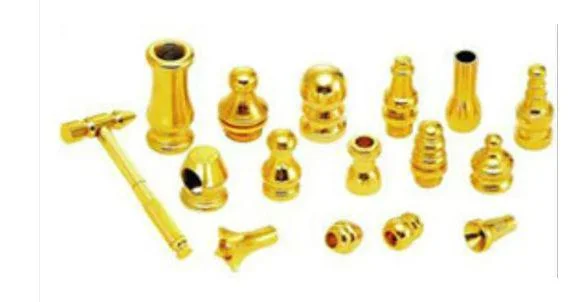
Furniture hardware refers to the various components used in the construction, assembly, and functionality of furniture. This includes items such as hinges, drawer slides, knobs, handles, and fasteners. Each piece plays a critical role in enhancing the usability, aesthetics, and overall durability of furniture products. By integrating these components, manufacturers can create functional and appealing furniture pieces suitable for various environments.
The primary uses of furniture hardware extend across many sectors, including residential, commercial, and industrial applications. In residential settings, furniture hardware is essential for items like cabinets, drawers, and desks. In commercial environments, it enhances office furniture, retail displays, and hospitality furnishings. The relevance of furniture hardware in the market is significant as it supports the growing demand for customized and high-quality furniture solutions, making it a vital area for manufacturers and suppliers.
𝗞𝗲𝘆 𝗙𝗲𝗮𝘁𝘂𝗿𝗲𝘀 𝗮𝗻𝗱 𝗦𝗽𝗲𝗰𝗶𝗳𝗶𝗰𝗮𝘁𝗶𝗼𝗻𝘀
Furniture hardware encompasses a range of features and specifications tailored to meet diverse needs. Understanding these specifications is crucial for selecting the right components for specific applications.
Key specifications include:
1. Material Composition
- Common materials include steel, aluminum, and plastic.
- Each material offers distinct advantages in terms of strength and aesthetic appeal.
2. Load Capacity
- Load capacity refers to the maximum weight that hardware can support.
- Parameters can range from light-duty (up to 50 pounds) to heavy-duty (over 200 pounds).
3. Finish Options
- Available finishes can include chrome, nickel, and powder coating.
- Finish choice impacts both durability and visual appeal.
4. Size Variability
- Dimensions of hardware vary widely to suit different furniture designs.
- Standard sizes are often available, while custom sizes can be requested.
5. Installation Type
- Installation methods can include screw-mounted, slide-in, or adhesive.
- The choice of installation impacts ease of assembly and maintenance.
6. Adjustment Features
- Some hardware allows for height or depth adjustments.
- This feature enhances usability and functionality.
7. Compliance Standards
- Hardware may adhere to specific quality standards, such as CE certification.
- Compliance ensures reliability and safety in use.
8. Warranty Information
- Many manufacturers provide warranties that cover defects.
- Warranty details are essential for long-term investment considerations.
Understanding these specifications helps businesses make informed decisions about the furniture hardware they need.
𝗖𝗼𝗺𝗺𝗼𝗻 𝗔𝗽𝗽𝗹𝗶𝗰𝗮𝘁𝗶𝗼𝗻𝘀 𝗮𝗻𝗱 𝗨𝘀𝗲 𝗖𝗮𝘀𝗲𝘀
Furniture hardware is integral to many industries, providing essential support and functionality.
1. Residential Furniture: In homes, furniture hardware is used in cabinets, dressers, and tables, ensuring smooth operation and aesthetic appeal.
2. Office Furniture: In commercial settings, hardware is crucial for desks, filing cabinets, and partitions, enhancing organization and efficiency.
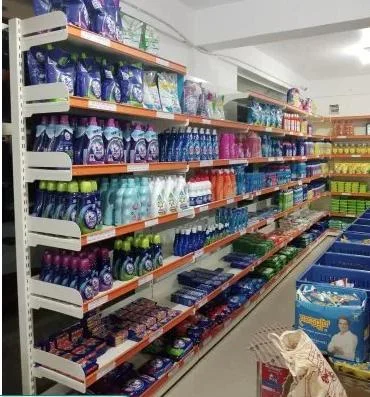
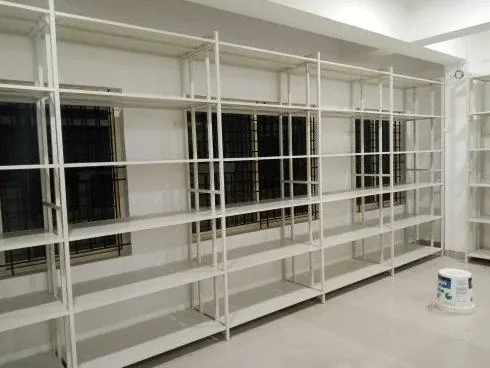
3. Retail Displays: Hardware is utilized in retail environments for shelves, display cases, and mannequins, allowing for attractive product presentation.
4. Hospitality Industry: In hotels and restaurants, hardware enhances furniture durability and functionality, contributing to overall guest experience.
5. Healthcare Facilities: Furniture hardware is vital in medical furniture, ensuring ease of use and compliance with safety standards.
6. Educational Institutions: Schools and universities use furniture hardware in desks, chairs, and storage solutions to support learning environments.
7. Custom Furniture Makers: Craftsmanship in custom furniture relies heavily on specialized hardware to achieve unique designs and functionality.
𝗣𝗿𝗼𝗱𝘂𝗰𝘁 𝗩𝗮𝗿𝗶𝗮𝗻𝘁𝘀 𝗮𝗻𝗱 𝗦𝘂𝗯𝗰𝗮𝘁𝗲𝗴𝗼𝗿𝗶𝗲𝘀
Furniture hardware offers a variety of options to suit different needs and preferences. Each variant provides specific features that cater to various applications.
Hinges
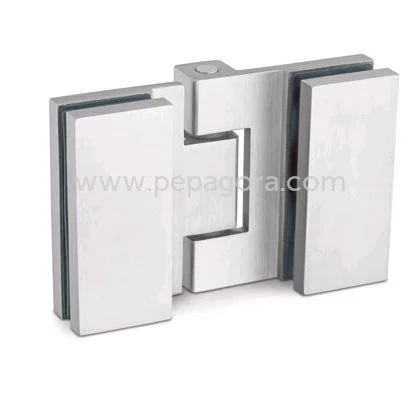
Hinges are essential for doors and lids, allowing smooth opening and closing. They come in various styles, such as concealed, continuous, and pivot, each suited for different furniture designs.
Drawer Slides
These components enable drawers to open and close efficiently. Options include side-mount, under-mount, and center-mount slides, which vary in load capacity and ease of installation.
Knobs and Pulls
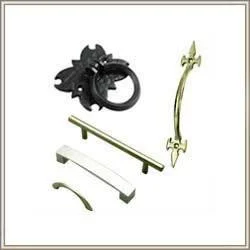
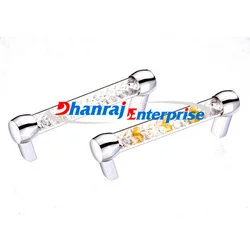
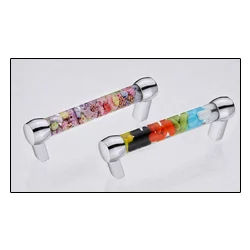
Used for cabinets and drawers, knobs and pulls come in countless designs and finishes, contributing to the overall aesthetic of the furniture.
Fasteners
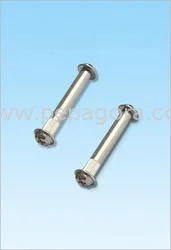
Fasteners, such as screws, bolts, and anchors, are crucial for securing furniture components together. They vary in size and material, tailored for different applications.
𝗕𝗲𝗻𝗲𝗳𝗶𝘁𝘀 𝗮𝗻𝗱 𝗔𝗱𝘃𝗮𝗻𝘁𝗮𝗴𝗲𝘀
Furniture hardware provides numerous advantages that enhance the overall quality and functionality of furniture products.
1. Enhanced Durability: Quality hardware increases the lifespan of furniture, ensuring that it withstands daily use and wear.
2. Improved Functionality: Properly selected hardware enhances furniture usability, allowing for smooth operation of drawers, doors, and other elements.
3. Aesthetic Versatility: A wide range of finishes and designs allows for customization, aligning furniture with specific decor styles.
4. Ease of Assembly: User-friendly installation options simplify the furniture assembly process, saving time and labor costs.
5. Increased Safety: High-quality hardware adheres to safety standards, reducing risks associated with furniture failure.
6. Customization Potential: Many hardware options can be tailored to meet specific design or functional requirements, accommodating unique projects.
𝗕𝘂𝘆𝗶𝗻𝗴 𝗚𝘂𝗶𝗱𝗲 𝗳𝗼𝗿 𝗕𝟮𝗕 𝗕𝘂𝘆𝗲𝗿𝘀
When sourcing furniture hardware, it is essential to consider several key factors to ensure the right selection.
1. Quality Assessment: Evaluate the materials and construction of hardware to ensure durability and reliability. Look for products that meet industry standards and have positive reviews from other users.
2. Supplier Verification: Vet potential suppliers to confirm their credibility and reliability. Check for customer testimonials, certifications, and their history in the industry.
3. Pricing and MOQ: Understand the pricing structure and minimum order quantities. Compare prices among suppliers but consider quality over cost to ensure long-term satisfaction.
4. Delivery and Lead Times: Assess the supplier's delivery capabilities and lead times to ensure timely project completion. Reliable logistics are crucial for maintaining schedules.
5. Compliance Requirements: Ensure that the hardware meets local and industry-specific compliance regulations. This includes safety certifications that guarantee product reliability.
𝗖𝗼𝗺𝗽𝗹𝗶𝗮𝗻𝗰𝗲 𝗮𝗻𝗱 𝗖𝗲𝗿𝘁𝗶𝗳𝗶𝗰𝗮𝘁𝗶𝗼𝗻𝘀
Compliance with quality standards is vital in the furniture hardware industry. Key standards include ISO 9001, which ensures quality management systems are in place, and CE marking, indicating that products meet European safety, health, and environmental protection standards.
Safety and testing requirements are also critical. Hardware must undergo rigorous testing to ensure it can withstand intended use without failure. Regional compliance considerations may vary, so it is essential to stay informed about local regulations that affect product safety and standards.
𝗪𝗵𝘆 𝗦𝗼𝘂𝗿𝗰𝗲 𝗙𝘂𝗿𝗻𝗶𝘁𝘂𝗿𝗲 𝗛𝗮𝗿𝗱𝘄𝗮𝗿𝗲 𝗳𝗿𝗼𝗺 𝗣𝗲𝗽𝗮𝗴𝗼𝗿𝗮?
Pepagora provides a trusted platform for sourcing furniture hardware, offering several key advantages to B2B buyers.
Verified Supplier Network: Pepagora features a network of verified suppliers, ensuring that buyers can source quality hardware from reputable manufacturers. This network helps to minimize risks associated with supplier reliability.
Streamlined RFQ Process: The platform simplifies the request for quotation process, allowing buyers to efficiently compare offers and make informed purchasing decisions. This saves time and enhances procurement efficiency.
Trade Assurance and Support: Pepagora offers trade assurance, protecting buyers against potential disputes. This support builds confidence in transactions, ensuring that buyers can source with peace of mind.
Regional Coverage: With a strong presence in India, the GCC, and Southeast Asia, Pepagora supports businesses in these regions, providing access to a diverse range of furniture hardware that meets local market demands.

 IN
IN