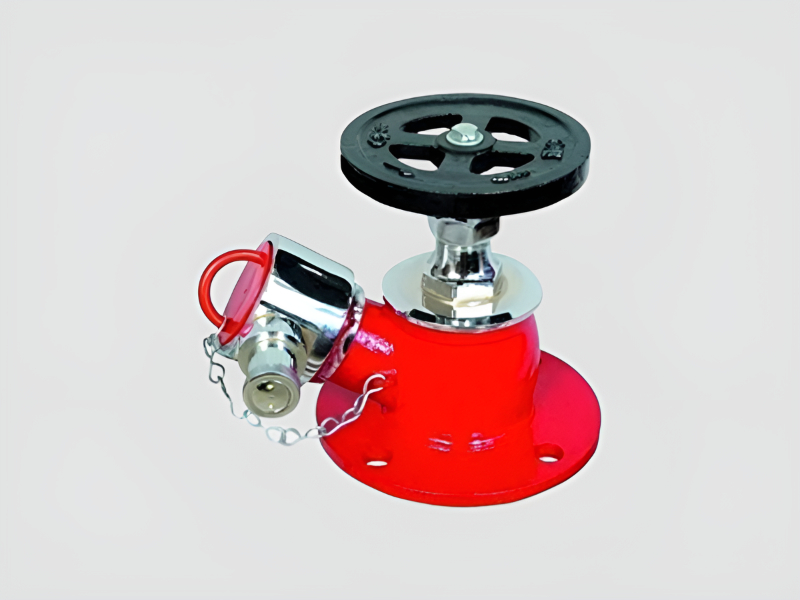
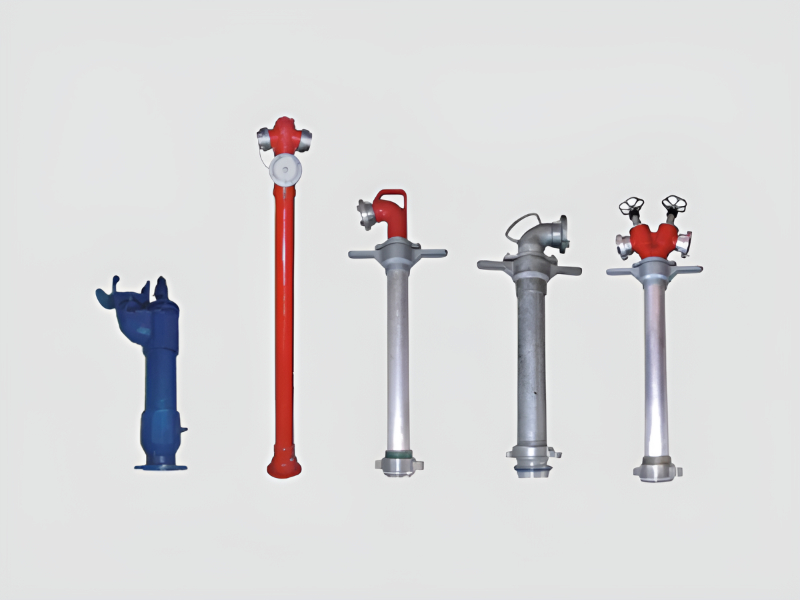
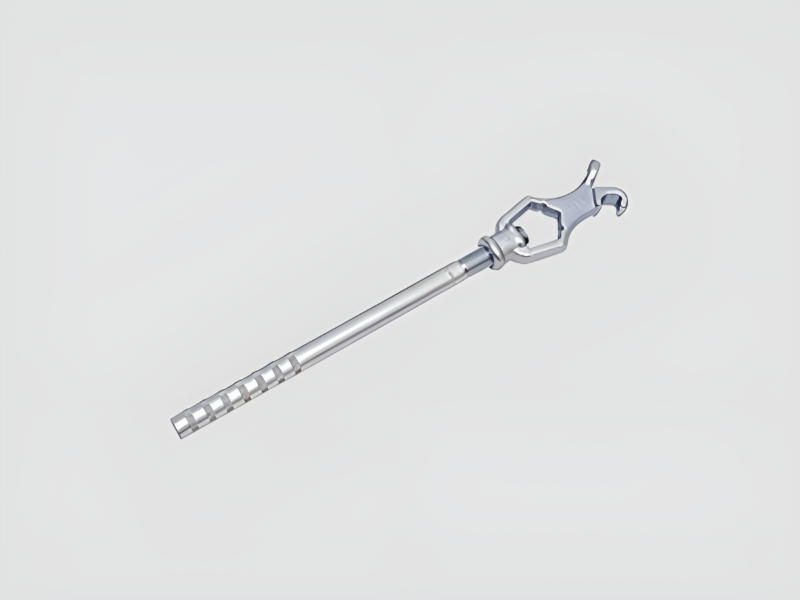
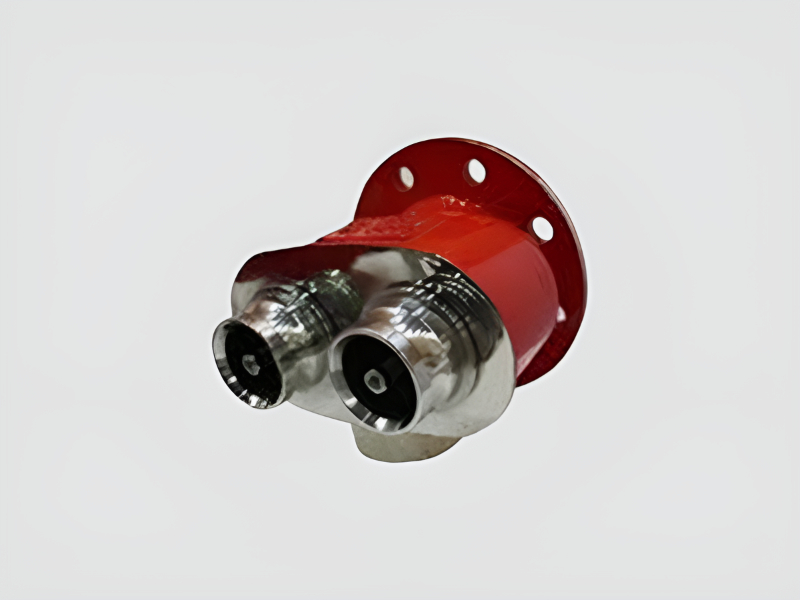
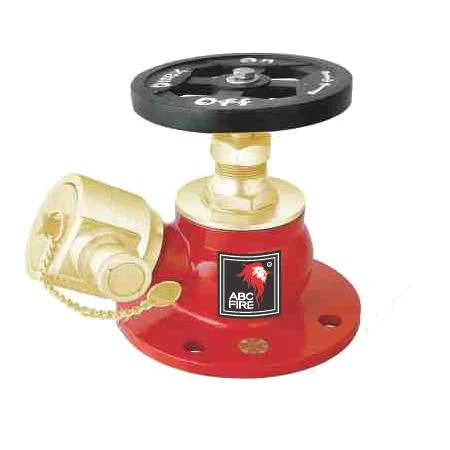
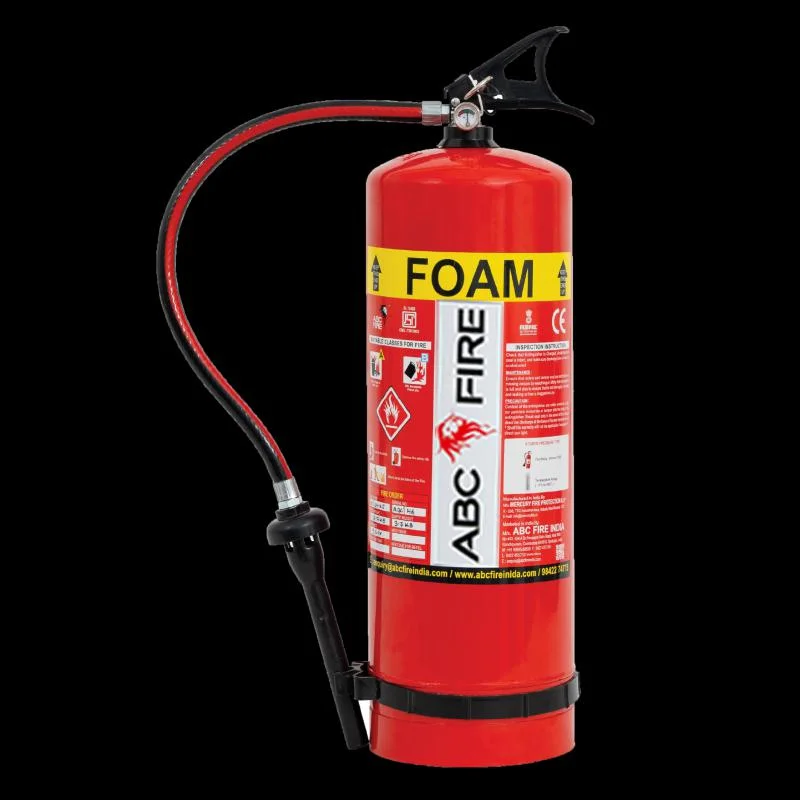
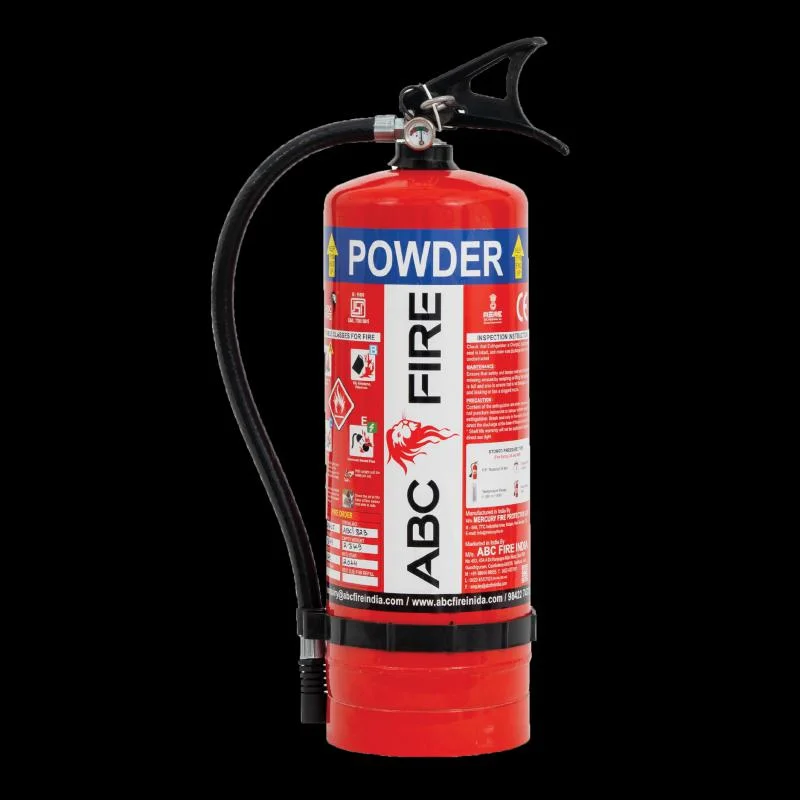
𝗪𝗵𝗮𝘁 𝗮𝗿𝗲 𝗙𝗶𝗿𝗲 𝗦𝗮𝗳𝗲𝘁𝘆 & 𝗦𝗲𝗰𝘂𝗿𝗶𝘁𝘆 𝗦𝘆𝘀𝘁𝗲𝗺𝘀?
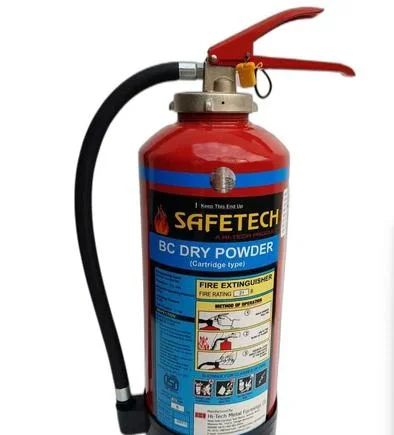
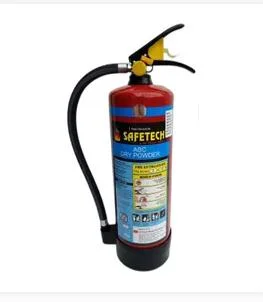
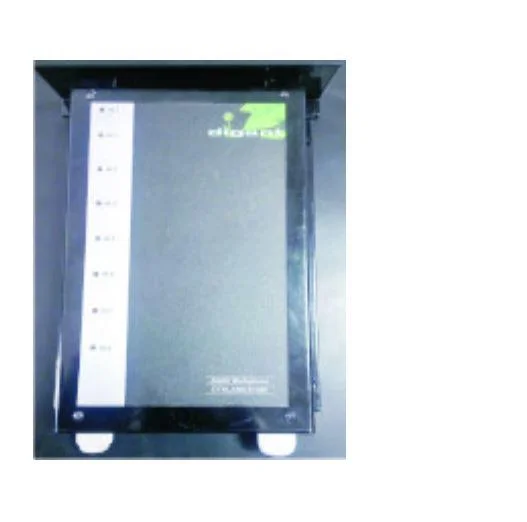
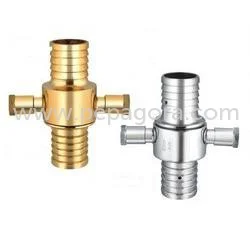
Fire Safety and Security Systems are essential technologies designed to protect people, property, and assets from fire hazards and security threats. These systems encompass a wide range of equipment and solutions, including fire alarms, smoke detectors, fire extinguishing systems, and surveillance cameras. Their primary function is to detect, notify, and mitigate risks associated with fire and unauthorized access.
These systems are critical in various business applications, particularly in industries such as manufacturing, healthcare, and commercial real estate. They help ensure compliance with safety regulations, protect human life, and minimize property damage. The integration of advanced monitoring technologies and real-time alerts enhances their effectiveness, making them indispensable in today's safety-conscious environment. With increasing emphasis on workplace safety, the demand for fire safety and security systems continues to rise across multiple sectors.
𝗞𝗲𝘆 𝗙𝗲𝗮𝘁𝘂𝗿𝗲𝘀 𝗮𝗻𝗱 𝗦𝗽𝗲𝗰𝗶𝗳𝗶𝗰𝗮𝘁𝗶𝗼𝗻𝘀
Fire Safety and Security Systems are characterized by a variety of features that enhance their functionality and reliability. Understanding these specifications is crucial for businesses looking to implement effective safety measures.
Key specifications include:
1. Fire Detection Systems
- Utilize smoke, heat, and flame sensors to identify fire hazards.
- Can operate within a temperature range of 0°C to 50°C.
2. Alarm Systems
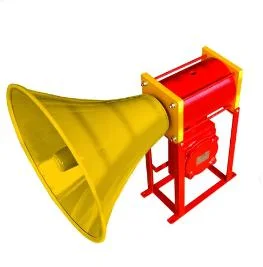
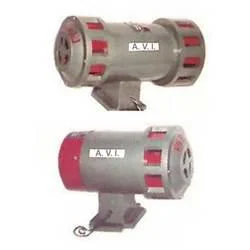
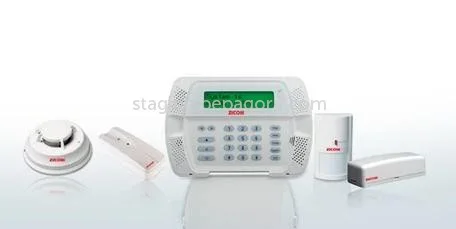
- Provide immediate alerts through audible alarms and visual indicators.
- Capable of connecting to a central monitoring system for real-time updates.
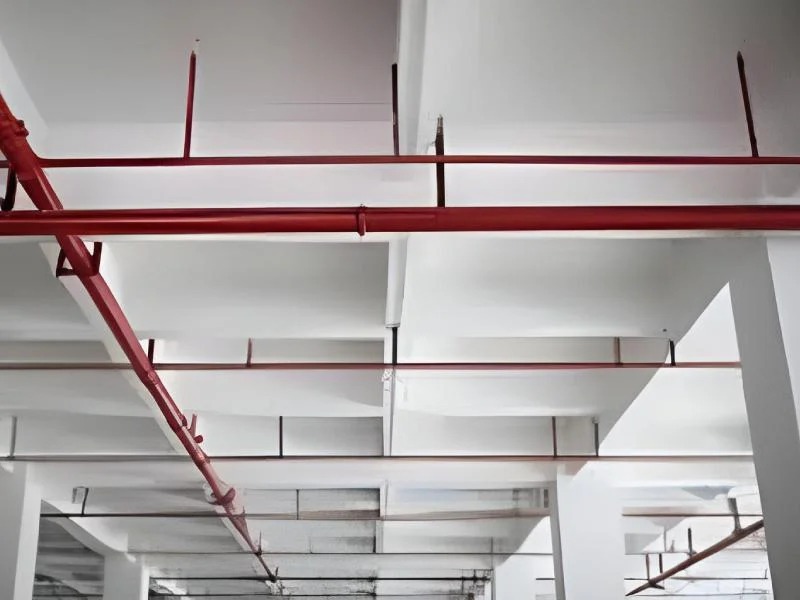
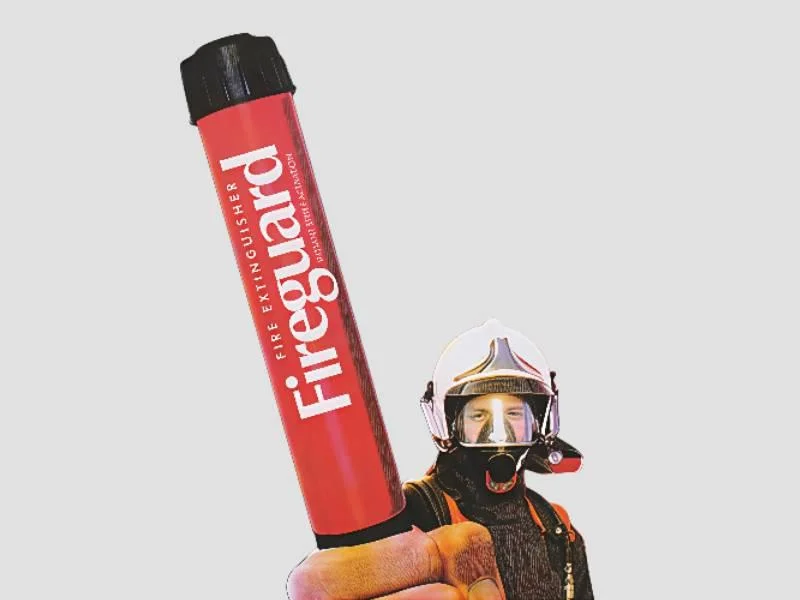
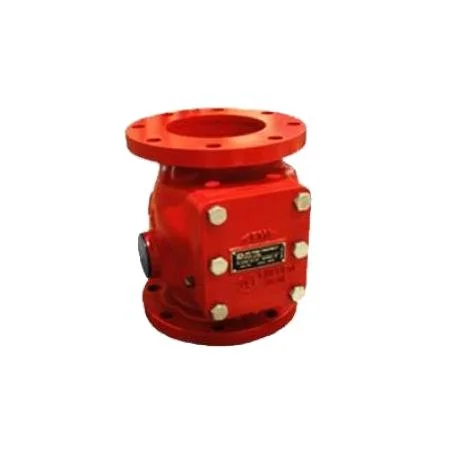
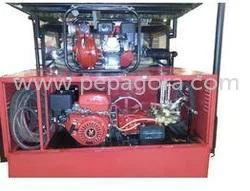
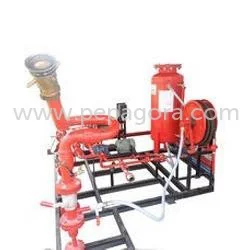
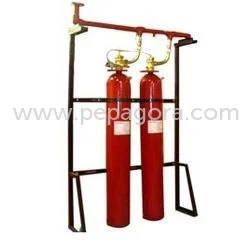
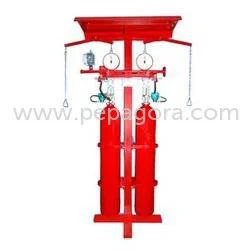
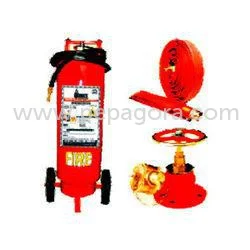
3. Fire Suppression Systems
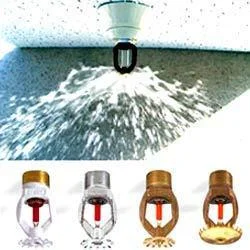
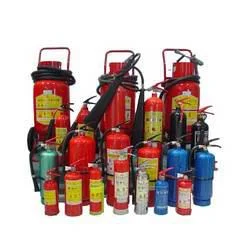
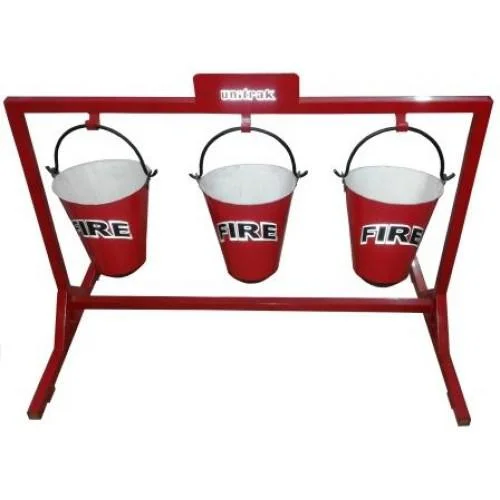
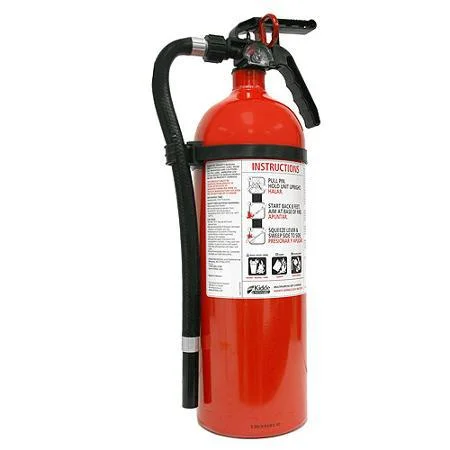
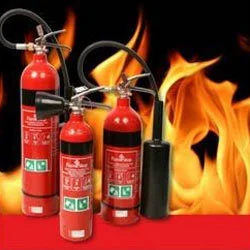
- Employ various agents such as water, foam, or gas to extinguish fires.
- Designed for automatic activation upon detection of fire.
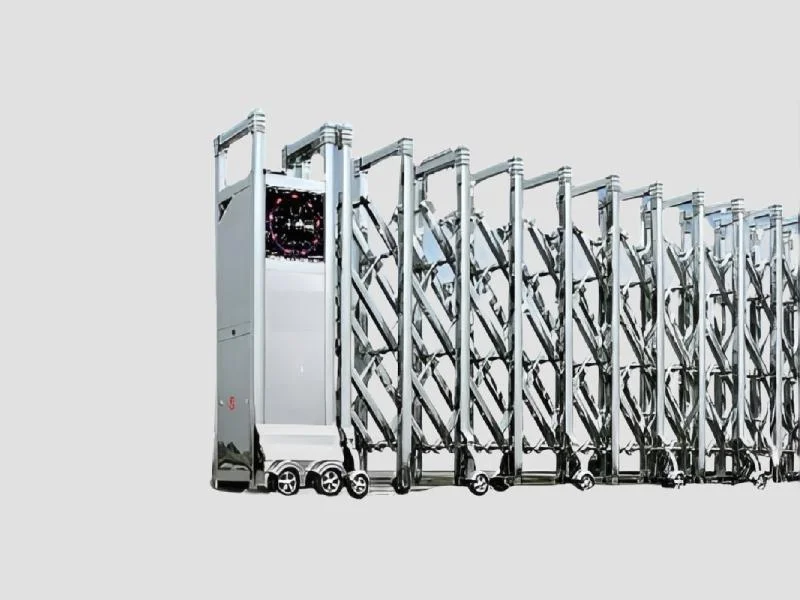
4. Access Control Systems
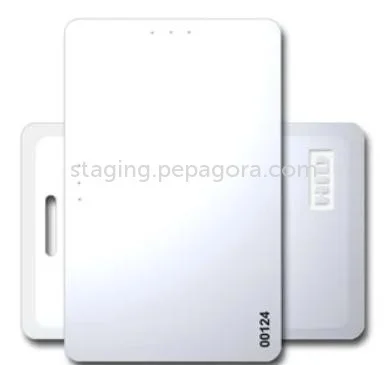
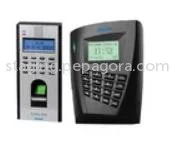
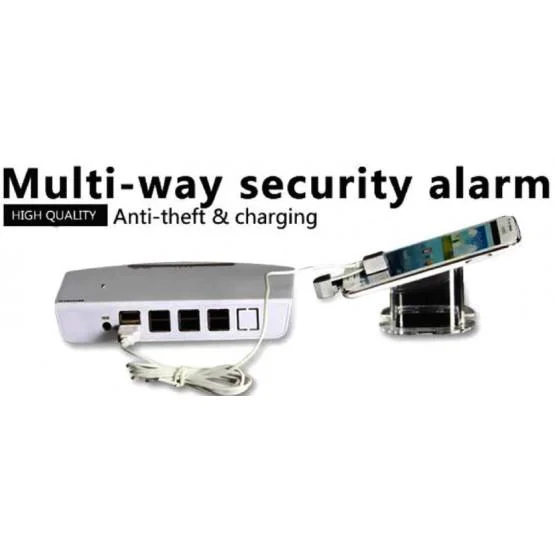
- Restrict unauthorized entry through card readers, biometric scanners, or keypads.
- Can integrate with existing security infrastructures for enhanced protection.
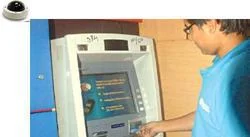
5. Video Surveillance Systems
- Utilize high-definition cameras for monitoring premises.
- Feature night vision capabilities and remote access.
6. Central Monitoring Stations
- Provide 24/7 oversight of fire and security systems.
- Include trained personnel to respond to alerts and manage emergencies.
7. Compliance with Standards
- Designed to meet national and international safety codes and regulations.
- Regularly tested to ensure reliability and effectiveness.
8. User-Friendly Interfaces
- Include intuitive control panels and mobile applications for ease of use.
- Allow for quick adjustments and monitoring of system status.
In summary, the key features and specifications of Fire Safety and Security Systems play a vital role in ensuring safety and compliance across various industries.
𝗖𝗼𝗺𝗺𝗼𝗻 𝗔𝗽𝗽𝗹𝗶𝗰𝗮𝘁𝗶𝗼𝗻𝘀 𝗮𝗻𝗱 𝗨𝘀𝗲 𝗖𝗮𝘀𝗲𝘀
Fire Safety and Security Systems are utilized across numerous industries, each with specific applications tailored to their unique environments.
1. Manufacturing: These systems are essential in factories where flammable materials are present. They help detect fires early and ensure the safety of workers and equipment.
2. Healthcare: Hospitals and clinics require robust fire safety systems to protect patients and staff. These systems ensure quick evacuation during emergencies.
3. Commercial Real Estate: Office buildings integrate advanced security systems to monitor access points and provide a safe working environment for employees.
4. Retail: Stores utilize surveillance systems to prevent theft and ensure customer safety, while fire alarms protect against fire outbreaks.
5. Hospitality: Hotels and restaurants implement comprehensive fire safety protocols to safeguard guests and comply with safety regulations.
6. Education: Schools and universities require fire safety systems to protect students and staff, providing clear evacuation routes during emergencies.
7. Transportation: Airports and transit stations need security systems to monitor passenger areas and ensure safe travel experiences.
𝗣𝗿𝗼𝗱𝘂𝗰𝘁 𝗩𝗮𝗿𝗶𝗮𝗻𝘁𝘀 𝗮𝗻𝗱 𝗦𝘂𝗯𝗰𝗮𝘁𝗲𝗴𝗼𝗿𝗶𝗲𝘀
Fire Safety and Security Systems are diverse, catering to various needs and preferences.
Fire Alarm Systems
These systems include smoke detectors and alarms that provide early warning signals in case of fire. They can be customized to meet specific facility requirements and integrated with other safety systems.
Access Control Systems
These systems regulate entry points, allowing only authorized personnel to access sensitive areas. They feature advanced technology such as biometric scanners and card readers.
Video Surveillance Systems
High-definition cameras are used in these systems for continuous monitoring of premises. They often come with features such as motion detection and remote viewing capabilities.
𝗕𝗲𝗻𝗲𝗳𝗶𝘁𝘀 𝗮𝗻𝗱 𝗔𝗱𝘃𝗮𝗻𝘁𝗮𝗴𝗲𝘀
Investing in Fire Safety and Security Systems offers numerous advantages for businesses.
1. Enhanced Safety: These systems significantly reduce the risk of injury or loss of life during emergencies by providing early detection and alerts.
2. Property Protection: Effective fire and security systems minimize damage to property and assets, reducing potential financial losses.
3. Regulatory Compliance: Businesses can meet safety regulations and standards, avoiding fines and legal issues associated with non-compliance.
4. Increased Peace of Mind: Knowing that robust safety measures are in place allows employees and stakeholders to feel secure in their environment.
5. Insurance Benefits: Companies may receive lower insurance premiums for implementing proven safety systems, further enhancing cost savings.
6. Improved Response Times: Automated systems allow for quicker responses to emergencies, leading to better outcomes in critical situations.
𝗕𝘂𝘆𝗶𝗻𝗴 𝗚𝘂𝗶𝗱𝗲 𝗳𝗼𝗿 𝗕𝟮𝗕 𝗕𝘂𝘆𝗲𝗿𝘀
When sourcing Fire Safety and Security Systems, several key factors should be considered to ensure effective purchasing decisions.
1. Quality Assessment: Evaluate the materials and technology used in the systems to ensure durability and reliability. Look for certifications that guarantee adherence to safety standards.
2. Supplier Verification: Research potential suppliers to confirm their reputation and reliability. Check for reviews and previous customer experiences to ensure they are trustworthy.
3. Pricing and MOQ: Consider the price range of different systems, along with the minimum order quantities required by suppliers. Ensure that the pricing aligns with your budget while meeting quality standards.
4. Delivery and Lead Times: Discuss logistics with suppliers to understand delivery capabilities and lead times. Timely delivery is crucial for project planning and implementation.
5. Compliance Requirements: Ensure that the systems meet all relevant safety regulations and industry standards to avoid legal complications and enhance operational safety.
𝗖𝗼𝗺𝗽𝗹𝗶𝗮𝗻𝗰𝗲 𝗮𝗻𝗱 𝗖𝗲𝗿𝘁𝗶𝗳𝗶𝗰𝗮𝘁𝗶𝗼𝗻𝘀
Compliance is critical for Fire Safety and Security Systems, ensuring they meet established safety standards. Relevant quality standards include ISO 9001 for quality management systems, which emphasizes continuous improvement and customer satisfaction. Additionally, HACCP standards may apply in industries requiring food safety measures.
Industry certifications like CE indicate compliance with European safety requirements, ensuring that products have been tested and verified for quality and safety.
Safety and testing requirements are essential to guarantee that systems perform as intended during emergencies. Regular inspections and maintenance are necessary to uphold these standards.
Regional compliance considerations should also be taken into account, as regulations may vary significantly across different regions and countries. Businesses must stay informed of local laws and requirements to ensure full compliance.
𝗪𝗵𝘆 𝗦𝗼𝘂𝗿𝗰𝗲 𝗙𝗶𝗿𝗲 𝗦𝗮𝗳𝗲𝘁𝘆 & 𝗦𝗲𝗰𝘂𝗿𝗶𝘁𝘆 𝗦𝘆𝘀𝘁𝗲𝗺𝘀 𝗳𝗿𝗼𝗺 𝗣𝗲𝗽𝗮𝗴𝗼𝗿𝗮?
Pepagora stands out as a trusted platform for sourcing Fire Safety and Security Systems, offering various advantages to B2B buyers.
Verified Supplier Network: Pepagora ensures that all suppliers are thoroughly vetted, providing buyers with confidence in their purchasing decisions. This verification process helps mitigate risks associated with procurement.
Streamlined RFQ Process: The platform simplifies the request for quotation process, enabling buyers to receive competitive pricing from multiple suppliers quickly. This efficiency saves time and aids in making informed decisions.
Trade Assurance and Support: Pepagora offers trade assurance, protecting buyers from potential issues during transactions. The platform provides support throughout the purchasing process, ensuring a smooth experience.
Regional Coverage: With a broad geographical reach across India, the GCC, and Southeast Asia, Pepagora connects buyers with suppliers in various regions, facilitating access to quality Fire Safety and Security Systems tailored to local needs.

 IN
IN