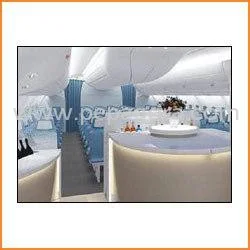
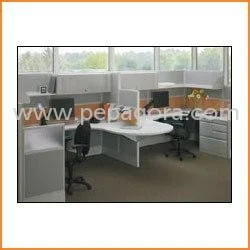
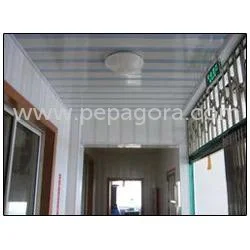
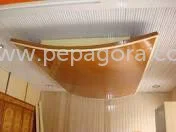
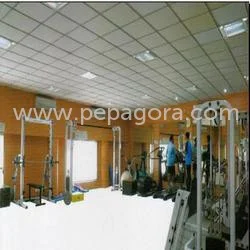
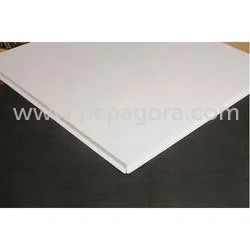
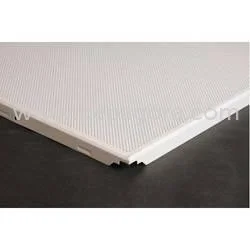
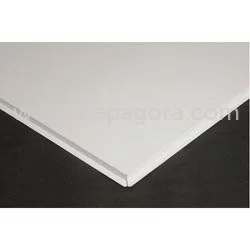
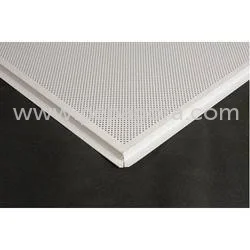
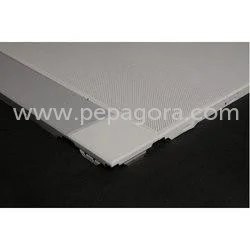
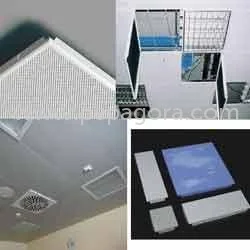
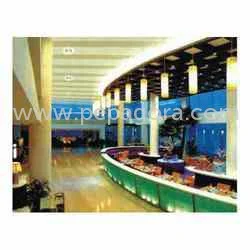
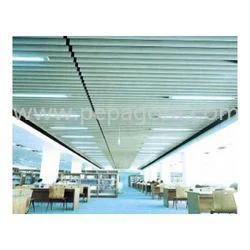
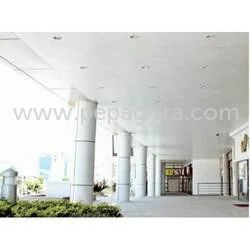
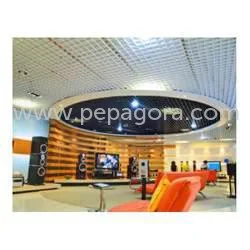
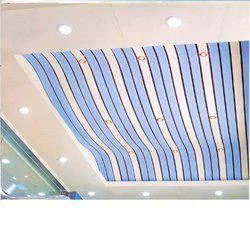
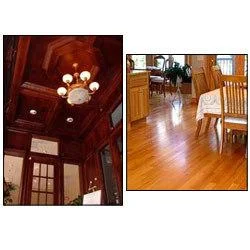
𝗪𝗵𝗮𝘁 𝗮𝗿𝗲 𝗙𝗮𝗹𝘀𝗲 𝗖𝗲𝗶𝗹𝗶𝗻𝗴𝘀 & 𝗣𝗮𝗿𝘁𝗶𝘁𝗶𝗼𝗻𝘀?
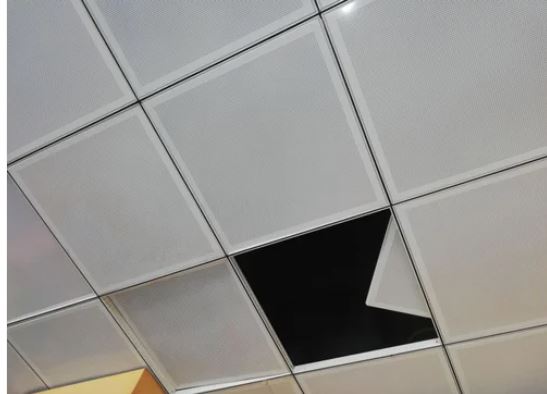
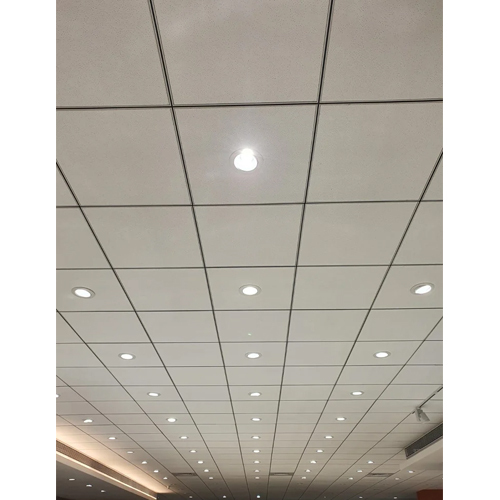
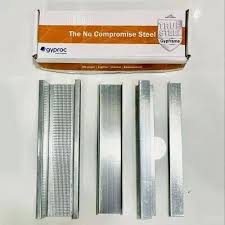
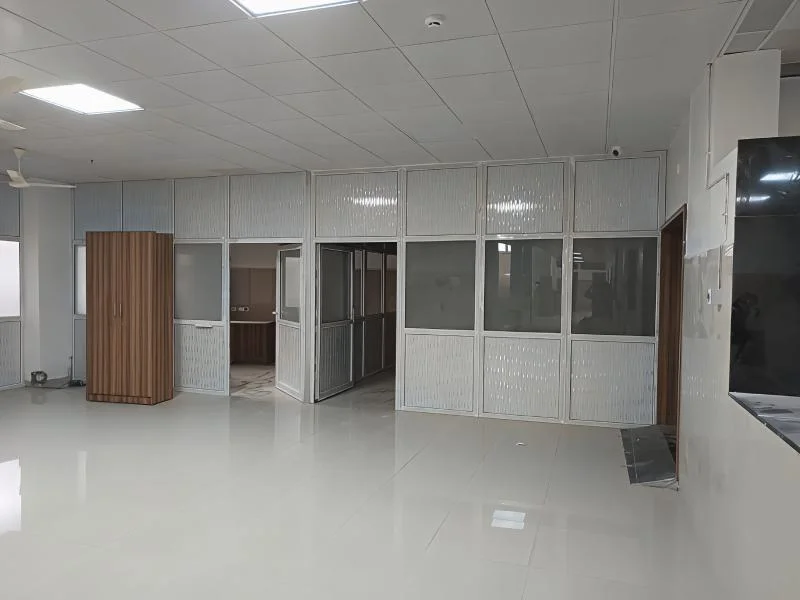
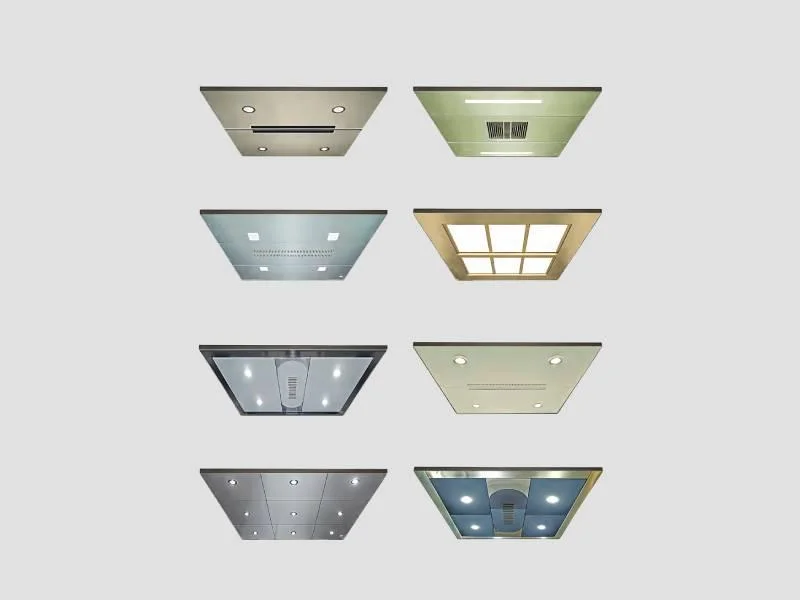
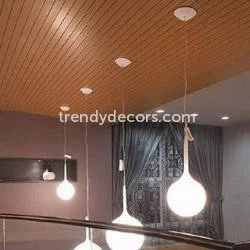
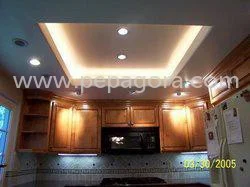
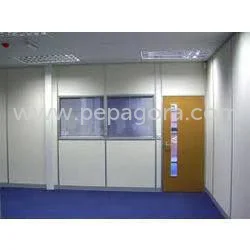
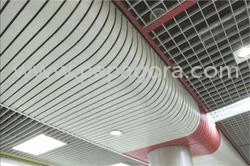
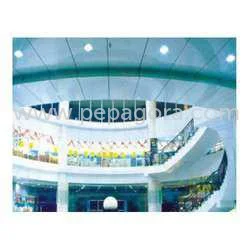
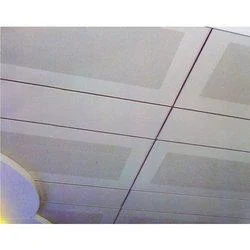
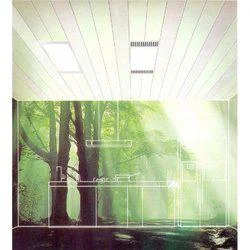
False ceilings and partitions are architectural elements used to create distinct areas within a space while offering various functional benefits. A false ceiling, also known as a suspended ceiling, is a secondary ceiling hung below the main ceiling, often used to conceal wiring, ducts, and pipes. Partitions are interior walls that divide larger spaces into smaller areas, providing privacy and improving acoustics.
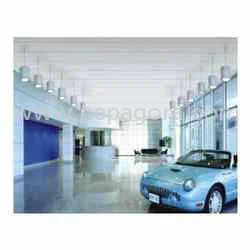
These products are commonly utilized in commercial and industrial settings, such as offices, retail spaces, and manufacturing facilities. They help in optimizing space usage, enhancing aesthetics, and improving sound insulation. False ceilings and partitions play a crucial role in modern construction and interior design, offering versatility in layout and functionality. As businesses seek to create efficient and visually appealing environments, the demand for these products continues to grow across various industries.
𝗞𝗲𝘆 𝗙𝗲𝗮𝘁𝘂𝗿𝗲𝘀 𝗮𝗻𝗱 𝗦𝗽𝗲𝗰𝗶𝗳𝗶𝗰𝗮𝘁𝗶𝗼𝗻𝘀
False ceilings and partitions come with a range of features and specifications that cater to diverse needs. These specifications ensure that the products meet industry standards and performance requirements, making them suitable for various applications.
Key specifications include:
1. Material Composition
- Common materials include gypsum, mineral fiber, metal, and PVC.
- Each material offers unique properties in terms of durability and aesthetics.
2. Acoustic Performance
- Sound absorption ratings typically range from 0.4 to 0.9.
- Higher ratings indicate better sound insulation capabilities.
3. Fire Resistance
- Fire ratings can vary from non-combustible to Class A.
- Important for meeting safety regulations in commercial spaces.
4. Moisture Resistance
- Certain products are designed to withstand high humidity levels.
- Ideal for environments like bathrooms and kitchens.
5. Load-Bearing Capacity
- Specifications may indicate the maximum weight the ceiling can support.
- Critical for installations involving heavy fixtures.
6. Aesthetic Options
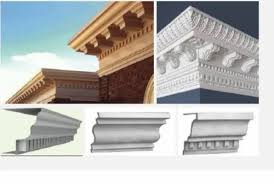
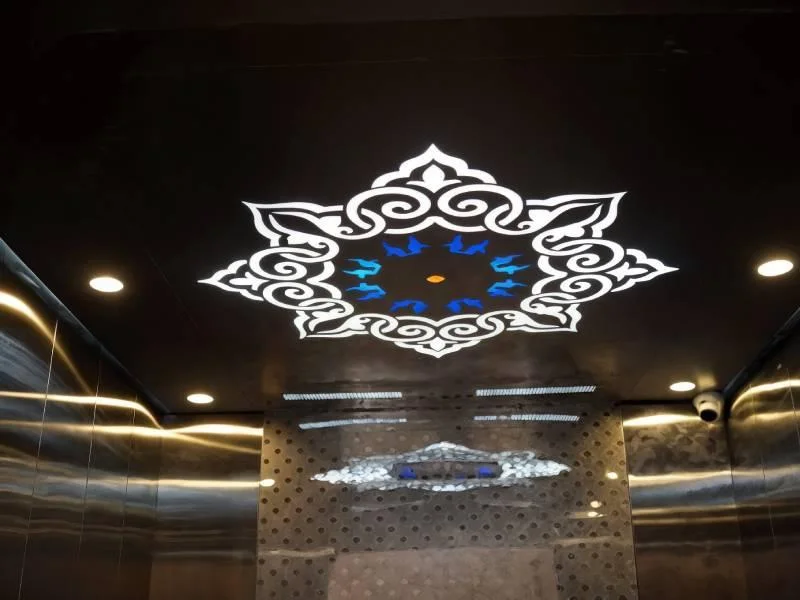
- Available in various designs, colors, and textures.
- Allows customization to match interior design themes.
7. Installation Method
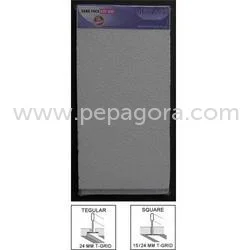
- Can be installed using various systems, including grid and direct attachment.
- Influences labor costs and installation time.
In summary, understanding these specifications helps buyers select the right false ceilings and partitions for their specific needs, ensuring compliance with industry standards and achieving desired functionality.
𝗖𝗼𝗺𝗺𝗼𝗻 𝗔𝗽𝗽𝗹𝗶𝗰𝗮𝘁𝗶𝗼𝗻𝘀 𝗮𝗻𝗱 𝗨𝘀𝗲 𝗖𝗮𝘀𝗲𝘀
False ceilings and partitions serve various industries, providing tailored solutions for different environments.
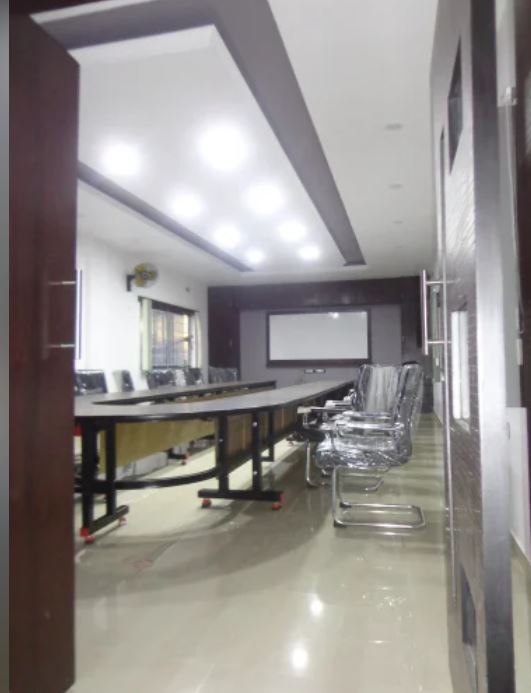
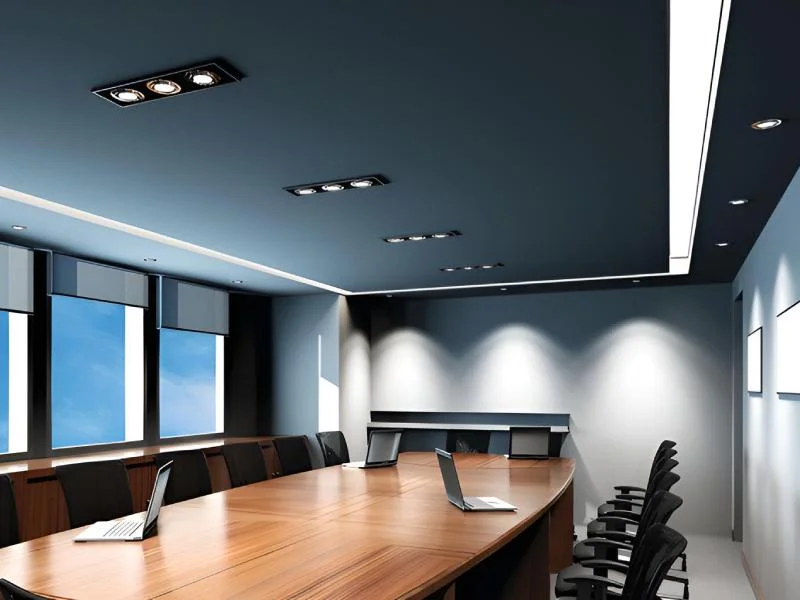
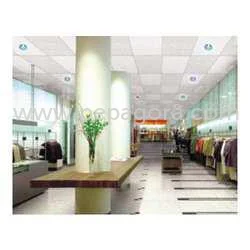
1. Office Spaces: False ceilings enhance the aesthetics of office environments while improving acoustics, making them ideal for conference rooms and open-plan areas.
2. Retail Stores: Partitions can create distinct shopping areas, optimizing space usage and enhancing customer experience through effective layout design.
3. Hospitality Industry: Hotels and restaurants use false ceilings to create inviting atmospheres while also hiding mechanical systems from view.
4. Healthcare Facilities: False ceilings contribute to sound attenuation and cleanliness, making them suitable for hospitals and clinics.
5. Educational Institutions: Classrooms benefit from partitions that create flexible learning spaces and false ceilings that reduce noise levels.
6. Manufacturing Plants: Partitions help in organizing workflow, while false ceilings can improve lighting efficiency and energy savings.
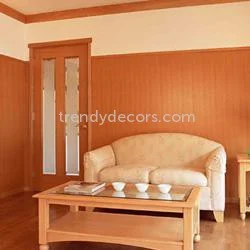
7. Residential Buildings: Homeowners often use false ceilings for aesthetic purposes and to conceal wiring, while partitions create privacy in open-plan living spaces.
𝗣𝗿𝗼𝗱𝘂𝗰𝘁 𝗩𝗮𝗿𝗶𝗮𝗻𝘁𝘀 𝗮𝗻𝗱 𝗦𝘂𝗯𝗰𝗮𝘁𝗲𝗴𝗼𝗿𝗶𝗲𝘀
False ceilings and partitions offer diverse options to cater to specific needs and preferences.
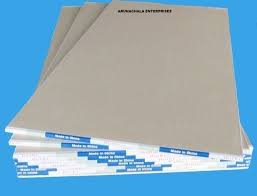
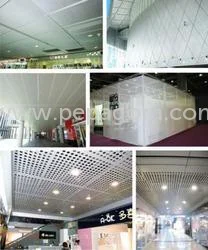
Gypsum False Ceilings: This variant is popular for its lightweight nature and ease of installation. Gypsum ceilings offer excellent fire resistance and can be customized in various shapes and designs.
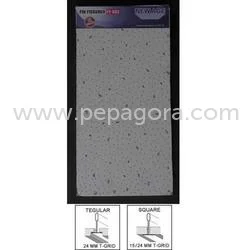
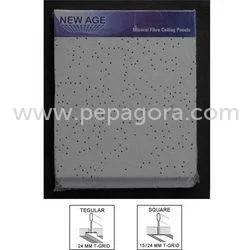
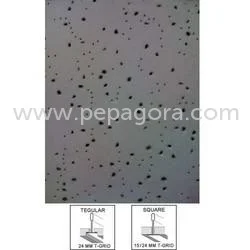
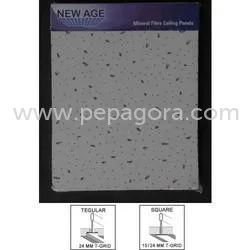
Mineral Fiber Ceilings: Known for their acoustic performance, these ceilings are ideal for spaces requiring sound control. Mineral fiber is also resistant to moisture, making it suitable for humid environments.
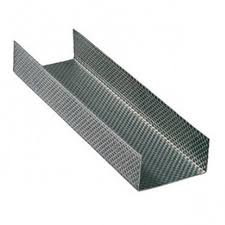
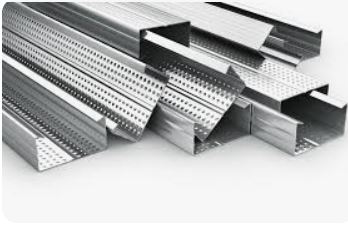
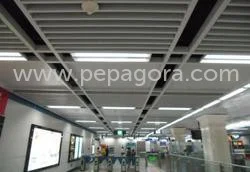
Metal Ceilings: Metal ceilings provide a modern aesthetic and are highly durable. They are often used in commercial buildings for their sleek look and ease of maintenance.
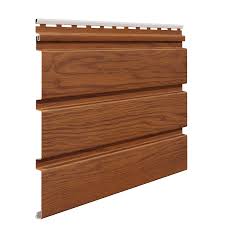
PVC Partitions: Lightweight and moisture-resistant, PVC partitions are an excellent choice for areas exposed to high humidity, such as bathrooms and kitchens.
Glass Partitions: These offer a contemporary look while allowing natural light to flow between spaces. Glass partitions are often used in office settings to create open yet defined work areas.
𝗕𝗲𝗻𝗲𝗳𝗶𝘁𝘀 𝗮𝗻𝗱 𝗔𝗱𝘃𝗮𝗻𝘁𝗮𝗴𝗲𝘀
Choosing false ceilings and partitions comes with several strategic benefits.
1. Space Optimization: These products allow for flexible space management, enabling businesses to adapt their environments according to needs.
2. Improved Acoustics: False ceilings and partitions can significantly reduce noise levels, creating quieter and more productive workspaces.
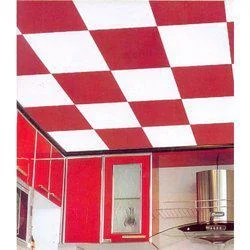
3. Enhanced Aesthetics: Available in various styles, these products enhance the visual appeal of a space, making it more inviting.
4. Energy Efficiency: False ceilings can improve insulation, leading to lower energy costs by maintaining temperature levels more effectively.
5. Easy Maintenance: Many materials used in false ceilings and partitions are easy to clean and maintain, reducing long-term upkeep costs.
6. Safety Compliance: With proper specifications, these products can meet fire and safety regulations, ensuring a secure environment.
𝗕𝘂𝘆𝗶𝗻𝗴 𝗚𝘂𝗶𝗱𝗲 𝗳𝗼𝗿 𝗕𝟮𝗕 𝗕𝘂𝘆𝗲𝗿𝘀
When sourcing false ceilings and partitions, several factors should be taken into consideration for a successful purchase.
1. Quality Assessment: Ensure that products meet relevant quality standards. Consider certifications that indicate reliability and safety.
2. Supplier Verification: Vet potential suppliers to confirm their reputation and reliability in delivering high-quality products.
3. Pricing and MOQ: Evaluate the pricing structures and minimum order quantities to align with budget constraints and project needs.
4. Delivery and Lead Times: Assess logistics capabilities to ensure timely delivery of products, which is crucial for project timelines.
5. Compliance Requirements: Confirm that products adhere to local regulations and standards to avoid compliance issues during installation.
𝗖𝗼𝗺𝗽𝗹𝗶𝗮𝗻𝗰𝗲 𝗮𝗻𝗱 𝗖𝗲𝗿𝘁𝗶𝗳𝗶𝗰𝗮𝘁𝗶𝗼𝗻𝘀
Compliance and certifications play a vital role in ensuring that false ceilings and partitions meet safety and quality standards. Relevant quality standards, such as ISO 9001, ensure consistent quality management in manufacturing processes.
Industry certifications like CE indicate that products conform to European safety and health standards, providing confidence in their reliability. Safety and testing requirements vary by region, and it is essential to ensure that products meet local compliance needs.
Additionally, buyers should be aware of regional considerations, as building codes and safety regulations can differ significantly. Understanding these factors helps in selecting compliant products that align with project requirements.
𝗪𝗵𝘆 𝗦𝗼𝘂𝗿𝗰𝗲 𝗙𝗮𝗹𝘀𝗲 𝗖𝗲𝗶𝗹𝗶𝗻𝗴𝘀 & 𝗣𝗮𝗿𝘁𝗶𝘁𝗶𝗼𝗻𝘀 𝗳𝗿𝗼𝗺 𝗣𝗲𝗽𝗮𝗴𝗼𝗿𝗮?
Pepagora provides a trusted platform for sourcing false ceilings and partitions, offering several key advantages to B2B buyers.
Verified Supplier Network: Pepagora connects buyers with a network of verified suppliers, ensuring that products meet quality and safety standards. This verification process builds trust and reliability.
Streamlined RFQ Process: The platform simplifies the request for quotation process, allowing buyers to easily compare prices and specifications from multiple suppliers, saving time and effort.
Trade Assurance and Support: Pepagora offers buyer protection through trade assurance programs, giving buyers peace of mind in their transactions and ensuring that their investments are secure.
Regional Coverage: With a strong presence in markets like India, GCC, and Southeast Asia, Pepagora facilitates access to a wide range of suppliers and products, catering to diverse business needs across various regions.

 IN
IN