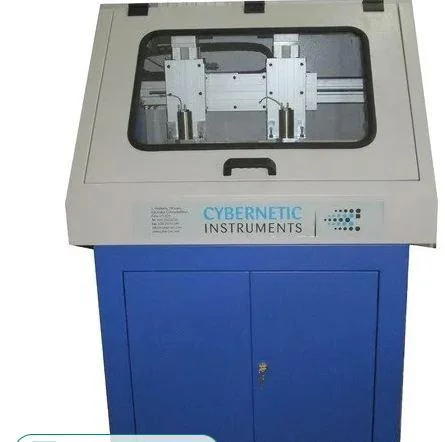
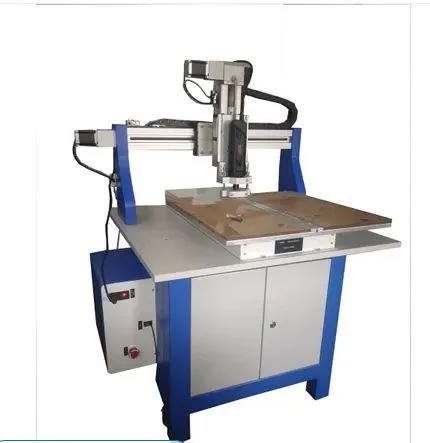
𝗪𝗵𝗮𝘁 𝗮𝗿𝗲 𝗗𝗿𝗶𝗹𝗹𝗶𝗻𝗴 𝗠𝗮𝗰𝗵𝗶𝗻𝗲𝘀?
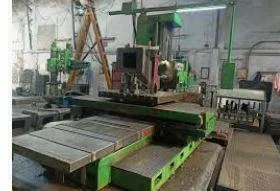
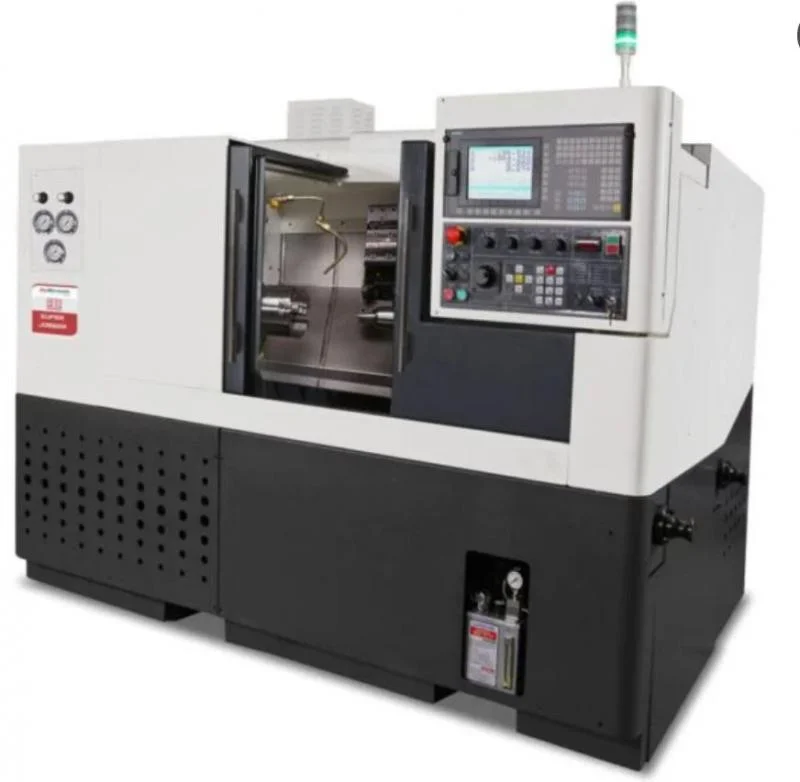
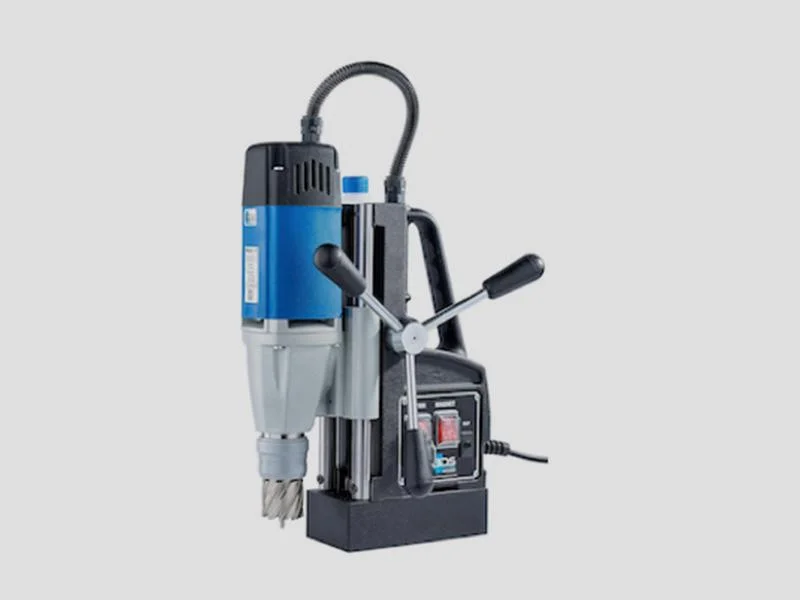
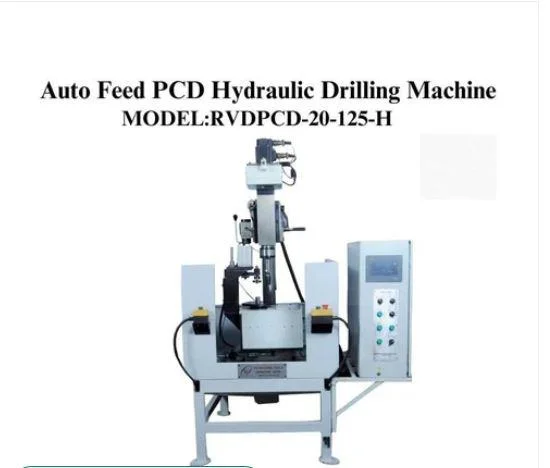
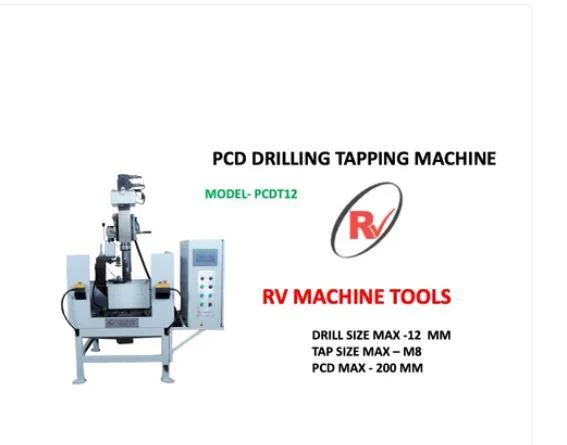
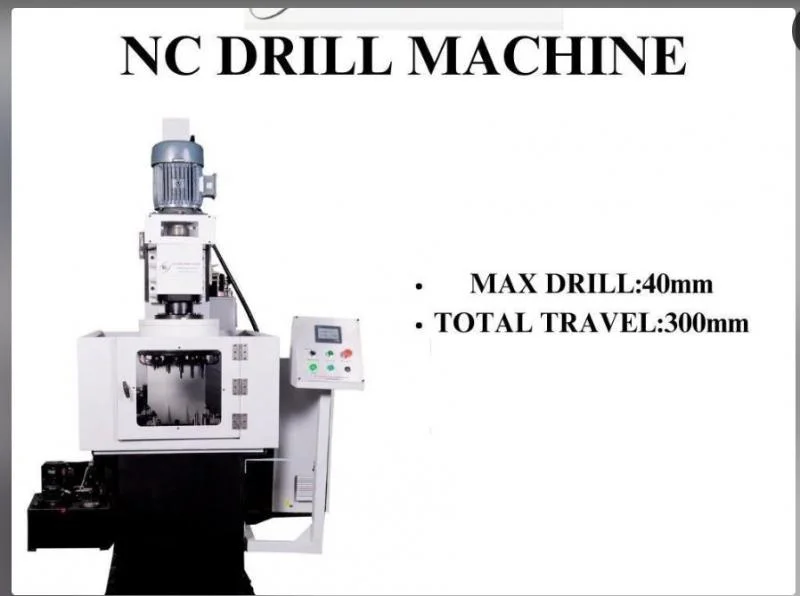
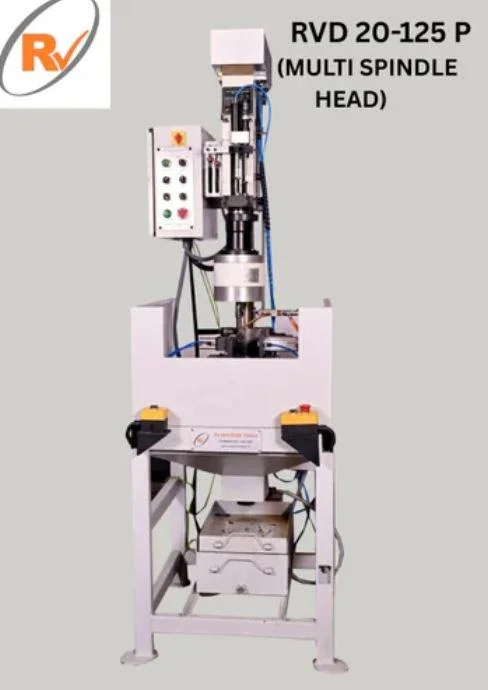
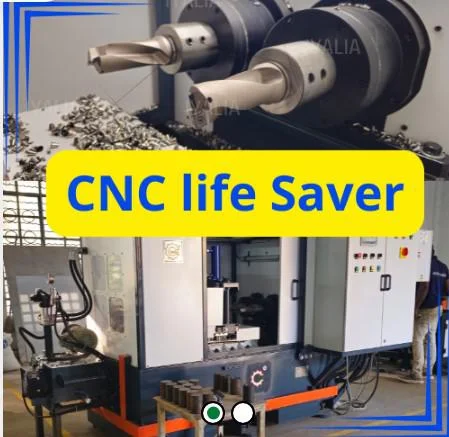
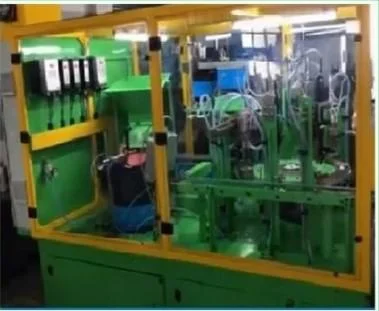
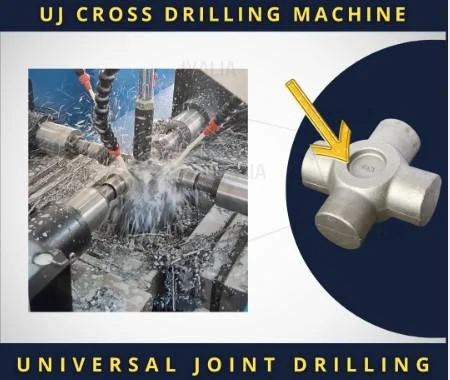
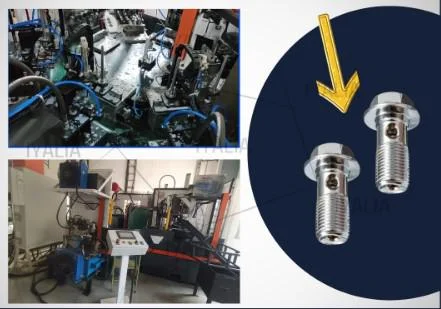
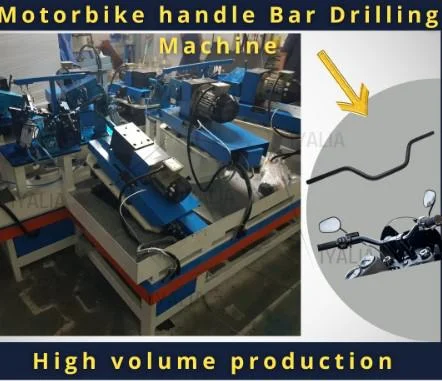
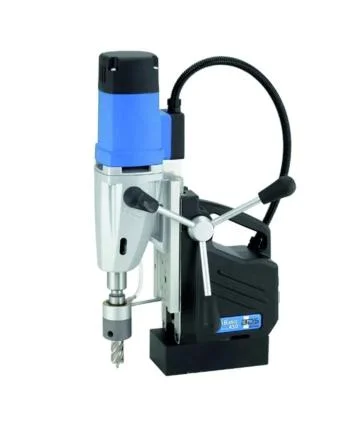
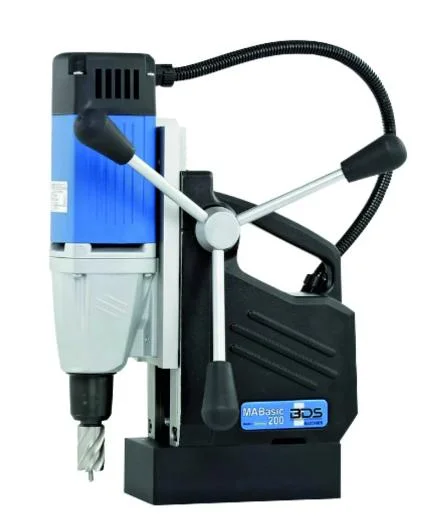
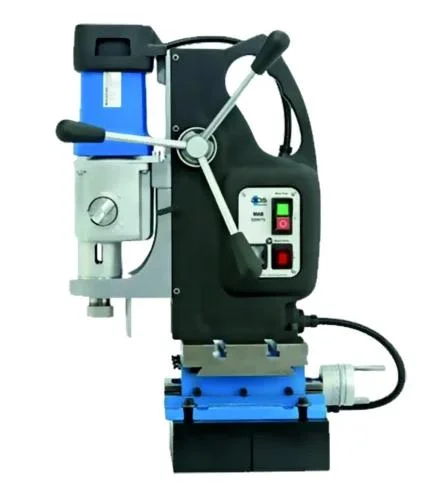
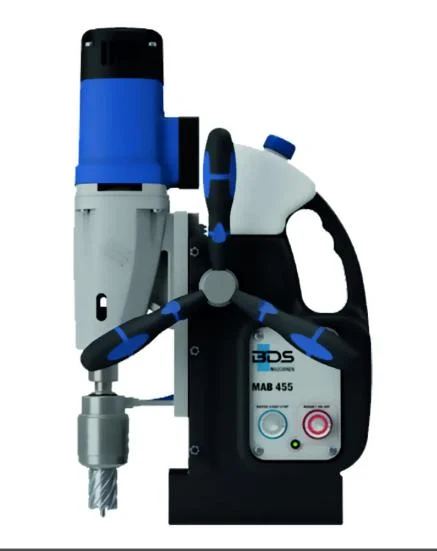
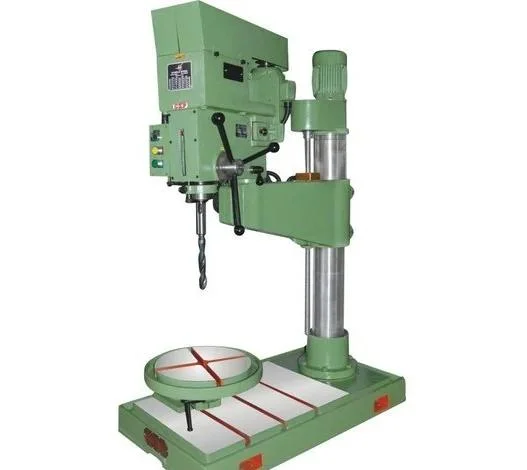
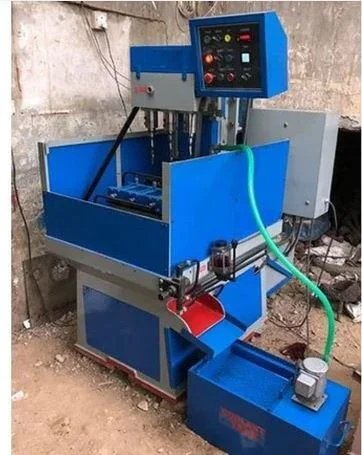
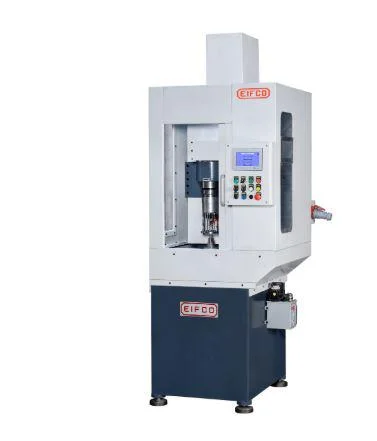
Drilling machines are essential tools used to create holes in various materials such as metal, wood, plastic, and concrete. These machines utilize rotating cutting tools to penetrate materials, enabling the formation of precise holes for various purposes. The technology behind drilling machines can range from simple manual devices to advanced computer numerically controlled (CNC) systems that allow for high precision and automation in large-scale production settings.
The primary uses of drilling machines include manufacturing, construction, and maintenance operations across a variety of industries. In manufacturing, they are used for machining parts, assembly, and fabrication processes. In construction, drilling machines aid in creating holes for foundations, installations, and other structural needs. Their versatility makes them indispensable in sectors such as automotive, aerospace, and electronics, where precision and efficiency are paramount. As industries continue to advance technologically, drilling machines are increasingly integrated with features that enhance productivity and accuracy, ensuring their relevance in today’s market.
𝗞𝗲𝘆 𝗙𝗲𝗮𝘁𝘂𝗿𝗲𝘀 𝗮𝗻𝗱 𝗦𝗽𝗲𝗰𝗶𝗳𝗶𝗰𝗮𝘁𝗶𝗼𝗻𝘀
Drilling machines come equipped with numerous features that enhance their performance and usability. Understanding these specifications is crucial for businesses looking to invest in the right equipment.
Key specifications include:
1. Spindle Speed
- This refers to the rotational speed of the drill bit.
- Common ranges are between 50 to 4000 RPM, depending on the type of drilling machine.
2. Power Rating
- This indicates the machine's power supply, which affects its drilling capacity.
- Typically measured in horsepower (HP) or kilowatts (kW), with common ratings from 1 HP to 10 HP.
3. Drill Capacity
- This defines the maximum diameter of the hole that can be drilled.
- Ranges from small sizes (1 mm) to larger diameters (up to 100 mm or more).
4. Feed Rate
- This is the speed at which the drill advances into the material.
- Measured in millimeters per minute (mm/min), with variable settings for different materials.
5. Weight
- The weight can influence portability and stability during operation.
- Weights can vary significantly, with portable models around 30 kg and industrial models exceeding 500 kg.
6. Table Size
- This refers to the size of the platform that supports the workpiece during drilling.
- Sizes can range from 200 mm x 200 mm to over 1000 mm x 1000 mm.
7. Material Construction
- The build material affects durability and wear resistance.
- Common materials include cast iron and high-quality steel.
8. Safety Features
- Safety mechanisms such as emergency stops, guards, and automatic shut-off are essential for operator protection.
In conclusion, understanding these key features and specifications is vital for selecting the right drilling machine that meets specific operational needs.
𝗖𝗼𝗺𝗺𝗼𝗻 𝗔𝗽𝗽𝗹𝗶𝗰𝗮𝘁𝗶𝗼𝗻𝘀 𝗮𝗻𝗱 𝗨𝘀𝗲 𝗖𝗮𝘀𝗲𝘀
Drilling machines serve a multitude of industries, each with unique applications.
1. Manufacturing: In the manufacturing sector, drilling machines are used for producing intricate components for machinery and automotive parts. Their precision is critical in ensuring compatibility and functionality.
2. Construction: Drilling machines are prevalent in construction for creating holes in walls and foundations. They are essential for installing electrical wiring and plumbing.
3. Aerospace: In the aerospace industry, drilling machines are used to create lightweight and durable components. Precision is crucial for maintaining safety and performance standards.
4. Electronics: Drilling machines are utilized to create circuit boards and assemble electronic devices, where accuracy in hole placement is vital for device functionality.
5. Furniture Making: In the furniture industry, these machines are used to drill holes for assembly, ensuring that components fit together correctly.
6. Oil and Gas: Drilling machines are critical in the oil and gas sector for drilling wells and creating pathways for extraction.
7. Metalworking: In metalworking, drilling machines are used for machining parts precisely, which is essential for producing various metal products.
𝗣𝗿𝗼𝗱𝘂𝗰𝘁 𝗩𝗮𝗿𝗶𝗮𝗻𝘁𝘀 𝗮𝗻𝗱 𝗦𝘂𝗯𝗰𝗮𝘁𝗲𝗴𝗼𝗿𝗶𝗲𝘀
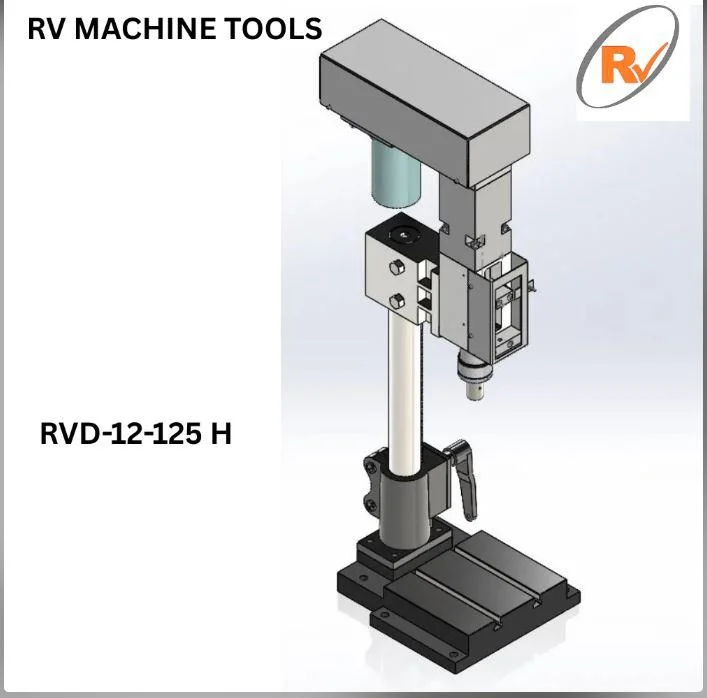
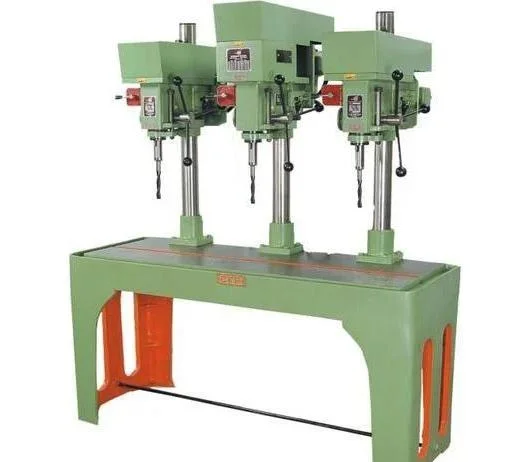
Drilling machines come in various types, each designed for specific applications and user needs.
Vertical Drilling Machine
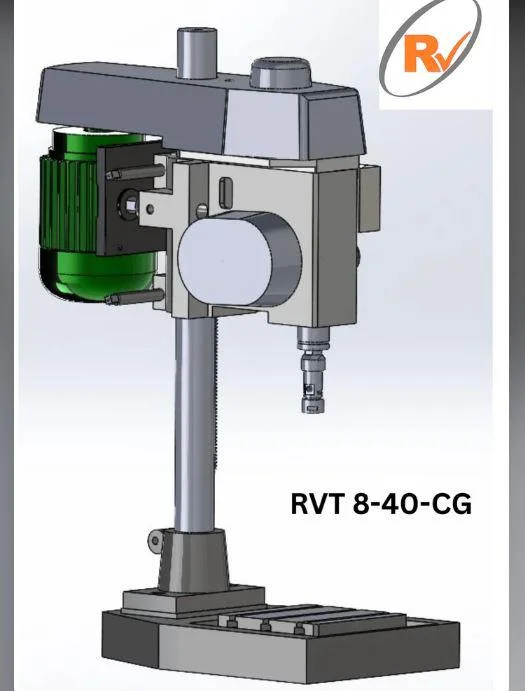
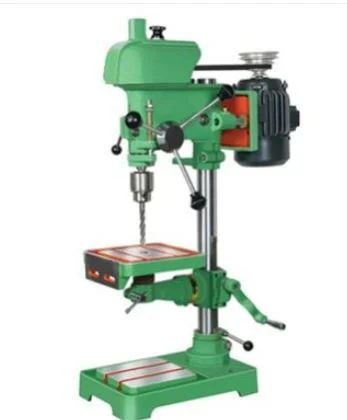
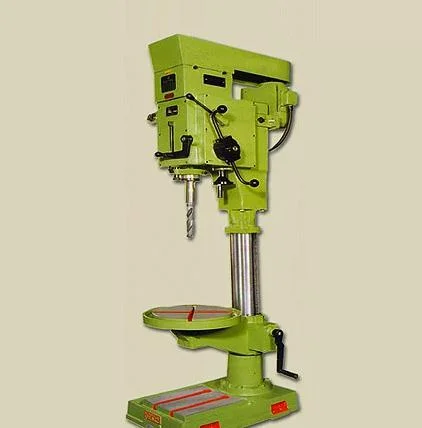
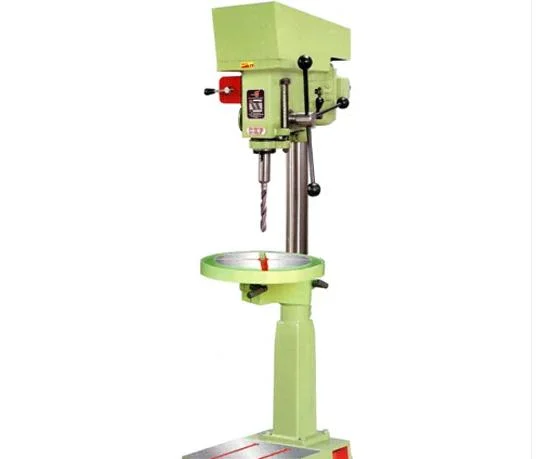
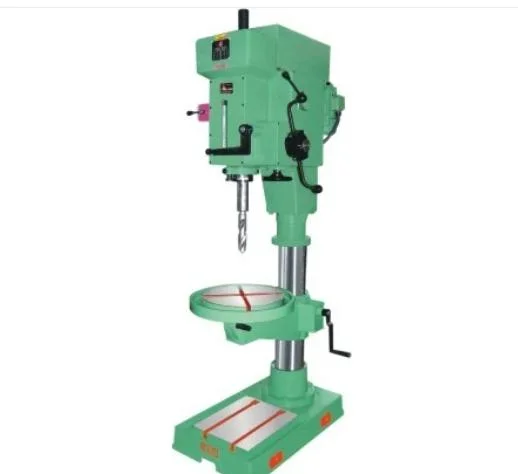
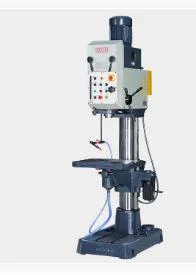
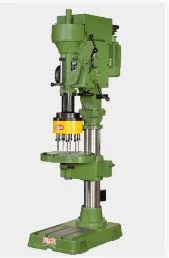
This variant is commonly used for drilling vertical holes in various materials. It is characterized by its stable structure and precision, making it ideal for manufacturing applications.
Radial Drilling Machine
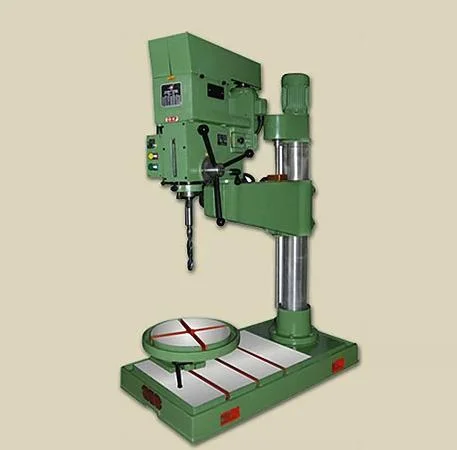
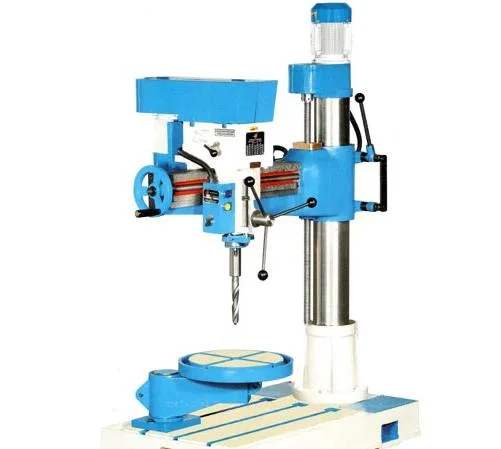
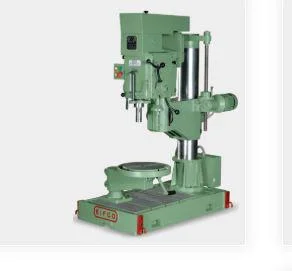
Known for its versatility, this variant allows for drilling at various angles and is suitable for larger workpieces. It features an adjustable arm that enhances its operational range.
Bench Drilling Machine
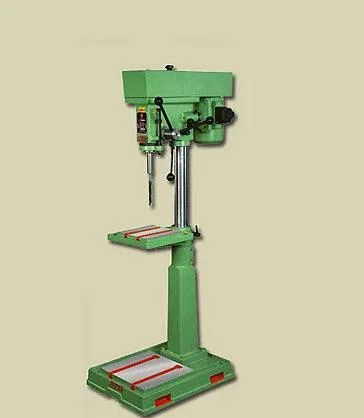
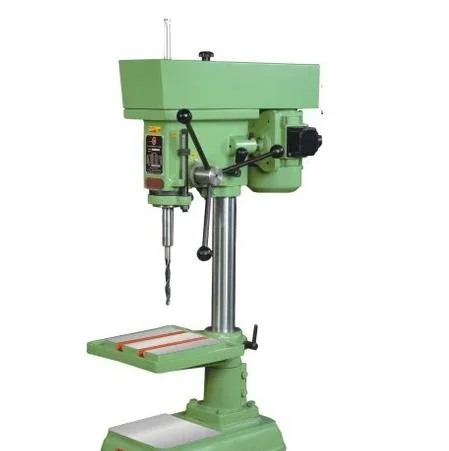
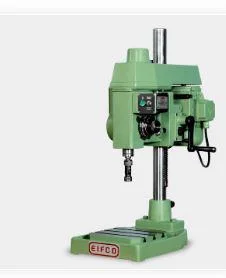
This compact variant is suitable for smaller drilling tasks and is often used in workshops. It is easy to operate and ideal for light-duty applications.
Portable Drilling Machine
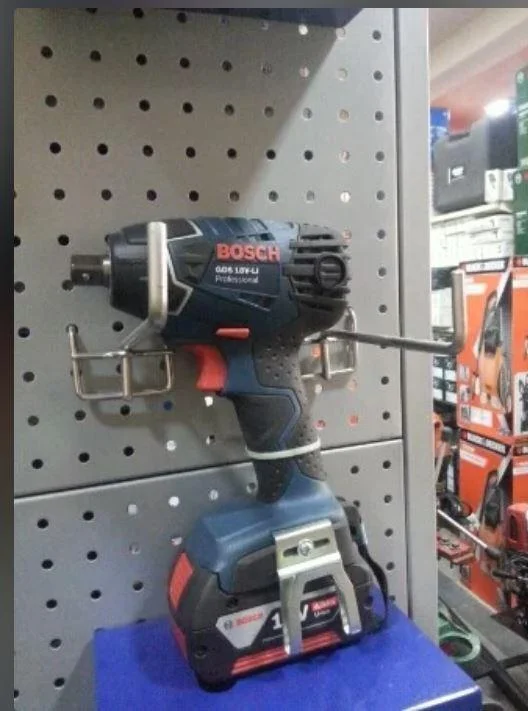
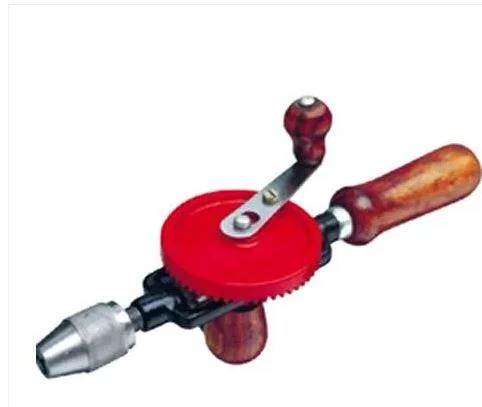
Lightweight and easy to handle, this variant is designed for fieldwork and smaller projects. It is perfect for construction sites where mobility is essential.
𝗕𝗲𝗻𝗲𝗳𝗶𝘁𝘀 𝗮𝗻𝗱 𝗔𝗱𝘃𝗮𝗻𝘁𝗮𝗴𝗲𝘀
Investing in drilling machines offers numerous benefits for businesses.
1. Increased Efficiency: Drilling machines enhance production speed, allowing businesses to complete tasks quicker than manual methods.
2. Precision and Accuracy: These machines provide high levels of accuracy, essential for applications where tolerances are critical.
3. Versatile Applications: Drilling machines can be used across various industries, making them a practical investment for diverse operations.
4. Enhanced Safety: Modern drilling machines come equipped with safety features that protect operators and reduce workplace accidents.
5. Reduced Labor Costs: Automation and advanced features minimize the need for manual labor, leading to cost savings over time.
6. Customization Options: Many drilling machines can be tailored to specific business needs, ensuring they can meet unique operational requirements.
𝗕𝘂𝘆𝗶𝗻𝗴 𝗚𝘂𝗶𝗱𝗲 𝗳𝗼𝗿 𝗕𝟮𝗕 𝗕𝘂𝘆𝗲𝗿𝘀
When sourcing drilling machines, there are several factors to consider to ensure a successful purchase.
1. Quality Assessment: Evaluate the build quality and performance of the drilling machine. Look for materials that provide durability and reliability in operations.
2. Supplier Verification: Vet potential suppliers by checking their credentials, industry reputation, and customer reviews. A reliable supplier ensures product quality and after-sales support.
3. Pricing and MOQ: Understand the pricing structures and minimum order quantities (MOQ) that suppliers offer. This can help in budgeting and planning purchases effectively.
4. Delivery and Lead Times: Discuss logistics with suppliers to ensure timely delivery. Consider lead times in your project planning to avoid delays.
5. Compliance Requirements: Ensure that the drilling machines meet relevant industry standards and regulatory requirements, including safety and environmental considerations.
𝗖𝗼𝗺𝗽𝗹𝗶𝗮𝗻𝗰𝗲 𝗮𝗻𝗱 𝗖𝗲𝗿𝘁𝗶𝗳𝗶𝗰𝗮𝘁𝗶𝗼𝗻𝘀
Compliance and certifications play a crucial role in the quality assurance of drilling machines.
Relevant quality standards such as ISO 9001 ensure that manufacturing processes meet international quality management principles. These certifications indicate a commitment to quality and continuous improvement.
Industry certifications, such as CE marking, confirm that the drilling machines comply with European safety, health, and environmental protection standards. This is vital for businesses operating in or exporting to European markets.
Safety and testing requirements are essential to ensure that drilling machines operate safely and effectively. Regular testing ensures that the equipment meets operational standards and minimizes the risk of accidents.
Furthermore, businesses must consider regional compliance requirements, which may vary based on local regulations and standards. Understanding these requirements is crucial for ensuring that the drilling machines can be legally operated in specific regions.
𝗪𝗵𝘆 𝗦𝗼𝘂𝗿𝗰𝗲 𝗗𝗿𝗶𝗹𝗹𝗶𝗻𝗴 𝗠𝗮𝗰𝗵𝗶𝗻𝗲𝘀 𝗳𝗿𝗼𝗺 𝗣𝗲𝗽𝗮𝗴𝗼𝗿𝗮?
Pepagora provides a trusted platform for sourcing drilling machines, offering numerous advantages to B2B buyers.
Verified Supplier Network: Pepagora connects businesses with a network of verified suppliers, ensuring that buyers can find quality products from reputable sources. This reduces the risk of purchasing from unreliable vendors.
Streamlined RFQ Process: The request for quotation (RFQ) process is simplified on Pepagora, allowing buyers to easily compare quotes from different suppliers. This transparency helps in making informed purchasing decisions.
Trade Assurance and Support: Pepagora offers trade assurance, providing buyers with protection throughout the purchasing process. This includes support for resolving disputes and ensuring that products meet quality expectations.
Regional Coverage: With a presence in India, the GCC, and Southeast Asia, Pepagora provides extensive regional coverage. This accessibility enables businesses to source drilling machines from suppliers that cater to their specific market needs, ensuring timely delivery and support.

 IN
IN