𝗪𝗵𝗮𝘁 𝗮𝗿𝗲 𝗖𝗼𝗻𝘀𝘁𝗿𝘂𝗰𝘁𝗶𝗼𝗻 𝗧𝗼𝗼𝗹𝘀 & 𝗛𝗮𝗻𝗱 𝗧𝗼𝗼𝗹𝘀?
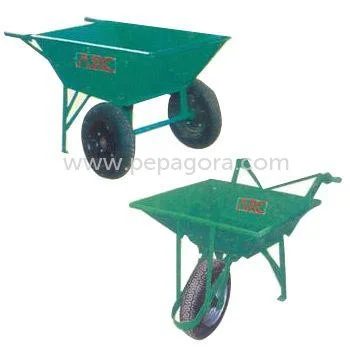
Construction tools and hand tools are essential implements used in the building and construction industry. These tools facilitate a variety of tasks, from simple manual work to complex assembly processes. Construction tools generally refer to larger equipment that may be powered or mechanical, while hand tools are typically smaller, manually operated devices designed for precision tasks. Both types of tools are integral to the construction workflow, ensuring efficiency and safety on job sites.
These tools find their primary applications in various phases of construction projects, including framing, plumbing, electrical work, and finishing. They are used by contractors, builders, and skilled tradespeople to perform tasks such as cutting, fastening, measuring, and leveling materials. The importance of construction tools and hand tools extends beyond mere functionality; they significantly affect project timelines, labor costs, and the overall quality of workmanship. With the construction industry experiencing steady growth, the demand for high-quality tools remains strong.
The relevance of construction tools and hand tools in the market is underscored by ongoing developments in technology and material science. Innovations in tool design and manufacturing processes lead to enhancements in durability, safety, and user-friendliness. As a result, businesses increasingly prioritize investing in advanced tools to improve productivity and maintain competitive advantage in the market.
𝗞𝗲𝘆 𝗙𝗲𝗮𝘁𝘂𝗿𝗲𝘀 𝗮𝗻𝗱 𝗦𝗽𝗲𝗰𝗶𝗳𝗶𝗰𝗮𝘁𝗶𝗼𝗻𝘀
Construction tools and hand tools come with an array of features that cater to the diverse needs of the construction industry. Understanding these specifications is crucial for making informed purchasing decisions.
Key specifications include:
1. Material Quality
- Tools are commonly made from high-grade steel, aluminum, or composite materials.
- This affects durability, weight, and resistance to corrosion.
2. Ergonomic Design
- Many hand tools feature grips and handles designed for comfort and reduced fatigue.
- This is especially important for tools used over extended periods.
3. Size and Weight
- Tools vary in size to accommodate different applications and user preferences.
- Weight considerations impact handling and ease of transport.
4. Precision Tolerance
- Specifications often include measurements of accuracy for tools like levels and calipers.
- This ensures that construction work meets required standards.
5. Safety Features
- Many tools include safety mechanisms to prevent accidents.
- Common features include blade guards and non-slip grips.
6. Power Source
- Power tools may be corded or cordless, affecting mobility and usage scenarios.
- Battery life and charging times are also crucial specifications.
7. Warranty and Lifespan
- Many manufacturers offer warranties that reflect tool quality.
- A longer lifespan generally indicates higher quality and reliability.
8. Compliance Standards
- Tools may meet industry certifications such as CE.
- Compliance ensures adherence to safety and performance regulations.
The combination of these specifications contributes to the overall efficacy and reliability of construction tools and hand tools, making them vital investments for professionals in the industry.
𝗖𝗼𝗺𝗺𝗼𝗻 𝗔𝗽𝗽𝗹𝗶𝗰𝗮𝘁𝗶𝗼𝗻𝘀 𝗮𝗻𝗱 𝗨𝘀𝗲 𝗖𝗮𝘀𝗲𝘀
Construction tools and hand tools serve a wide range of industries, each with unique applications.
1. Residential Construction: Tools are used for framing, roofing, and finishing work in new homes and renovations. Precision tools ensure accurate measurements and cuts, essential for structural integrity.
2. Commercial Construction: In commercial projects, tools are used for larger scale applications such as installing drywall, flooring, and electrical systems. Heavy-duty tools are often required to handle increased workloads.
3. Manufacturing: Hand tools are employed in the assembly of components and equipment. They are essential for tasks requiring high precision and control.
4. Maintenance and Repair: Tools are frequently utilized in facilities management for routine maintenance, repairs, and upgrades. They enable quick and effective solutions to operational issues.
5. Landscaping: Tools are vital for landscaping projects, including planting, pruning, and hardscaping. Specialized hand tools allow for detailed work in garden and outdoor settings.
6. Plumbing: Construction and hand tools assist plumbers in installing and repairing piping systems. Tools designed for cutting, bending, and fastening are crucial in this field.
7. Electrical Work: Electricians rely on a variety of tools for wiring, circuit installation, and troubleshooting. Precision and safety are paramount in electrical tasks.
𝗣𝗿𝗼𝗱𝘂𝗰𝘁 𝗩𝗮𝗿𝗶𝗮𝗻𝘁𝘀 𝗮𝗻𝗱 𝗦𝘂𝗯𝗰𝗮𝘁𝗲𝗴𝗼𝗿𝗶𝗲𝘀
Construction tools and hand tools are diverse in their offerings, catering to various needs and tasks.
Power Tools
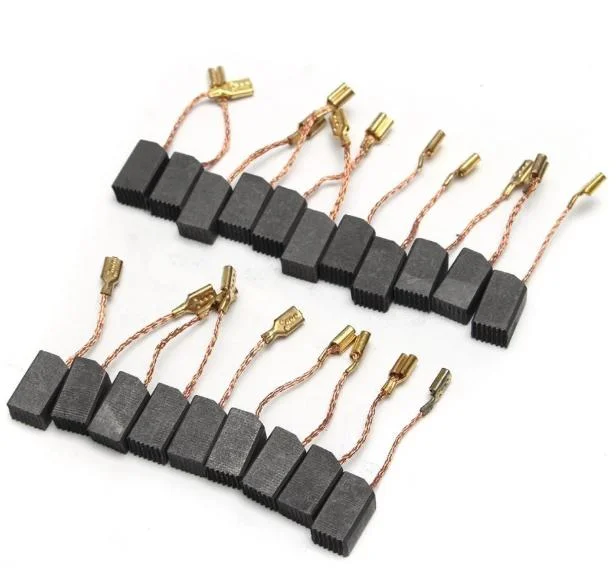
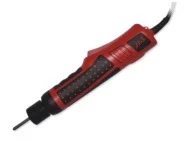
Power tools include drills, saws, and grinders that provide enhanced efficiency through mechanization. They are ideal for heavy-duty tasks and larger projects, helping to reduce manual labor.
Hand Tools
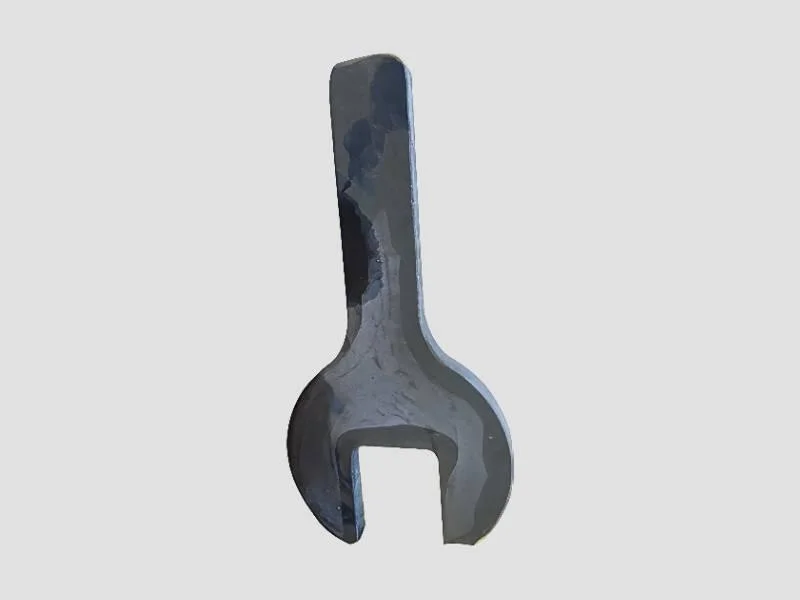
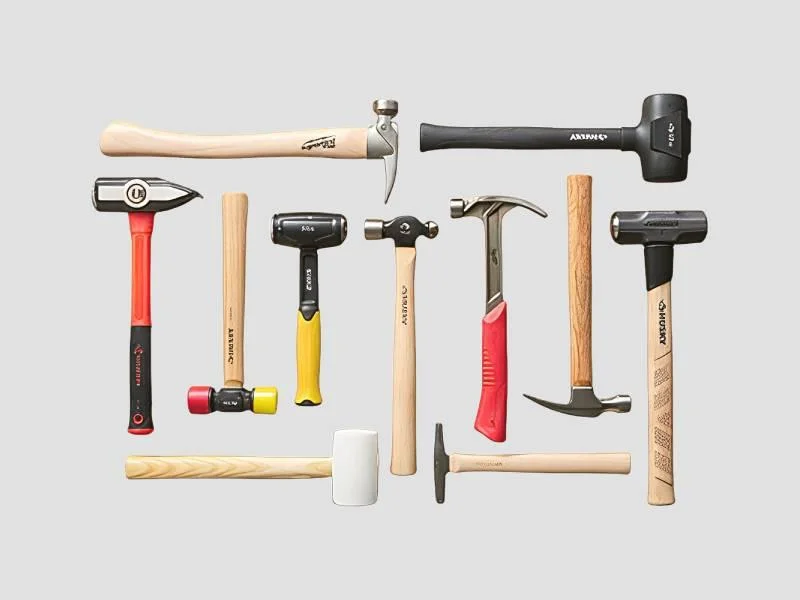
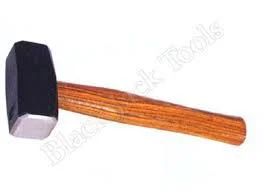
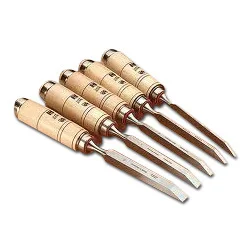
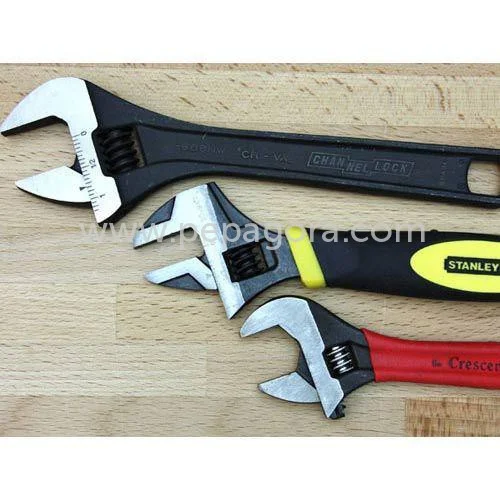
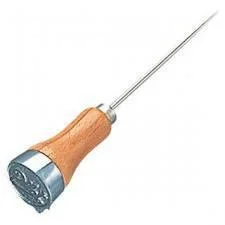
Hand tools encompass a wide range of implements such as hammers, screwdrivers, pliers, and wrenches. Their portability and ease of use make them indispensable for both professionals and DIY enthusiasts.
Measuring Tools
Measuring tools like tape measures, levels, and squares are crucial for ensuring accuracy in construction work. They help prevent costly errors by providing precise measurements.
Fastening Tools
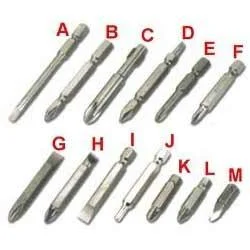
Fastening tools, including nail guns and screwdrivers, are essential for assembling materials. They improve speed and efficiency in securing components together.
𝗕𝗲𝗻𝗲𝗳𝗶𝘁𝘀 𝗮𝗻𝗱 𝗔𝗱𝘃𝗮𝗻𝘁𝗮𝗴𝗲𝘀
Investing in high-quality construction tools and hand tools offers numerous advantages for businesses.
1. Enhanced Efficiency: Quality tools streamline tasks, reducing the time taken to complete projects. This leads to improved productivity and project turnaround.
2. Improved Safety: Tools designed with safety features help minimize the risk of accidents on job sites. This is crucial for maintaining a safe working environment.
3. Increased Precision: High-quality tools provide greater accuracy, which is vital for achieving professional standards in construction work.
4. Long-Term Durability: Investing in reliable tools reduces the need for frequent replacements, saving money over time. Durable tools also contribute to consistent performance.
5. Versatility: A diverse range of tools allows professionals to tackle various tasks and projects without needing multiple specialized tools.
6. Enhanced Reputation: Using high-quality tools reflects professionalism and commitment to quality, which can enhance a business's reputation in the industry.
𝗕𝘂𝘆𝗶𝗻𝗴 𝗚𝘂𝗶𝗱𝗲 𝗳𝗼𝗿 𝗕𝟮𝗕 𝗕𝘂𝘆𝗲𝗿𝘀
When sourcing construction tools and hand tools, it is essential to consider several factors to ensure you make informed decisions.
1. Quality Assessment: Evaluate tools based on material quality and construction. Look for products that meet industry standards to ensure reliability and performance.
2. Supplier Verification: Conduct thorough research on potential suppliers. Check their reputation, customer reviews, and certification status to ensure they provide quality products.
3. Pricing and MOQ: Understand the pricing structure and minimum order quantities (MOQ). Compare different suppliers to find the best value without compromising quality.
4. Delivery and Lead Times: Inquire about delivery schedules and lead times to ensure that tools arrive when needed. Timely delivery is crucial for maintaining project timelines.
5. Compliance Requirements: Be aware of any regulatory standards that apply to the tools you intend to purchase. Ensure that they meet safety and performance certifications relevant to your industry.
𝗖𝗼𝗺𝗽𝗹𝗶𝗮𝗻𝗰𝗲 𝗮𝗻𝗱 𝗖𝗲𝗿𝘁𝗶𝗳𝗶𝗰𝗮𝘁𝗶𝗼𝗻𝘀
Compliance with quality standards is critical for construction tools and hand tools. Relevant standards include ISO 9001, which ensures quality management systems are in place, and CE marking, which signifies conformity with health, safety, and environmental protection standards.
Industry certifications, such as CE, demonstrate that tools have been tested and meet specific safety and performance criteria. These certifications are essential for ensuring that tools are safe for use and perform reliably in various applications.
Safety and testing requirements are paramount in the industry. Tools must undergo rigorous testing to ensure they meet the necessary performance standards. Additionally, regional compliance considerations may vary based on local regulations, emphasizing the importance of understanding the specific compliance needs of your market.
𝗪𝗵𝘆 𝗦𝗼𝘂𝗿𝗰𝗲 𝗖𝗼𝗻𝘀𝘁𝗿𝘂𝗰𝘁𝗶𝗼𝗻 𝗧𝗼𝗼𝗹𝘀 & 𝗛𝗮𝗻𝗱 𝗧𝗼𝗼𝗹𝘀 𝗳𝗿𝗼𝗺 𝗣𝗲𝗽𝗮𝗴𝗼𝗿𝗮?
Pepagora offers a trusted platform for sourcing construction tools and hand tools with several key advantages that set it apart from the competition.
Verified Supplier Network: Pepagora collaborates with a network of verified suppliers, ensuring that buyers have access to high-quality tools. Each supplier undergoes a thorough vetting process to guarantee reliability.
Streamlined RFQ Process: The platform features a user-friendly request for quotation (RFQ) system that simplifies the sourcing process. Buyers can easily compare quotes and make informed decisions quickly.
Trade Assurance and Support: Pepagora provides trade assurance measures that protect buyers throughout the purchasing process. This includes support for addressing any issues that may arise, ensuring a smooth transaction.
Regional Coverage: With a strong presence in India, the GCC, and Southeast Asia, Pepagora effectively connects buyers with suppliers in these regions. This geographic reach enhances accessibility and convenience for businesses looking to source construction tools and hand tools.

 IN
IN