
 IN
INundefined
Woven Fabric Traders
4 products available
𝗪𝗵𝗮𝘁 𝗮𝗿𝗲 𝗪𝗼𝘃𝗲𝗻 𝗙𝗮𝗯𝗿𝗶𝗰 𝗧𝗿𝗮𝗱𝗲𝗿𝘀?
Woven Fabric Traders are businesses that specialize in the sourcing, manufacturing, and distribution of woven fabrics. These traders operate within a complex supply chain that connects fabric manufacturers to various industries requiring textile solutions. Woven fabrics are created by interlacing threads, resulting in materials known for their durability, versatility, and aesthetic appeal.
The primary uses of woven fabrics span multiple industries including fashion, automotive, home textiles, and industrial applications. Woven fabrics are commonly utilized for apparel, upholstery, and protective gear due to their strength and flexibility. As businesses increasingly seek sustainable and high-quality textile options, the relevance of woven fabric traders continues to grow in a competitive market that emphasizes both innovation and quality.
In today's industrial context, woven fabric traders play a crucial role in ensuring that companies have access to the materials they need. The demand for bespoke fabric solutions has led to a diverse range of offerings, catering to specific industry requirements. The market is characterized by a blend of traditional craftsmanship and advanced manufacturing techniques, positioning woven fabric traders as essential partners in various supply chains.
𝗞𝗲𝘆 𝗙𝗲𝗮𝘁𝘂𝗿𝗲𝘀 𝗮𝗻𝗱 𝗦𝗽𝗲𝗰𝗶𝗳𝗶𝗰𝗮𝘁𝗶𝗼𝗻𝘀
Woven fabric traders offer a variety of products characterized by unique features and specifications. Understanding these specifications is essential for buyers looking to make informed purchasing decisions.
Key specifications include:
1. Fabric Composition
- Common materials include cotton, polyester, nylon, and blends.
- Variability in fabric types allows for tailored solutions.
2. Weave Types
- Different weave patterns such as plain, twill, and satin provide distinct textures and functionalities.
- Each weave type serves specific applications based on durability and appearance.
3. Weight and Thickness
- Fabrics can range from lightweight to heavy-duty options.
- Weight is typically measured in grams per square meter (GSM).
4. Color and Print Options
- Wide range of colors and printing capabilities are available.
- Customization options enhance branding and design flexibility.
5. Durability Ratings
- Fabrics are tested for abrasion resistance and tensile strength.
- Higher durability ratings indicate longer-lasting products.
6. Fire Retardancy
- Certain woven fabrics are treated to meet fire safety standards.
- Important for use in industrial and public settings.
7. Water and Stain Resistance
- Treatments can be applied to enhance water and stain resistance.
- Ideal for outdoor applications and high-traffic areas.
8. Compliance with Standards
- Fabrics may comply with various industry standards such as CE certification.
- Compliance ensures safety and quality assurance for end users.
In summary, woven fabric traders provide a diverse range of fabrics with specifications tailored to meet the specific needs of various industries. Knowledge of these features helps B2B buyers select the right products for their applications.
𝗖𝗼𝗺𝗺𝗼𝗻 𝗔𝗽𝗽𝗹𝗶𝗰𝗮𝘁𝗶𝗼𝗻𝘀 𝗮𝗻𝗱 𝗨𝘀𝗲 𝗖𝗮𝘀𝗲𝘀
Woven fabrics are utilized across multiple industries, highlighting their versatility and functionality.
1. Fashion Industry: Woven fabrics are a staple in clothing production. They are used for a variety of garments including dresses, shirts, and outerwear, offering both style and durability.
2. Automotive Sector: High-performance woven fabrics are employed in vehicle interiors and upholstery. They provide aesthetic appeal while ensuring longevity and resistance to wear.
3. Home Textiles: Woven fabrics are commonly used for curtains, upholstery, and bedding. Their wide range of colors and patterns enhances interior design while providing comfort.
4. Industrial Applications: Woven fabrics serve as protective clothing and safety gear. They are engineered to withstand harsh conditions while offering comfort and mobility.
5. Medical Textiles: Specialized woven fabrics are used in surgical gowns and bandages. Their properties ensure sterility and durability in medical settings.
6. Outdoor Gear: Woven fabrics are utilized in tents, backpacks, and outdoor clothing. They are designed to be lightweight, durable, and weather-resistant.
7. Sports Equipment: Woven fabrics are found in sports uniforms and equipment. Their breathability and flexibility make them ideal for athletic use.
𝗣𝗿𝗼𝗱𝘂𝗰𝘁 𝗩𝗮𝗿𝗶𝗮𝗻𝘁𝘀 𝗮𝗻𝗱 𝗦𝘂𝗯𝗰𝗮𝘁𝗲𝗴𝗼𝗿𝗶𝗲𝘀
Woven fabric traders offer a diverse range of product variants to meet various customer needs.
Cotton Woven Fabrics: These fabrics are known for their breathability and comfort. Ideal for clothing and home textiles, cotton woven fabrics are versatile and widely used.
Polyester Woven Fabrics: Known for their durability and resistance to wrinkles, polyester woven fabrics are commonly used in outdoor and industrial applications.
Blended Fabrics: Combining natural and synthetic fibers, blended fabrics offer the benefits of both materials. They are popular in fashion and home textiles for their enhanced performance.
Technical Woven Fabrics: Engineered for specific applications, these fabrics are used in industries like automotive and medical for their specialized properties.
𝗕𝗲𝗻𝗲𝗳𝗶𝘁𝘀 𝗮𝗻𝗱 𝗔𝗱𝘃𝗮𝗻𝘁𝗮𝗴𝗲𝘀
Woven fabrics offer numerous advantages that can enhance business operations and product offerings.
1. Durability: Woven fabrics are generally more durable than knitted fabrics, making them suitable for high-use applications.
2. Versatility: The variety of weave types and materials allows for customization to meet specific needs across different industries.
3. Aesthetic Appeal: Woven fabrics provide a wide range of textures, patterns, and colors, enhancing product design and branding.
4. Customization: Many woven fabric traders offer customization options including size, color, and pattern, allowing businesses to tailor products to their specifications.
5. Performance: Woven fabrics can be engineered for specific performance characteristics, such as fire resistance or waterproofing, enhancing their applicability.
6. Sustainability: Increasingly, woven fabric traders are focusing on sustainable practices, offering eco-friendly options for conscious consumers.
𝗕𝘂𝘆𝗶𝗻𝗴 𝗚𝘂𝗶𝗱𝗲 𝗳𝗼𝗿 𝗕𝟮𝗕 𝗕𝘂𝘆𝗲𝗿𝘀
When sourcing woven fabric traders, there are several important factors to consider to ensure a successful partnership.
1. Quality Assessment: Evaluate the quality of fabrics based on durability, composition, and compliance with industry standards. Request samples to assess texture and performance.
2. Supplier Verification: Conduct thorough research on potential suppliers. Check for certifications, customer reviews, and their track record in the industry.
3. Pricing and MOQ: Understand pricing structures and minimum order quantities (MOQ) before making commitments. Negotiate terms that align with your budget and needs.
4. Delivery and Lead Times: Inquire about delivery schedules and lead times to ensure timely availability of products. Consider logistics and shipping options.
5. Compliance Requirements: Ensure that the fabrics meet relevant regulations and safety standards for your industry. This may include certifications and material safety data sheets.
𝗖𝗼𝗺𝗽𝗹𝗶𝗮𝗻𝗰𝗲 𝗮𝗻𝗱 𝗖𝗲𝗿𝘁𝗶𝗳𝗶𝗰𝗮𝘁𝗶𝗼𝗻𝘀
Compliance and certifications are critical factors in the woven fabric industry. Adhering to relevant quality standards, such as ISO 9001, ensures that manufacturers maintain high levels of quality management. This standard is particularly important for companies looking to establish long-term relationships with fabric suppliers.
Industry certifications, such as CE, indicate that the fabrics meet European safety and environmental requirements. This is vital for businesses exporting products to regions with stringent regulations.
Safety and testing requirements are also essential, particularly for fabrics used in protective gear or medical applications. Compliance with established safety standards ensures that the products are safe for end users.
Regional considerations play a role in compliance as well. Different regions may have specific regulations regarding textile production and usage. Understanding these requirements is crucial for businesses operating in multiple markets.
𝗪𝗵𝘆 𝗦𝗼𝘂𝗿𝗰𝗲 𝗪𝗼𝘃𝗲𝗻 𝗙𝗮𝗯𝗿𝗶𝗰 𝗧𝗿𝗮𝗱𝗲𝗿𝘀 𝗳𝗿𝗼𝗺 𝗣𝗲𝗽𝗮𝗴𝗼𝗿𝗮?
Pepagora serves as a trusted platform for sourcing woven fabric traders, offering numerous advantages to B2B buyers.
Verified Supplier Network: Pepagora has established a comprehensive network of verified suppliers. This ensures that businesses can connect with reputable manufacturers that meet quality and compliance standards.
Streamlined RFQ Process: The platform simplifies the request for quotation (RFQ) process, allowing buyers to easily compare offers from multiple suppliers. This efficiency helps businesses make informed purchasing decisions.
Trade Assurance and Support: Pepagora provides trade assurance, offering protection to buyers throughout the sourcing process. This support helps mitigate risks associated with international transactions.
Regional Coverage: With a strong presence in regions like India, GCC, and Southeast Asia, Pepagora connects buyers with local suppliers. This regional focus enhances logistics and reduces lead times, ensuring timely product availability.
Newly Added


Recently Added
Bhagyodaya Poly Pack (P) Ltd
Industrial Wrapping HDPE Woven Fabric Durable Protection Customizable
Industrial HDPE Woven Bags Durable Bulk Packaging Cement Fertilizer
Industrial Circular Woven Fabrics for Packaging Agriculture Construction
Dhir Industries
Premium Plastic Carry Bags for Retail Grocery Packaging
Industrial Packaging PP Woven Bags Durable Bulk Storage
Bulk LDPE Bags And Liners For Industrial Packaging Durable Moisture Resistant
Embee Corporation
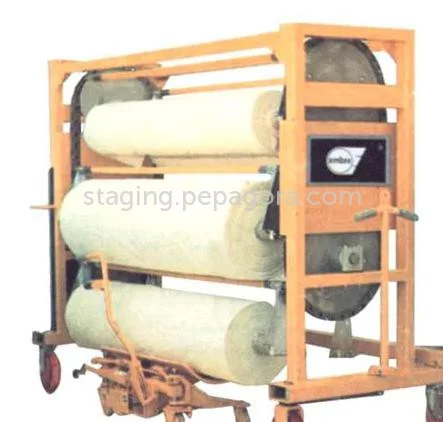
Textile Fabric Inspection And Rolling Machine For Quality Control
High Speed Cloth Inspection Machine for Defect Detection in Textiles
Textile Lab Precision Cloth Sample Cutting Machine For GSM Testing
Why Businesses Trust Pepagora
Thousands of companies trust Pepagora to source smarter and sell faster
Expand Your Sales Globally
25000+Products listed.Get discovered by global buyers
Tools to boost visibility
Build your own catalog

Source Smarter,Grow Faster
4000+Active RFQs
100+ Countries served
Easy Sourcing Tools
