
 IN
INundefined
Work Platforms
12 products available
𝗪𝗵𝗮𝘁 𝗮𝗿𝗲 𝗪𝗼𝗿𝗸 𝗣𝗹𝗮𝘁𝗳𝗼𝗿𝗺𝘀?
Work platforms are essential tools designed to provide safe and stable working surfaces at elevated heights. They enable workers to access hard-to-reach areas in various industries, ensuring that tasks can be performed efficiently and safely. These platforms can be stationary or mobile, depending on the specific needs of the operation. They come in various designs, including scaffolding, aerial lifts, and scaffolding towers, tailored to meet diverse working environments.
The primary applications of work platforms are in construction, maintenance, and warehousing. In construction, they allow workers to perform tasks at significant heights without compromising safety. In maintenance, they enable technicians to reach high fixtures and equipment for servicing. In warehousing, work platforms assist in inventory management and storage optimization. Their relevance spans multiple sectors, making them crucial in any operation that involves working at height.
As industries continue to grow, the demand for effective work platforms increases. The market is driven by a focus on safety regulations and productivity enhancements. Companies are investing in advanced work platform technologies to ensure compliance with safety standards while maximizing operational efficiency. This trend reflects the essential role these platforms play in facilitating safe work environments across various sectors.
𝗞𝗲𝘆 𝗙𝗲𝗮𝘁𝘂𝗿𝗲𝘀 𝗮𝗻𝗱 𝗦𝗽𝗲𝗰𝗶𝗳𝗶𝗰𝗮𝘁𝗶𝗼𝗻𝘀
Work platforms are equipped with various features designed to enhance safety and functionality. Understanding these specifications helps businesses choose the right equipment for their needs.
Key specifications include:
1. Load Capacity
- Indicates the maximum weight the platform can safely support.
- Ranges typically vary from 200 kg to over 1000 kg.
2. Height Range
- Refers to the minimum and maximum working height of the platform.
- Heights can range from 1 meter to over 15 meters.
3. Material Construction
- Platforms are commonly made from aluminum, steel, or composite materials.
- Each material offers different strength and weight benefits.
4. Mobility Options
- Some platforms are mobile while others are stationary.
- Mobile options may feature wheels or casters for easy movement.
5. Safety Features
- Includes guardrails, non-slip surfaces, and safety locks.
- Essential for ensuring user safety during operations.
6. Platform Dimensions
- Refers to the width and length of the working surface.
- Dimensions can vary to accommodate different tasks.
7. Compliance Standards
- Platforms should meet specific industry standards for safety and performance.
- Look for certifications such as CE for assurance.
8. Customization Options
- Some manufacturers offer customization in design and features.
- This allows businesses to tailor platforms to specific operational needs.
In summary, selecting the right work platform involves understanding key specifications and ensuring they align with operational requirements.
𝗖𝗼𝗺𝗺𝗼𝗻 𝗔𝗽𝗽𝗹𝗶𝗰𝗮𝘁𝗶𝗼𝗻𝘀 𝗮𝗻𝗱 𝗨𝘀𝗲 𝗖𝗮𝘀𝗲𝘀
Work platforms are utilized across various industries, addressing specific operational needs effectively.
1. Construction: In construction, work platforms provide access to elevated areas for tasks such as roofing, painting, and electrical work. They enhance safety and efficiency, allowing workers to operate at heights securely.
2. Maintenance: In maintenance operations, these platforms enable technicians to reach high fixtures, such as lighting or HVAC systems. They facilitate quick and safe repairs, minimizing downtime.
3. Warehousing: In warehousing, work platforms assist in stock management and retrieval. They allow workers to safely access high shelves and optimize storage space.
4. Manufacturing: In manufacturing, work platforms are used during assembly processes or machine maintenance, ensuring workers can perform tasks safely at height.
5. Event Management: For event setup, work platforms help in stage construction and lighting installation, providing safe access for crew members.
6. Telecommunications: In telecommunications, work platforms are critical for installing and maintaining antennas and towers, allowing technicians to work safely at significant heights.
7. Oil and Gas: In the oil and gas sector, work platforms facilitate access to drilling rigs and equipment for maintenance, ensuring operational safety.
𝗣𝗿𝗼𝗱𝘂𝗰𝘁 𝗩𝗮𝗿𝗶𝗮𝗻𝘁𝘀 𝗮𝗻𝗱 𝗦𝘂𝗯𝗰𝗮𝘁𝗲𝗴𝗼𝗿𝗶𝗲𝘀
Work platforms come in various forms to cater to different operational environments and tasks.
Mobile Work Platforms: These platforms are designed with wheels or casters, allowing for easy movement across job sites. They are ideal for tasks that require frequent relocation.
Static Work Platforms: Static platforms are fixed in place and provide a stable working surface for extended operations. They are commonly used in construction sites and maintenance areas.
Aerial Work Platforms: These platforms are equipped with hydraulic systems that allow them to extend vertically. They are perfect for reaching high areas and are often used in construction and maintenance.
Scaffolding Systems: These are modular systems that can be assembled to create a temporary structure, providing access to high work areas. They are widely used in construction and renovation projects.
𝗕𝗲𝗻𝗲𝗳𝗶𝘁𝘀 𝗮𝗻𝗱 𝗔𝗱𝘃𝗮𝗻𝘁𝗮𝗴𝗲𝘀
Investing in work platforms offers numerous advantages for businesses looking to enhance productivity and safety.
1. Enhanced Safety: Work platforms are designed with safety features that protect workers from falls and injuries, significantly improving on-site safety.
2. Increased Efficiency: By providing easy access to elevated work areas, platforms enable workers to complete tasks more quickly and efficiently.
3. Versatile Applications: Work platforms can be used in various industries, making them a flexible solution for multiple operational needs.
4. Cost-Effective Solution: Investing in high-quality work platforms reduces the need for additional equipment, saving costs in the long run.
5. Compliance with Regulations: Work platforms that meet industry safety standards help businesses comply with legal requirements, reducing liability risks.
6. Improved Employee Morale: Providing safe and efficient tools enhances worker satisfaction and productivity, leading to a more motivated workforce.
𝗕𝘂𝘆𝗶𝗻𝗴 𝗚𝘂𝗶𝗱𝗲 𝗳𝗼𝗿 𝗕𝟮𝗕 𝗕𝘂𝘆𝗲𝗿𝘀
When sourcing work platforms, it is crucial for buyers to consider several factors to ensure they make informed purchasing decisions.
1. Quality Assessment: Evaluate the quality of work platforms by examining materials, construction methods, and safety features. Look for reputable manufacturers known for durability and reliability.
2. Supplier Verification: Vet suppliers by checking their credentials, reviews, and history of compliance with industry standards. A reliable supplier ensures you receive quality products.
3. Pricing and MOQ: Understand the pricing structure and minimum order quantities (MOQ) to manage budgets effectively. Compare quotes from multiple suppliers to ensure competitive pricing.
4. Delivery and Lead Times: Consider logistics, including delivery times and shipping costs, to ensure timely availability of platforms for your projects.
5. Compliance Requirements: Familiarize yourself with relevant safety regulations and certifications to ensure the platforms meet industry standards.
𝗖𝗼𝗺𝗽𝗹𝗶𝗮𝗻𝗰𝗲 𝗮𝗻𝗱 𝗖𝗲𝗿𝘁𝗶𝗳𝗶𝗰𝗮𝘁𝗶𝗼𝗻𝘀
Compliance with quality standards and certifications is crucial for work platforms to ensure safety and reliability.
Work platforms should adhere to international quality standards such as ISO 9001, which emphasizes quality management systems. This ensures that manufacturers maintain high production standards.
Industry certifications, such as CE marking, indicate that the equipment meets European safety and environmental requirements. This is essential for businesses operating in or exporting to European markets.
Additionally, safety and testing requirements must be met to ensure that platforms can withstand operational stresses. Regular inspection and maintenance also contribute to compliance.
Regional compliance considerations vary by location, making it important for buyers to understand local regulations and standards applicable to work platforms.
𝗪𝗵𝘆 𝗦𝗼𝘂𝗿𝗰𝗲 𝗪𝗼𝗿𝗸 𝗣𝗹𝗮𝘁𝗳𝗼𝗿𝗺𝘀 𝗳𝗿𝗼𝗺 𝗣𝗲𝗽𝗮𝗴𝗼𝗿𝗮?
Pepagora is an ideal platform for sourcing work platforms, providing several key advantages for B2B buyers.
Verified Supplier Network: Pepagora offers access to a verified network of suppliers, ensuring that buyers can trust the quality and reliability of the products they purchase.
Streamlined RFQ Process: The request for quotation (RFQ) system simplifies the procurement process, allowing buyers to easily compare offers and select the best options for their needs.
Trade Assurance and Support: Pepagora provides buyer protection through trade assurance programs, ensuring that buyers receive quality products and support throughout the purchasing process.
Regional Coverage: With a strong presence in India, the GCC, and Southeast Asia, Pepagora offers regional support and logistics, making it easier for buyers to source work platforms tailored to their market needs.
By choosing Pepagora, buyers can confidently procure work platforms that meet their operational requirements while enjoying a seamless purchasing experience.
Newly Added






Recently Added
Pee Kay Scaffolding & Shuttering Ltd
Construction Scaffolding Planks MS Metal Durable Safety
Rental Construction Acrospan Support Systems For Structural Safety
Industrial Stainless Steel Channels For Construction And Fabrication
Hefty Industrial Equipment
Warehouse Electric Stacker 1.5 2T Capacity 6m Lift Height 5 6H Runtime
CTL15 VNA Forklift Narrow Aisle High Density Storage 13m Lift
Trackless Transfer Car BWP Type Heavy Load Handling With Safety Features
Chelsea Wire Netting
Premium GI Chainlink Fencing For Gardens Sports Fields Security
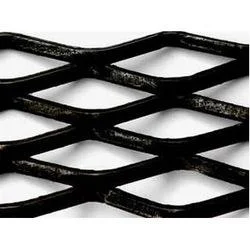
Industrial GI Expanded Metal Mesh For Safety And Infrastructure
Industrial Air Cleaner Knit Mesh MS For Superior Filtration And Durability
Endeavour Instrument Pvt Ltd
Industrial Chain Pulley Block High Grade Durable Low Maintenance
Electric Wire Rope Hoist 6x37 Construction Pendant Push Button
Industrial Overhead Travelling Crane EOT HOT SG EG Jib Crane
Depaam Sales & Services
Industrial Storage Heavy Duty Pallet Racking Systems High Load Capacity
Industrial Heavy Duty Derrick Cranes For Lifting And Construction
Warehouse Electric Forklift Truck Battery Operated Zero Emission
Batliwala Process Engineering
Industrial Material Handling Pharma DHS Trolley Stainless Steel
Pharmaceutical Transport Manual Cage Trolley For Secure Material Handling
Pharma Stainless Steel Material Movement Trolley For Contamination Free Transport
Depaam Sales & Services
Industrial Battery Operated Tow Truck 1 Ton 2 Ton Electric Pallet Mover
Warehouse Electric Forklift Trucks Zero Emissions Battery Operated
Industrial Battery Powered Four Wheel Platform Truck For Heavy Loads
Precision Weighing Systems(A Unit Of Kunal Enterprises)
Industrial Pit Type Weighbridge For Accurate Vehicle Weighing
Onboard Truck Body Scales For Tipper And Waste Vehicles
In Motion Rail Weighbridge For Real Time Train Weight Measurement
Ali Kraft
Heavy Duty Concrete Road Pavers for High Traffic Infrastructure
Construction Bar Cutting Machine High Speed Automated Rebar Cutter
Heavy Duty Slope Pavers All Steel Welded Frame Variable Width Up To 24m
Burhani Hardware & Tools Company
Industrial Electric Two Post Jack 1 10T Load OEM Durable
Industrial Metal Climber For Vertical Access OEM New
Industrial Brass Shim Stock For Precision Machinery And Automotive
Why Businesses Trust Pepagora
Thousands of companies trust Pepagora to source smarter and sell faster
Expand Your Sales Globally
25000+Products listed.Get discovered by global buyers
Tools to boost visibility
Build your own catalog

Source Smarter,Grow Faster
4000+Active RFQs
100+ Countries served
Easy Sourcing Tools
