
 IN
INundefined
Wire Ropes
36 products available
𝗪𝗵𝗮𝘁 𝗮𝗿𝗲 𝗪𝗶𝗿𝗲 𝗥𝗼𝗽𝗲𝘀?
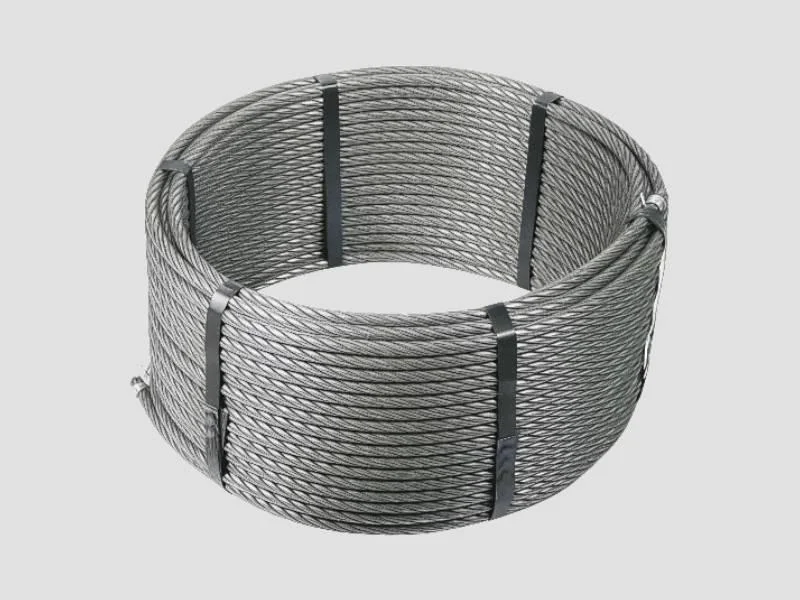
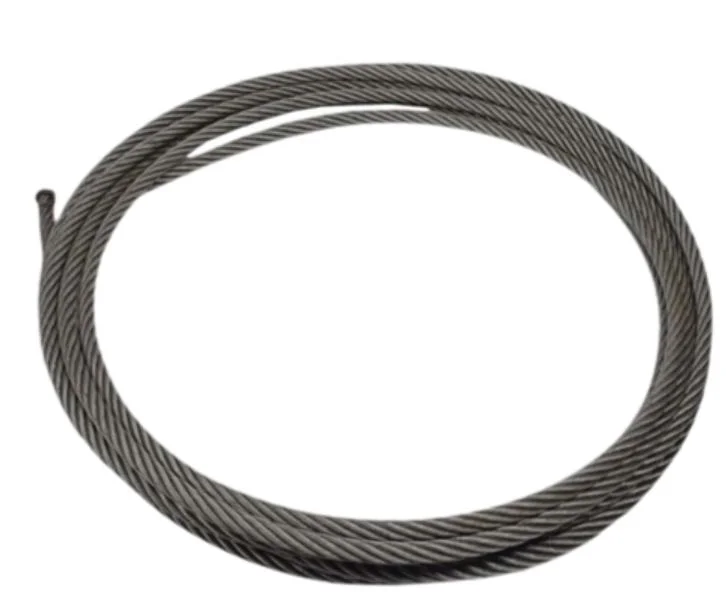
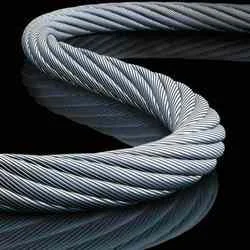
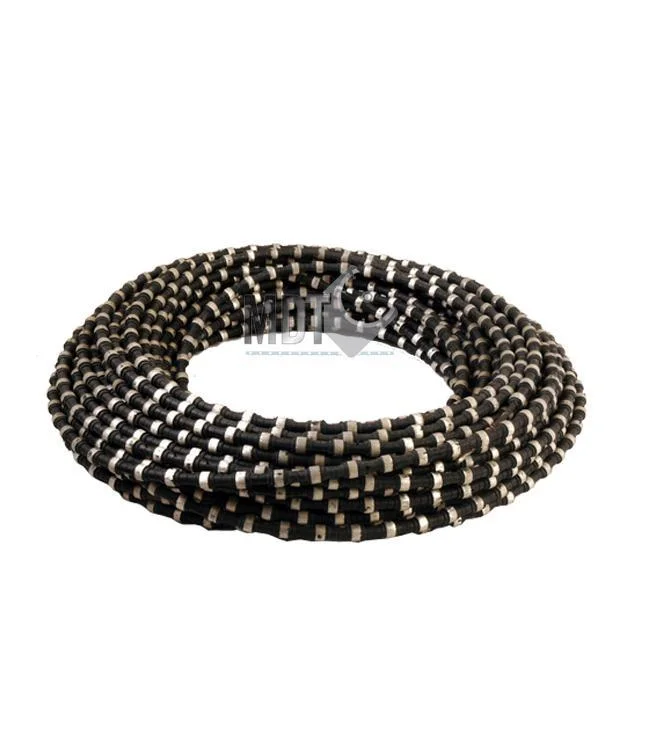
Wire ropes are essential components in various industrial applications, designed for lifting, pulling, and securing loads. Made from numerous strands of wire twisted together, they offer high tensile strength and flexibility. This unique construction allows wire ropes to withstand heavy loads while maintaining durability and resistance to wear.
Wire ropes are widely used in industries such as construction, mining, shipping, and manufacturing. They serve critical roles in cranes, elevators, hoists, and other machinery that require reliable lifting solutions. The versatility of wire ropes makes them suitable for diverse applications, from lifting heavy equipment to securing cargo during transport. As industries evolve, the demand for high-quality wire ropes continues to grow, highlighting their importance in modern manufacturing and logistics.
𝗞𝗲𝘆 𝗙𝗲𝗮𝘁𝘂𝗿𝗲𝘀 𝗮𝗻𝗱 𝗦𝗽𝗲𝗰𝗶𝗳𝗶𝗰𝗮𝘁𝗶𝗼𝗻𝘀
Wire ropes are engineered with various features and specifications to meet a range of industrial needs. Understanding these specifications is crucial for selecting the right wire rope for specific applications.
Key specifications include:
1. Diameter
- The diameter of wire ropes varies, typically ranging from a few millimeters to several centimeters, affecting their load capacity and flexibility.
2. Material
- Common materials include carbon steel, stainless steel, and other alloys, chosen for their strength and corrosion resistance.
3. Construction Type
- Wire ropes can be classified as 6x19, 6x37, or other constructions, which denote the number of strands and wires, impacting flexibility and strength.
4. Breaking Strength
- This specification indicates the maximum load a wire rope can bear before failing, essential for safety and performance.
5. Weight
- Weight per unit length varies based on diameter and material, influencing handling and installation.
6. Length Options
- Wire ropes are available in various lengths to accommodate different applications, often customizable to meet specific project needs.
7. Coating
- Coatings such as galvanization enhance corrosion resistance, prolonging the rope's lifespan in harsh environments.
8. Certification
- Compliance with industry standards and certifications ensures reliability and safety in use.
In summary, the selection of wire ropes revolves around understanding these key specifications, which influence performance and application suitability.
𝗖𝗼𝗺𝗺𝗼𝗻 𝗔𝗽𝗽𝗹𝗶𝗰𝗮𝘁𝗶𝗼𝗻𝘀 𝗮𝗻𝗱 𝗨𝘀𝗲 𝗖𝗮𝘀𝗲𝘀
Wire ropes find application across multiple industries, each requiring specific characteristics to meet operational demands.
1. Construction: Wire ropes are used in cranes and hoists for lifting heavy materials on construction sites, ensuring safe and efficient operations.
2. Mining: In mining operations, wire ropes are essential for transporting mined materials and operating machinery such as draglines.
3. Marine: Wire ropes are utilized in shipping for securing cargo and operating winches and cranes on vessels.
4. Manufacturing: In manufacturing facilities, wire ropes assist in overhead lifting systems and assembly lines, enhancing productivity.
5. Oil and Gas: Wire ropes are critical in drilling operations and transporting materials in offshore and onshore activities.
6. Logging: In the logging industry, wire ropes are used for logging winches and cable systems to transport timber.
7. Transportation: Wire ropes are essential in elevators and escalators, ensuring safe vertical transport in buildings.
𝗣𝗿𝗼𝗱𝘂𝗰𝘁 𝗩𝗮𝗿𝗶𝗮𝗻𝘁𝘀 𝗮𝗻𝗱 𝗦𝘂𝗯𝗰𝗮𝘁𝗲𝗴𝗼𝗿𝗶𝗲𝘀
Wire ropes come in a variety of forms to cater to specific industry requirements, showcasing their adaptability.
Steel Wire Rope
This variant is known for its exceptional strength and durability. Steel wire ropes are widely used in construction and heavy lifting applications.
Stainless Steel Wire Rope
Ideal for corrosive environments, stainless steel wire ropes are utilized in applications such as marine and food processing industries due to their resistance to rust and corrosion.
Galvanized Wire Rope
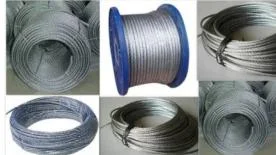
Galvanized wire ropes are coated to enhance protection against corrosion. They are commonly used in outdoor applications and environments subject to moisture.
Flexible Wire Rope
Designed for applications requiring high flexibility, this variant is often used in scenarios like cable cars and movable structures.
𝗕𝗲𝗻𝗲𝗳𝗶𝘁𝘀 𝗮𝗻𝗱 𝗔𝗱𝘃𝗮𝗻𝘁𝗮𝗴𝗲𝘀
Choosing wire ropes offers numerous benefits that enhance operational efficiency and safety.
1. High Load Capacity: Wire ropes are capable of lifting and securing heavy loads, making them essential for various industrial applications.
2. Durability: Their robust construction ensures longevity and resistance to wear, reducing the need for frequent replacements.
3. Flexibility: Wire ropes can bend and twist without breaking, allowing for adaptability in dynamic applications.
4. Corrosion Resistance: Many wire ropes come with protective coatings, prolonging their lifespan in harsh environments.
5. Customization: Wire ropes can be tailored to specific lengths, diameters, and materials, meeting the unique needs of different projects.
6. Safety Assurance: Compliance with industry standards and certifications ensures that wire ropes perform reliably under specified conditions.
𝗕𝘂𝘆𝗶𝗻𝗴 𝗚𝘂𝗶𝗱𝗲 𝗳𝗼𝗿 𝗕𝟮𝗕 𝗕𝘂𝘆𝗲𝗿𝘀
When sourcing wire ropes, several factors should be considered to ensure the right choice for industrial needs.
1. Quality Assessment: Evaluate the material and construction of wire ropes to ensure they meet performance standards and safety requirements.
2. Supplier Verification: Conduct thorough research on potential suppliers to confirm their reliability and reputation in the industry.
3. Pricing and MOQ: Understand the pricing structure and minimum order quantities to align with budget constraints and project demands.
4. Delivery and Lead Times: Assess the supplier's ability to meet delivery schedules, as timely availability is crucial for project timelines.
5. Compliance Requirements: Ensure that the wire ropes comply with relevant industry regulations and certifications to guarantee safety and quality.
𝗖𝗼𝗺𝗽𝗹𝗶𝗮𝗻𝗰𝗲 𝗮𝗻𝗱 𝗖𝗲𝗿𝘁𝗶𝗳𝗶𝗰𝗮𝘁𝗶𝗼𝗻𝘀
Wire ropes must adhere to various quality standards and regulations to ensure their reliability in critical applications. Common standards include ISO 9001, which establishes criteria for quality management systems, ensuring consistent product quality.
Industry certifications such as CE indicate that the wire ropes meet European safety, health, and environmental protection standards. These certifications provide assurance to buyers regarding the safety and performance of the products.
Additionally, wire ropes are subject to safety and testing requirements, which may include tensile tests and fatigue tests to evaluate their strength and durability. Regional compliance considerations may also apply, depending on local regulations and industry practices.
𝗪𝗵𝘆 𝗦𝗼𝘂𝗿𝗰𝗲 𝗪𝗶𝗿𝗲 𝗥𝗼𝗽𝗲𝘀 𝗳𝗿𝗼𝗺 𝗣𝗲𝗽𝗮𝗴𝗼𝗿𝗮?
Pepagora provides a trusted platform for sourcing wire ropes, offering a range of advantages for B2B buyers.
Verified Supplier Network: Pepagora connects buyers with a network of verified suppliers, ensuring that all listed products meet quality standards and reliability. This verification process enhances buyer confidence in sourcing decisions.
Streamlined RFQ Process: The platform offers a straightforward Request for Quotation (RFQ) process, allowing buyers to easily request pricing and information from multiple suppliers. This efficient system saves time and simplifies the procurement process.
Trade Assurance and Support: Pepagora provides trade assurance measures to protect buyers, offering support throughout the purchasing process. This includes assistance with negotiations and resolving any issues that may arise.
Regional Coverage: With a strong presence in regions such as India, the GCC, and Southeast Asia, Pepagora facilitates access to wire ropes from diverse suppliers, catering to a wide range of industrial needs. This geographic reach ensures that buyers can find suitable products regardless of their location.
Newly Added



Recently Added
Asiad Steel Industries
Industrial Stainless Steel Pipes Durable Corrosion Resistant
Industrial Stainless Steel Nut Bolts High Tensile Strength Corrosion Resistant
Industrial Stainless Steel Wire Ropes For Lifting And Construction
Balaji Enterprises
Commercial Industrial Cable Tray Systems Galvanized Steel Aluminum Fiberglass
Premium Welding Cables Dual Leads Durable Flexible Industrial
Industrial Paints And Greases For Reliability And Corrosion Resistance
Bakshi Enterprises
Premium Poly V Belts For Automotive And Agricultural Machinery
Industrial GI Pipes 10 100mm NB 1.80 5.40mm Thickness
Industrial PU Tubes Durable Flexible Abrasion Oil Chemical Resistant
Ankush Enterprises
Premium Steel Wire Ropes For Heavy Duty Lifting And Securing
Industrial Stainless Steel Wire Ropes For Marine Construction
Industrial Galvanized Wire Rope for Lifting and Rigging
Cheran Tarpaulins
Logistics Heavy Duty Truck Tarpaulins All Weather Cargo Protection
Premium Container Tarpaulins For Secure Cargo Protection
Agro Industry Static Coverings For Grain Spice Weather Protection
Vijayalaxmi Industries
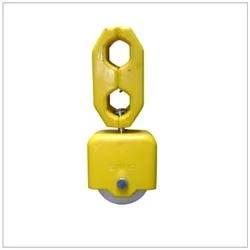
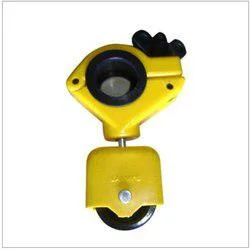
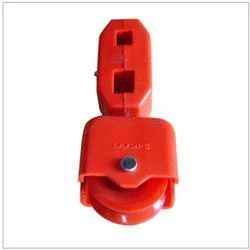
Industrial Four Wheel Bearing Cable Trolley For Overhead Conveying
Industrial Cable Trolley Heavy Duty Multiple Carriers Durable
Industrial Material Handling Federal Four Wheel Cable Trolley
AMRA General Trading LLC
Residential Commercial ArmorRite Casement Windows Euro Groove Multi Point Locking
Residential ArmorRite Sliding Windows Single/Double New Australian Standards
ArmorRite Bi Fold Doors Multi Point Locking Security Residential Commercial
Zenith Weldaids Ltd
High Efficiency Wet Wire Drawing Machine For Metal Processing Industries
Industrial Vertical Blocks DDM For Aluminum Brass Copper Wire Drawing
Premium Spool Takeups For Wire Rope And Cable Industries
Jaya Impex
Pharmaceutical Capsule Filling Machine For Powders Granules Pellets
Premium Empty Gelatin Capsules For Pharmaceutical And Nutraceutical Industries
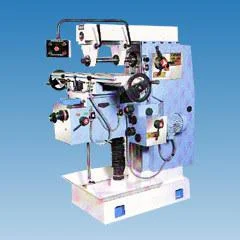
Industrial Workshop Machinery Metalworking Woodworking Tools
Precision Engineering Company
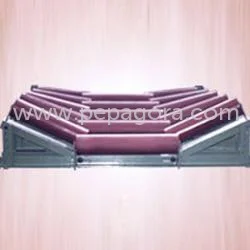
Industrial Conveyor Rollers For Material Handling Systems
Premium Conveyor Idlers For Bulk Material Handling Systems
Construction Metal Fabrication Services For Structural Components
Why Businesses Trust Pepagora
Thousands of companies trust Pepagora to source smarter and sell faster
Expand Your Sales Globally
25000+Products listed.Get discovered by global buyers
Tools to boost visibility
Build your own catalog

Source Smarter,Grow Faster
4000+Active RFQs
100+ Countries served
Easy Sourcing Tools
