
 IN
INundefined
Wholesale Fabric Suppliers
0 products available
𝗪𝗵𝗮𝘁 𝗮𝗿𝗲 𝗪𝗵𝗼𝗹𝗲𝘀𝗮𝗹𝗲 𝗙𝗮𝗯𝗿𝗶𝗰 𝗦𝘂𝗽𝗽𝗹𝗶𝗲𝗿𝘀?
Wholesale fabric suppliers are businesses that provide large quantities of fabrics to retailers, manufacturers, and other businesses at competitive prices. These suppliers typically operate on a B2B model, meaning they sell directly to other businesses rather than to individual consumers. Wholesale fabric suppliers offer a wide range of materials, including cotton, polyester, silk, and blends, catering to various industries and applications.
The primary uses of wholesale fabrics include clothing manufacturing, upholstery, home textiles, and industrial applications. These fabrics are essential for businesses in the fashion industry, interior design, and even in sectors like automotive and healthcare, where specialized textiles are required. By sourcing fabrics in bulk from wholesale suppliers, businesses can maintain lower costs and ensure a steady supply of materials to meet production demands.
In the current market context, wholesale fabric suppliers play a vital role in the supply chain. They enable manufacturers to access a diverse range of materials without the high overhead costs of maintaining large inventories. As consumer trends shift towards sustainable and high-quality products, suppliers that can offer eco-friendly fabrics or specialized textiles are becoming increasingly relevant.
𝗞𝗲𝘆 𝗙𝗲𝗮𝘁𝘂𝗿𝗲𝘀 𝗮𝗻𝗱 𝗦𝗽𝗲𝗰𝗶𝗳𝗶𝗰𝗮𝘁𝗶𝗼𝗻𝘀
Wholesale fabric suppliers offer a variety of features and specifications that cater to the needs of different industries. Understanding these specifications can help businesses make informed decisions when selecting a supplier.
Key specifications include:
1. Fabric Type
- Different types include natural fibers (like cotton and wool) and synthetic fibers (like polyester and nylon).
- Each type has unique properties affecting durability, comfort, and care requirements.
2. Weight
- Fabric weight is crucial for determining suitability for various applications.
- Typically measured in grams per square meter (GSM), weights may range from lightweight (around 100 GSM) to heavy (over 400 GSM).
3. Width
- Fabric width affects the amount of material needed for projects.
- Common widths include 45 inches, 54 inches, and 60 inches.
4. Color and Pattern Options
- Suppliers provide a wide array of colors and patterns to meet diverse design needs.
- Custom color matching may be available for large orders.
5. Durability
- Fabrics are assessed based on their strength and wear resistance.
- Specifications may include tear strength and abrasion resistance ratings.
6. Compliance with Standards
- Many suppliers adhere to industry standards, ensuring fabric safety and quality.
- Common certifications include CE, indicating compliance with European safety standards.
7. Minimum Order Quantity (MOQ)
- Suppliers often set a minimum order quantity that businesses must meet to purchase.
- MOQs can vary significantly based on the type of fabric and supplier.
8. Lead Time
- The time from order placement to delivery is critical for production schedules.
- Lead times can range from a few days to several weeks, depending on the supplier's capacity.
In summary, selecting the right wholesale fabric supplier involves understanding these key specifications and how they align with business needs.
𝗖𝗼𝗺𝗺𝗼𝗻 𝗔𝗽𝗽𝗹𝗶𝗰𝗮𝘁𝗶𝗼𝗻𝘀 𝗮𝗻𝗱 𝗨𝘀𝗲 𝗖𝗮𝘀𝗲𝘀
Wholesale fabrics are utilized across various industries, each with specific applications that highlight the versatility of these materials.
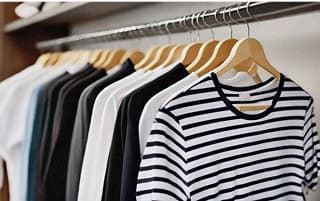
1. Fashion Industry: Fabrics are essential for clothing design and production. Designers rely on high-quality materials for garments, from casual wear to haute couture.
2. Interior Design: Upholstery fabrics are crucial for furniture and home décor. Designers use a range of textiles to create aesthetic and functional living spaces.
3. Automotive Industry: Specialized fabrics are used in car interiors, including seat covers and headliners. These fabrics must meet durability and safety standards.
4. Healthcare Sector: Fabrics for medical applications, such as scrubs and hospital linens, must be durable and easy to sanitize. Suppliers provide materials that meet specific hygiene requirements.
5. Sports and Outdoor Equipment: Fabrics designed for performance gear and outdoor gear, such as tents and backpacks, are engineered for strength and weather resistance.
6. Home Textiles: Fabrics for bedding, curtains, and table linens are popular among retailers. Suppliers offer a variety of patterns and textures for home use.
7. Craft and DIY Projects: Many businesses cater to hobbyists and DIY enthusiasts, providing a range of fabrics for sewing, quilting, and other crafts.
𝗣𝗿𝗼𝗱𝘂𝗰𝘁 𝗩𝗮𝗿𝗶𝗮𝗻𝘁𝘀 𝗮𝗻𝗱 𝗦𝘂𝗯𝗰𝗮𝘁𝗲𝗴𝗼𝗿𝗶𝗲𝘀
Wholesale fabric suppliers offer a diverse range of products to meet the varying needs of their clients. This diversity allows businesses to find specific materials suited for their unique applications.
Cotton Fabrics: Cotton is a popular choice for its breathability and comfort. It is widely used in clothing and home textiles, offering a variety of prints and finishes.
Polyester Fabrics: Known for their durability and wrinkle resistance, polyester fabrics are commonly used in both clothing and industrial applications. They are often blended with other fibers for enhanced properties.
Silk Fabrics: Luxurious and soft, silk is favored for high-end garments and accessories. Suppliers provide various silk types, including charmeuse and chiffon.
Canvas Fabrics: Heavy-duty canvas is ideal for outdoor applications, such as tents and bags. Its strength and water resistance make it suitable for rugged use.
𝗕𝗲𝗻𝗲𝗳𝗶𝘁𝘀 𝗮𝗻𝗱 𝗔𝗱𝘃𝗮𝗻𝘁𝗮𝗴𝗲𝘀
Sourcing from wholesale fabric suppliers offers several advantages for businesses looking to optimize their operations.
Key benefits include:
1. Cost-Effectiveness: Purchasing in bulk from wholesale suppliers reduces the overall cost per yard, leading to significant savings for businesses.
2. Extensive Selection: Wholesale suppliers often provide a wide variety of fabric types, colors, and patterns, allowing businesses to find exactly what they need.
3. Reliable Supply: Establishing a relationship with a wholesale supplier ensures a consistent and reliable source of materials, which is critical for meeting production demands.
4. Customization Options: Many suppliers offer customization in terms of fabric design and color, allowing businesses to create unique products.
5. Efficient Sourcing: Working with a dedicated supplier streamlines the procurement process, saving time and effort in sourcing materials.
6. Quality Assurance: Established wholesale fabric suppliers often adhere to strict quality standards, providing peace of mind regarding the materials used in production.
𝗕𝘂𝘆𝗶𝗻𝗴 𝗚𝘂𝗶𝗱𝗲 𝗳𝗼𝗿 𝗕𝟮𝗕 𝗕𝘂𝘆𝗲𝗿𝘀
When sourcing wholesale fabric suppliers, B2B buyers should consider several key factors to ensure they make informed choices.
1. Quality Assessment: Evaluate the quality of fabrics by requesting samples and checking for certifications. Look for consistency in texture, color, and performance.
2. Supplier Verification: Conduct thorough research to verify the supplier's credibility. This includes checking references and customer reviews, as well as their compliance with industry standards.
3. Pricing and MOQ: Understand the pricing structure and minimum order quantities. It's essential to balance cost with the quality and quantity needed for production.
4. Delivery and Lead Times: Inquire about delivery options and lead times. Timely delivery is crucial for maintaining production schedules and meeting customer demands.
5. Compliance Requirements: Ensure that the supplier meets all relevant compliance and regulatory requirements for the fabrics being sourced. This includes safety standards and environmental considerations.
𝗖𝗼𝗺𝗽𝗹𝗶𝗮𝗻𝗰𝗲 𝗮𝗻𝗱 𝗖𝗲𝗿𝘁𝗶𝗳𝗶𝗰𝗮𝘁𝗶𝗼𝗻𝘀
Wholesale fabric suppliers are often required to meet various compliance and certification standards to ensure the safety and quality of their products.
Relevant quality standards include ISO 9001, which focuses on quality management systems, ensuring consistent product quality. Suppliers may also adhere to HACCP guidelines for safety in food-related fabrics and GDP for good distribution practices.
Industry certifications like CE indicate compliance with European safety standards, which is particularly important for products sold in European markets. Safety and testing requirements vary by fabric type, but they typically include assessments for durability, flammability, and chemical safety.
Additionally, suppliers must remain aware of regional compliance considerations, particularly when exporting materials. Different countries may have specific regulations regarding textile imports, making it essential for suppliers to stay informed and compliant.
𝗪𝗵𝘆 𝗦𝗼𝘂𝗿𝗰𝗲 𝗪𝗵𝗼𝗹𝗲𝘀𝗮𝗹𝗲 𝗙𝗮𝗯𝗿𝗶𝗰 𝗦𝘂𝗽𝗽𝗹𝗶𝗲𝗿𝘀 𝗳𝗿𝗼𝗺 𝗣𝗲𝗽𝗮𝗴𝗼𝗿𝗮?
Pepagora provides a trusted platform for sourcing wholesale fabric suppliers, offering several key advantages to businesses.
Verified Supplier Network: Pepagora connects buyers with a network of verified suppliers, ensuring that businesses work with reputable sources. This verification process helps mitigate risks and assures quality.
Streamlined RFQ Process: The platform features an efficient request for quotation (RFQ) system, allowing buyers to easily compare prices and select the best offers. This simplifies the procurement process and speeds up decision-making.
Trade Assurance and Support: Pepagora offers trade assurance, providing buyers with protection against potential issues in transactions. This support enhances buyer confidence and encourages smoother business relationships.
Regional Coverage: With a strong presence in India, the GCC, and Southeast Asia, Pepagora’s platform facilitates access to a wide range of suppliers. This geographic reach allows businesses to tap into diverse markets and sourcing options, optimizing their supply chains.
Newly Added
Currently, no products are listed. Explore other categories listed below or post your buying request
Explore Verified Categories
Browse trusted industries powered by verified suppliers.
Recently Added












Why Businesses Trust Pepagora
Thousands of companies trust Pepagora to source smarter and sell faster
Expand Your Sales Globally
25000+Products listed.Get discovered by global buyers
Tools to boost visibility
Build your own catalog

Source Smarter,Grow Faster
4000+Active RFQs
100+ Countries served
Easy Sourcing Tools
