
 IN
INundefined
White Eggs (Farm Eggs)
9 products available
What are White Eggs (Farm Eggs)?
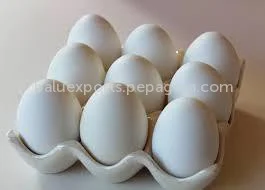
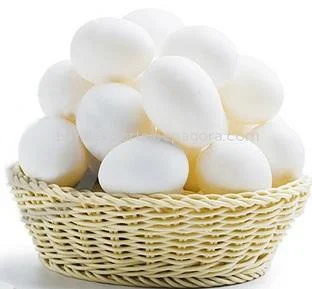
White eggs, commonly referred to as farm eggs, are eggs produced by hens that lay white-shelled eggs. These eggs are a staple in many households and businesses due to their versatility and nutritional benefits. They are rich in protein and contain essential vitamins and minerals, making them a fundamental ingredient in various culinary applications.
The primary uses of white eggs include baking, cooking, and food production. Businesses in the food service industry, such as restaurants, bakeries, and catering companies, rely heavily on white eggs for their recipes. Additionally, they are frequently used in the production of processed foods, such as mayonnaise and pasta. The market for white eggs continues to grow as consumers seek high-quality ingredients for their meals.
In terms of industry relevance, white eggs play a significant role in both local and global food supply chains. The demand for white eggs is influenced by dietary trends, population growth, and the increasing popularity of high-protein diets. As a result, understanding the dynamics of the white egg market is crucial for businesses involved in food production and distribution.
𝗞𝗲𝘆 𝗙𝗲𝗮𝘁𝘂𝗿𝗲𝘀 𝗮𝗻𝗱 𝗦𝗽𝗲𝗰𝗶𝗳𝗶𝗰𝗮𝘁𝗶𝗼𝗻𝘀
White eggs come with a range of features and specifications that cater to various industry needs. These specifications ensure quality and consistency in production.
Key specifications include:
1. Size Classification
- White eggs are commonly classified by size, including small, medium, large, and extra-large.
- The size classification is based on the weight of the eggs, providing options for different culinary applications.
2. Quality Grade
- Eggs are graded based on their quality, with categories such as AA, A, and B.
- Grade AA eggs have a firm white and a high, rounded yolk, while Grade B eggs may have a thinner white and are typically used in processed foods.
3. Shell Color
- The shell color of white eggs is a result of the breed of the hen.
- White eggs are often preferred for their aesthetic appeal in certain markets.
4. Freshness
- Freshness is critical in determining the quality of white eggs.
- Eggs should ideally be consumed within a few weeks of production for optimal taste and nutritional value.
5. Packaging
- White eggs are typically packaged in cartons that provide protection and facilitate transportation.
- Packaging should ensure minimal breakage and maintain egg quality during shipping.
6. Nutritional Content
- White eggs are a good source of protein, with approximately 6 grams of protein per egg.
- They also contain essential vitamins such as B12 and D, contributing to a balanced diet.
7. Shelf Life
- White eggs can have a shelf life of about 3 to 5 weeks when stored properly in refrigeration.
- Proper storage conditions help maintain freshness and prevent spoilage.
8. Certification
- Many producers seek certifications, such as CE, to demonstrate adherence to quality standards and regulations.
- Certification can enhance marketability and consumer trust.
In summary, the specifications of white eggs ensure that businesses can select the right products for their culinary and production needs.
𝗖𝗼𝗺𝗺𝗼𝗻 𝗔𝗽𝗽𝗹𝗶𝗰𝗮𝘁𝗶𝗼𝗻𝘀 𝗮𝗻𝗱 𝗨𝘀𝗲 𝗖𝗮𝘀𝗲𝘀
White eggs are utilized in a variety of industries, showcasing their versatility.
1. Food Service: Restaurants and cafes use white eggs for breakfast dishes, baking, and as ingredients in sauces and dressings.
2. Bakery: Bakers rely on white eggs for making cakes, pastries, and meringues, where egg whites are crucial for texture and structure.
3. Food Processing: Manufacturers of processed foods use white eggs in products like mayonnaise, pasta, and baked snacks.
4. Catering: Caterers incorporate white eggs in diverse menus for events, ensuring quality and taste in their offerings.
5. Retail: Grocery stores and supermarkets stock white eggs as a staple item for consumers, catering to everyday cooking needs.
6. Health and Nutrition: Health-focused businesses often promote white eggs for their high protein content and nutritional benefits.
7. Export: Countries with large poultry industries export white eggs to meet international demand, contributing to global food supply.
𝗣𝗿𝗼𝗱𝘂𝗰𝘁 𝗩𝗮𝗿𝗶𝗮𝗻𝘁𝘀 𝗮𝗻𝗱 𝗦𝘂𝗯𝗰𝗮𝘁𝗲𝗴𝗼𝗿𝗶𝗲𝘀
While the main focus is on white farm eggs, there are various aspects that differentiate egg products in the market.
Organic White Eggs
Organic white eggs come from hens raised in organic conditions, without the use of antibiotics or synthetic feed. These eggs appeal to health-conscious consumers and often command higher prices.
Free-Range White Eggs
Free-range white eggs are laid by hens that have access to the outdoors. This method of farming is associated with higher animal welfare standards and is increasingly popular among consumers looking for ethically sourced products.
Cage-Free White Eggs
Cage-free white eggs are produced by hens that are not kept in cages. They have more freedom of movement compared to battery-caged hens, aligning with consumer demand for humane farming practices.
Omega-3 Enriched White Eggs
These eggs are produced by hens that are fed a diet enriched with omega-3 fatty acids. They provide additional health benefits and are marketed to consumers seeking heart-healthy options.
𝗕𝗲𝗻𝗲𝗳𝗶𝘁𝘀 𝗮𝗻𝗱 𝗔𝗱𝘃𝗮𝗻𝘁𝗮𝗴𝗲𝘀
Sourcing white eggs offers numerous benefits for businesses in various sectors.
1. Nutritional Value: White eggs are an excellent source of high-quality protein, essential for a balanced diet and supporting muscle growth.
2. Versatility: White eggs can be used in a wide range of recipes, from savory dishes to baked goods, making them an essential ingredient in many kitchens.
3. Cost-Effectiveness: White eggs are often more affordable than specialty eggs, making them a budget-friendly option for restaurants and food producers.
4. Consistent Quality: With proper sourcing, businesses can ensure a consistent supply of high-quality eggs that meet their culinary standards.
5. Consumer Demand: The popularity of white eggs remains strong among consumers, ensuring steady sales for businesses that offer them.
6. Easy Storage: When stored properly, white eggs have a relatively long shelf life, allowing businesses to maintain inventory without frequent restocking.
𝗕𝘂𝘆𝗶𝗻𝗴 𝗚𝘂𝗶𝗱𝗲 𝗳𝗼𝗿 𝗕𝟮𝗕 𝗕𝘂𝘆𝗲𝗿𝘀
When sourcing white eggs, businesses should consider several important factors.
1. Quality Assessment: It is essential to evaluate the quality of white eggs based on grading, freshness, and nutritional content. Look for suppliers that adhere to industry standards.
2. Supplier Verification: Vet potential suppliers to ensure they have a good reputation and comply with health and safety regulations. Checking reviews and certifications can be beneficial.
3. Pricing and MOQ: Understand the pricing structure and minimum order quantities (MOQs) of suppliers. This helps in budgeting and ensuring adequate supply for business needs.
4. Delivery and Lead Times: Inquire about delivery options and lead times to ensure timely supply. Reliable logistics are crucial for maintaining inventory.
5. Compliance Requirements: Be aware of local and regional compliance regulations regarding food safety and quality standards. Ensure suppliers meet these requirements.
𝗖𝗼𝗺𝗽𝗹𝗶𝗮𝗻𝗰𝗲 𝗮𝗻𝗱 𝗖𝗲𝗿𝘁𝗶𝗳𝗶𝗰𝗮𝘁𝗶𝗼𝗻𝘀
Compliance with industry standards is crucial for the production and distribution of white eggs.
Relevant quality standards include ISO 9001, which ensures that suppliers maintain effective quality management systems. HACCP (Hazard Analysis and Critical Control Points) is vital in food safety, focusing on identifying hazards and implementing controls during production. Additionally, Good Distribution Practice (GDP) guidelines help ensure that eggs are stored and transported under appropriate conditions.
Certifications, such as CE, indicate compliance with essential health and safety regulations, making them important for market access. Suppliers should be able to provide proof of these certifications to enhance trust and credibility.
Safety and testing requirements also play a significant role in egg production. Regular testing for contaminants and quality assurance processes are necessary to comply with health regulations. Furthermore, regional compliance considerations may vary, necessitating awareness of local laws governing food safety and egg production.
Why Source White Eggs (Farm Eggs) from Pepagora?
Pepagora offers a trusted platform for sourcing white eggs, providing several advantages for B2B buyers.
The verified supplier network ensures that businesses can connect with reputable producers who meet industry standards. This network helps buyers find reliable sources for their egg supply, reducing the risk of quality issues.
The streamlined RFQ process simplifies the quotation system, allowing buyers to request pricing and product details efficiently. This enhances the overall purchasing experience and helps businesses make informed decisions.
Pepagora also prioritizes trade assurance and support. This buyer protection ensures that transactions are secure and that businesses can resolve any issues that may arise during sourcing.
Lastly, Pepagora’s regional coverage spans India, the GCC, and Southeast Asia. This broad reach enables businesses to source white eggs from various locations, ensuring they can meet local demand and preferences.
Newly Added







Recently Added
Bangalore Fine Chem
Premium Laboratory Reagents For Diagnostic Testing And Pathological Analysis
Laboratory Borosilicate Glassware Heat Resistant Chemically Durable
Food Grade Starches: Maize, Potato, Rice, Wheat Variants
Prabhat Udyog
Premium Bulk Soya Products Exporter High Protein Milk Cake Sauce Beans
Premium Export Quality Totapuri Alphonso Mango Pulp For Food Manufacturers
Premium Indian Organic Black Green Orthodox Tea Bulk Supply
Tamil Exports
Bulk Organic Potatoes Fresh Hygienic High Grade
Organic Fresh Sliced Carrots Hygienical Processed Long Shelf Life
Bulk Organic Fresh Young Ginger Root For Health And Food Processing
Imperial House Of Trading
Organic Jasmine Black Tea 100% Pure Food Grade
Industrial Organic Black Tea Dust Powder 100% Pure Food Grade
Premium Ceylon Organic Black Tea 100% Pure Pesticide Free Food Grade
RPV Exports
Organic Basmati Rice Premium Long Grain Nutritional
Organic 1121 White Basmati Rice Sella Parboiled 8.3mm Grain
Organic White Sella Basmati Rice 8.3mm Grain, 100% Pure, Food Service
Raj Exim
Premium Granite Slabs For Construction And Interior Design
Premium Dried Field Corn Maize Kernels Yellow Open Air Cultivation
Organic Dried Chickpeas Bulk Seasoned High Fiber
Balu Exports
Organic Fresh Bananas Rich Taste Hygienic Packaging
Organic Seeded Grapes Fresh Food Grade Pesticide Free
Fresh Coconuts For Food Medicine Nutrition Long Shelf Life
Simply Organics
Organic Flax Seed Powder Rich in Omega 3s, Fiber, Antioxidants
Premium Organic Kokum Powder For Food, Beverage & Cosmetic Industries
Organic Tulsi Powder For Immunity Support And Stress Relief
Why Businesses Trust Pepagora
Thousands of companies trust Pepagora to source smarter and sell faster
Expand Your Sales Globally
25000+Products listed.Get discovered by global buyers
Tools to boost visibility
Build your own catalog

Source Smarter,Grow Faster
4000+Active RFQs
100+ Countries served
Easy Sourcing Tools
