
 IN
INundefined
White Bread
4 products available
𝗪𝗵𝗮𝘁 𝗮𝗿𝗲 𝗪𝗵𝗶𝘁𝗲 𝗕𝗿𝗲𝗮𝗱?
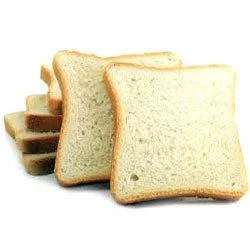
White bread is a type of bread made from refined wheat flour, which gives it a soft texture and light color. The flour is processed to remove the bran and germ, resulting in a finer, smoother product. This bread is often enriched with vitamins and minerals to enhance its nutritional value, making it a popular choice among consumers and businesses alike.
In the B2B context, white bread is widely used in various food services, including restaurants, catering companies, and grocery stores. It serves as a staple for sandwiches, toast, and other culinary applications. Its versatility and ease of preparation make it an essential product for food service providers. The demand for white bread remains strong in the market, driven by consumer preferences for taste and texture.
The industrial relevance of white bread spans multiple sectors, including food production, hospitality, and retail. As the global market for baked goods continues to grow, businesses are increasingly focusing on high-quality bread products to meet consumer expectations. The ability to source white bread efficiently can significantly impact operational success in the food industry.
𝗞𝗲𝘆 𝗙𝗲𝗮𝘁𝘂𝗿𝗲𝘀 𝗮𝗻𝗱 𝗦𝗽𝗲𝗰𝗶𝗳𝗶𝗰𝗮𝘁𝗶𝗼𝗻𝘀
White bread is appreciated for its consistent quality and texture. Understanding its key features and specifications is vital for businesses looking to purchase this product.
Key specifications include:
1. Ingredients
- Made primarily from refined wheat flour, water, yeast, and salt
- May include preservatives and enrichment agents for extended shelf life
2. Shelf Life
- Typically lasts 5 to 7 days at room temperature
- Can be extended with proper packaging and storage
3. Nutritional Content
- Enriched with vitamins B1, B2, B3, and iron
- Standard serving size contains approximately 75-100 calories
4. Texture
- Soft and fluffy crumb with a light crust
- Ideal for a variety of baking and culinary applications
5. Packaging
- Available in loaves, rolls, and sliced forms
- Often vacuum-sealed or wrapped for freshness
6. Customization Options
- Can be tailored to specific recipes or dietary needs
- Options include gluten-free or reduced-sodium variations
7. Production Process
- Produced through a commercial baking process that ensures consistency
- Requires strict adherence to quality control measures
In summary, white bread is a versatile product with specific features and specifications that cater to a wide range of business applications.
𝗖𝗼𝗺𝗺𝗼𝗻 𝗔𝗽𝗽𝗹𝗶𝗰𝗮𝘁𝗶𝗼𝗻𝘀 𝗮𝗻𝗱 𝗨𝘀𝗲 𝗖𝗮𝘀𝗲𝘀
White bread serves various industries, making it a highly sought-after product.
1. Food Service: Restaurants and cafes utilize white bread for sandwiches, burgers, and toasted items, enhancing their menu offerings.
2. Catering: Catering companies often include white bread in their platters, providing a familiar and appealing option for events and gatherings.
3. Retail: Grocery stores and bakeries stock white bread as a staple item, appealing to everyday consumers for home use.
4. Hospitality: Hotels and resorts use white bread in breakfast buffets and dining services, ensuring guests have familiar options.
5. Food Processing: Manufacturers of pre-packaged meals may incorporate white bread into their products, enhancing convenience for consumers.
6. Meal Kits: Companies offering meal kit services often include white bread as a key ingredient, catering to families and busy individuals.
𝗣𝗿𝗼𝗱𝘂𝗰𝘁 𝗩𝗮𝗿𝗶𝗮𝗻𝘁𝘀 𝗮𝗻𝗱 𝗦𝘂𝗯𝗰𝗮𝘁𝗲𝗴𝗼𝗿𝗶𝗲𝘀
White bread comes in various forms, catering to different consumer preferences and business needs.
Classic White Bread
This variant is the traditional loaf, characterized by its soft texture and mild flavor. It is commonly used for sandwiches and toast in various food service applications.
Enriched White Bread
This type of white bread is fortified with additional vitamins and minerals, making it a healthier choice for consumers. It is often used in health-conscious dining establishments.
Whole Wheat White Bread
A blend of refined and whole wheat flour, this variant offers a healthier alternative while maintaining the soft texture of traditional white bread. It appeals to consumers looking for more fiber in their diets.
𝗕𝗲𝗻𝗲𝗳𝗶𝘁𝘀 𝗮𝗻𝗱 𝗔𝗱𝘃𝗮𝗻𝘁𝗮𝗴𝗲𝘀
White bread provides several advantages for both consumers and businesses.
1. Versatility: Its neutral flavor and texture make it suitable for a wide range of culinary applications, from sandwiches to breakfast items.
2. Convenience: White bread is easy to prepare and can be used in various forms, such as sliced, toasted, or as an ingredient in recipes.
3. Cost-Effectiveness: Typically, white bread is available at a lower price point compared to specialty breads, making it a budget-friendly option for businesses.
4. Consistent Quality: White bread production follows standardized processes, ensuring that businesses receive a reliable product every time.
5. Consumer Preference: Many consumers favor white bread for its taste and texture, making it a staple item in most households.
6. Extended Shelf Life: With proper packaging, white bread can maintain freshness for longer periods, reducing waste for businesses.
𝗕𝘂𝘆𝗶𝗻𝗴 𝗚𝘂𝗶𝗱𝗲 𝗳𝗼𝗿 𝗕𝟮𝗕 𝗕𝘂𝘆𝗲𝗿𝘀
When sourcing white bread, it is essential for businesses to consider several factors to ensure they make informed purchasing decisions.
1. Quality Assessment: Evaluate the quality of the bread by checking for freshness, texture, and taste. It is advisable to request samples before placing bulk orders.
2. Supplier Verification: Conduct thorough research on potential suppliers to ensure they meet industry standards and have a good reputation for consistent product quality.
3. Pricing and MOQ: Understand the pricing structure and minimum order quantities (MOQ) required by suppliers. This will help in budgeting and inventory management.
4. Delivery and Lead Times: Confirm delivery schedules and lead times to ensure that the bread arrives when needed, particularly for businesses with tight timelines.
5. Compliance Requirements: Be aware of food safety regulations and certifications relevant to white bread, ensuring that suppliers meet necessary compliance standards.
𝗖𝗼𝗺𝗽𝗹𝗶𝗮𝗻𝗰𝗲 𝗮𝗻𝗱 𝗖𝗲𝗿𝘁𝗶𝗳𝗶𝗰𝗮𝘁𝗶𝗼𝗻𝘀
Compliance with quality standards is critical in the production of white bread. Relevant standards include ISO 9001, which ensures a framework for quality management systems.
HACCP (Hazard Analysis Critical Control Point) is essential for food safety, guiding manufacturers in identifying and controlling potential hazards throughout the production process.
CE certification indicates that products meet European safety standards, enhancing buyer confidence in product quality.
Safety and testing requirements are also crucial in ensuring that white bread is safe for consumption. Manufacturers must adhere to regional compliance standards, which may vary by market.
𝗪𝗵𝘆 𝗦𝗼𝘂𝗿𝗰𝗲 𝗪𝗵𝗶𝘁𝗲 𝗕𝗿𝗲𝗮𝗱 𝗳𝗿𝗼𝗺 𝗣𝗲𝗽𝗮𝗴𝗼𝗿𝗮?
Pepagora provides a trusted platform for sourcing white bread, offering several key advantages to B2B buyers.
Verified Supplier Network: Pepagora connects buyers with a network of verified suppliers, ensuring that businesses can source high-quality white bread with confidence.
Streamlined RFQ Process: The platform features a user-friendly request for quotation (RFQ) system, allowing buyers to easily compare offers and select the best options for their needs.
Trade Assurance and Support: Buyers benefit from trade assurance and dedicated support, providing protection and assistance throughout the purchasing process.
Regional Coverage: Pepagora's extensive reach across India, the GCC, and Southeast Asia ensures that businesses can find reliable sources of white bread tailored to their regional markets.
Newly Added


Recently Added
JM Breads Pvt Ltd
Frozen Chocolate Cake Eco Friendly Stocked Round Square
Bulk Black Forest Chocolate Butter Cake 1kg 6 Week Shelf Life
Premium Wholesale Birthday Cakes Bulk Supply For Bakeries
Alsafaa Food Products
Premium Confectionery Rusks: Crisp, Golden, Rich Flavor
Premium Milk Rusks For Buyers High Nutrition Tea Time Snack
Premium Soft Salt Bread For Food Service Bulk Supply
Why Businesses Trust Pepagora
Thousands of companies trust Pepagora to source smarter and sell faster
Expand Your Sales Globally
25000+Products listed.Get discovered by global buyers
Tools to boost visibility
Build your own catalog

Source Smarter,Grow Faster
4000+Active RFQs
100+ Countries served
Easy Sourcing Tools
