
 IN
INundefined
Wheat Grain
1 products available
𝗪𝗵𝗮𝘁 𝗮𝗿𝗲 𝗪𝗵𝗲𝗮𝘁 𝗚𝗿𝗮𝗶𝗻?
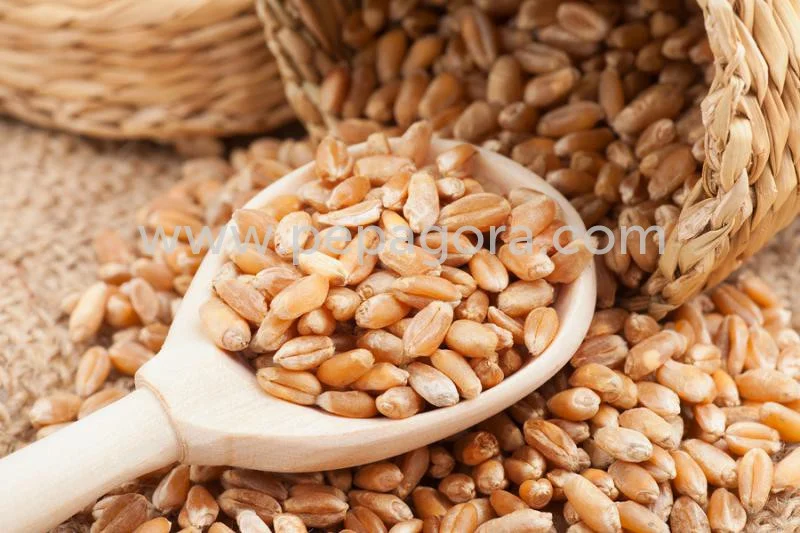
Wheat grain is the seed of the wheat plant, a staple food source for many cultures worldwide. It is a cereal grain that is primarily used in the production of flour, which is a key ingredient in various food products such as bread, pasta, and pastries. Wheat grain contains essential nutrients, including carbohydrates, proteins, vitamins, and minerals, making it a fundamental component of diets across the globe.
In terms of business applications, wheat grain is vital in the food processing industry. It is used by millers to produce flour for bakeries and food manufacturers. Additionally, wheat grain can be utilized as animal feed, contributing to livestock production. The wheat market is significant and competitive, driven by global demand for food security, health trends, and economic factors affecting agriculture.
𝗞𝗲𝘆 𝗙𝗲𝗮𝘁𝘂𝗿𝗲𝘀 𝗮𝗻𝗱 𝗦𝗽𝗲𝗰𝗶𝗳𝗶𝗰𝗮𝘁𝗶𝗼𝗻𝘀
Wheat grain is characterized by its nutritional content, quality, and variety. The specifications of wheat grain vary based on its intended use, such as for human consumption or animal feed. The following are key specifications for wheat grain:
1. Grain Type
- Hard Red Winter, Soft Red Winter, Hard Red Spring, and Durum
- Each type has distinct protein content and baking qualities
2. Moisture Content
- Typically ranges from 12% to 14%
- Important for storage stability and preventing spoilage
3. Test Weight
- Generally between 58 to 64 pounds per bushel
- Affects market value and quality assessment
4. Protein Content
- Ranges from 10% to 15%
- Higher protein content is preferred for bread-making
5. Ash Content
- Should be less than 0.5%
- Indicates the purity of the flour produced
6. Gluten Strength
- Varies by wheat type; essential for bread and pasta production
- Strong gluten is desirable for elasticity and dough rise
7. Falling Number
- Measures enzyme activity; typically 250 seconds or more is ideal
- Affects baking quality and shelf life
8. Kernel Hardness
- Classified as hard or soft; impacts milling and end-product quality
- Hard wheat is used for bread, while soft wheat is used for cakes
In summary, understanding the features and specifications of wheat grain is crucial for buyers to ensure they select the right type for their specific applications.
𝗖𝗼𝗺𝗺𝗼𝗻 𝗔𝗽𝗽𝗹𝗶𝗰𝗮𝘁𝗶𝗼𝗻𝘀 𝗮𝗻𝗱 𝗨𝘀𝗲 𝗖𝗮𝘀𝗲𝘀
Wheat grain serves a variety of industries due to its versatility and nutritional benefits.
1. Food Manufacturing: Wheat is primarily used to produce flour for bread, pastries, and pasta. Flour mills process wheat grain into different types of flour suited for various baked goods.
2. Animal Feed: Wheat grain is a cost-effective ingredient in livestock feed formulations. It provides essential nutrients and energy to poultry, cattle, and swine.
3. Snack Food Production: Whole wheat or flour derived from wheat is utilized in the production of snack foods like crackers, cookies, and breakfast cereals.
4. Brewing Industry: Some types of wheat are used in the brewing process for beers and other fermented beverages, contributing to flavor and foam stability.
5. Gluten-Free Alternatives: With the rise of gluten-free diets, wheat grain is increasingly processed into alternatives or blends to cater to health-conscious consumers.
6. Bioplastics and Non-Food Products: Wheat starch is utilized in the production of biodegradable plastics and other non-food items, showcasing its versatility beyond food applications.
7. Nutraceuticals: Wheat germ, rich in vitamins and minerals, is often used in health supplements and functional foods.
𝗣𝗿𝗼𝗱𝘂𝗰𝘁 𝗩𝗮𝗿𝗶𝗮𝗻𝘁𝘀 𝗮𝗻𝗱 𝗦𝘂𝗯𝗰𝗮𝘁𝗲𝗴𝗼𝗿𝗶𝗲𝘀
Wheat grain is diverse and offers various forms to meet different market needs.
Hard Red Winter Wheat: This variant is known for its high protein content and strong gluten. It is ideal for bread production and is widely used in the baking industry.
Soft Red Winter Wheat: This type contains lower protein levels and is suitable for making softer baked goods, such as cakes and pastries. It is often used in snack food production.
Hard Red Spring Wheat: Recognized for its high-quality protein and excellent baking characteristics, this variant is commonly used for artisan breads and high-end baked products.
Durum Wheat: This wheat variant has the highest protein content and is primarily used for pasta production. It is known for its firm texture and cooking qualities.
𝗕𝗲𝗻𝗲𝗳𝗶𝘁𝘀 𝗮𝗻𝗱 𝗔𝗱𝘃𝗮𝗻𝘁𝗮𝗴𝗲𝘀
Sourcing wheat grain provides numerous benefits to businesses in various sectors.
1. Nutritional Value: Wheat grain is a rich source of carbohydrates, protein, and essential nutrients, promoting health and well-being.
2. Versatility: With multiple applications in food, feed, and non-food products, wheat grain caters to a diverse range of industries.
3. Economic Benefits: Wheat grain is often more cost-effective than other grains, making it an attractive option for businesses.
4. Quality Assurance: When sourced from reputable suppliers, wheat grain can meet high-quality standards, ensuring consistent product performance.
5. Global Availability: Wheat is cultivated in many regions, providing a reliable supply chain for businesses worldwide.
6. Innovation Potential: The development of improved wheat varieties and processing techniques continues to enhance the grain's applications and marketability.
𝗕𝘂𝘆𝗶𝗻𝗴 𝗚𝘂𝗶𝗱𝗲 𝗳𝗼𝗿 𝗕𝟮𝗕 𝗕𝘂𝘆𝗲𝗿𝘀
When sourcing wheat grain, B2B buyers should consider several important factors to ensure a successful procurement process.
1. Quality Assessment: Buyers should evaluate the grain based on moisture content, protein levels, and other quality specifications. Laboratory testing may be necessary to confirm these attributes.
2. Supplier Verification: It is crucial to vet suppliers for reliability and quality assurance. Look for suppliers with a proven track record in the industry and positive customer feedback.
3. Pricing and MOQ: Understand the pricing structure and minimum order quantities (MOQ) that suppliers offer. This can vary based on quality and type, so it is essential to compare multiple suppliers.
4. Delivery and Lead Times: Discuss logistics with suppliers to determine delivery schedules and lead times. Timely delivery is vital for maintaining production schedules.
5. Compliance Requirements: Ensure that the wheat grain meets relevant regulatory standards and certifications, which may vary by region and application.
𝗖𝗼𝗺𝗽𝗹𝗶𝗮𝗻𝗰𝗲 𝗮𝗻𝗱 𝗖𝗲𝗿𝘁𝗶𝗳𝗶𝗰𝗮𝘁𝗶𝗼𝗻𝘀
Wheat grain must adhere to several quality standards and certifications to ensure it meets industry requirements. ISO 9001 is an essential quality management standard that outlines criteria for an effective quality management system. Compliance with this standard assures buyers of consistent quality in production and supply.
HACCP (Hazard Analysis Critical Control Point) is another critical standard, particularly in food safety. It focuses on identifying and controlling potential hazards in the production process, ensuring that the wheat grain is safe for consumption.
Additionally, CE certification signifies that the product meets European health, safety, and environmental protection standards. This certification can enhance marketability, especially in regions with stringent regulations.
Safety and testing requirements are paramount in the wheat grain industry. Regular testing for contaminants, such as mycotoxins and pesticide residues, ensures the safety of the grain for both human and animal consumption.
Regional compliance considerations also play a role, as different countries have specific regulations governing agricultural products. Buyers should be aware of these regulations to ensure compliance and avoid potential legal issues.
𝗪𝗵𝘆 𝗦𝗼𝘂𝗿𝗰𝗲 𝗪𝗵𝗲𝗮𝘁 𝗚𝗿𝗮𝗶𝗻 𝗳𝗿𝗼𝗺 𝗣𝗲𝗽𝗮𝗴𝗼𝗿𝗮?
Pepagora offers a trusted platform for sourcing wheat grain, providing several key advantages for businesses.
Verified Supplier Network: Pepagora connects buyers with a robust network of verified suppliers. Each supplier undergoes a thorough vetting process to ensure reliability and quality in their offerings.
Streamlined RFQ Process: The platform features an efficient Request for Quotation (RFQ) system that simplifies the procurement process. Buyers can easily compare multiple suppliers and their offerings in one place.
Trade Assurance and Support: Pepagora prioritizes buyer protection through trade assurance protocols. This support helps to safeguard transactions and build trust between buyers and suppliers.
Regional Coverage: With a geographic reach that spans India, the Gulf Cooperation Council (GCC) region, and Southeast Asia, Pepagora provides access to a diverse range of suppliers and products. This broad coverage ensures that buyers can find the best wheat grain options for their specific needs.


Recently Added
PASKEY Farm Pvt Ltd
Industrial Evaporated Milk Sterilized Vacuum Pack QS Certified
Premium Bulk Loose Green Tea Stir Fried High Quality For
Organic Fresh Carrots Sliced Root Premium Quality
Why Businesses Trust Pepagora
Thousands of companies trust Pepagora to source smarter and sell faster
Expand Your Sales Globally
25000+Products listed.Get discovered by global buyers
Tools to boost visibility
Build your own catalog

Source Smarter,Grow Faster
4000+Active RFQs
100+ Countries served
Easy Sourcing Tools
