
 IN
INundefined
Weaving Machines
11 products available
𝗪𝗵𝗮𝘁 𝗮𝗿𝗲 𝗪𝗲𝗮𝘃𝗶𝗻𝗴 𝗠𝗮𝗰𝗵𝗶𝗻𝗲𝘀?
Weaving machines are industrial devices used to create fabric by interlacing threads, known as yarns, at right angles. They play a crucial role in the textile industry by transforming raw materials into finished textile products. Weaving machines vary in complexity and capability, accommodating different types of yarns and fabrics. These machines can be broadly classified into various categories, including shuttle looms, rapier looms, and air-jet looms, among others.
The primary uses of weaving machines extend across multiple industries, including apparel manufacturing, upholstery production, and technical textiles. Businesses utilize these machines to produce a wide array of woven fabrics, ranging from simple cotton textiles to complex synthetic materials used in specialized applications such as automotive and aerospace. The relevance of weaving machines in today’s market is significant, as they are essential for meeting the growing demand for high-quality fabrics in a competitive landscape.
𝗞𝗲𝘆 𝗙𝗲𝗮𝘁𝘂𝗿𝗲𝘀 𝗮𝗻𝗱 𝗦𝗽𝗲𝗰𝗶𝗳𝗶𝗰𝗮𝘁𝗶𝗼𝗻𝘀
Weaving machines are equipped with several key features that enhance their performance and versatility. Understanding these specifications is crucial for businesses looking to invest in such equipment.
Key specifications include:
1. Loom Type
- Different types of looms include shuttle, rapier, air-jet, and water-jet.
- Each type has specific applications and operational efficiencies.
2. Maximum Weaving Width
- This specification indicates the maximum width of fabric that can be produced.
- Ranges typically vary from 1.5 meters to over 3 meters depending on the machine.
3. Production Speed
- Measured in meters per minute, this indicates how fast the machine can weave fabric.
- Speeds can range from 100 to 1500 meters per minute based on machine type.
4. Yarn Compatibility
- Weaving machines can handle various yarn types such as cotton, polyester, and blends.
- Some machines are optimized for specific yarn characteristics.
5. Control Systems
- Modern weaving machines often feature computerized control systems for precision.
- Advanced systems allow for pattern programming and adjustments on the fly.
6. Energy Consumption
- Efficiency ratings indicate how much energy the machine uses during operation.
- Lower energy consumption improves operating costs for businesses.
7. Maintenance Requirements
- Specifications on maintenance frequency and ease of service are crucial for long-term operation.
- Machines with lower maintenance needs can reduce downtime.
In summary, understanding the key features and specifications of weaving machines is essential for making informed purchasing decisions. Businesses must consider these elements in conjunction with their specific manufacturing needs.
𝗖𝗼𝗺𝗺𝗼𝗻 𝗔𝗽𝗽𝗹𝗶𝗰𝗮𝘁𝗶𝗼𝗻𝘀 𝗮𝗻𝗱 𝗨𝘀𝗲 𝗖𝗮𝘀𝗲𝘀
Weaving machines find their applications across various industries, reflecting their versatility and importance in fabric production.
1. Apparel Industry: Weaving machines are essential in producing fabrics for garments, ranging from casual wear to high-fashion textiles.
2. Home Textiles: They are used to create upholstery fabrics, curtains, and bedding materials, meeting both aesthetic and functional requirements.
3. Technical Textiles: Industries such as automotive and aerospace rely on specialized woven fabrics for applications like seat covers and safety gear.
4. Industrial Fabrics: Weaving machines produce heavy-duty fabrics used in construction, filtration, and geotextiles.
5. Medical Textiles: Specialized woven materials are employed in medical applications, such as surgical fabrics and wound dressings.
6. Fashion Accessories: Weaving machines contribute to the production of belts, bags, and other fashion items that require unique fabric designs.
7. Sports Equipment: High-performance fabrics for sportswear and equipment are increasingly produced using advanced weaving technologies.
𝗣𝗿𝗼𝗱𝘂𝗰𝘁 𝗩𝗮𝗿𝗶𝗮𝗻𝘁𝘀 𝗮𝗻𝗱 𝗦𝘂𝗯𝗰𝗮𝘁𝗲𝗴𝗼𝗿𝗶𝗲𝘀
Weaving machines come in various models, each designed to meet specific needs within the textile industry.
Shuttle Looms
Shuttle looms are traditional machines that utilize a shuttle to carry the weft yarn across the warp threads. They are suitable for producing a wide range of fabrics, particularly those requiring intricate patterns.
Rapier Looms
Rapier looms use a rapier mechanism to insert the weft yarn, making them highly efficient for high-speed production. They are ideal for woven fabrics that demand precision and speed.
Air-Jet Looms
Air-jet looms utilize a jet of air to propel the weft yarn through the warp, allowing for rapid production speeds and reduced noise levels. These machines are well-suited for lightweight fabrics.
𝗕𝗲𝗻𝗲𝗳𝗶𝘁𝘀 𝗮𝗻𝗱 𝗔𝗱𝘃𝗮𝗻𝘁𝗮𝗴𝗲𝘀
Investing in weaving machines brings several benefits to manufacturers across various sectors.
1. High Production Efficiency: Weaving machines operate at high speeds, significantly increasing fabric output while minimizing labor costs.
2. Versatility in Fabric Production: With various loom types available, businesses can produce a diverse range of fabrics to meet market demands.
3. Precision and Consistency: Modern weaving machines offer precise control over fabric production, ensuring consistent quality in every batch.
4. Cost-Effectiveness: By improving production efficiency and reducing waste, weaving machines can lead to lower overall manufacturing costs.
5. Advanced Technology Integration: Many machines come equipped with smart technologies, allowing for real-time monitoring and adjustments.
6. Durability and Reliability: Weaving machines are built to withstand rigorous industrial use, providing long-term value for manufacturers.
𝗕𝘂𝘆𝗶𝗻𝗴 𝗚𝘂𝗶𝗱𝗲 𝗳𝗼𝗿 𝗕𝟮𝗕 𝗕𝘂𝘆𝗲𝗿𝘀
When sourcing weaving machines, buyers should consider several critical factors to ensure they make informed decisions.
1. Quality Assessment: Evaluate the build quality, durability, and performance of the weaving machines. Look for machines that have a track record of reliability in the industry.
2. Supplier Verification: Vet potential suppliers to ensure they are reputable and have a history of delivering quality products. Check for customer reviews and industry reputation.
3. Pricing and MOQ: Understand the pricing structure and minimum order quantities. Compare offers from different suppliers to find the best value.
4. Delivery and Lead Times: Inquire about delivery schedules and lead times to ensure that the machines can be integrated into your production line without delays.
5. Compliance Requirements: Ensure that the machines meet relevant industry standards and certifications, such as CE, to avoid issues with regulatory compliance.
𝗖𝗼𝗺𝗽𝗹𝗶𝗮𝗻𝗰𝗲 𝗮𝗻𝗱 𝗖𝗲𝗿𝘁𝗶𝗳𝗶𝗰𝗮𝘁𝗶𝗼𝗻𝘀
Weaving machines must adhere to various quality standards and certifications to ensure safety and reliability in their operation.
Relevant quality standards include ISO 9001, which outlines the requirements for a quality management system. Compliance with this standard signifies that the manufacturer maintains high product quality and efficient processes.
Additionally, many weaving machines are certified with CE marking, indicating that they meet European safety standards. This certification is crucial for machines intended for use in markets that require adherence to strict safety regulations.
Safety and testing requirements also play a vital role in the manufacturing of weaving machines. This includes ensuring that machines are designed with safety mechanisms and that they undergo rigorous testing before being released to the market.
Lastly, businesses must consider regional compliance requirements, as different countries may have specific regulations governing machinery use. Understanding these requirements can prevent legal complications and ensure smooth operations.
𝗪𝗵𝘆 𝗦𝗼𝘂𝗿𝗰𝗲 𝗪𝗲𝗮𝘃𝗶𝗻𝗴 𝗠𝗮𝗰𝗵𝗶𝗻𝗲𝘀 𝗳𝗿𝗼𝗺 𝗣𝗲𝗽𝗮𝗴𝗼𝗿𝗮?
Pepagora provides a trusted platform for sourcing weaving machines, offering several key advantages for B2B buyers.
Verified Supplier Network: Pepagora connects buyers with a network of verified suppliers, ensuring that all listed manufacturers meet stringent quality standards. This verification process helps buyers make informed choices and reduces the risk of subpar purchases.
Streamlined RFQ Process: The platform features a user-friendly Request for Quotation (RFQ) system, simplifying the process of obtaining quotes from multiple suppliers. This allows buyers to compare prices and specifications easily.
Trade Assurance and Support: Pepagora offers trade assurance, providing buyers with protection throughout the purchasing process. This includes support for resolving disputes and ensuring that products meet the agreed-upon specifications.
Regional Coverage: Pepagora has a strong presence in regions such as India, the GCC, and Southeast Asia, ensuring that buyers can find suitable suppliers within their geographic area. This regional focus helps facilitate faster communication and logistics.
By leveraging Pepagora's platform, businesses can confidently source weaving machines that align with their production needs and quality expectations.
Newly Added


Recently Added
Premier Looms Manufacturers Pvt Ltd
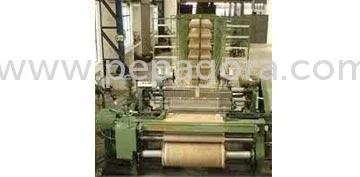
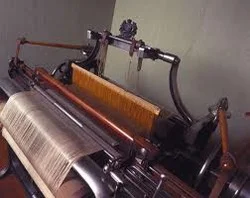
Rapier Loom For Fashion Fabrics 190cm Read Space 381cm Length
Super High Speed Jacquard Loom 600rpm Servo Motor Energy Saving
Terry Towel Rapier Loom For Premium Cotton Towel Weaving
Super Machine Works Pvt Ltd
Super Ply Cabler Twister for Cable and Wire Twisting Single Double Multiple Ply
Textile Spinning High Speed Draw Frame Adjustable Draft Up To 12x
Textile Spinning Super Card SC1 Auto Leveller Fiber Opening Cleaning Blending
Bhuvneshvari Industries
Power Loom Spares Crankwheels, Tappet Wheels, Bevel Gears
Industrial SG Castings High Grade Materials Flawless Performance
Premium Graded CI Castings Durable Industrial Automotive Construction
Blessing Enterprises
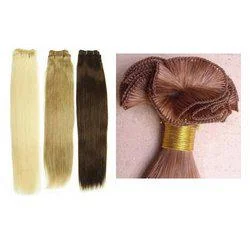
Premium Pre Bonded Keratin Hair Extensions for Salons
Premium Single Drawn Human Hair For Extensions And Wigs
Premium Double Drawn Human Hair For Extensions Wigs Weaves
Bobbiler Tex Machinery India
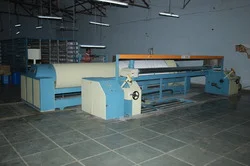
Textile Mill Heavy Duty Cloth Roll Doffing Trolley For Fabric Handling
Industrial Pallet Trolley Heavy Duty Metal Material Handling
Textile Manufacturing Cone Creel For Weaving And Knitting
Bapat Controls & Equipments Private Limited
Professional CMC 2 and CMC 3 Measuring Devices with Dual 1/3 Meter Wheels
Industrial Precision Measuring Instruments With Meter And Tenth Meter Accuracy
Industrial Weaving Loom Counter For Precise Fabric Length Measurement
JK Engineering Works
Industrial Machine Components Metal Aluminum Brass Bronze Copper Superior Quality
Industrial Precision Machined Metal Parts Aluminum Brass Bronze Copper
Industrial Machinery Components Standard Quality Accurate Dimensions High Strength
Dharshini Impex Private Limited
OEM Boys Cotton Anti Pilling Anti Shrink Stripe Shirt
Premium Allensolly Blue Men's Shirt 100% Cotton Anti Pilling Anti Shrink
Bulk Order Men's Cotton Anti Pilling Anti Shrink Casual Shirt
Alka Industrial Corporation
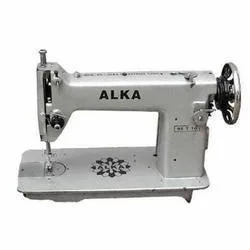
Industrial Sewing Machine High Speed Lever Stitch Regulator
Industrial Sewing Machine Heavy Duty Stitching Durable Embroidery Adjustable
Industrial Sewing Machine 1200 SPM Heavy Duty Garment Production
Abhilash Enterprises,pune
Textile Machinery Premium Doublers Twisters Bobbins High Impact ABS Durable
Industrial Textile ABS Bobbins For HDPE Twine Spinning
Industrial Textile Nylon 6 Machine Bobbins High Impact Wear Resistant
Why Businesses Trust Pepagora
Thousands of companies trust Pepagora to source smarter and sell faster
Expand Your Sales Globally
25000+Products listed.Get discovered by global buyers
Tools to boost visibility
Build your own catalog

Source Smarter,Grow Faster
4000+Active RFQs
100+ Countries served
Easy Sourcing Tools
