
 IN
INundefined
Watermelons
2 products available
𝗪𝗵𝗮𝘁 𝗮𝗿𝗲 𝗪𝗮𝘁𝗲𝗿𝗺𝗲𝗹𝗼𝗻𝘀?
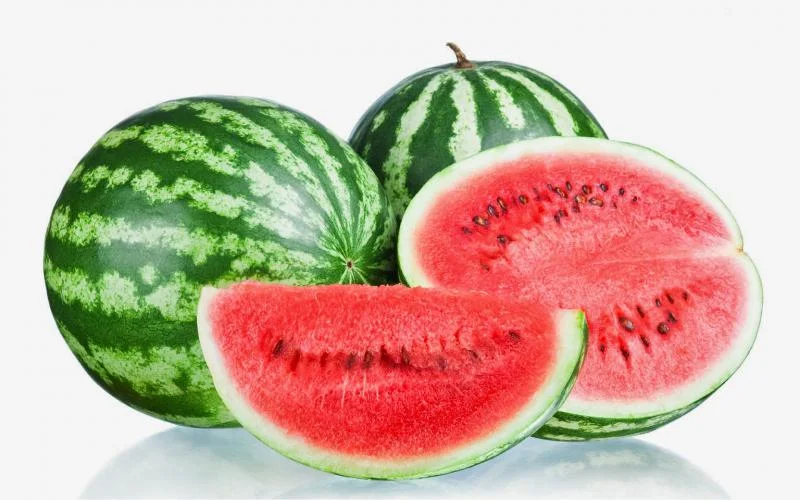
Watermelons are large, sweet, and juicy fruits belonging to the Cucurbitaceae family. They are botanically classified as a berry and are known for their distinctive green rind and red or pink flesh, which contains numerous black seeds. The fruit is primarily composed of water, making it a refreshing option, especially in warmer climates. Watermelons are cultivated in various regions around the world, thriving in warm temperatures and requiring ample sunlight for optimal growth.
In the business context, watermelons serve various applications across industries such as food and beverage, hospitality, and agriculture. They are commonly sold as fresh produce in grocery stores and markets, often enjoyed as a snack, in fruit salads, or as an ingredient in beverages. The fruit's popularity has led to its inclusion in processed products such as juices and snacks. As consumer demand for fresh, healthy food options increases, the watermelon market continues to expand, with growers and suppliers seeking to meet the needs of both local and global markets.
𝗞𝗲𝘆 𝗙𝗲𝗮𝘁𝘂𝗿𝗲𝘀 𝗮𝗻𝗱 𝗦𝗽𝗲𝗰𝗶𝗳𝗶𝗰𝗮𝘁𝗶𝗼𝗻𝘀
Watermelons feature several key specifications that are essential for B2B buyers to consider when sourcing the product. Understanding these specifications helps ensure quality and consistency in supply.
Key specifications include:
1. Size and Weight
- Watermelons typically range in size from 5 to 30 pounds.
- Standard size for commercial sales is around 10 to 15 pounds.
2. Sugar Content
- The sugar content in watermelons usually ranges from 6 to 12 percent.
- Higher sugar content is often preferred for sweeter varieties.
3. Color and Appearance
- Watermelons should have a bright green rind with a uniform pattern.
- Flesh color can vary from deep red to pink, depending on the variety.
4. Seed Count
- Varieties can be seeded or seedless.
- Seedless varieties are increasingly popular in retail markets.
5. Ripeness Indicators
- A hollow sound when tapped indicates ripeness.
- The ground spot should be a creamy yellow, signaling maturity.
6. Shelf Life
- Fresh watermelons can last up to 3 weeks under proper storage conditions.
- Ideal storage temperatures are between 50 to 60 degrees Fahrenheit.
In summary, understanding these key features ensures that businesses can source high-quality watermelons that meet consumer expectations and market demands.
𝗖𝗼𝗺𝗺𝗼𝗻 𝗔𝗽𝗽𝗹𝗶𝗰𝗮𝘁𝗶𝗼𝗻𝘀 𝗮𝗻𝗱 𝗨𝘀𝗲 𝗖𝗮𝘀𝗲𝘀
Watermelons have diverse applications across several industries, making them a versatile product.
1. Food and Beverage Industry: Watermelons are widely used in restaurants and catering services, often served fresh or blended into smoothies, juices, and cocktails.
2. Hospitality Sector: Hotels and resorts utilize watermelons for decorative fruit displays and as part of dessert offerings to enhance guest experiences.
3. Retail Markets: Grocery stores and supermarkets stock watermelons as a staple seasonal fruit, appealing to health-conscious consumers.
4. Food Processing: Manufacturers use watermelons in the production of ready-to-eat snacks, frozen products, and flavored beverages.
5. Agriculture: Watermelon seeds are cultivated for both fruit production and as a source of oil in agricultural practices.
6. Health and Wellness: Watermelons are promoted for their hydrating properties and health benefits, making them popular among fitness enthusiasts.
7. Events and Festivals: Watermelons are often featured in summer festivals, barbecues, and family gatherings, serving as a refreshing treat.
𝗣𝗿𝗼𝗱𝘂𝗰𝘁 𝗩𝗮𝗿𝗶𝗮𝗻𝘁𝘀 𝗮𝗻𝗱 𝗦𝘂𝗯𝗰𝗮𝘁𝗲𝗴𝗼𝗿𝗶𝗲𝘀
Watermelons come in various types, each offering unique features and applications.
Seeded Watermelon
This traditional variety contains seeds and is known for its classic taste and texture. It is often favored for its sweetness and is commonly found in grocery stores during the summer months.
Seedless Watermelon
This popular variant is cultivated to be seedless, making it more convenient for consumption. It is ideal for families and events where ease of eating is a priority.
Mini Watermelon
These smaller-sized watermelons are perfect for individual servings. They are gaining popularity for their convenience and are often marketed for smaller households or picnics.
Icebox Watermelon
This variety is specifically bred to fit in standard refrigerators. It is perfect for those who want to enjoy watermelon without the hassle of storage issues.
𝗕𝗲𝗻𝗲𝗳𝗶𝘁𝘀 𝗮𝗻𝗱 𝗔𝗱𝘃𝗮𝗻𝘁𝗮𝗴𝗲𝘀
Sourcing watermelons offers several advantages for businesses looking to enhance their product offerings.
1. High Nutritional Value: Watermelons are low in calories and rich in vitamins such as A and C, making them a healthy addition to menus.
2. Hydration: With over 90 percent water content, watermelons help keep consumers hydrated, especially in hot climates.
3. Versatility: Watermelons can be used in various culinary applications, from salads to desserts, appealing to a wide range of tastes.
4. Seasonal Appeal: Watermelons are particularly popular in summer, providing a refreshing option for consumers during warmer months.
5. Profitability: Due to their high demand, watermelons can provide good margins for retailers and suppliers, especially in peak seasons.
6. Easy to Transport: Watermelons have a sturdy rind that helps protect the fruit during shipping, reducing losses due to spoilage.
𝗕𝘂𝘆𝗶𝗻𝗴 𝗚𝘂𝗶𝗱𝗲 𝗳𝗼𝗿 𝗕𝟮𝗕 𝗕𝘂𝘆𝗲𝗿𝘀
When sourcing watermelons, businesses should consider several key factors to ensure a successful purchase.
1. Quality Assessment: Buyers should evaluate the firmness, color, and overall appearance of the watermelons to ensure they meet quality standards.
2. Supplier Verification: It is essential to vet suppliers for reliability and consistency in product quality. Requesting references and checking reviews can be beneficial.
3. Pricing and MOQ: Understanding the pricing structure and minimum order quantities can help businesses manage costs effectively and ensure sufficient supply.
4. Delivery and Lead Times: Establishing clear delivery schedules and lead times is crucial to maintain inventory levels and meet customer demand.
5. Compliance Requirements: Buyers should be aware of any regional regulations regarding the import of fresh produce, ensuring that their suppliers meet necessary compliance standards.
𝗖𝗼𝗺𝗽𝗹𝗶𝗮𝗻𝗰𝗲 𝗮𝗻𝗱 𝗖𝗲𝗿𝘁𝗶𝗳𝗶𝗰𝗮𝘁𝗶𝗼𝗻𝘀
Watermelons must adhere to relevant quality standards and certifications to ensure safety and quality for consumers.
ISO 9001 is a widely recognized standard that ensures a consistent quality management system is in place across the supply chain. Compliance with this standard can enhance the credibility of suppliers.
HACCP (Hazard Analysis and Critical Control Points) is a vital food safety management system that identifies potential hazards in the production process of watermelons. Adherence to HACCP helps ensure that products are safe for consumption.
CE certification indicates that the product meets essential safety and health requirements. While primarily associated with machinery and equipment, it is important to ensure that suppliers have appropriate certifications for their processes.
Additionally, buyers should consider regional compliance requirements concerning pesticide use and food safety regulations, which can vary by country.
𝗪𝗵𝘆 𝗦𝗼𝘂𝗿𝗰𝗲 𝗪𝗮𝘁𝗲𝗿𝗺𝗲𝗹𝗼𝗻𝘀 𝗳𝗿𝗼𝗺 𝗣𝗲𝗽𝗮𝗴𝗼𝗿𝗮?
Pepagora offers a reliable platform for sourcing watermelons, providing numerous advantages for B2B buyers.
Verified Supplier Network: Pepagora has established a network of verified suppliers, ensuring that buyers can find trustworthy sources for high-quality watermelons.
Streamlined RFQ Process: The platform simplifies the request for quotation (RFQ) process, allowing buyers to easily obtain competitive pricing from multiple suppliers.
Trade Assurance and Support: Pepagora provides trade assurance to protect buyers, ensuring that transactions are safe and secure. This support fosters confidence in sourcing.
Regional Coverage: With a strong presence in India, the Gulf Cooperation Council (GCC), and Southeast Asia, Pepagora ensures that buyers can access watermelons from diverse markets, catering to various regional preferences and demands.
Newly Added


Recently Added
Saraswati International
Fresh White Onions Premium Round For Global Distributors
Dehydrated Red Onions Whole Sliced For Food Manufacturing
Premium Indian Shallots Fresh Round Onions For Importers
Vayalfresh Global Traders
Organic Fresh Purple Onions Medium Size 5Kg Box
Fresh Agriculture Grade Red Tomatoes In 5Kg Box Packaging
Fresh Lemons Agriculture Grade 5Kg Box Sour Citrus Fruit
Why Businesses Trust Pepagora
Thousands of companies trust Pepagora to source smarter and sell faster
Expand Your Sales Globally
25000+Products listed.Get discovered by global buyers
Tools to boost visibility
Build your own catalog

Source Smarter,Grow Faster
4000+Active RFQs
100+ Countries served
Easy Sourcing Tools
