
 IN
INundefined
Watering Cans
2 products available
𝗪𝗵𝗮𝘁 𝗮𝗿𝗲 𝗪𝗮𝘁𝗲𝗿𝗶𝗻𝗴 𝗖𝗮𝗻𝘀?
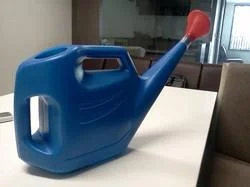
Watering cans are essential tools designed for the effective and controlled irrigation of plants. Typically made from metal, plastic, or ceramic, these containers feature a handle for easy carrying and a spout that allows for precise watering. Their capacity can vary, making them suitable for both small houseplants and larger garden settings.
In business applications, watering cans are commonly used in nurseries, greenhouses, and landscaping services. They are ideal for watering delicate seedlings where precision is vital. Additionally, they serve as practical tools in educational settings, allowing students to learn about plant care and horticulture.
The relevance of watering cans spans various industries, particularly in agriculture, horticulture, and landscaping. As sustainable practices gain traction, the demand for efficient watering solutions continues to grow, positioning watering cans as vital tools in both commercial and residential gardening.
𝗞𝗲𝘆 𝗙𝗲𝗮𝘁𝘂𝗿𝗲𝘀 𝗮𝗻𝗱 𝗦𝗽𝗲𝗰𝗶𝗳𝗶𝗰𝗮𝘁𝗶𝗼𝗻𝘀
Watering cans come with several key features that enhance their usability and effectiveness. Understanding these specifications is crucial for selecting the right product for specific applications.
Key specifications include:
1. Material Type
- Common materials include plastic, metal, and ceramic.
- Each material offers different levels of durability and weight.
2. Capacity
- Available in various sizes, typically ranging from 1 to 10 liters.
- Larger capacities are ideal for extensive garden areas.
3. Spout Design
- Spouts can vary in length and diameter, affecting the flow rate.
- Some designs include removable or interchangeable spouts for versatility.
4. Handle Type
- Ergonomic handles are designed for comfortable grip.
- Some cans feature a double handle for easier pouring.
5. Weight
- The weight of the can can impact its portability and ease of use.
- Lighter models are easier to handle for extended periods.
6. Color Options
- Available in a range of colors for aesthetic appeal.
- Color coding can also be used for different watering tasks.
7. Durability
- Resistance to UV rays and rust is essential for longevity.
- Heavy-duty models are suitable for commercial use.
8. Certifications
- Some watering cans meet safety and quality standards such as CE.
- Compliance with environmental regulations may apply.
In summary, when selecting watering cans, consider the material, capacity, spout design, handle type, and durability to ensure they meet your specific needs.
𝗖𝗼𝗺𝗺𝗼𝗻 𝗔𝗽𝗽𝗹𝗶𝗰𝗮𝘁𝗶𝗼𝗻𝘀 𝗮𝗻𝗱 𝗨𝘀𝗲 𝗖𝗮𝘀𝗲𝘀
Watering cans find utility across various sectors, each with unique applications.
1. Horticulture: In nurseries, watering cans are used to carefully water seedlings and young plants, ensuring they receive adequate moisture without being overwatered.
2. Landscaping: Professional landscapers utilize watering cans for targeted irrigation in garden beds, promoting healthy plant growth in both residential and commercial properties.
3. Education: Schools and educational institutions use watering cans in gardening programs to teach students about plant care and environmental stewardship.
4. Indoor Gardening: Homeowners with indoor plants rely on watering cans to maintain optimal moisture levels for their greenery, enhancing home aesthetics.
5. Public Parks: Parks and recreation departments use watering cans for maintaining flower beds and gardens, allowing for precise watering in various weather conditions.
6. Greenhouses: In controlled environments, watering cans help manage the water supply for delicate plants requiring specific care.
7. Community Gardens: Volunteers and gardeners utilize watering cans for collaborative gardening efforts, ensuring all plants receive equal attention.
𝗣𝗿𝗼𝗱𝘂𝗰𝘁 𝗩𝗮𝗿𝗶𝗮𝗻𝘁𝘀 𝗮𝗻𝗱 𝗦𝘂𝗯𝗰𝗮𝘁𝗲𝗴𝗼𝗿𝗶𝗲𝘀
Watering cans come in a variety of designs and styles, catering to different needs and preferences.
Plastic Watering Cans: Lightweight and versatile, plastic watering cans are popular for home gardening. They come in various colors and sizes, making them easy to handle and maneuver.
Metal Watering Cans: Known for their durability, metal watering cans often have a classic aesthetic. They are suitable for both indoor and outdoor use and can withstand various weather conditions.
Ceramic Watering Cans: These decorative cans are often used indoors for potted plants. They provide a stylish option for those looking to combine functionality with design.
𝗕𝗲𝗻𝗲𝗳𝗶𝘁𝘀 𝗮𝗻𝗱 𝗔𝗱𝘃𝗮𝗻𝘁𝗮𝗴𝗲𝘀
Watering cans offer numerous benefits that make them a preferred choice for many gardening tasks.
1. Precision Watering: The design of watering cans allows for targeted watering, reducing waste and ensuring that plants receive the right amount of moisture.
2. Versatility: Suitable for various applications, watering cans can be used in gardens, homes, and educational environments.
3. Portability: Lightweight models make it easy to carry and use these tools in different locations without the need for hoses or complex systems.
4. Cost-Effective: Watering cans are generally affordable compared to other irrigation methods, making them accessible for businesses and individuals alike.
5. Easy to Maintain: With simple designs, watering cans require minimal maintenance, ensuring longevity and reliability.
6. Environmentally Friendly: By using a watering can, users can conserve water through controlled application, contributing to sustainable gardening practices.
𝗕𝘂𝘆𝗶𝗻𝗴 𝗚𝘂𝗶𝗱𝗲 𝗳𝗼𝗿 𝗕𝟮𝗕 𝗕𝘂𝘆𝗲𝗿𝘀
When sourcing watering cans for business purposes, several key factors should be considered.
1. Quality Assessment: Evaluate the materials and construction of the watering cans to ensure durability and performance. Look for reputable brands known for their quality.
2. Supplier Verification: It is essential to vet suppliers through reviews and references to ensure reliability and product integrity. Established suppliers often provide better support and service.
3. Pricing and MOQ: Understand the cost structure and minimum order quantities for bulk purchases. Compare prices among different suppliers to find the best deal.
4. Delivery and Lead Times: Assess logistics capabilities and lead times to ensure timely delivery to meet business demands.
5. Compliance Requirements: Verify that the products meet relevant industry standards and certifications, such as CE, to ensure safety and reliability.
𝗖𝗼𝗺𝗽𝗹𝗶𝗮𝗻𝗰𝗲 𝗮𝗻𝗱 𝗖𝗲𝗿𝘁𝗶𝗳𝗶𝗰𝗮𝘁𝗶𝗼𝗻𝘀
Compliance and certifications are critical in ensuring the quality and safety of watering cans. Products should meet relevant quality standards such as ISO 9001, which ensures consistent quality management systems.
Additionally, certifications like CE indicate that the product meets European safety, health, and environmental protection standards.
It is also essential for suppliers to adhere to safety requirements and testing protocols that guarantee the safe use of their products. Regional compliance considerations may vary, so it’s important to consult local regulations to ensure all products are compliant.
𝗪𝗵𝘆 𝗦𝗼𝘂𝗿𝗰𝗲 𝗪𝗮𝘁𝗲𝗿𝗶𝗻𝗴 𝗖𝗮𝗻𝘀 𝗳𝗿𝗼𝗺 𝗣𝗲𝗽𝗮𝗴𝗼𝗿𝗮?
Pepagora provides an efficient platform for sourcing watering cans with several key advantages for buyers.
Verified Supplier Network: Pepagora has established a network of verified suppliers, ensuring that buyers receive high-quality products from trusted sources. This network reduces the risk of procurement errors.
Streamlined RFQ Process: The Request for Quotation (RFQ) process is designed to simplify the purchasing experience. Buyers can easily compare quotes from multiple suppliers, enabling informed decisions.
Trade Assurance and Support: Pepagora offers trade assurance, protecting buyers from potential risks associated with transactions. This support fosters confidence in purchasing decisions.
Regional Coverage: With a strong presence in India, the GCC, and Southeast Asia, Pepagora facilitates access to a diverse range of suppliers, enhancing options for buyers across various markets.
Newly Added



Recently Added
Champion Agro Products
Industrial PET Trigger Sprayers For Chemicals And Agriculture
Premium Sipper Bottles For Food Beverage FMCG Leak Proof Durable
Leak Proof 1 Liter Fridge Water Bottle Virgin Plastic Trendy Colors
EXOTIC INDIA
Aluminum Floor Candle Holder 76cm Height 23cm Diameter
Premium Metal Glass Candle Holder Antique Gold Finish Handcrafted
Polished Aluminum 3 Light Candle Holder For Elegant Decor
Why Businesses Trust Pepagora
Thousands of companies trust Pepagora to source smarter and sell faster
Expand Your Sales Globally
25000+Products listed.Get discovered by global buyers
Tools to boost visibility
Build your own catalog

Source Smarter,Grow Faster
4000+Active RFQs
100+ Countries served
Easy Sourcing Tools
