
 IN
INundefined
Water Treatment Plant Installation
3 products available
𝗪𝗵𝗮𝘁 𝗮𝗿𝗲 𝗪𝗮𝘁𝗲𝗿 𝗧𝗿𝗲𝗮𝘁𝗺𝗲𝗻𝘁 𝗣𝗹𝗮𝗻𝘁 𝗜𝗻𝘀𝘁𝗮𝗹𝗹𝗮𝘁𝗶𝗼𝗻?
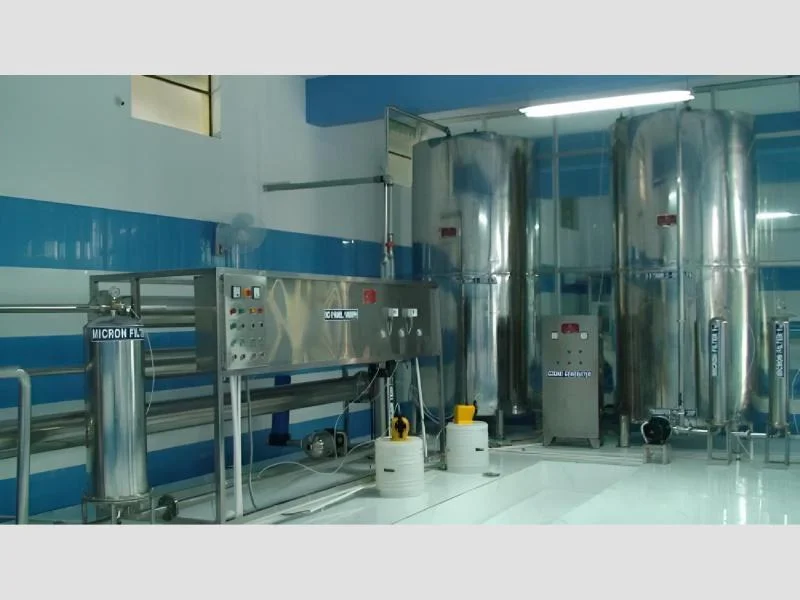
Water Treatment Plant Installation refers to the process of setting up facilities that purify water for various uses. These installations are crucial in ensuring that water meets safety and quality standards before being distributed for consumption or industrial applications. The installation process encompasses a range of activities including site assessment, equipment placement, and system integration, ensuring that the plant operates efficiently and effectively.
The primary uses of water treatment plants include supplying potable water to communities, treating wastewater before it is released back into the environment, and providing process water for industrial operations. Businesses in sectors such as municipal water supply, manufacturing, and agriculture rely heavily on these installations. The relevance of water treatment plants in today's market cannot be overstated, as growing concerns about water quality and environmental sustainability drive the need for advanced treatment solutions.
𝗞𝗲𝘆 𝗙𝗲𝗮𝘁𝘂𝗿𝗲𝘀 𝗮𝗻𝗱 𝗦𝗽𝗲𝗰𝗶𝗳𝗶𝗰𝗮𝘁𝗶𝗼𝗻𝘀
Water treatment plants come equipped with a variety of features designed to enhance performance and reliability. These specifications cater to the diverse needs of different applications and industries.
Key specifications include:
1. Capacity
- The volume of water the plant can treat per day, typically measured in cubic meters.
- Ranges can vary from small-scale plants (100-1,000 m³/day) to large-scale operations (over 10,000 m³/day).
2. Treatment Process
- Types of processes employed such as filtration, chlorination, and reverse osmosis.
- Each process has specific parameters that define its effectiveness and efficiency.
3. Power Requirements
- Electrical power needed to operate the plant, usually measured in kilowatts.
- Specifications may vary based on the capacity and technology used.
4. Space Requirements
- The physical footprint of the installation, including space for equipment and personnel.
- Essential for planning and site selection.
5. Control Systems
- Automation and monitoring features integrated into the plant.
- These systems help ensure consistent performance and compliance.
6. Material Standards
- Types of materials used in construction, such as stainless steel or high-density polyethylene.
- Important for durability and corrosion resistance.
7. Maintenance Needs
- Frequency and type of maintenance required to keep the plant operational.
- Critical for long-term sustainability.
8. Compliance Standards
- Adherence to local and international regulations governing water quality.
- Ensures the plant meets required safety and environmental standards.
In summary, understanding the key specifications of water treatment plant installations is essential for choosing the right system for specific needs.
𝗖𝗼𝗺𝗺𝗼𝗻 𝗔𝗽𝗽𝗹𝗶𝗰𝗮𝘁𝗶𝗼𝗻𝘀 𝗮𝗻𝗱 𝗨𝘀𝗲 𝗖𝗮𝘀𝗲𝘀
Water treatment plant installations serve various industries, each with unique applications.
1. Municipal Water Supply: These plants treat and supply safe drinking water to residents, ensuring compliance with health standards.
2. Industrial Manufacturing: Facilities use treated water for processes such as cooling, cleaning, and product formulation.
3. Agriculture: Water treatment systems provide irrigation water that meets quality standards for crop production.
4. Food and Beverage: Industries rely on treated water for food processing, ensuring safety and quality in their products.
5. Pharmaceuticals: Strictly controlled water treatment is essential for manufacturing drugs and medical devices.
6. Mining: Water treatment plants manage water used in extraction processes, minimizing environmental impact.
7. Wastewater Treatment: Facilities treat sewage and industrial wastewater before it is released into the environment.
𝗣𝗿𝗼𝗱𝘂𝗰𝘁 𝗩𝗮𝗿𝗶𝗮𝗻𝘁𝘀 𝗮𝗻𝗱 𝗦𝘂𝗯𝗰𝗮𝘁𝗲𝗴𝗼𝗿𝗶𝗲𝘀
Water treatment plant installations come in various configurations to meet different needs.
Mobile Water Treatment Units: These portable systems can be deployed quickly in emergencies or during construction projects. They provide immediate access to treated water in remote locations.
Modular Treatment Plants: These units are designed for scalability, allowing businesses to increase capacity as needed. They are often pre-fabricated for faster installation.
Decentralized Treatment Systems: Ideal for smaller communities or industries, these systems treat water on-site, reducing the need for extensive infrastructure.
Containerized Treatment Solutions: Compact and self-contained, these systems are designed for ease of transport and installation, making them suitable for temporary or mobile applications.
𝗕𝗲𝗻𝗲𝗳𝗶𝘁𝘀 𝗮𝗻𝗱 𝗔𝗱𝘃𝗮𝗻𝘁𝗮𝗴𝗲𝘀
Investing in water treatment plant installations brings numerous advantages to businesses.
1. Improved Water Quality: Ensures that water is safe for consumption and use, meeting regulatory standards.
2. Environmental Protection: Reduces the risk of contamination and promotes sustainable water management practices.
3. Cost Efficiency: Proper treatment can reduce long-term costs associated with water sourcing and waste management.
4. Compliance Assurance: Helps businesses stay compliant with local and international regulations, avoiding potential fines.
5. Enhanced Operational Reliability: Well-designed plants ensure consistent water supply, minimizing disruptions to business operations.
6. Customization Options: Solutions can be tailored to meet specific industry needs, ensuring maximum effectiveness.
𝗕𝘂𝘆𝗶𝗻𝗴 𝗚𝘂𝗶𝗱𝗲 𝗳𝗼𝗿 𝗕𝟮𝗕 𝗕𝘂𝘆𝗲𝗿𝘀
When sourcing water treatment plant installations, businesses should consider several critical factors.
1. Quality Assessment: Evaluate the quality of materials and technology used in the installation. Look for products that meet established standards for durability and efficiency.
2. Supplier Verification: Vet potential suppliers to ensure they have a solid reputation and experience in the industry. Check for client reviews and case studies.
3. Pricing and MOQ: Understand the cost structure and minimum order quantities. This helps in budgeting and ensures that the investment aligns with business goals.
4. Delivery and Lead Times: Inquire about expected delivery timelines and logistics. Timely installation is crucial for project planning.
5. Compliance Requirements: Familiarize yourself with local regulations and standards that apply to water treatment. This ensures that the chosen installation will meet all necessary legal requirements.
𝗖𝗼𝗺𝗽𝗹𝗶𝗮𝗻𝗰𝗲 𝗮𝗻𝗱 𝗖𝗲𝗿𝘁𝗶𝗳𝗶𝗰𝗮𝘁𝗶𝗼𝗻𝘀
Water treatment plants must adhere to various quality standards and regulations to ensure safety and efficiency.
ISO 9001 is a widely recognized standard for quality management systems. Compliance with this standard indicates that the supplier maintains consistent quality in their processes and products.
HACCP (Hazard Analysis Critical Control Point) is essential for industries where food safety is paramount. Water treatment systems must comply with HACCP guidelines to ensure the safety of water used in food production.
CE certification is crucial for products sold in the European market, indicating compliance with health, safety, and environmental protection standards.
Safety and testing requirements must be strictly followed during the installation and operation of water treatment plants. Regular testing ensures that water quality remains within acceptable limits.
Regional compliance considerations may vary, so businesses should be aware of local regulations and standards that govern water treatment in their area.
𝗪𝗵𝘆 𝗦𝗼𝘂𝗿𝗰𝗲 𝗪𝗮𝘁𝗲𝗿 𝗧𝗿𝗲𝗮𝘁𝗺𝗲𝗻𝘁 𝗣𝗹𝗮𝗻𝘁 𝗜𝗻𝘀𝘁𝗮𝗹𝗹𝗮𝘁𝗶𝗼𝗻 𝗳𝗿𝗼𝗺 𝗣𝗲𝗽𝗮𝗴𝗼𝗿𝗮?
Pepagora provides a trusted platform for sourcing water treatment plant installations with several key advantages.
Verified Supplier Network: Pepagora has established a network of verified suppliers, ensuring that businesses can connect with reputable manufacturers and service providers. This network enhances trust and reliability in sourcing decisions.
Streamlined RFQ Process: The platform features a simplified request-for-quotation system, allowing buyers to receive competitive quotes from multiple suppliers quickly. This saves time and facilitates better decision-making.
Trade Assurance and Support: Pepagora offers trade assurance features that protect buyers throughout the procurement process. This includes support for negotiations and assistance with any disputes that may arise.
Regional Coverage: With a strong presence in India, the GCC, and Southeast Asia, Pepagora ensures that businesses in these regions have access to quality water treatment solutions tailored to their specific needs. This geographic reach supports local industries and promotes sustainable practices.
In conclusion, sourcing water treatment plant installations from Pepagora connects businesses with high-quality solutions while ensuring compliance, support, and a competitive edge in the market.
Newly Added

Recently Added
Watervision Systems
Commercial Residential Sewage Treatment Plants STP Solutions
MPCB Liaisoning Services For Maharashtra Industries Compliance
Environmental Impact Assessment & Consultancy For Sewage Management
Why Businesses Trust Pepagora
Thousands of companies trust Pepagora to source smarter and sell faster
Expand Your Sales Globally
25000+Products listed.Get discovered by global buyers
Tools to boost visibility
Build your own catalog

Source Smarter,Grow Faster
4000+Active RFQs
100+ Countries served
Easy Sourcing Tools
