
 IN
INundefined
Warp Knitting Machines
17 products available
𝗪𝗵𝗮𝘁 𝗮𝗿𝗲 𝗪𝗮𝗿𝗽 𝗞𝗻𝗶𝘁𝘁𝗶𝗻𝗴 𝗠𝗮𝗰𝗵𝗶𝗻𝗲𝘀?
Warp knitting machines are specialized textile manufacturing devices designed to create fabric through a unique knitting process. Unlike traditional weft knitting, warp knitting involves running multiple yarns in parallel and interlocking them to form a stable structure. This technique enables the production of a wide range of knitted fabrics with varying textures and designs, making warp knitting machines highly versatile.
These machines are primarily used in industries such as apparel, automotive, and home furnishings. They are essential for producing stretchable materials, lace, mesh, and other complex fabric structures. The ability to create intricate patterns and textures efficiently makes them invaluable in meeting the demands of modern textile applications. The growing need for innovative fabric solutions has further solidified the relevance of warp knitting machines in the global market.
With the textile industry constantly evolving, warp knitting machines are gaining traction due to their efficiency and flexibility. Industry players are increasingly investing in advanced warp knitting technology to enhance productivity and reduce production costs. This trend is expected to continue, positioning warp knitting machines as a key component in the future of textile manufacturing.
𝗞𝗲𝘆 𝗙𝗲𝗮𝘁𝘂𝗿𝗲𝘀 𝗮𝗻𝗱 𝗦𝗽𝗲𝗰𝗶𝗳𝗶𝗰𝗮𝘁𝗶𝗼𝗻𝘀
Warp knitting machines come equipped with various features that enhance their performance and versatility. Understanding these features is crucial for businesses looking to invest in this technology.
Key specifications include:
1. Machine Type
- Different types of warp knitting machines, such as tricot and raschel.
- Each type is designed for specific applications and fabric characteristics.
2. Needle Count
- Refers to the number of needles used in the machine.
- Higher needle counts can lead to finer fabric production.
3. Gauge
- The distance between needles, impacting the fabric’s density and fineness.
- Common gauges range from 18 to 36.
4. Yarn Feed Mechanism
- Various systems for feeding yarns to the machine.
- Options include manual and automated feeding systems.
5. Speed
- Operational speed of the machine measured in stitches per minute.
- Typical speeds can range from 300 to 1,200 stitches per minute.
6. Fabric Width
- Maximum width of fabric that can be produced.
- Standard widths can vary from 30 inches to over 100 inches.
7. Control System
- Modern machines are often equipped with digital control systems.
- These systems provide better precision and ease of operation.
8. Energy Efficiency
- Many machines are designed to minimize energy consumption.
- Look for models with energy-efficient motors and components.
In summary, understanding these specifications helps businesses choose the right warp knitting machine to meet their production needs.
𝗖𝗼𝗺𝗺𝗼𝗻 𝗔𝗽𝗽𝗹𝗶𝗰𝗮𝘁𝗶𝗼𝗻𝘀 𝗮𝗻𝗱 𝗨𝘀𝗲 𝗖𝗮𝘀𝗲𝘀
Warp knitting machines serve various industries, each with specific applications that leverage their unique capabilities.
1. Apparel: Warp knitting is commonly used to produce stretch fabrics for activewear, lingerie, and sportswear, providing comfort and flexibility.
2. Automotive: These machines create technical textiles used in car interiors, seat covers, and safety belts, offering durability and aesthetic appeal.
3. Home Furnishings: Warp knitting is employed in making curtains, upholstery, and decorative fabrics, allowing for intricate designs and patterns.
4. Medical: The machines are used to produce specialized fabrics for medical garments, bandages, and wound dressings, emphasizing hygiene and comfort.
5. Industrial: Warp knitting technology is utilized to craft durable materials for industrial applications such as protective gear and filtration products.
6. Fashion Accessories: The versatility of warp knitting allows for the production of unique items like scarves, hats, and bags, catering to fashion trends.
7. Sports Equipment: The machines create specialized fabrics for sports gear, including nets, bags, and padding, enhancing performance and safety.
𝗣𝗿𝗼𝗱𝘂𝗰𝘁 𝗩𝗮𝗿𝗶𝗮𝗻𝘁𝘀 𝗮𝗻𝗱 𝗦𝘂𝗯𝗰𝗮𝘁𝗲𝗴𝗼𝗿𝗶𝗲𝘀
Warp knitting machines come in various types, each tailored for specific applications and fabric requirements.
Tricot Machines: Tricot machines are designed for producing lightweight and stretchable fabrics. They are commonly used in the apparel industry for items such as lingerie and activewear.
Raschel Machines: Raschel machines excel in creating heavier and more complex fabrics, often used in home furnishings and industrial applications. Their ability to produce intricate patterns makes them popular for decorative textiles.
𝗕𝗲𝗻𝗲𝗳𝗶𝘁𝘀 𝗮𝗻𝗱 𝗔𝗱𝘃𝗮𝗻𝘁𝗮𝗴𝗲𝘀
Warp knitting machines provide numerous benefits that enhance production capabilities and fabric quality.
Key benefits include:
1. Versatility: These machines can produce a wide array of fabrics, accommodating various industry requirements.
2. Efficiency: High-speed operations enable faster production rates, reducing lead times and increasing output.
3. Fabric Quality: Warp knitting produces strong, durable fabrics that maintain their shape and integrity over time.
4. Cost-Effectiveness: Lower material waste and high production efficiency contribute to reduced costs in the long run.
5. Customization: Many machines allow for customization in terms of patterns and fabric characteristics to meet specific client needs.
6. Innovation: Continuous advancements in technology lead to enhanced performance and new fabric capabilities, keeping businesses competitive.
𝗕𝘂𝘆𝗶𝗻𝗴 𝗚𝘂𝗶𝗱𝗲 𝗳𝗼𝗿 𝗕𝟮𝗕 𝗕𝘂𝘆𝗲𝗿𝘀
When sourcing warp knitting machines, it is essential to consider several key factors to ensure a successful purchase.
1. Quality Assessment: Evaluate the quality of the machines by reviewing manufacturer credentials and customer reviews. Look for machines that meet industry standards and have a proven track record of reliability.
2. Supplier Verification: Conduct thorough vetting of suppliers to ensure they are reputable and have a history of delivering quality equipment. Request references and check for certifications.
3. Pricing and MOQ: Understand the pricing structure and minimum order quantities. It's crucial to balance cost with quality to ensure a worthwhile investment.
4. Delivery and Lead Times: Inquire about delivery schedules and lead times to avoid disruptions in your production process. Ensure that the supplier can meet your timeline requirements.
5. Compliance Requirements: Familiarize yourself with any regulatory compliance standards relevant to your industry. Ensure the machines meet these standards to avoid legal issues.
𝗖𝗼𝗺𝗽𝗹𝗶𝗮𝗻𝗰𝗲 𝗮𝗻𝗱 𝗖𝗲𝗿𝘁𝗶𝗳𝗶𝗰𝗮𝘁𝗶𝗼𝗻𝘀
Warp knitting machines must adhere to various quality and safety standards to ensure reliable operation and product quality.
ISO 9001 is a widely recognized standard that focuses on quality management systems. Compliance with ISO 9001 indicates that the manufacturer follows best practices in quality assurance and operational efficiency.
CE certification is essential for machines sold in European markets, ensuring they meet safety and environmental requirements. This certification assures buyers of the machine's compliance with European Union directives.
Safety and testing requirements are also crucial, as they ensure that machines operate safely and minimize hazards for workers. Regular maintenance and adherence to safety guidelines are necessary for compliance.
Additionally, regional compliance considerations may vary, so it is important for buyers to be aware of specific regulations in their operational areas. Understanding these requirements can help in selecting the right machines and avoiding potential compliance issues.
𝗪𝗵𝘆 𝗦𝗼𝘂𝗿𝗰𝗲 𝗪𝗮𝗿𝗽 𝗞𝗻𝗶𝘁𝘁𝗶𝗻𝗴 𝗠𝗮𝗰𝗵𝗶𝗻𝗲𝘀 𝗳𝗿𝗼𝗺 𝗣𝗲𝗽𝗮𝗴𝗼𝗿𝗮?
Pepagora provides a trusted platform for sourcing warp knitting machines, offering numerous advantages that benefit businesses.
Verified Supplier Network: Pepagora features a robust network of verified suppliers. This ensures that buyers are connected with reliable manufacturers who meet quality standards.
Streamlined RFQ Process: The platform simplifies the request for quotation process, allowing buyers to easily gather and compare offers from multiple suppliers. This efficiency helps businesses make informed purchasing decisions.
Trade Assurance and Support: Pepagora offers trade assurance, providing buyers with protection against potential issues during the purchase process. This support fosters confidence in sourcing equipment.
Regional Coverage: With a strong presence in regions such as India, the GCC, and Southeast Asia, Pepagora facilitates connections between buyers and suppliers across these markets. This broad coverage enhances accessibility to diverse product offerings.
By choosing Pepagora, businesses can ensure they are sourcing warp knitting machines from reputable suppliers while benefiting from an efficient and supportive purchasing process.
Newly Added


Recently Added
Mefa Needles Pvt Ltd
Industrial Chochet Machine Needles High Precision Durable Knitting
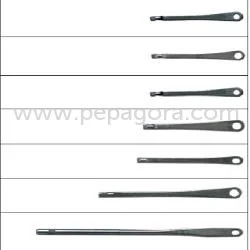
Industrial Knitting Bearded Machine Needles Premium Performance
Industrial Knitting Machine Needles Interlock Sinker Rib High Speed
Aryan Impex
Professional HP Laptop Bags Durable Fabric International Compliance
Durable School Bags High Quality Fabric Bulk Distribution
Ludan Cargo School Bags Durable Student Backpacks Bulk Customization
Alka Industrial Corporation
Industrial Sewing Machine High Speed Lever Stitch Regulator
Industrial Sewing Machine Heavy Duty Stitching Durable Embroidery Adjustable
Industrial Sewing Machine 1200 SPM Heavy Duty Garment Production
Axis Enterprises
Bulk Rainbow Zippers Vibrant Durable Fastening Solutions
Premium Coat Zippers For Durable Smooth Bulk Orders
Nylon Two Way Zippers Durable Bidirectional Locking
Bhakti
Industrial Wire Stitching Machine PC8420 Heavy Duty Bookbinding Packaging
Industrial Double Chain Sewing Machine With 401 Stitch Heavy Duty
Industrial Overlock Sewing Machine Compact High Speed Durable
Bobbiler Tex Machinery India
Textile Mill Heavy Duty Cloth Roll Doffing Trolley For Fabric Handling
Industrial Pallet Trolley Heavy Duty Metal Material Handling
Textile Manufacturing Cone Creel For Weaving And Knitting
DIVINE INTERNATIONAL
Medical Education Unbreakable Anatomical Skeleton Models Durable Plastic
Laboratory Incubator With Digital Temperature Control And Viewing Window
Educational Chemistry Laboratory Glassware Plasticware Chemicals
NS Sewing Machine And Co
Industrial Sewing Machines For Garment Manufacturing And Precision Stitching
Professional Tailoring Manual Round Arm Sewing Machine Complete Unit Pack
Singer Magna Foot Operated Sewing Machine 32 SPI ISI Certified
Eureka Precision Instruments and Co
Textile Lab Electronic Wrap Reel for Yarn Count Testing with Automatic Stop
EC 61 Motorised Bursting Strength Tester for Textiles, Paper & Packaging
Electronic Twist Tester EY 06E for Yarn TPI/TPM/TPCM Measurement with Auto/Manual Operation
Why Businesses Trust Pepagora
Thousands of companies trust Pepagora to source smarter and sell faster
Expand Your Sales Globally
25000+Products listed.Get discovered by global buyers
Tools to boost visibility
Build your own catalog

Source Smarter,Grow Faster
4000+Active RFQs
100+ Countries served
Easy Sourcing Tools
